As veterinary medicine keeps evolving, it’s clear that tech plays an increasingly big role in pet healthcare nowadays. One invention that’s really shaken up how we diagnose and understand what's going on inside our furry friends is the Canine Ultrasound Machine. Dr. James Peterson, who’s a pretty big name in veterinary diagnostics, really stresses how important this tech is. He says, “The Canine Ultrasound Machine gives us incredible insights into a pet’s internal health, helping us make accurate diagnoses quickly and jump on treatment faster.” That just shows how more and more vets realize how crucial ultrasound is for making sure dogs stay healthy and happy.
Using a Canine Ultrasound Machine comes with lots of benefits—like being non-invasive and allowing vets to keep an eye on tricky conditions in real time. It gives vets the power to make smarter decisions, which means each animal gets care that's perfectly suited to its needs. As we look at the top 10 perks of this game-changing technology, it’s pretty clear—it’s not just a diagnostic gadget, but a key part of today’s pet healthcare. It really helps improve pets’ lives and makes veterinary work a whole lot more efficient.
Benefits of Canine Ultrasound Machines in Veterinary Medicine
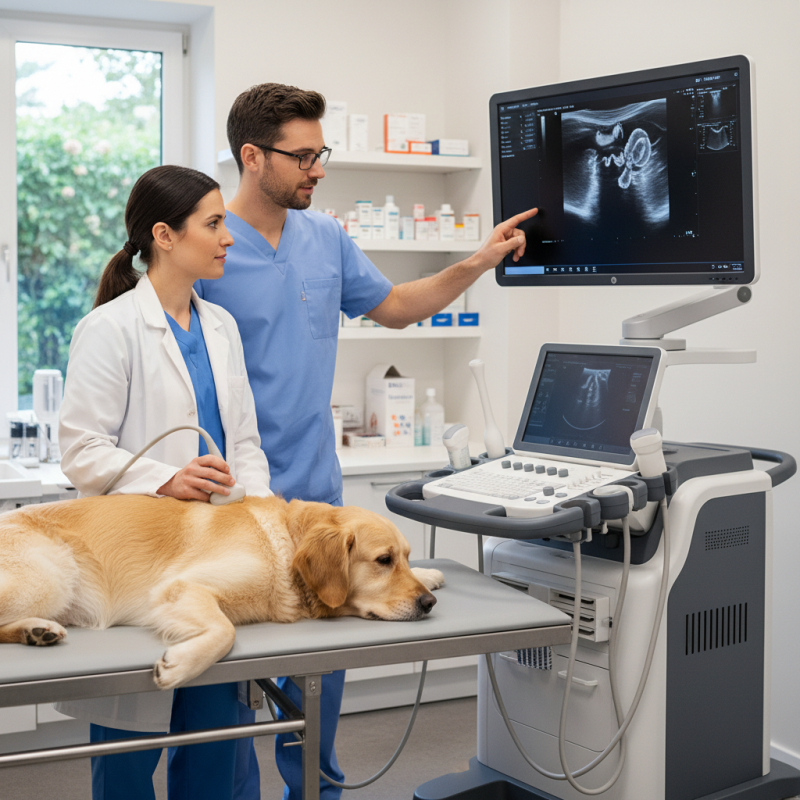
The integration of canine ultrasound machines in veterinary medicine has revolutionized diagnostic practices, allowing veterinarians to assess a pet's internal health quickly and non-invasively. One of the primary benefits of these machines is their ability to provide real-time imaging of the dog's anatomy. This real-time feedback enables swift diagnosis of various conditions, from detecting tumors and verifying pregnancies to assessing heart health. By visualizing internal organs and structures, veterinarians can make informed decisions more rapidly, reducing the time pets need to wait for diagnosis.
Another significant advantage of canine ultrasound technology is its flexibility in use. Unlike some diagnostic techniques that require sedation or are limited to specific conditions, ultrasound can be performed on awake pets with minimal discomfort. This feature not only enhances the pet's experience but also allows for repeated assessments without the risks associated with anesthesia. Furthermore, the non-invasive nature of the procedure ensures that a dog's health can be monitored over time, helping veterinarians to track progress and adjust treatment plans effectively. In this way, canine ultrasound machines represent an essential tool in modern veterinary medicine, improving health care outcomes for dogs and fostering a better understanding of their anatomical and physiological condition.
Enhanced Diagnostic Accuracy for Pet Health Assessments
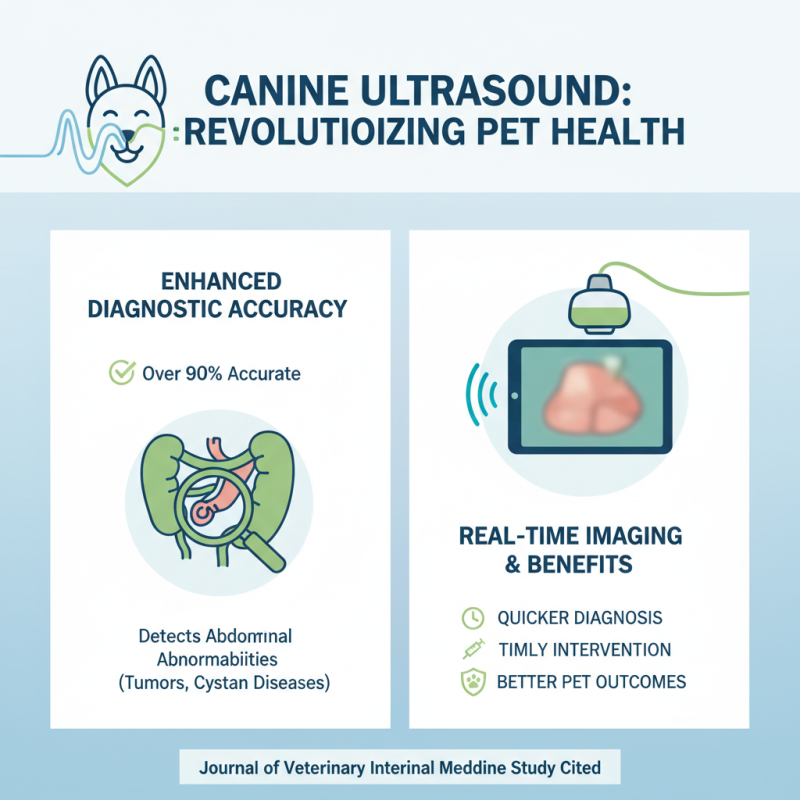
Canine ultrasound machines have revolutionized pet health care by significantly enhancing diagnostic accuracy for health assessments. According to a study published in the Journal of Veterinary Internal Medicine, the accuracy of ultrasound for detecting abdominal abnormalities in dogs is over 90%, which is substantially higher than traditional radiography techniques. This high accuracy ensures that veterinarians can provide timely and appropriate interventions, leading to better outcomes for pets. By harnessing real-time imaging technology, veterinarians can visualize soft tissue structures and organ conditions, facilitating quicker diagnosis of conditions such as tumors, cysts, and other internal diseases.
Tips for pet owners include ensuring regular veterinary check-ups, especially for breeds predisposed to certain health issues. Ultrasound can detect problems before they progress, resulting in less invasive treatment options. Furthermore, educating yourself about potential signs of distress in your pet can prompt earlier consultations with veterinarians, allowing for ultrasound assessments when necessary. Embracing these advanced diagnostic tools as part of routine health care can make a significant difference in a pet's overall well-being.
Non-Invasive Imaging Techniques for Stress-Free Examinations
Non-invasive imaging techniques have revolutionized the way veterinarians approach the health care of pets, particularly with the introduction of canine ultrasound machines. These devices allow for detailed internal examinations without causing stress or discomfort to the animal. According to the American Animal Hospital Association (AAHA), approximately 60% of pets experience anxiety during traditional veterinary visits, which can lead to inaccurate diagnostic results. Canine ultrasound provides a calm alternative that facilitates smoother examinations, ensuring that the focus remains on accurate health assessments.
The technology behind canine ultrasounds uses sound waves to create real-time images of the internal organs, making it invaluable for diagnosing a range of conditions. A study published in the Journal of Veterinary Internal Medicine noted that ultrasound had an accuracy rate of over 90% for detecting abdominal issues in canines. This high level of diagnostic precision significantly enhances veterinarians' ability to pinpoint health problems without invasive procedures that may require sedation or cause additional stress.
Moreover, the increasing demand for advanced diagnostic tools in veterinary medicine is reflected in a report by Grand View Research, which projected that the global Veterinary Ultrasound market will reach over $300 million by 2026. This growth indicates a shift towards prioritizing the welfare and comfort of pets during examinations, reinforcing the vital role of non-invasive imaging techniques in modern veterinary care. By minimizing stress and maximizing accuracy, canine ultrasound machines stand out as a crucial element in ensuring better health outcomes for pets.
Top 10 Benefits of Canine Ultrasound Machines for Pet Health Care
This bar chart illustrates the top 10 benefits of using canine ultrasound machines in veterinary care, highlighting their importance in providing stress-free and non-invasive examinations for pets.
Early Detection of Health Issues in Dogs
Canine ultrasound machines have revolutionized the way veterinarians approach pet healthcare, particularly in the early detection of health issues in dogs. Using advanced imaging technology, these machines allow for non-invasive examination of internal organs, enabling the identification of potential problems before they escalate into serious conditions. Early diagnosis is crucial, as it can significantly enhance the treatment options available and lead to better outcomes for our furry companions.
When considering the implementation of canine ultrasounds in your pet's healthcare routine, there are a few tips to keep in mind. First, regular veterinary check-ups should include discussions about ultrasound as a part of preventative care. This proactive approach can catch underlying health issues that may not be visible through standard examinations.
Second, be observant of any changes in your dog's behavior or health; prompt reporting of these changes to your vet can facilitate timely imaging if necessary. Lastly, educate yourself about the signs that could warrant an ultrasound, such as persistent vomiting, lethargy, or unusual weight loss, to help ensure your pet receives prompt attention.
By harnessing the capabilities of canine ultrasound machines, pet owners can equip themselves with vital tools in safeguarding their dogs' health. The ability to identify issues such as tumors, heart problems, or abdominal conditions early on can lead to more effective treatment strategies and ultimately improve the quality of life for pets.
Monitoring Fetal Development During Pregnancy in Canines
Canine ultrasound machines have become an invaluable tool in monitoring fetal development during pregnancy, providing veterinary professionals with the capability to visualize and assess the health of both the mother and her puppies in real-time. According to a report from the American Animal Hospital Association, early detection of potential complications through ultrasound can significantly improve outcomes for both the dam and her litter, with studies indicating that timely interventions can reduce neonatal mortality rates by as much as 20%.
Routine ultrasound examinations allow veterinarians to confirm pregnancy as early as three weeks into gestation, providing critical information about the number of embryos and their health status. This early insight enables pet owners and veterinarians to create tailored care plans, ensuring that the pregnant dog receives optimal nutrition and medical support. Moreover, ultrasound facilitates the assessment of fetal heartbeats and movement, allowing for the monitoring of developmental progress and early detection of any abnormalities.
Tip: If you're a pet owner, consider scheduling an ultrasound as soon as you suspect your dog is pregnant. This proactive step can help ensure a healthy pregnancy and provide peace of mind about the wellbeing of your future puppies.
Additionally, ultrasound technology has advanced, making it more accessible and efficient for veterinarians. The ability to perform non-invasive assessments means that mothers can remain calm during the process, further enhancing the accuracy of the images obtained. With studies showing a positive correlation between regular ultrasound monitoring and successful birth outcomes, integrating ultrasound into routine veterinary care for pregnant canines is proving to be essential for promoting maternal and neonatal health.
Tip: Always consult with a qualified veterinarian to determine the best timeline for ultrasound exams during your dog's pregnancy, tailoring the process to meet her specific needs for the best health outcomes.
Guiding Treatment Plans with Real-Time Imaging Feedback
Canine ultrasound machines have emerged as a vital tool in veterinary medicine, particularly in guiding treatment plans with real-time imaging feedback. According to a report from the American Animal Hospital Association, over 70% of veterinary practices now utilize advanced imaging techniques like ultrasound to enhance diagnostic accuracy. This capability allows veterinarians to visualize internal structures without invasive procedures, leading to quicker and more effective treatment decisions.
The dynamic nature of ultrasound imaging offers a significant advantage in monitoring pet health. By providing immediate feedback, veterinarians can adjust treatment plans on the fly based on the current condition of the pet, ensuring that care is tailored specifically to the individual. For instance, a study published in the Journal of Veterinary Internal Medicine noted that cases diagnosed with ultrasound had a 30% improved outcome rate when compared to traditional methods. This real-time imaging not only aids in diagnosing conditions but also facilitates ongoing assessments of treatment efficacy, ultimately contributing to better overall health outcomes for canine patients.
Improving Client Communication and Understanding of Pet Conditions
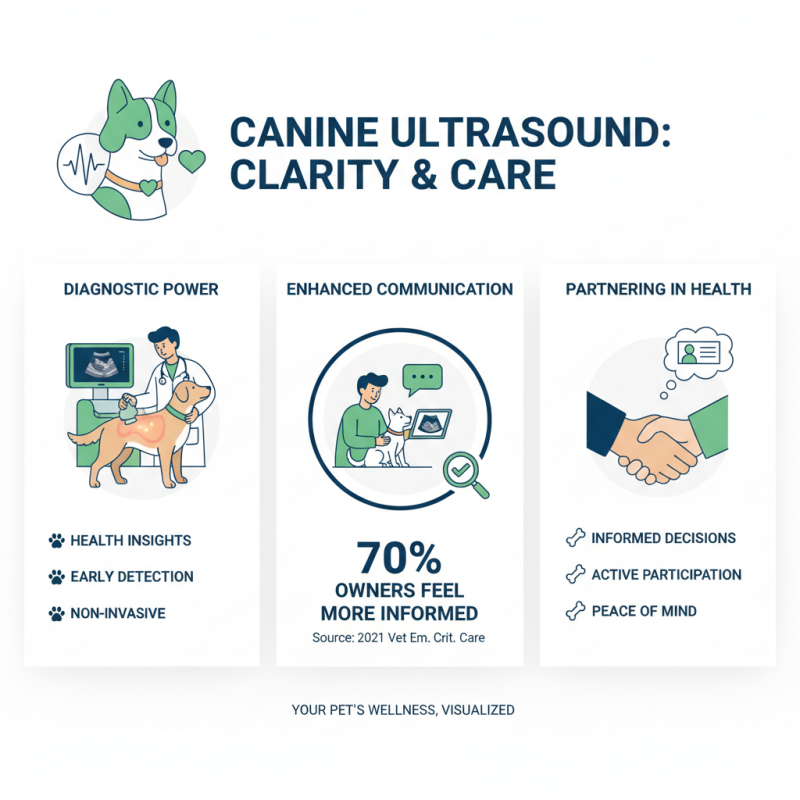
Canine ultrasound machines have become increasingly vital in veterinary practices, not only for diagnosing health issues but also for enhancing communication between pet owners and veterinarians. According to a 2021 study published in the Journal of Veterinary Emergency and Critical Care, approximately 70% of owners reported feeling more informed about their pet's condition after ultrasonic imaging was utilized. This improved understanding allows pet owners to actively participate in their furry friends' care plans.
Incorporating canine ultrasound into practice facilitates clearer communication since images provide concrete evidence of health conditions. With visual aids, veterinarians can discuss findings more effectively, avoiding misunderstandings that might arise from verbal explanations alone. A report from the American Veterinary Medical Association indicates that practices using advanced imaging techniques like ultrasound see a 30% increase in pet owner satisfaction. This highlights the role of imaging in fostering trust and transparency in the veterinary-client relationship.
**Tips:** When discussing an ultrasound with clients, veterinarians should encourage questions to clarify the process and findings. Offering follow-up explanations regarding ultrasound results can further bridge the communication gap. Additionally, showing clients the ultrasound images can demystify the procedure, promoting a more collaborative approach to pet care.
Cost-Effectiveness of Canine Ultrasound in Long-Term Care
The integration of canine ultrasound machines in veterinary practices offers significant cost-effectiveness in the long-term care of pets. By facilitating non-invasive imaging, these machines enable veterinarians to accurately diagnose various health issues in dogs at an earlier stage. Early detection can lead to more focused treatments that often prevent the escalation of diseases, ultimately reducing the need for extensive and expensive surgical interventions or prolonged hospital stays.
Moreover, the use of ultrasound machines can streamline the diagnostic process. With immediate access to high-quality imaging, veterinary clinics can provide timely results, saving both time and additional costs associated with referral to specialty clinics. This efficiency not only benefits pet owners financially but also enhances the overall quality of care for pets. By investing in canine ultrasound technology, veterinary practices can improve their service offerings while ensuring that pet owners receive economical and effective solutions for their animals' health needs.
Top 10 Benefits of Canine Ultrasound Machines for Pet Health Care
| Benefit | Description | Cost Savings Over Time |
| Early Disease Detection | Allows for the detection of conditions like tumors before they become severe. | Reduces long-term treatment costs by addressing issues earlier. |
| Non-Invasive | Provides a safe, non-invasive method to view organs and tissues. | Minimizes need for surgeries which can be more costly. |
| Real-Time Diagnostics | Provides immediate results, allowing for quick treatment decisions. | Reduces the cost of extended diagnostics and follow-ups. |
| Soft Tissue Imaging | Excellent for examining soft tissue structures that X-rays can't clearly show. | Helps avoid costly exploratory surgeries. |
| Enhanced Treatment Planning | Assists veterinarians in planning the most effective treatments. | Improves long-term health outcomes and reduces costs. |
| Guided Procedures | Helps in guiding needle biopsies and fluid drainage procedures. | Increases the precision of treatments, avoiding unnecessary procedures. |
| Accessibility | Portable ultrasound machines can be used in various settings. | Lowers the cost of transport to specialized facilities. |
| Broad Applications | Useful for various conditions including cardiac, abdominal, and musculoskeletal issues. | Reduces the need for multiple diagnostics and consultations. |
| Improved Owner Education | Images can be shown to pet owners to explain conditions clearly. | Empowers owners to make informed decisions, potentially avoiding unnecessary treatments. |
| Improved Workflow | Can streamline the diagnostic process within veterinary practices. | Boosts overall practice efficiency, reducing overhead costs. |
FAQS
: Non-invasive imaging techniques, such as canine ultrasound, allow veterinarians to conduct detailed internal examinations of pets without causing stress or discomfort, improving diagnostic accuracy.
Canine ultrasound provides a calm and accurate alternative for diagnosing health issues in pets, helping to avoid the anxiety that approximately 60% of pets experience during traditional veterinary visits.
Canine ultrasound uses sound waves to create real-time images of internal organs, allowing veterinarians to diagnose various conditions with over 90% accuracy, particularly for abdominal issues.
Yes, ultrasound is essential for monitoring fetal development in pregnant dogs, allowing for early detection of potential complications and better health outcomes for both the mother and puppies.
Veterinarians can confirm a canine's pregnancy as early as three weeks into gestation using an ultrasound, which also provides information about the number of embryos and their health.
Regular ultrasound examinations allow for the monitoring of fetal heartbeats, movement, and development, helping to detect abnormalities early and promoting better maternal and neonatal health outcomes.
Early detection of potential complications through ultrasound can lead to timely interventions, reducing neonatal mortality rates by as much as 20%.
Pet owners should consider scheduling an ultrasound early in the pregnancy to ensure a healthy gestation and receive essential information regarding the welfare of the mother and her puppies.
The advancements in ultrasound technology have made it more accessible and efficient for veterinarians, allowing for non-invasive assessments that keep mothers calm and enhance the accuracy of the results.
Consulting with a qualified veterinarian to determine a suitable timeline for ultrasound exams tailored to the dog's specific needs is key to ensuring the best health outcomes during pregnancy.
Conclusion
The use of the Canine Ultrasound Machine in veterinary medicine has revolutionized pet health care by enhancing diagnostic accuracy for health assessments. This non-invasive imaging technique allows for stress-free examinations, making it easier for veterinarians to identify early health issues in dogs. Furthermore, it plays a crucial role in monitoring fetal development during pregnancy, ensuring the well-being of both the mother and her puppies.
Real-time imaging feedback from the Canine Ultrasound Machine aids in guiding treatment plans, allowing for more tailored and effective interventions. It also improves communication between veterinarians and pet owners, fostering a better understanding of the pet's condition. Additionally, the cost-effectiveness of utilizing ultrasound in long-term care provides significant financial benefits, making it an invaluable tool in ensuring the health and longevity of our canine companions.

 Bovine
 Equine
 Swine
 Ovine
 Pet