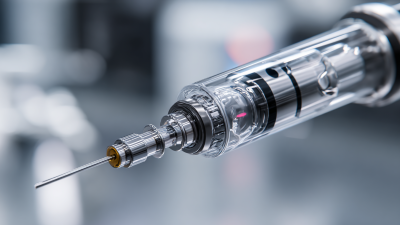
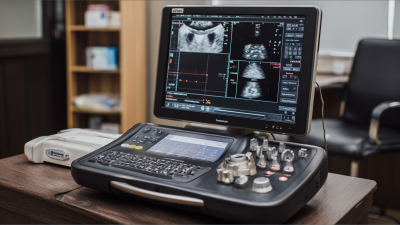
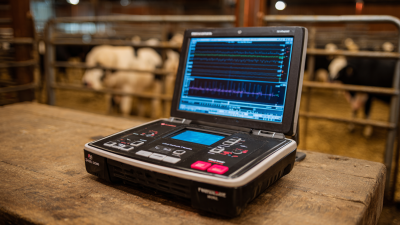
Lately, there's been a lot of exciting progress in medical imaging tech, and one of the coolest innovations right now is the use of Microconvex transducers. These tiny but super efficient devices are actually changing the game when it comes to capturing images in medical settings. They offer better resolution and are much more accessible for doctors and clinicians. At Sichuan Eacenic Science & Technology Group Co., Ltd., we’ve been around since 2009, focusing on designing, making, and selling the latest in veterinary medical electronics — including those important integrated circuits that make Microconvex transducers work so well. We’re really passionate about pushing forward with research and development of core tech, which keeps us at the forefront of medical imaging innovation. In this article, I want to share some of the key benefits of Microconvex transducers — how they make imaging more efficient and, ultimately, help improve patient outcomes in today’s medical diagnostics.

Advancements in Microconvex Transducer Technology for Enhanced Imaging Quality
Lately, there have been some pretty exciting advances in microconvex transducer tech, and honestly, it's really changed the game in medical imaging. These tiny, flexible devices are pretty impressive—they deliver super clear images by really getting a good grip on sound waves. Their curved design isn't just for looks; it actually boosts how deep they can scan and sharpens the detail, which is a huge plus in tricky areas like pediatrics or during pregnancy scans.
Plus, because these transducers are so small, doctors can maneuver them a lot more easily, reaching spots that used to be pretty tough to examine. This kind of innovation is a total lifesaver when it comes to real-time imaging—meaning healthcare pros can make quick calls based on what they see. Better image quality and the ability to pick up on finer details really ramp up diagnostic accuracy. Basically, this helps catch and treat issues earlier, leading to better outcomes for patients overall.
Exploring the Benefits of Microconvex Transducers in Modern Medical Imaging - Advancements in Microconvex Transducer Technology for Enhanced Imaging Quality
| Parameter | Microconvex Transducer | Conventional Transducer |
| Frequency Range (MHz) | 5 - 12 | 2 - 10 |
| Imaging Depth (cm) | 2 - 15 | 5 - 20 |
| Beam Angle | 90° | 60° |
| Resolution (mm) | 1 - 1.5 | 2 - 3 |
| Portability | High | Moderate |
| Applications | Cardiac, Obstetric | Trauma, General Diagnosis |
Benefits of Microconvex Transducers in Diagnosing Complex Medical Conditions
Lately, microconvex transducers have really been making waves as a crucial tool in diagnosing some pretty complex medical issues. They’re small and handy, which means they can get into tight spots where bigger, traditional devices often struggle to get a clear look. The coolest part? They can capture high-resolution images, so doctors can spot those tiny abnormalities—like early tumors or infections—much sooner. Honestly, catching these things early can make a huge difference in patient outcomes, kind of a game-changer these days.
If you're looking to get the most out of these transducers, a couple of tips might help. Regular calibration is key—keeps everything sharp and accurate. Also, using a multi-modal approach, blending ultrasound with other imaging tech like photoacoustic methods, can really boost how well you can analyze tissues. This combo not only ups sensitivity but also gives a fuller picture of what's going on with a patient’s health.
And here's an interesting bit—since the market for medical sensors is expanding, companies like Sichuan Eacenic Science & Technology Group should keep pushing innovation, especially for veterinary healthcare. By developing core tech in this space, they can play a big part in creating better diagnostic tools, for both humans and animals. It’s all about staying ahead and making sure everyone benefits from these advancements.
Comparative Analysis: Microconvex Transducers vs. Traditional Transducer Designs
Microconvex transducers really mark a big step forward in medical imaging, especially when you compare them to the traditional transducer designs we've been used to. One of the coolest things about these little guys is their ability to deliver high-resolution images even in tight spaces or tricky anatomical areas—places where stuff gets complicated. Because they're compact, you can get much closer to the target area, which means the images are sharper and more detailed—super important for making accurate diagnoses. Sure, traditional transducers work fine, but they tend to struggle a bit when it comes to these complex imaging scenarios thanks to their bigger size, which can make maneuvering around difficult zones a pain.
On top of that, the ergonomic design of microconvex transducers really makes a difference for the people using them. They’re lightweight and have a sleek shape, so you can use them for longer without feeling exhausted—pretty nice, right? Old-school transducers can get pretty bulky and uncomfortable after a while, especially during long procedures. Plus, these newer transducers often use advanced materials and tech that boost their sensitivity, helping detect even the tiniest pathological changes. All in all, while both types have their own perks, microconvex transducers really shine when it comes to versatility and top-notch performance in today’s medical imaging world.
Comparative Analysis: Microconvex Transducers vs. Traditional Transducer Designs
Cost-Effectiveness of Microconvex Transducers in Medical Imaging Practices
Microconvex transducers are really changing the game when it comes to modern medical imaging. They’re pretty much revolutionizing the field, mainly because they’re so cost-effective. These small ultrasound devices pack a punch—delivering high-quality images—while keeping equipment costs way down. That means more healthcare places can access advanced diagnostics without breaking the bank. Plus, their compact size makes them super portable, which is a huge plus for point-of-care situations where bulky gear just isn’t practical.
What’s more, the money saved with microconvex transducers isn’t just helping hospitals and clinics out—it’s also sparking innovation in veterinary medicine tech. Companies like Sichuan Eacenic Science & Technology Group Co., Ltd. are really leading the charge by blending the latest technology into vet care. They’re focused on creating affordable yet effective imaging tools, so vets can provide top-notch care without blowing their budgets. All of this ultimately helps improve health outcomes for animals, which is pretty awesome if you ask me.
Future Trends and Innovations in Microconvex Transducer Applications
Microconvex transducers are really turning heads in the world of medical imaging, and it's exciting to see how their applications are expected to grow a lot in the next few years. A recent report from MarketsandMarkets suggests that the worldwide market for ultrasound transducers could hit around $5.6 billion by 2026. Microconvex models, in particular, are gaining a big chunk of that share because they're super versatile and efficient across a bunch of different medical procedures. These little devices pack a real punch—they deliver fantastic image quality while being easy to carry around, which makes them ideal for point-of-care situations or when quick decisions are needed in emergency settings.
Looking ahead, it’s pretty fascinating to see how new tech like advanced signal processing and AI are boosting what these transducers can do. A study by Grand View Research points out that AI algorithms could boost diagnostic accuracy by up to 30%. That’s a game-changer, right? It means they can help provide critical info faster than ever. Plus, with more emphasis on minimally invasive procedures, microconvex tech is poised to be a key player in telemedicine and remote patient monitoring, making healthcare more accessible than ever.
When you're shopping for a microconvex transducer, it’s worth paying attention to its frequency range and bandwidth — these things really affect how good the images will be and how deep into tissue you can see. Also, keep an eye on software updates and improvements; staying current can seriously enhance your equipment’s performance. And don’t forget, training your staff regularly is just as important — it helps them get the most out of the latest tech and improves overall diagnosis efficiency.
Clinical Case Studies Highlighting Microconvex Transducer Effectiveness
Microconvex transducers are really starting to become a key player in modern medical imaging. They bring some pretty cool advantages across a bunch of different clinical settings. Recently, a few case studies have shown just how effective they are at delivering high-resolution images, whether it’s for folks expecting babies or for checking out musculoskeletal issues. One thing I love about these tiny transducers is their compact size—it makes it so much easier to get access in those tight spots inside the body, leading to better diagnoses and, hopefully, better results for patients.

It’s also interesting to see how the demand for more advanced medical sensors is booming. Experts say this market could jump from around $3.06 billion in 2025 to about $4.48 billion by 2030. That growth really lines up with how much people are looking for smarter imaging tech. For example, wireless pressure sensors used in orthopedic nursing are already showing some pretty promising results. When you combine those with cloud tech, it not only makes diagnostics more accurate but also makes monitoring patients way easier. Plus, clinical trials involving tiny, implantable sensors are hinting at a future where drug delivery becomes much more precise and responsive. Honestly, it’s kinda exciting to see how these innovations are shaping the future of healthcare.
All in all, as healthcare keeps evolving, embracing new tools like microconvex transducers and their many uses in imaging will be super important. These tech advances aren’t just pushing clinical practices forward—they also fit into bigger trends in the medical sensors market, where everyone’s talking about creating smarter, more responsive, and more effective healthcare solutions. It’s a pretty exciting time to be in this field!
FAQS
: Microconvex transducers are a type of medical imaging device that provides high-resolution images in confined or complex anatomical regions. They are smaller and more ergonomic than traditional transducers, allowing for better maneuverability, enhanced detail, and clarity necessary for accurate diagnoses.
Microconvex transducers are lightweight and streamlined, reducing fatigue during prolonged use for healthcare providers. In contrast, traditional transducers can be cumbersome, leading to discomfort during long procedures.
Microconvex transducers enable high-quality imaging at lower equipment costs, making advanced diagnostics accessible to more healthcare facilities. Their compact size also enhances portability, facilitating point-of-care applications where larger transducers may not be practical.
Sichuan Eacenic Science & Technology Group focuses on integrating advanced technology into veterinary medicine through the development of affordable and effective imaging solutions. Their efforts aim to support veterinary practitioners in providing quality care while managing operational costs.
Clinical case studies highlight the effectiveness of microconvex transducers across various applications, including obstetrics and musculoskeletal evaluations, where high-resolution images are crucial for accurate diagnoses.
The demand for advanced medical sensors is projected to grow significantly, from $3.06 billion in 2025 to $4.48 billion by 2030, driven by the increasing reliance on sophisticated imaging technologies such as microconvex transducers.
Innovations such as wireless pressure sensors and cloud technology are being integrated with microconvex transducers, enhancing diagnostic accuracy and streamlining patient monitoring.
Clinical studies on minimally invasive implantable sensors indicate that the developments surrounding microconvex transducers could transform drug delivery systems, leading to more responsive and effective medical solutions.
Microconvex transducers are essential in modern medical imaging due to their unique advantages in accessibility, high-resolution imaging, and versatility in diagnosing diverse medical conditions.
The healthcare solutions market is shifting towards more intelligent, responsive, and effective technologies like microconvex transducers, aligning with broader trends in medical sensors and advanced diagnostic technologies.
Conclusion
So, I came across this article called "Exploring the Benefits of Microconvex Transducers in Modern Medical Imaging," and honestly, it’s pretty eye-opening. It talks about how these tiny microconvex transducers have really pushed the boundaries of imaging quality in medical scans lately. Basically, they’re quite a step up from the old-school transducers, offering sharper images and making diagnostics for complicated conditions way more accurate and efficient. And get this — they’re also quite cost-effective, which means healthcare providers might find them to be a smart investment without breaking the bank.
The article doesn’t stop there though. It also dives into where this tech is headed in the future. There’s a lot of hype around new trends and innovations that could make these devices even better down the line. Plus, it’s really cool—they include some real-world clinical case studies that show just how effective microconvex transducers are in actual medical settings. All in all, they seem like a real game-changer in modern diagnostics. Also, with Sichuan Eacenic Science & Technology Group focusing on developing core tech in this area, understanding what these benefits are will be super important for creating the next-gen veterinary medical electronics that rely on microconvex tech.

 Bovine
 Equine
 Swine
 Ovine
 Pet