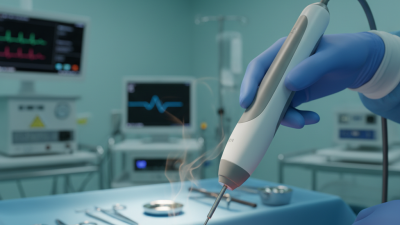
Lately, veterinary practices have been really shifting towards more innovative surgical tools — it’s pretty exciting stuff. One that’s been gaining attention is the Vet Ultrasonic Scalpel. Basically, it’s a device that helps vets be more precise and safer when operating on animals. According to a report from the American Veterinary Medical Association, using these kind of advanced tools can improve surgical outcomes by around 30%. That’s a pretty solid stat and a clear sign that tech is making a real difference for our animal friends.
What’s cool about the Vet Ultrasonic Scalpel is that it works at really high frequencies, giving clean cuts while causing minimal heat damage. That means animals recover faster, which is a big deal in veterinary care. There’s even a study in the Journal of Veterinary Surgery that points out how this tech cuts down on bleeding and makes procedures a lot easier to see and manage.
Of course, switching to new tech isn’t always a walk in the park. Some vets might find the learning curve a bit steep or worry about the cost — I mean, nobody wants to jump into something new without a bit of hesitation. But even with those hurdles, tools like this really show how technology can step up surgical practices overall. The proof’s in the effectiveness and reliability of the device. Still, there’s definitely some stuff to consider around training and implementation.
All in all, embracing innovations like the Vet Ultrasonic Scalpel could really change the game, setting new standards for how we take care of animals during surgery. It’s an exciting time to be in vet medicine, that’s for sure.
Overview of Ultrasonic Scalpel Technology in Veterinary Surgery
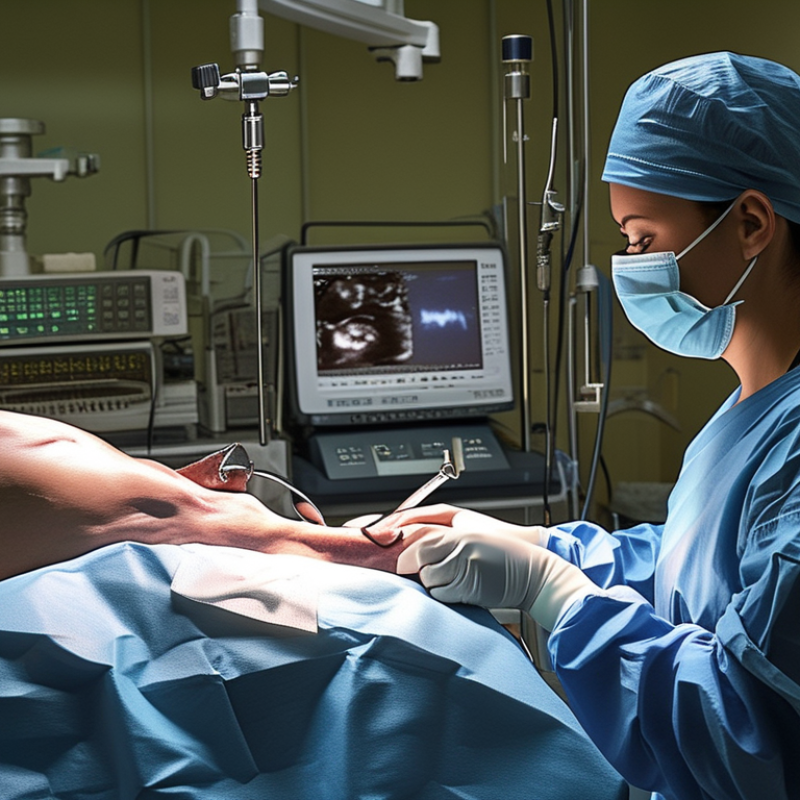
Ultrasonic Scalpel technology has revolutionized veterinary surgery, providing high precision and minimal tissue damage. This innovative tool operates at ultrasonic frequencies, allowing for efficient cutting and coagulation during procedures. The benefits are significant, especially for delicate surgeries. Surgeons can achieve better control while reducing blood loss and speeding up recovery times for pets.
Using an ultrasonic scalpel results in cleaner incisions. Fewer thermal injuries occur compared to traditional methods. Veterinary professionals have noted improved outcomes, including quicker healing and less postoperative pain. However, not every procedure may benefit from this technology. Surgeons should assess each situation critically and choose the appropriate tools accordingly.
**Tip:** Always evaluate the specific needs of the surgery beforehand. Familiarity with the ultrasonic scalpel can enhance performance and safety during procedures. Training sessions can also help refine skills. Additionally, keep communication open with your team to ensure everyone is on the same page about the intended use and techniques involved. This collaborative approach can lead to more successful surgeries.
Advantages of Ultrasonic Scalpel Compared to Traditional Surgical Tools
In recent years, the Ultrasonic Scalpel System has revolutionized surgical practices in veterinary medicine. This system relies on high-frequency ultrasonic vibrations to perform delicate cuts and coagulation. It minimizes damage to surrounding tissues compared to traditional surgical tools. For animals, this results in less pain and faster recovery times, which is always a top priority in veterinary care.
Unlike conventional scalpels, the Ultrasonic Scalpel enhances precision in surgical procedures. Surgeons can operate with increased control, reducing the risk of inadvertent cuts. This reliability is crucial during intricate surgeries. The system also produces a cleaner surgical site, decreasing the likelihood of infections. However, some veterinarians may still prefer traditional methods for familiarity. Learning to use new technology requires adaptation and continuous education.
Despite these advantages, the Ultrasonic Scalpel System is not without challenges. Equipment costs may deter some veterinary practices. Additionally, proper training is essential to maximize its benefits. Surgeons must invest time mastering this technology. Balancing the upfront costs and learning curve with the long-term benefits can present a dilemma for some professionals in the field.
Top Benefits of Vet Ultrasonic Scalpel for Animal Surgery
| Benefit | Ultrasonic Scalpel | Traditional Scalpel |
| Precision Cutting | High precision with minimal tissue damage | Less precision; more tissue trauma |
| Reduced Blood Loss | Cauterizes blood vessels during cutting | Higher risk of bleeding |
| Faster Recovery | Minimally invasive with quicker healing | Longer recovery time due to tissue trauma |
| Improved Visibility | Less smoke and better view of the surgical site | Can create smoke obscuring visibility |
| Versatility | Can be used for a variety of soft tissue surgeries | Limited to specific procedures |
| Less Post-Operative Pain | Minimized nerve damage reduces pain | Higher post-operative pain levels |
Precision and Control Offered by Ultrasonic Scalpels in Animal Procedures
The Ultrasonic Surgical Scalpel is becoming increasingly important in veterinary surgeries. Its design allows for precision cutting with minimal tissue damage. Surgeons control the frequency and intensity of sound waves, ensuring that cuts are clean and effective. This precision leads to faster recovery times for animals, which is critical in surgical procedures.
When using an Ultrasonic Surgical Scalpel, there are a few tips to improve outcomes. First, always assess the specific needs of the procedure. Different surgeries may require varying settings on the scalpel. Understanding the anatomy of the animal helps in making these adjustments effectively. Keeping a steady hand can also enhance control during delicate operations.
While the benefits are significant, there are challenges to consider. Not all veterinarians are trained in using ultrasonic scalpels. This could lead to inconsistent results, which may affect recovery. Even experienced professionals sometimes face difficulties in maneuvering the scalpel in tight spaces. Continuous practice and awareness of these challenges are essential for mastering this advanced tool.
Top Benefits of Vet Ultrasonic Scalpel for Animal Surgery
Reduction of Thermal Damage with Ultrasonic Scalpel Use
The use of an ultrasonic scalpel in animal surgery significantly reduces thermal damage during procedures. This device cuts tissue while simultaneously minimizing heat transfer. Traditional cutting methods can cause thermal necrosis, which can complicate recovery. By using ultrasonic technology, the risk of damaging surrounding tissues is notably lower. This can lead to faster recovery times and better postoperative outcomes.
Veterinarians appreciate the precision offered by ultrasonic scalpels. The fine oscillations allow for controlled incisions, creating minimal disruption in tissue. This is particularly beneficial in delicate surgeries, such as orthopedic or cardiac procedures. There are, however, challenges to consider. The initial learning curve for handling ultrasonic scalpels can be steep, requiring time to master. Surgeons must also adapt their techniques to fully utilize the benefits of this technology.
Another aspect worth reflecting on is the cost of ultrasonic scalpels. While they provide numerous advantages, the financial investment can be significant. Budget constraints might limit accessibility for some veterinary practices. Ultimately, balancing advanced technology with practical considerations is essential for enhancing surgical outcomes while maintaining affordability.
Enhanced Healing and Recovery Times for Animals Post-Surgery
The use of an ultrasonic scalpel in animal surgery is revolutionizing postoperative care. This technology utilizes high-frequency vibrations to cut tissue with precision. As a result, it minimizes damage to surrounding areas. This precision is crucial in delicate procedures, leading to less inflammation. Consequently, animals experience enhanced healing and promote quicker recovery times.
Animals undergoing surgery often face stress, both physically and emotionally. Traditional methods can result in extended recovery periods. However, with an ultrasonic scalpel, the incisions are more refined. This means a lower risk of complications and shorter healing times. Vets report that animals often resume normal activities sooner, which can be vital for overall well-being.
Despite the advancements, the transition to this technology isn't without challenges. Some veterinary professionals might require additional training to master the tool. Additionally, costs associated with ultrasonic scalpels may be a concern for clinics. As with any method, assessing the benefits against potential drawbacks is essential for making informed choices.
Applications of Ultrasonic Scalpels in Various Veterinary Surgeries
Ultrasonic scalpels are becoming increasingly popular in veterinary surgery. Their ability to cut tissues while simultaneously cauterizing blood vessels can reduce bleeding during procedures. This feature provides a cleaner visual field for surgeons, which is crucial in delicate surgeries. When performing orthopedic surgeries on animals, ultrasonic scalpels can efficiently remove bone and soft tissue. This precision minimizes the trauma to surrounding areas, promoting faster healing.
In soft tissue surgeries, such as tumor removals, ultrasonic scalpels are invaluable. They enable surgeons to make precise incisions near sensitive structures. The ultrasonic vibrations help to preserve nerves and blood vessels. However, while these tools enhance surgical outcomes, they may present a learning curve for veterinary professionals. Mastering their use requires training and practice. Some practitioners may find the transition from traditional scalpels challenging. It is essential for veterinarians to continually assess their comfort and proficiency with these instruments.
Cost-Effectiveness and Long-Term Benefits of Using Ultrasonic Scalpels
The use of Harmonic Ultrasonic Scalpels in animal surgery offers significant cost-effectiveness. These tools minimize blood loss and improve healing times. By sealing blood vessels during procedures, they help reduce the need for additional interventions. This ultimately leads to reduced overall expenses. Fewer complications mean shorter hospital stays for animals. Veterinarians appreciate this efficiency, as it enhances patient care.
In addition to financial savings, the long-term benefits are evident. Procedures performed with an ultrasonic scalpel generally result in less postoperative pain. This translates to quicker recoveries for the animals. Many surgeries that once required extensive recovery now allow for faster returns to normal activity. This improvement boosts the quality of life for pets.
However, the transition to using these advanced tools may pose challenges. Initial costs and training can be barriers for some practices. Familiarity with new techniques often requires significant time and effort. This can lead to inconsistencies in outcomes before full proficiency is gained. Thus, while Harmonic Ultrasonic Scalpels show promise, not every veterinary clinic may experience immediate benefits. The learning curve is part of the journey toward better surgical practices.
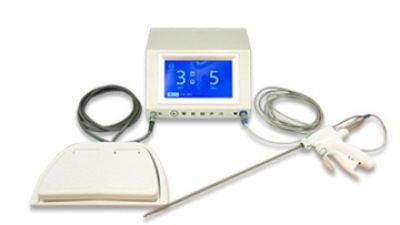
Exploring the ECI-UK500 Veterinary Ultrasonic Scalpel System: Features, Benefits, and Applications in Modern Veterinary Surgery
The ECI-UK500 Veterinary Ultrasonic Scalpel System is revolutionizing the landscape of modern veterinary surgery, offering numerous features and benefits that enhance surgical precision and efficiency. One of the standout features is its use of ultrasonic technology, which utilizes high-frequency vibrations to cut through tissues with minimal thermal damage. This capability not only reduces healing time for patients but also significantly lowers the risk of post-operative complications, making it an invaluable tool in the hands of veterinary surgeons.
Recent reports in veterinary surgical technology suggest that the implementation of ultrasonic scalpels can lead to a decrease in surgery duration by up to 30% compared to traditional methods. This efficiency allows veterinarians to perform more procedures within the same time frame, ultimately benefiting animal health organizations and their clients. The ECI-UK500 is not just about speed; its precision cutting is essential for delicate surgical procedures, such as soft tissue surgeries, where preserving surrounding structures is critical.
Furthermore, the versatility of the ECI-UK500 system makes it applicable in various contexts, from routine spays and neuters to more complex surgeries like tumor removals or orthopedic interventions. According to a study published in the Journal of Veterinary Surgery, surgical tools that minimize blood loss can significantly improve postoperative recovery quality for animals. As such, the ECI-UK500 stands as a testament to the advancements in veterinary surgical technologies, paving the way for safer and more efficient surgical protocols in veterinary practices worldwide.
FAQS
: They offer precision cutting and minimal tissue damage. This leads to faster recovery times for animals.
Assess the procedure's needs and adjust settings accordingly. A steady hand during operations is crucial.
Not all veterinarians are trained, leading to inconsistent results. Maneuvering in tight spaces can be difficult.
They minimize pain and allow for quicker recoveries, enhancing pets' quality of life post-surgery.
Yes, they reduce blood loss and the need for additional interventions, lowering overall costs for clinics.
Initial costs and training requirements can hinder some practices. Familiarity takes time, leading to potential inconsistencies.
Absolutely. Training ensures better outcomes and mastery of the instrument. Ongoing practice is necessary for proficiency.
Each surgery has unique requirements. Understanding the animal's anatomy can guide these adjustments effectively.
No, the learning curve means benefits may not be immediate for all clinics. Transition can be challenging.
Its design allows for effective cuts and less tissue damage. This precision is key for successful surgical outcomes.
Conclusion
The article "Top Benefits of Vet Ultrasonic Scalpel for Animal Surgery" highlights the advancements in ultrasonic scalpel technology within veterinary practices. This innovative tool offers distinct advantages over traditional surgical instruments, including improved precision and control during procedures. The use of the Vet Ultrasonic Scalpel significantly minimizes thermal damage to surrounding tissues, promoting better healing and faster recovery times for animals post-surgery.
Moreover, the article discusses the diverse applications of ultrasonic scalpels in various veterinary surgeries, showcasing their versatility and effectiveness. Additionally, the cost-effectiveness and long-term benefits of adopting the Vet Ultrasonic Scalpel are emphasized, making it an attractive option for veterinary professionals aiming to enhance surgical outcomes while also considering budgetary constraints.

 Bovine
 Equine
 Swine
 Ovine
 Pet