inquiry
Leave Your Message
0%

Lately, there's been a real uptick in folks looking for portable medical imaging gadgets. The Handheld Ultrasound Probe has kinda become a game-changer when it comes to diagnostics. These little devices are super handy—they make on-the-spot quick checks much easier and more convenient. You know, being able to carry them around means you don’t have to always rely on big machines in a hospital setting.

Big names like Philips and GE have rolled out some pretty advanced models, and honestly, their designs focus a lot on making things user-friendly while still pumping out clear, high-quality images. That said, some experts do raise questions about how accurate these handhelds are compared to the traditional setups. It’s a reminder that tech keeps evolving, and there's always room for improvement.

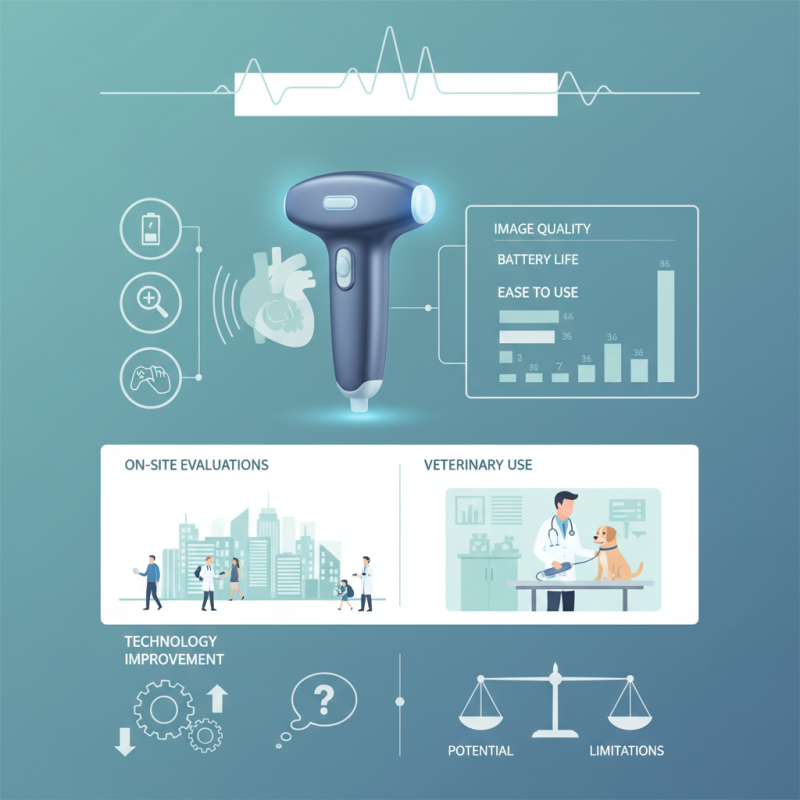
Picking the right device isn’t exactly straightforward—you gotta think about image quality, how long the battery lasts, and how easy it is to handle. The Handheld Veterinary Ultrasound scene is also getting a boost from these innovations, which really helps in providing essential care for animals. All in all, while handheld ultrasound solutions are super promising, they also come with some limitations worth considering.
Best Handheld Ultrasound Probe for Quick Medical Imaging?

Comparison of Top-Rated Handheld Ultrasound Probes for Medical Imaging

Handheld ultrasound probes have revolutionized medical imaging. These devices are designed for portability and ease of use. They cater to various medical fields, enhancing patient care. Recent data from the Medical Imaging Corporation reported that handheld ultrasound devices have increased efficiency in emergency departments by up to 40%. This rapid imaging can aid in quicker diagnoses and treatment decisions.

When comparing top-rated handheld ultrasound probes, some features stand out. A lightweight design is crucial for ease of handling. Battery life remains a significant consideration for healthcare providers. Nurses often use these probes in urgent situations. The Wifi Ultrasound Probe is particularly noted for its wireless connectivity. This feature allows real-time sharing of images with specialists, even from remote locations. However, it’s essential to evaluate the limitations of these probes, such as image resolution compared to traditional systems.

Cost is another critical aspect in the selection process. While many handheld probes offer advanced features, the price can be a barrier for smaller clinics. A recent survey indicated that up to 25% of healthcare practices hesitate to invest in new imaging technologies due to budget constraints. Understanding these limitations can guide medical professionals in making informed choices.

Best Handheld Ultrasound Probe for Quick Medical Imaging

Model Image Quality Battery Life Weight Price Range
Probe A High 10 hours 0.6 kg $2000 - $2500
Probe B Medium 8 hours 0.5 kg $1500 - $2000
Probe C Low 5 hours 0.4 kg $1000 - $1500
Probe D High 12 hours 0.7 kg $2500 - $3000

Key Features to Consider When Choosing a Handheld Ultrasound Probe

When selecting a handheld ultrasound probe, several key features must be prioritized to ensure effective medical imaging. Portability is crucial. A lightweight design enhances maneuverability, allowing healthcare professionals to use it in various settings. Many units weigh under 1 kg, improving usability without sacrificing performance.

Battery life should also be considered. Probes that last for several hours on a single charge can provide greater flexibility in clinical environments.

Image quality is another significant factor. High-resolution imaging can aid in accurate diagnoses. Studies indicate that systems with at least 12-bit depth offer noticeably clearer images. Additionally, probes with multiple frequency options cater to diverse patient needs and specific conditions. User-friendly interfaces are vital too. Ease of use directly impacts the time taken for examinations. Reports highlight that training time is reduced by up to 50% for devices designed with intuitive controls.

Moreover, think about connectivity. Modern handheld probes should support wireless data transfer. This feature allows instant sharing of images with specialists, fostering collaborative care. Some devices have limited connectivity options, which can hinder patient management. Careful consideration of these features can elevate diagnostic accuracy while ensuring convenience for both medical staff and patients.

Impact of Portability on Diagnostic Accuracy in Handheld Ultrasound Devices

Best Handheld Ultrasound Probe for Quick Medical Imaging?

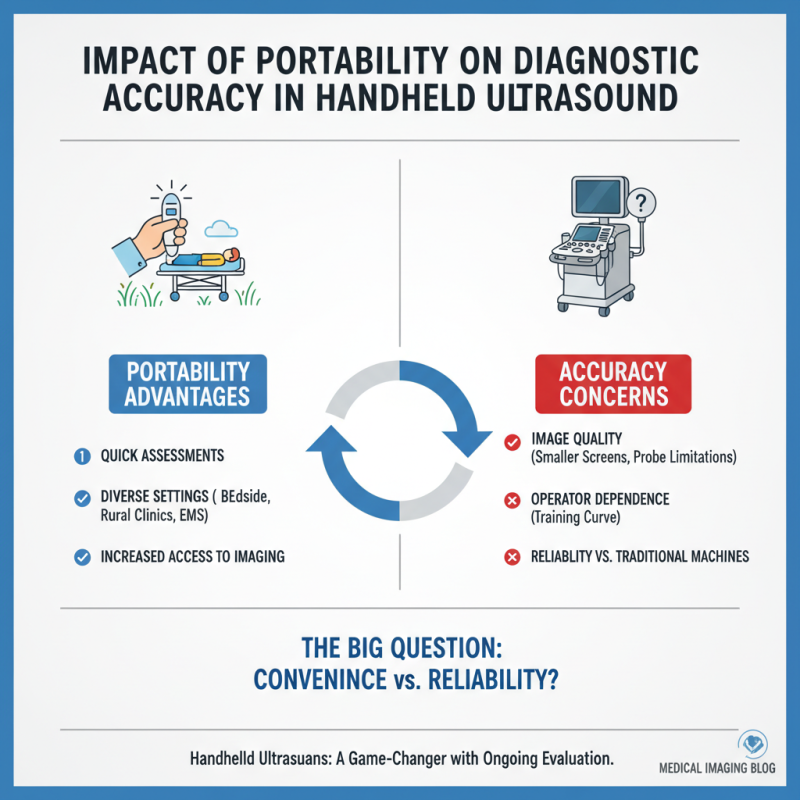
Handheld ultrasound devices are transforming medical imaging. Their portability allows for quick and efficient assessments in diverse settings. However, the impact of this convenience on diagnostic accuracy is a pressing concern. Many healthcare providers question whether compact devices can offer the same reliability as traditional machines.

Portable devices, such as Convex Probe Ultrasound systems, provide rapid imaging, but the results can vary. Ease of use is a double-edged sword. While training is simpler, the quality of images may be subpar in some cases. Techniques might differ, and operators may unintentionally overlook key details. Quick scans can miss critical conditions that warrant further examination.

This scenario raises questions about the role of handheld ultrasound in patient care. Can speed and portability outweigh potential diagnostic pitfalls? As technology advances, it will be crucial to balance accessibility with accuracy. Ongoing evaluations of how these devices perform in clinical settings are necessary. A reliable handheld ultrasound can be a game-changer. Yet, there’s a fine line between convenience and precision that must be carefully navigated.

Performance Metrics: Resolution, Frequency, and Penetration Depth Explained

When selecting a handheld ultrasound probe, it's crucial to understand key performance metrics. Resolution plays a significant role in the image quality. Higher resolution provides clearer and more detailed images. However, it comes at the cost of potentially reduced penetration depth. This could limit its effectiveness in deeper tissues.

Frequency is another important factor. Probes with higher frequencies yield better resolution but lower penetration depth. Ideal for superficial structures, they might fail in deeper examinations. Conversely, lower frequency probes penetrate deeper but compromise on image clarity. Finding the right balance in frequency is essential for effective imaging.

Penetration depth varies significantly among probes. A probe must balance resolution and depth based on patient needs. Sometimes, compromises lead to subpar imaging quality. Healthcare providers often have to choose based on specific clinical scenarios. Reflection on these choices is necessary to enhance diagnostic accuracy and patient care.

Clinical Applications of Handheld Ultrasound Probes in Emergency Medicine

Handheld ultrasound probes have transformed emergency medicine by providing quick, bedside imaging. These devices are intuitive and enable clinicians to make faster decisions. For instance, studies show that acute care providers can improve patient outcomes by using handheld devices.

Clinical applications include assessing trauma, guiding procedures, and monitoring internal bleeding. In emergencies, every second counts. Handheld ultrasound can quickly identify conditions like pleural effusion or cardiac tamponade. The data suggests that using these probes can reduce time to diagnosis by up to 30%.

Tips: Always ensure proper training when using handheld probes. Familiarity with the device increases diagnostic accuracy. For specific conditions, such as prostate evaluation, a Rectal Ultrasound Probe can provide essential imaging.

Practice on various patient sizes to refine techniques. Every imaging examination is an opportunity for learning. Mistakes can happen. Acknowledging errors leads to better skills.

User Experience: Ergonomics and Usability in Handheld Ultrasound Devices

Best Handheld Ultrasound Probe for Quick Medical Imaging?

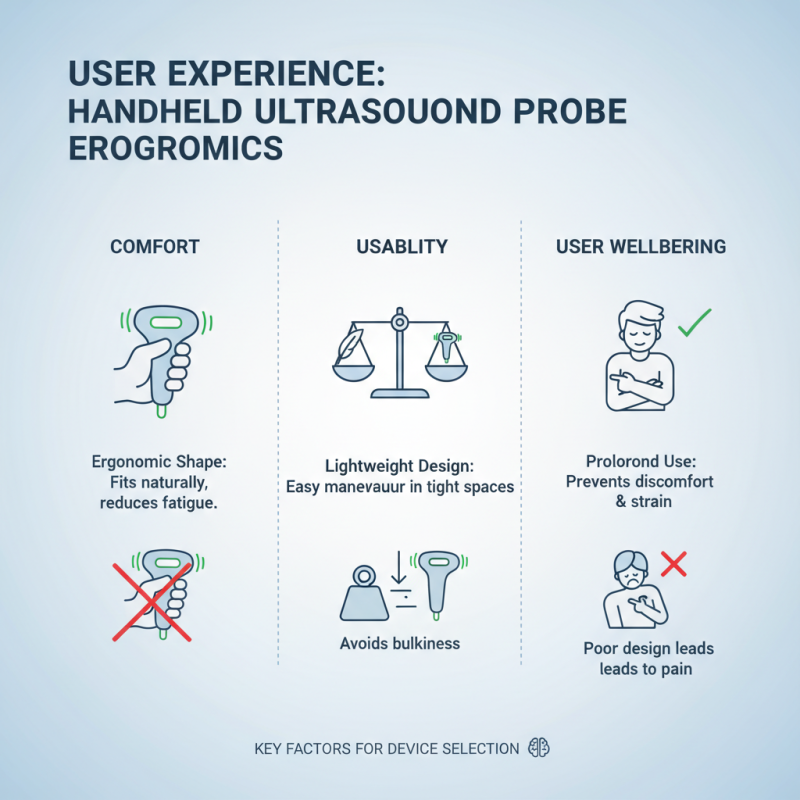
When choosing a handheld ultrasound probe, ergonomics and usability are crucial. The design must fit comfortably in hand, reducing fatigue during prolonged use. A lightweight structure is essential, but not all devices achieve this balance. Some probes feel too bulky, making them hard to maneuver in tight spaces. Users often report discomfort after using a poorly designed probe for extended periods.

Interface simplicity also plays a significant role in usability. Touchscreens can offer quick access to functions, but responsiveness varies. A laggy interface can frustrate users when immediate imaging is needed. Another common issue is the positioning of buttons. They should be intuitive and easily accessible without taking the user’s eyes off the screen. Confusing layouts may require extra training, hindering efficiency in real-world scenarios.

Moreover, adequate feedback during scans is essential. A probe that's too silent can lead to uncertainty about its performance. Vivid visual cues on the display can enhance the user experience. However, excessive complexity or clutter on the screen can overwhelm operators. Striking a balance between detail and clarity is vital. The effectiveness of the Sector Probe Ultrasound depends not only on its imaging capabilities but also on how seamlessly it integrates into the clinician's workflow.

Future Innovations in Handheld Ultrasound Technology for Healthcare Professionals

Handheld ultrasound technology is transforming healthcare. It offers quick imaging at the point of care. This innovation allows professionals to evaluate patients rapidly without the need for bulky machines. The size and portability enhance accessibility in various settings, like emergency departments and remote clinics.

Future advancements focus on improving image quality. Researchers aim to refine algorithms for better clarity. These enhancements could help in diagnosing conditions more accurately. The integration of AI may support doctors in interpretation. However, reliance on technology raises questions about training. Are healthcare providers fully equipped to use these devices? More training may be necessary to maximize effectiveness.

Another area of growth is connectivity. Handheld devices can potentially link to electronic health records for immediate analysis. This feature promotes efficient patient management. However, privacy concerns must be addressed. How can we ensure data security with increased connectivity? These challenges present an opportunity for further discussion and development.

Enhancing Veterinary Diagnostics: The Impact of ECI-3000A+ Waterproof Ultrasound on Animal Health Management

The advancement of veterinary diagnostics is crucial for effective animal health management, and innovations like the ECI-3000A+ waterproof ultrasound system are proving to be game-changers in this field. Equipped with 80 elements and 16 channels, this device delivers exceptional imaging and accurate detection, making it an invaluable tool for veterinarians. Enhanced clarity in images allows for precise assessments of various conditions that animals may face, ultimately leading to improved treatment outcomes.

One of the standout features of this ultrasound system is its IPX6 waterproof rating, which ensures that it can withstand rigorous environments often encountered in veterinary settings. The waterproof interface with secure plugs further enhances its durability, allowing veterinarians to conduct examinations in diverse conditions without fear of equipment failure. Additionally, the design includes a removable and replaceable battery, ensuring that the device remains operational for extended periods, which is critical in emergency situations or when dealing with various animal cases.

Moreover, the integration of a back-fat measurement function caters specifically to the needs of livestock management. Understanding the health and nutritional status of animals is fundamental for farmers and veterinarians alike. This feature allows for quick and easy assessments, enabling effective monitoring and management of animal health. Together, these innovations in veterinary diagnostics represent a significant leap forward, enhancing the capabilities of professionals in safeguarding animal well-being and optimizing health management practices.

FAQS

: What should I consider when choosing a handheld ultrasound probe?

: Prioritize portability, battery life, image quality, user interface, and connectivity.

Why is portability important in ultrasound probes?

Lightweight designs allow easier maneuverability in various medical settings.

How does battery life affect usability?

Probes lasting several hours on a charge offer more flexibility during examinations.

What image quality should I expect from a good probe?

Aim for systems with at least 12-bit depth for clearer images.

How important is a user-friendly interface?

An intuitive design can cut training time significantly, enhancing diagnostic efficiency.

What are some common uses of handheld ultrasound in emergencies?

They help assess trauma, guide procedures, and monitor internal bleeding quickly.

How can handheld ultrasound improve patient outcomes?

They can reduce diagnosis time by up to 30%, facilitating faster interventions.

What future innovations are expected in handheld ultrasound technology?

Improvements in image quality and AI integration are on the horizon.

Are healthcare providers adequately trained to use these devices?

Many may lack the necessary training, impacting their effectiveness.

How will connectivity affect patient data management?

Linking devices to health records can enhance efficiency but raises privacy concerns.

Conclusion

The article titled "Best Handheld Ultrasound Probe for Quick Medical Imaging?" provides a comprehensive comparison of top-rated handheld ultrasound probes, focusing on their key features and clinical applications. Key considerations for selection include resolution, frequency, and penetration depth, all crucial for accurate diagnostics in emergency medicine. The impact of portability on diagnostic accuracy highlights the importance of these devices in fast-paced medical environments.

Additionally, the article examines user experience factors such as ergonomics and usability, which are vital for healthcare professionals who rely on handheld ultrasound probes in their practice. Finally, it explores future innovations in this technology that promise to enhance the effectiveness and accessibility of medical imaging, ensuring that healthcare providers can deliver optimal patient care.


Lila

Lila

Lila is a dedicated marketing professional at Sichuan Eacenic Science & Technology Group Co., Ltd., a company established in 2009 that specializes in the design, manufacture, and sales of veterinary medical electronics and integrated circuits. With a strong focus on research and development, Lila......
Previous Understanding the Technical Specifications of the Best Cattle Ultrasound Machine and How to Choose the Right One