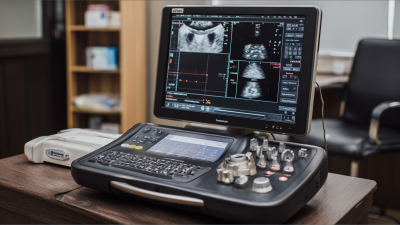
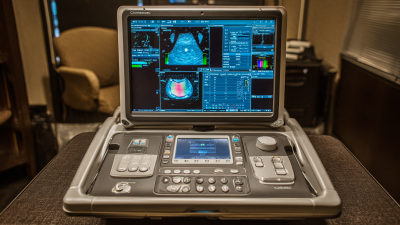
You know, in the world of veterinary medicine that's constantly changing, having top-notch diagnostic tools like the Pet Ultrasound Machine really can’t be overemphasized. I came across a recent report from Grand View Research that predicts the global veterinary ultrasound market will hit around 468.81 million USD by 2027. That’s pretty impressive, and it’s mainly driven by the growing demand for non-invasive imaging options for our furry friends. Speaking of companies pushing this forward, Sichuan Eacenic Science & Technology Group Co., Ltd., which has been around since 2009, is definitely making a mark. They focus on designing, manufacturing, and selling veterinary medical electronics and chips, and their dedication to R&D keeps them ahead in this game. More and more pet owners and vets are on the lookout for reliable, high-quality ultrasound machines, so it really pays to weigh your options carefully. Making an informed choice here can seriously make a difference in pet care—and that’s what it’s all about, right?
Advantages of Using Ultrasound in Veterinary Medicine for Pets
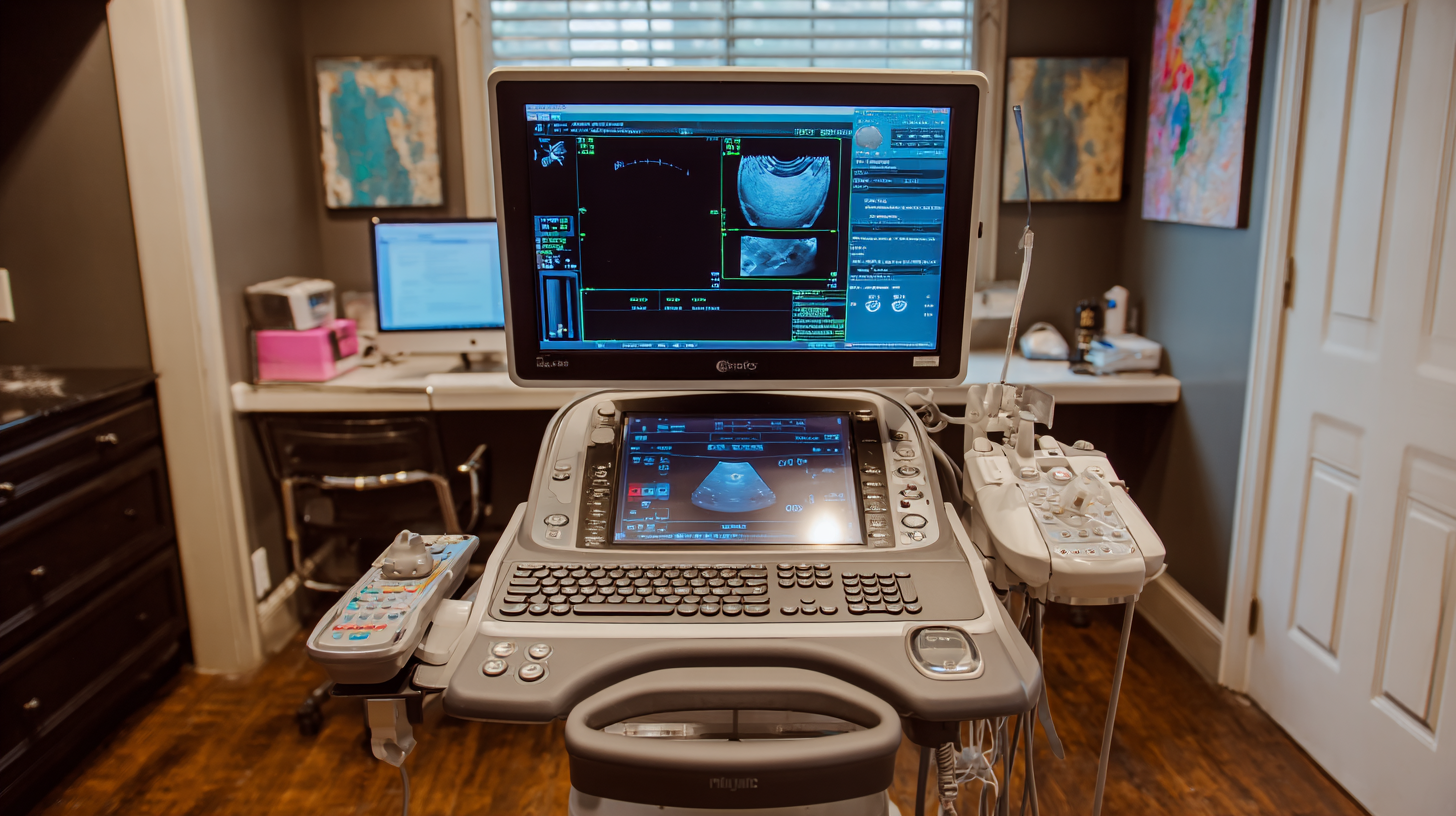
Ultrasound tech has truly changed the game in veterinary medicine. It’s like giving vets and pet owners a super-smart way to look inside animals without causing any pain or stress. One of the coolest parts? It shows real-time images, so vets can quickly check out what's going on inside—no need for invasive procedures or putting pets through unnecessary discomfort. This makes a huge difference, especially when diagnosing stuff like heart problems, tumors, or tummy issues.
Plus, ultrasound allows for catching health problems early on, which can seriously boost how successful treatments are. Since it provides a pretty clear view of soft tissues and organs, vets can spot things that traditional X-rays might miss. And for older pets or those with ongoing health issues, regular ultrasounds can be a real lifesaver—helping catch any changes early so they can be dealt with right away. All in all, adding ultrasound to vet clinics makes caring for our furry friends way better—more efficient, gentle, and effective. It’s like giving our pets the best shot at a happy, healthy life.
Comparison of Ultrasound Benefits in Veterinary Medicine for Pets
Key Features to Consider When Choosing Pet Ultrasound Machines
When you're choosing a pet ultrasound machine, there are a few key features you really want to keep in mind. First off, image quality is super important—having high-res images means vets can get a clear look at internal organs and catch any potential health issues early on. It’s also a good idea to look for machines that come with advanced imaging tech like Doppler and 3D imaging; these can totally take your diagnostic game to the next level.
Portability is another thing to think about. If you’re running a mobile veterinary practice, a lightweight, battery-powered unit might be a lifesaver. But if most of your work happens in the clinic, then a more stationary machine could be the way to go. Plus, don’t forget about how easy it is to operate—an intuitive interface can really save you time during busy examinations. And finally, make sure the machine comes with solid support—things like training resources and good customer service—they can make all the difference when it’s time to get the most out of your new equipment and take care of your furry patients.
Evaluating the Best Pet Ultrasound Machines: A Comprehensive Industry Comparison Guide
| Feature | Machine A | Machine B | Machine C | Machine D |
| Frequency Range (MHz) | 5-10 | 3-12 | 2-8 | 4-9 |
| Image Resolution (pixels) | 1024x768 | 1280x1024 | 800x600 | 1024x768 |
| Weight (lbs) | 15 | 20 | 12 | 18 |
| Battery Life (hours) | 4 | 5 | 6 | 4.5 |
| Price ($) | 2000 | 2500 | 1800 | 2200 |
Cost-Effectiveness of Pet Ultrasound Machines in Veterinary Practices
When it comes to veterinary practices, the affordability of pet ultrasound machines really matters—both for diagnosis and treatment. Lately, industry reports are signaling that the market for vet ultrasound equipment is set to grow pretty steadily, with a CAGR of around 6.5% from 2021 through 2026. This bump in growth! Basically, more pet owners are seeking reliable, non-invasive ways to check their furry friends’ health. Ultrasound machines are playing a big part here because they offer accurate results without the need for invasive procedures, which can save both time and money.
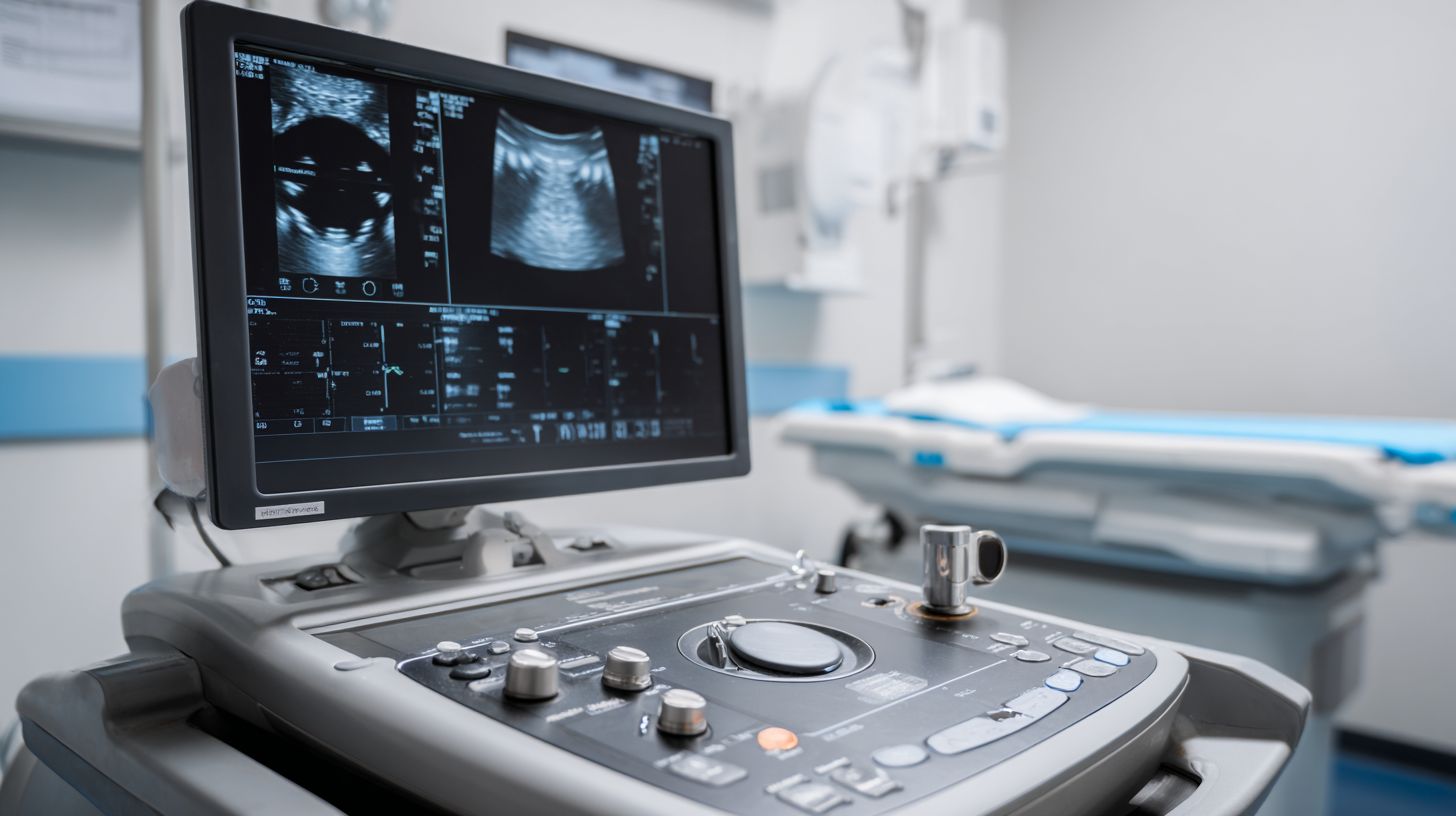
Now, Sichuan Eacenic Science & Technology Group Co., Ltd. is definitely a company to keep an eye on in this space. They’ve been focused on designing and building veterinary medical electronics since 2009. Over the years, they’ve poured a lot into R&D to make their ultrasound tech more cost-effective. Thanks to cutting-edge innovations, their ultrasound solutions help vet clinics cut down on operational costs while boosting diagnostic precision. This means vets can provide better care for their animal patients without breaking the bank. Their commitment to staying ahead with new tech really helps clinics strike that smart balance between budget and quality care.
Comparative Analysis of Top Pet Ultrasound Brands in the Market
When it comes to diagnosing health issues in pets, having the right ultrasound machine really makes a huge difference for vets. With so many brands out there, it can feel a bit overwhelming trying to pick the best one. Looking at a quick comparison definitely helps you spot which options are best suited for your veterinary practice. You see, each machine is different—some offer sharper images, others are super portable, and some come packed with extra features. That’s why it’s so important to choose something that fits your clinic’s specific needs.
Big names like GE, Philips, and Mindray often stand out because of their pretty advanced imaging tech and easy-to-use interfaces. Take the GE LOGIQ e, for example—it’s known for its really clear images and being lightweight, so it’s perfect if you’re on the go with mobile veterinary work. On the flip side, Philips ultrasound machines come loaded with smart software that can really boost your diagnostic game by giving more detailed info, which can make diagnoses more accurate. Then there's Mindray—it's often more budget-friendly but still reliable, so clinics that want good quality without breaking the bank tend to go for it. Comparing these brands helps vets make smarter decisions, making sure their furry patients get the best possible care.
Impact of Ultrasound Technology on Pet Health Diagnostics
You know, advancements in ultrasound tech have really changed the game when it comes to pet health diagnostics. Veterinarians now have such handy tools for non-invasive checks—it's pretty amazing. I read in a report from the American Veterinary Medical Association that over the past decade, the use of ultrasound in vet clinics has gone up by more than 50%. That really shows just how important it’s become for diagnosing stuff like stomach problems, heart issues, or even monitoring pregnancies in our furry friends.
And get this—there was a recent study published in the Journal of Veterinary Emergency and Critical Care that found ultrasound can boost diagnostic accuracy by up to 70%, compared to just the regular exam. That kind of precision is a total game-changer because it means vets can jump on treatment faster, which could literally save a pet’s life when things are critical. As these machines get more affordable and high-tech, their role in catching diseases early on becomes even more crucial. With better imaging and analysis, not only can pet owners provide better care, but overall, it just leads to healthier, happier animals.
Honestly, it’s pretty exciting to see how technology like this is making such a difference in our pets’ lives.
User Feedback: Experience with Pet Ultrasound Machines in Clinics
You know, when it comes to pet ultrasounds, feedback from vets and clinic staff really makes a difference. It’s like hearing firsthand how these machines perform in real-life situations. I came across a recent industry report by Grand View Research that says the global market for veterinary ultrasound equipment was worth about $56 million back in 2022—and it’s expected to grow a lot. That’s mainly because there’s a rising demand for diagnostic imaging in vet clinics. From what clinic staff shared, the most important things are reliability and good image quality — those really help vets make accurate diagnoses. Interestingly, a survey by the American Veterinary Medical Association found that around 68% of vets see ultrasound as pretty much essential for caring for their patients. It just goes to show how crucial it is to choose a machine that lives up to those clinical standards.
But it’s not just about the hardware itself; users also stress how vital proper training and support are. Clinics often say that when staff get thorough training, it makes a huge difference in how easy and effective the equipment is to use. There was a study in the Journal of Veterinary Internal Medicine that found practices with high satisfaction levels often pointed to ongoing professional development as a key reason. So, investing in ultrasound isn’t just about grabbing the newest tech — it’s also about creating an environment where everyone knows how to use it properly, which ultimately leads to better care for the animals.

Revolutionizing Veterinary Medicine: The ECI-V1 Intelligent Wireless Animal Ultrasound Probe
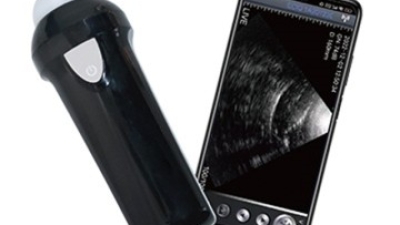
In the fast-evolving field of veterinary medicine, the introduction of the ECI-V1 Intelligent Wireless Animal Ultrasound Probe marks a significant milestone. This revolutionary device leverages the latest wireless data transmission technology, enabling veterinarians to enhance their diagnostic capabilities and improve patient care. Traditionally, ultrasound technology has been tethered by cables and bulky equipment, which often limited its accessibility and ease of use. The ECI-V1 probe, however, breaks away from these constraints, providing a portable and intuitive solution for veterinary practitioners.
The ECI-V1 probe is primarily designed for the critical task of pregnancy detection in animals such as pigs and sheep, where early diagnosis can lead to better herd management and improved production outcomes. According to industry reports, efficient pregnancy detection can increase the reproductive rates of livestock by up to 20%, significantly impacting the overall profitability of farms. By integrating advanced imaging features with wireless convenience, the ECI-V1 ensures precise monitoring while reducing the stress often associated with traditional ultrasound procedures.
In addition, as the global veterinary ultrasound market is projected to reach USD 1.53 billion by 2025, tools like the ECI-V1 are positioned to meet the growing demand for innovative veterinary solutions. The ability to seamlessly integrate with existing veterinary practices not only streamlines workflow but also sets a new standard for animal healthcare, underscoring the importance of technological advancements in enhancing veterinary services worldwide.
FAQS
: Ultrasound offers real-time imaging, allowing for non-invasive assessments of internal organs, which minimizes stress for pets. It enhances early detection of medical issues and can effectively diagnose conditions like cardiac problems, tumors, and abdominal disorders.
By enabling early detection of medical problems through clear visualization of soft tissues and organs, ultrasound allows for timely interventions, which can significantly improve treatment outcomes.
Key features include image quality (high-resolution imaging), portability (lightweight units for mobile services), ease of use (intuitive interfaces), and a robust support system (training and customer service).
Ultrasound technology has transformed pet health diagnostics, with its integration in veterinary practices increasing by over 50% in the last decade, reflecting its growing importance in diagnosing various conditions.
Studies show that ultrasound can enhance diagnostic accuracy by up to 70% compared to traditional methods, allowing for better assessment and treatment of conditions.
Regular ultrasound examinations can help monitor the health of aging pets or those with chronic conditions by detecting changes in their condition promptly.
Portability is crucial for mobile veterinary services, as a lightweight, battery-operated unit allows for exams in various locations, improving accessibility for pets in need of care.
Look for machines that offer Doppler and 3D imaging capabilities, as these advanced technologies significantly enhance diagnostic capabilities.
By providing efficient and effective diagnostic tools, ultrasound enhances the quality of care and health outcomes for pets, leading to improved overall well-being.
A robust support system, including training resources and responsive customer service, ensures veterinarians can maximize the use of ultrasound machines for their patients' needs.
Conclusion
When it comes to veterinary medicine these days, the Pet Ultrasound Machine has really become an indispensable tool for better diagnosing our furry friends. This guide is here to walk you through the different benefits of using ultrasound tech — like how it’s non-invasive and gives real-time info about a pet’s health. If you're picking out a pet ultrasound device, things like image clarity, portability, and how easy it is to operate are super important — they can really affect how cost-effective it is for your practice.
Also, taking a look at the top brands out there shows us that each one has different features and user experiences. This can make a big difference in how well the diagnosis and treatment go. By understanding these differences, vets can make smarter choices that help improve pet care. At Sichuan Eacenic Science & Technology Group, we’re all about helping advance veterinary medical electronics to make a real difference for animals and their owners.

 Bovine
 Equine
 Swine
 Ovine
 Pet