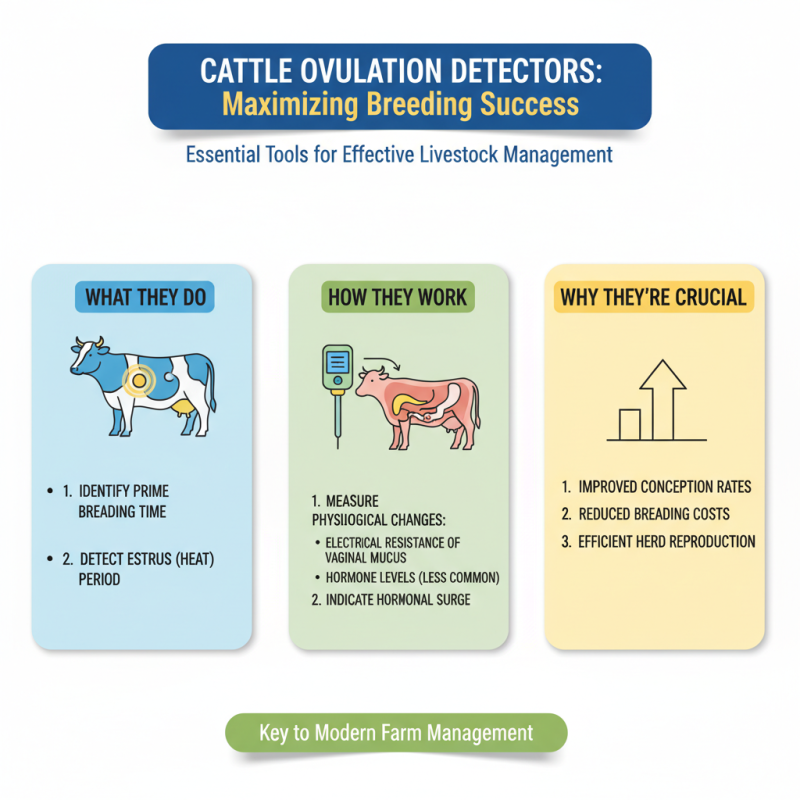
Cattle reproduction is pretty much the cornerstone of any livestock operation. If you understand how it works, you’ll find it much easier to boost your productivity. One handy tool in this game is the Cattle Ovulation Detector. It’s designed to help farmers keep an eye on their cattle’s breeding cycles. With the right tech in your corner, reaching precision in breeding becomes totally doable.
So, here’s the scoop: the Cattle Ovulation Detector uses some pretty advanced sensors to gather data in real time. Basically, it’s tracking hormonal changes in the cattle. When the timing’s right, farmers get alerts, so they know exactly when to go for it. It really can make a difference—helping your herd become more fertile and efficient. But, and here’s the catch, tech isn’t a magic bullet. It’s not gonna do all the work for you.
Farmers still need to understand how to read the data properly. Jumping to conclusions or misinterpreting signals could mean missing out on breeding chances. So, mixing good tech with some solid experience? That’s the real winning combo. The Cattle Ovulation Detector can be a pretty powerful tool, but you’ve gotta use it wisely. If you embrace new technology and also know its limits, you’re setting yourself up for better results in managing your cattle.
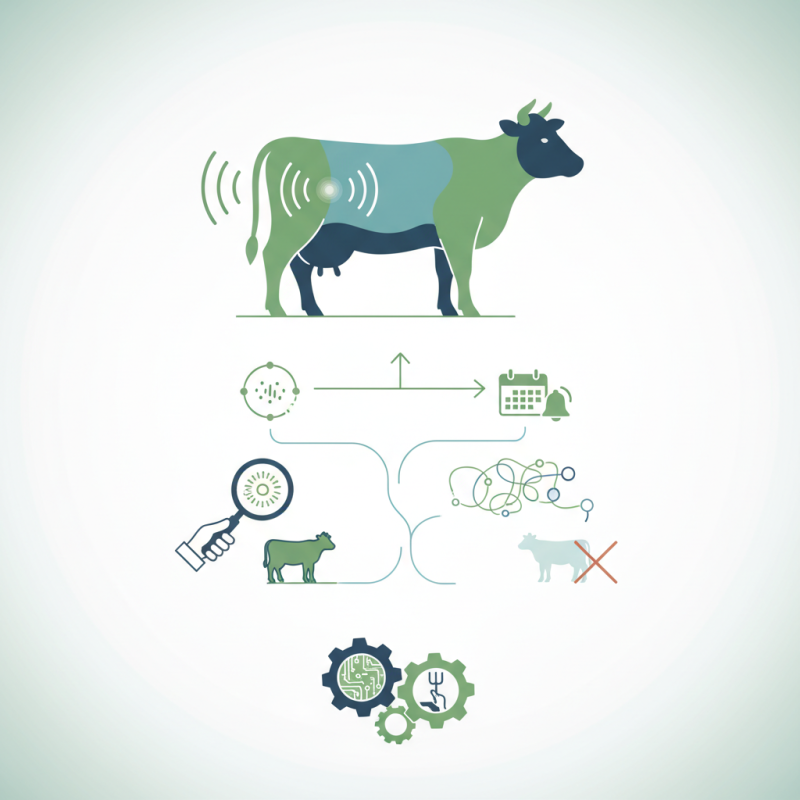
Understanding the Concept of Cattle Ovulation Detectors
Cattle ovulation detectors are essential tools for farmers. They help identify the best time for breeding. Understanding how these detectors work is crucial for effective livestock management. A cattle ovulation detector measures specific physiological changes in cows. These changes indicate when a cow is in estrus, or heat.
Typically, these devices monitor hormone levels, temperature, and activity. They can also track behavioral changes. When a cow is in heat, her activity increases. This is often the best time for Artificial Insemination. Farmers can increase their chances of successful breeding by using these detectors. It’s important to note that not all cows present the same signs. Some may be more subtle, requiring careful observation.
Despite their benefits, cattle ovulation detectors are not foolproof. Misinterpretation of data can lead to breeding errors. Farmers must combine technology with experience. A balance of both can yield better results. Regular monitoring and a keen eye are still necessary for optimal outcomes. It's a continuous learning process that requires adjustment and reflection.
The Science Behind Cattle Reproductive Timing
Cattle reproduction is complex. Timing is critical for successful breeding. A Cattle Ovulation Detector helps with this process. It utilizes hormonal changes to predict ovulation. Understanding these changes is vital for cattle farmers. Accurate timing can improve pregnancy rates and herd productivity.
Research indicates that proper detection can increase conception rates by 10-15%. This means higher profitability for farms. Many farmers still struggle with timing. The lack of awareness about the reproductive cycles can lead to missed opportunities. Monitoring estrus signs is essential. However, it is not foolproof. Errors in detection can happen.
Data shows that even with advanced technology, up to 20% of cows may be missed during their optimal breeding window. This highlights the need for more education in the field. Farmers should invest time in understanding the reproductive physiology of their cattle. This knowledge can empower better management practices.
Types of Cattle Ovulation Detectors Available in the Market
Cattle ovulation detectors are essential tools in modern livestock management. They help farmers track estrus cycles accurately. This ensures timely breeding, ultimately increasing herd productivity. Various types of detectors are available today, each with unique features and functions.
One popular type is the heat detection patch. This patch changes color when a cow is in heat. Farmers simply check the patch’s color daily. Another option is electronic detectors that use sensors to monitor activity levels. Data shows that electronic systems can improve detection accuracy by up to 30%. These devices often sync with smartphones for real-time updates.
However, not every system is perfect. Some detectors may not work well in crowded environments. This can lead to missed opportunities for breeding. Additionally, farmers may need training to interpret the data correctly. A report from the American Society of Agricultural and Biological Engineers noted that errors in reading data could result in significant financial losses. Balancing technology with instinct remains crucial for effective cattle management.
Cattle Ovulation Detectors Usage Over Different Types
How Cattle Ovulation Detectors Function: A Closer Look
Cattle ovulation detectors are innovative devices designed to monitor the reproductive cycle of cattle. They play a crucial role in optimizing breeding practices. These detectors usually track the animal's temperature, activity, and behavior, allowing farmers to identify suitable breeding times effectively.
The specific technology varies. Some devices use sensors that attach externally, while others are inserted internally. Each method has its advantages. For instance, external devices are easier to apply, but internal sensors may offer more precise data. It’s important to choose a method that fits your farm's needs.
Tips: Monitoring should occur daily. Look for unusual patterns in activity. This can indicate ovulation periods. Keep records of your cattle's behavior and responses to the detector. Over time, you’ll notice trends that can help improve your breeding schedule. Remember, every herd is unique. Adapt your approach based on the data you collect. Regular maintenance of these devices is key to ensuring accurate readings.
Benefits of Using Ovulation Detectors in Cattle Farming
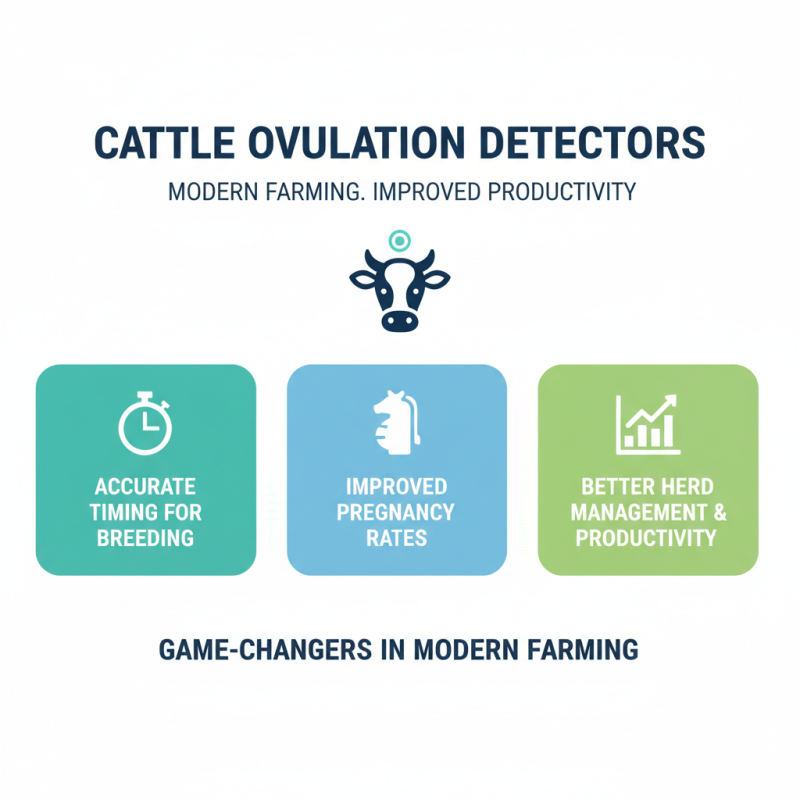
Cattle ovulation detectors are game-changers in modern farming. These tools help farmers determine the best time for breeding. Accurate timing can lead to improved pregnancy rates in cattle. This ensures better herd management and productivity.
Using ovulation detectors offers several advantages. First, they save time by eliminating guesswork. Farmers can focus on other important tasks while the detector does its job. Clear signs of heat can be easily missed by the human eye. With these devices, detection becomes much more reliable.
Tips: Regular maintenance of the detector ensures its accuracy. Check the device frequently to avoid missed cycles. Consider investing in additional training for farm staff. Proper understanding of the technology can maximize results. It’s essential to reflect on past breeding cycles. Identify patterns and adjust approaches accordingly for better outcomes.
Challenges and Limitations of Cattle Ovulation Detection Technology
Cattle ovulation detection technology has made significant strides in recent years. However, challenges remain. One major concern is accuracy. Studies have shown that many detection systems can misidentify the cow's reproductive status. This misidentification can lead to false breeding opportunities. A report indicated that up to 25% of detected heats may be inaccurate.
Another challenge is the variability among cattle. Factors such as stress, nutrition, and health can impact ovulation. Not all cattle respond the same way to detection systems. For instance, some breeds may not exhibit clear signs of estrus. This variability complicates the use of ovulation detectors across different herds.
Moreover, the cost of implementing this technology can be prohibitive for some farmers. High initial investment limits accessibility. Not all farms can afford the latest detection systems. Additionally, there’s a learning curve. Training staff to use these tools effectively takes time and resources. Industry reports suggest that without proper training, the effectiveness of these systems declines sharply.
Overall, while advancements are promising, the industry must address these limitations. The future of cattle ovulation detection depends on improving accuracy, understanding breed variability, and making technology accessible.
Future Innovations in Cattle Ovulation Detection Methods
The future of cattle ovulation detection is promising, driven by advancements in technology. These innovations may include wearable devices that monitor vital signs continuously. According to a recent report, such devices could enhance breeding efficiency by over 20%. Behavioral tracking systems using AI are also emerging, helping farmers analyze individual cow cycles more accurately.
Tips: Regular monitoring can prevent missed breeding windows. Consider adopting new technologies gradually.
However, not all methods are perfect. Some technologies may require substantial investment upfront. Farmers need to assess their budget and the return on investment. Data shows that incorrect detection can lead to losses, pushing some producers to explore options beyond traditional methods.
Tips: Stay informed about the latest technologies. Attend workshops to see live demos of new systems.
As the industry evolves, it's crucial to adapt. Combining traditional expertise with cutting-edge tools could yield the best results. Being part of discussions and forums on these topics will also keep farmers ahead of the curve.
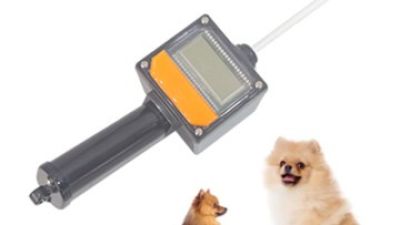
Optimizing Breeding Success: A Comprehensive Guide to the ECI-500D Dog Use Ovulation Detector
Optimizing breeding success in dogs requires precise understanding of their reproductive cycles, and the ECI-500D Ovulation Detector serves as an invaluable tool in this regard. By utilizing a biological silicone probe, this device ensures safe and accurate detection of ovulation, providing breeders with the necessary insights to plan optimal mating times. This advanced technology enables users to monitor subtle changes in hormonal levels, maximizing the chances of successful breeding.
One of the standout features of the ECI-500D is its ability to take an average of three measurements, which enhances the reliability of the results. This multi-sample approach not only minimizes the impact of any singular anomaly but also ensures that breeders can make informed decisions based on consistent data. Additionally, the device’s replaceable battery offers convenience and longevity, ensuring that it remains a dependable tool over time. By integrating such features, the ECI-500D becomes a comprehensive solution for breeders aiming to enhance their breeding practices, thus supporting the overall health and success of canine reproduction.
FAQS
: The content aims to provide informative answers to frequently asked questions.
Information is available online through various platforms and resources.
Yes, some content may have age restrictions. Check details for accurate information.
The content might not be suitable for all audiences. Consider personal preferences.
Updates occur regularly, but specific timelines can vary.
Sharing may be allowed, but check usage rights and conditions first.
Yes, feedback is encouraged. It helps improve future content.
Report issues through the designated channels for assistance.
Some resources may require payment. Always verify before proceeding.
There's a chance of inaccuracies. Always cross-check information for reliability.
Conclusion
Cattle Ovulation Detectors are innovative tools designed to enhance livestock reproductive management. By understanding the science of cattle reproductive timing, these devices help farmers determine optimal breeding windows, ensuring higher fertility rates and better herd health. There are various types of detectors available in the market, each designed to monitor physiological indicators that signal ovulation.
The functionality of Cattle Ovulation Detectors involves advanced technologies that measure parameters such as hormone levels, movement, and temperature changes. Utilizing these detectors offers numerous benefits, including improved breeding efficiency and reduced labor costs. However, challenges remain, such as the accuracy of detection and the need for proper integration into existing farming practices. As technology advances, future innovations are expected to further enhance the capabilities and reliability of cattle ovulation detection methods, paving the way for more effective cattle farming strategies.

 Bovine
 Equine
 Swine
 Ovine
 Pet