inquiry
Leave Your Message
0%

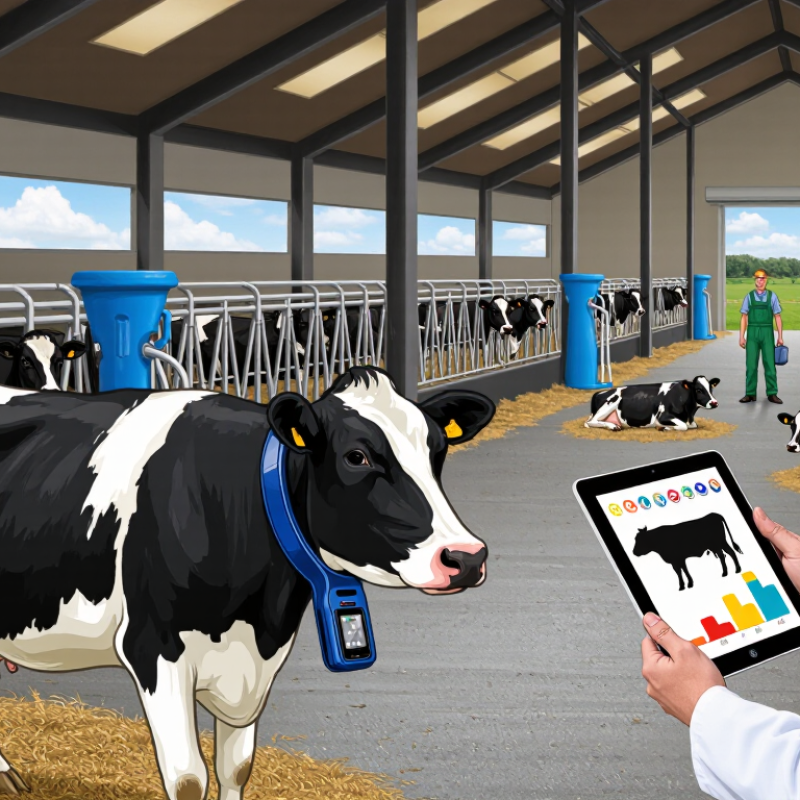
So, what’s a Cattle Ovulation Detector actually doing? In modern reproductive management, it’s becoming a pretty practical tool. But—and this part matters—it doesn’t usually “see” ovulation directly. Instead, it keeps an eye on biological signals tied to estrus and the fertile window. Think movement, mounting activity, body temperature, progesterone, or ovarian images from ultrasound. Then the device turns small changes into alerts for farmers and vets.

And there’s a real need for that. The USDA APHIS NAHMS Dairy 2014 report looked at estrus-detection practices across U.S. dairy operations. What did it find? Reproductive monitoring is still a routine management headache. Research in the Journal of Dairy Science also connects automated activity monitoring with better estrus identification, though results can vary a lot from herd to herd. The International Committee for Animal Recording has pushed for consistent sensor data and proper interpretation, too. Numbers help. But context? That matters even more.

Jeffrey Bewley, Ph.D., a precision-dairy specialist, put the bigger idea plainly: “Precision dairy farming is the use of information technologies for the optimization of animal production, health, and welfare.” That statement—published in work on precision dairy farming—fits the Cattle Ovulation Detector almost perfectly. Technology might show you a cow walking more, resting less, or following a shifting hormone pattern. Still, the screen isn’t the whole animal. A loose collar, a muddy sensor, lameness, heat stress, or illness can all mess with the signal. No detector is perfect. And honestly, that weakness is worth paying attention to. The best programs pair sensor alerts with trained eyes, veterinary judgment, and farm records. This article walks through how these detectors work, what they measure, and where their confident-looking alerts still need a human dose of doubt.
What Is a Cattle Ovulation Detector and How Does It Work?

What Is a Cattle Ovulation Detector?

What Is a Cattle Ovulation Detector and How Does It Work?

A cattle ovulation detector is a veterinary tool used to estimate when a cow is approaching or completing ovulation. The term may describe ultrasound equipment, hormone testing, or sensors that support reproductive checks. A Vet Ovulation Detector does not always detect ovulation directly. Some devices identify a mature follicle, while others monitor progesterone changes or estrus-related activity.

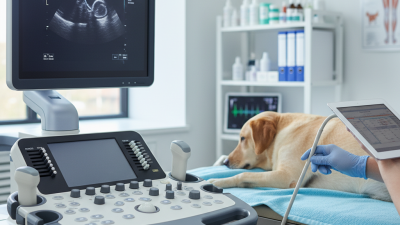
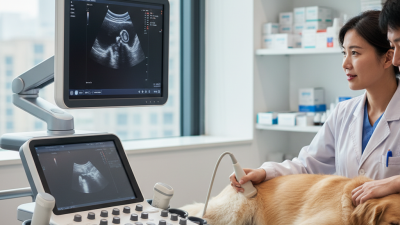
Ultrasound provides the clearest visual evidence. A veterinarian can examine the ovary, measure follicle growth, and later confirm corpus luteum development. Hormone tests add useful biological evidence, especially when visible heat signs are weak. According to DairyNZ’s InCalf programme, a six-week in-calf rate of 78% is a practical reproductive benchmark. Accurate timing can reduce missed breeding opportunities. Still, no reading is perfect. Stress, illness, nutrition, and operator skill can affect results. That matters.

Tips: Record the cow number, examination time, follicle findings, and breeding decision. Compare the reading with activity records and veterinary advice. Avoid treating one measurement as absolute proof. A quiet cow may still be cycling, while a restless cow may show a false signal. The USDA’s National Animal Health Monitoring System identifies reproductive management as a major area for dairy performance improvement, supporting regular, documented examinations rather than occasional guesses.

Why Ovulation Detection Matters in Cattle Reproduction

A cattle ovulation detector supports better timing in reproductive management. It does not simply “see” an egg release. Most systems monitor heat-related signals, including walking activity, mounting behavior, rumination changes, and sometimes body temperature. Some farms also use milk or blood progesterone testing for stronger confirmation.

Ovulation detection matters because Artificial Insemination works within a narrow biological window. A cow showing standing heat at dawn may ovulate hours later. Missing that window can lead to failed conception, extra handling, and a longer calving interval. Accurate timing helps farmers plan insemination carefully, reduce unnecessary procedures, and protect animal comfort. Every hour can matter.

Field experience shows that technology needs human judgment. Muddy yards, illness, lameness, and unusual weather can distort activity readings. A quiet cow may still cycle normally. A restless cow may not be fertile. This is where trained staff and veterinary advice remain important. Records should compare sensor alerts with physical observation and, when needed, reproductive examinations. The phrase Pet Ovulation Detector may appear in online searches, but cattle require species-specific tools and interpretation. Even reliable equipment can be wrong. That weakness deserves attention, not marketing gloss.

How a Cattle Ovulation Detector Identifies Ovulation

A cattle ovulation detector estimates when a cow is approaching or completing ovulation. It does not simply “see” the ovary. Most systems combine movement, mounting activity, body temperature, rumination, and sometimes progesterone or ultrasound readings. Ovulation usually occurs about 24 to 32 hours after standing estrus begins. Timing varies between animals.

The device identifies ovulation through biological changes. A cow in estrus often becomes more active and restless. Her activity may rise sharply for several hours. After estrus, movement usually falls, while progesterone begins increasing after ovulation. Some advanced systems analyze milk or blood progesterone, but hormone changes are not instant. The result is an informed estimate, not a perfect timestamp. It is not magic.

The USDA APHIS National Animal Health Monitoring System has reported that visual estrus detection remains inconsistent on many dairy farms. Industry reviews commonly associate traditional observation with detection rates near 50 percent, especially during busy milking periods. Electronic monitoring can provide more continuous data, including overnight behavior that workers may miss. However, false alerts still occur. Lameness, heat stress, illness, and crowded housing can imitate estrus activity. A practical review should compare the alert with records, physical signs, and reproductive examination. One alert is not enough. According to the International Committee for Animal Recording, standardized fertility records help evaluate conception and insemination timing across herds. In practice, the detector works best as a decision-support tool, not as a replacement for skilled observation or veterinary confirmation.

The Main Technologies Used in Cattle Ovulation Detection

What Is a Cattle Ovulation Detector and How Does It Work?

The Main Technologies Used in Cattle Ovulation Detection

An Animal Ovulation Detector helps estimate when a cow is approaching ovulation. It supports better timing for breeding decisions. The device may monitor movement, mounting behavior, body temperature, rumination, or hormone changes. These signals can appear hours before ovulation, but they differ between animals. A quiet cow may still show subtle changes.

Motion sensors record walking, standing, and mounting activity. Temperature sensors detect small changes near the reproductive cycle. Some systems analyze progesterone through milk or other biological samples. Ultrasound provides a direct view of follicles on the ovary. It is highly informative, but trained handling is essential. No single technology is perfect. That matters.

Tips: Combine sensor results with veterinary checks and careful herd records. Watch for heat stress, illness, lameness, and poor nutrition. These conditions can distort activity patterns. Clean equipment and regular calibration also improve reliability. Staff should compare alerts with real animal behavior. I would not trust one reading blindly. A missed signal is possible. A false alert is possible too.

In practice, the strongest approach uses several data points together. Activity changes may suggest estrus, while ultrasound can confirm follicle development. Hormone testing can add another layer of evidence. Farmers should review results across several cycles. Individual baselines are often more useful than general averages. Technology supports judgment; it does not replace skilled observation.

How Farmers Use the Device During the Breeding Cycle

A cattle ovulation detector helps farmers manage the breeding cycle with better timing. Most systems track movement, mounting activity, rumination, or body temperature. The device creates a normal activity baseline for each cow. A sudden rise may indicate estrus, often called heat. Ovulation usually occurs about 24 to 30 hours after standing estrus begins, according to cattle reproduction guidance from university extension services.

During the breeding cycle, farmers check the alert beside the cow’s history. They confirm calving date, previous heats, health status, and semen timing. Many farms follow the practical AM-PM rule. A cow seen standing in heat during the morning may be inseminated that evening. The USDA APHIS NAHMS Dairy 2014 report showed that reproductive performance remains a major management concern across U.S. dairy operations. Better heat detection can reduce missed breeding opportunities, but it cannot replace trained observation. A quiet cow may produce a weak signal. That limitation matters.

Tips: Fit the sensor securely and inspect it daily. Record alerts, breeding times, and pregnancy checks. Ask a veterinarian to confirm uncertain cases with ultrasound or hormone testing. Do not confuse a cattle device with a Canine Ovulation Detector; dogs and cattle have different reproductive patterns. Clean equipment after handling, and review false alerts every month. Even experienced farmers sometimes breed too early. The data should support judgment, not control it.

What Is a Cattle Ovulation Detector and How Does It Work? - How Farmers Use the Device During the Breeding Cycle

Topic Typical Information How Farmers Use It
What the device detects Most cattle “ovulation detectors” do not directly see or measure ovulation. They detect biological signs associated with estrus, such as increased movement, mounting activity, walking, or changes in rumination. The recorded signs help identify cows that are likely approaching or experiencing fertile estrus.
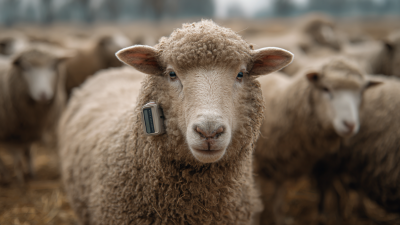
Common sensor types Activity collars, leg or neck accelerometers, mounting-activity sensors, ear tags, rumination monitors, and electronic identification systems. Sensors collect behavior data continuously or at regular intervals and send alerts to a farm computer or mobile application.
Normal estrous-cycle length Approximately 21 days in mature cattle, although individual cycles can vary. Farmers compare current activity patterns with previous cycles to identify a likely return to estrus.
Typical estrus duration Standing estrus commonly lasts about 12–18 hours, but duration may be shorter or longer depending on the animal and conditions. Alerts are used to find cows that might otherwise be missed, especially when visual observation is difficult.
Behavioral signal A cow may show increased activity, restlessness, more walking, or a willingness to stand while being mounted. The farmer reviews the alert together with visual signs and the cow’s health, age, and reproductive history.
Relationship to ovulation Ovulation generally occurs about 10–12 hours after the end of standing estrus, or roughly 24–30 hours after estrus begins. The exact timing varies. The device helps estimate the fertile window; it should not be treated as a direct confirmation that ovulation has occurred.
Hormone-based monitoring Some reproductive programs use progesterone testing or other veterinary diagnostic methods to assess ovarian status. These are different from ordinary activity monitors. Hormone results may support decisions about estrus confirmation, pregnancy monitoring, or synchronization programs.
Alert generation Software compares recent activity with the cow’s baseline and may flag an unusual rise, mounting event, or behavior pattern. Farm staff investigate the alert rather than inseminating automatically from the alert alone.
Artificial-insemination timing The traditional AM–PM guideline suggests inseminating cows first observed in standing estrus in the morning during the evening, and cows first observed in the evening during the following morning. The farm combines the alert time, observed standing behavior, semen-handling procedures, and veterinary or herd-management protocols.
Confirmation before breeding Possible false alerts can result from heat, illness, regrouping, transport, lameness, or changes in housing and feeding. Workers check the animal visually and review records before making a breeding decision.
Best operating conditions Reliable identification, secure sensor attachment, accurate time settings, good records, and consistent observation improve usefulness. Farmers check batteries, connectivity, sensor placement, and animal-ID accuracy as part of routine management.
Main benefits Earlier detection of estrus, fewer missed heats, more efficient labor use, and better organization of breeding records. The technology supports reproductive management but does not replace nutrition, disease control, skilled observation, or veterinary care.
Important limitation Sensor performance can be affected by individual behavior, lameness, environmental stress, herd structure, sensor quality, and data interpretation. Use device alerts as decision-support information and confirm unusual or uncertain cases with qualified farm or veterinary personnel.

Benefits and Limitations of Cattle Ovulation Detectors

A cattle ovulation detector usually identifies signs linked with estrus rather than observing ovulation directly. Most systems track increased movement, mounting behavior, activity patterns, or physiological changes. Some tools also support hormone or reproductive examinations. The device collects data and sends an alert when a cow’s pattern changes noticeably. That distinction matters. Ovulation typically follows estrus, so accurate timing still requires veterinary knowledge and careful observation.

The main benefit is better breeding timing. A clear alert can help workers examine the cow sooner and reduce missed heat periods, especially in large herds. It may also lower unnecessary manual checks and create useful reproductive records. In daily herd work, a sudden activity increase, restless behavior, and repeated mounting can provide a practical signal. Timing is everything. Earlier attention may improve breeding efficiency and reduce extended calving intervals.

Limitations deserve equal attention. A detector can mistake illness, lameness, heat stress, transport, or a broken sensor for reproductive activity. Quiet cows may show weak signals, particularly during the postpartum period. Poor fitting, dirty equipment, weak batteries, and incomplete data can also distort results. A reading can look convincing and still be wrong. I would not treat one alert as proof of ovulation; checking body condition, vaginal signs, breeding history, and veterinary findings gives stronger evidence. These tools support decisions, but they do not replace skilled observation or reproductive examination.

China ECI-500D Dog Ovulation Detector: Features, Benefits, and Supplier Guide

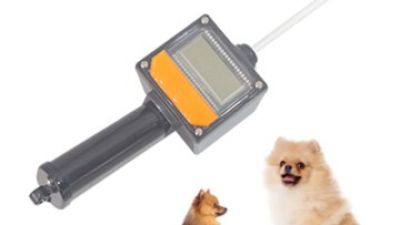
A China-made Dog Ovulation Detector is designed to help breeders and veterinary professionals assess the optimal timing for canine mating. The ECI-500D model uses a biological silicone probe that is gentle, practical, and suitable for repeated use when handled according to professional instructions. Its measurement system averages three readings, helping reduce the effect of individual variations and providing more consistent reference data during fertility monitoring.

Key benefits include a replaceable battery, which supports extended operation and minimizes interruptions caused by frequent battery changes. The compact design also makes the device convenient for use in clinics, breeding facilities, or other professional settings. By combining a durable probe, straightforward operation, and dependable measurement performance, this type of detector can improve workflow efficiency while supporting more informed breeding decisions.

When selecting a supplier, buyers should review manufacturing experience, quality-control procedures, product testing, and after-sales support. Reputable Chinese factories can provide stable production standards, replacement parts, technical guidance, and customized purchasing options for distributors or professional users. The device should be used as an auxiliary tool alongside veterinary assessment, health records, and other established methods of canine reproductive management.

FAQS

What does a cattle ovulation detector actually identify?

It estimates ovulation by tracking biological changes. Most systems monitor movement, mounting, temperature, rumination, or hormones. It does not directly see the ovary. The result is an estimate, not a perfect timestamp.

When does ovulation usually occur after standing estrus?

Ovulation commonly occurs 24 to 32 hours after standing estrus begins. Timing varies between cows. Individual records matter more than general averages. The timing can still be missed.

Which signals can suggest that a cow is approaching ovulation?

Increased walking, standing, restlessness, and mounting may suggest estrus. Activity can rise sharply for several hours. After estrus, movement often declines. A quiet cow may show only subtle changes.

Can a detector confirm ovulation by itself?

Usually, no. It identifies patterns linked with estrus and reproductive changes. Ultrasound can examine follicle development directly. Hormone testing may provide additional evidence. One alert is not enough.

What can cause a false ovulation alert?

Lameness, illness, heat stress, transport, and crowded housing can imitate estrus. Poor nutrition may also change activity patterns. A dirty sensor or weak battery can distort results. A convincing alert may still be wrong.

How can farmers improve detector reliability?

Compare alerts with physical signs, breeding history, and veterinary examinations. Review results across several reproductive cycles. Use each cow’s normal pattern as a reference. Clean equipment and calibrate it regularly. I would not trust one reading blindly.

What role can ultrasound and hormone testing play?

Ultrasound can show follicle development on the ovary. It requires trained handling and careful interpretation. Progesterone testing adds another biological signal. Hormone changes are not instant. More data helps, but uncertainty remains.

What are the main benefits of using an ovulation detector?

The system can reveal activity changes during busy work periods or overnight. It may help workers examine cows sooner. It can reduce missed heat periods and improve breeding timing. It also creates useful reproductive records. Technology supports judgment.

Can an ovulation detector replace skilled observation?

No. It should support, not replace, experienced observation and veterinary confirmation. Workers should watch behavior, body condition, and physical signs. Several data points provide stronger evidence than one alert. That seems safer, though not perfect.

Conclusion

A Cattle Ovulation Detector is a reproductive management tool designed to help farmers estimate when a cow is approaching or has reached ovulation. By identifying changes associated with the reproductive cycle, the device can support better timing for artificial insemination or natural breeding. Accurate ovulation detection matters because breeding at the right time may improve conception rates, reduce missed breeding opportunities, and support more efficient herd management.

Depending on its design, a Cattle Ovulation Detector may analyze physical activity, body temperature, hormone-related signals, or reproductive tract changes. Farmers typically use the device alongside heat observation, veterinary examinations, and breeding records rather than relying on one reading alone. Its main benefits include quicker decision-making, reduced guesswork, and more organized reproduction planning. However, results can be affected by animal health, stress, device placement, environmental conditions, and individual differences between cows. Proper training and professional guidance are therefore important for interpreting readings and using the technology effectively.
Ethan

Ethan

Ethan is a dedicated marketing professional at Sichuan Eacenic Science & Technology Group Co., Ltd., a company established in 2009 that specializes in the design, manufacture, and sales of veterinary medical electronics and integrated circuits. With a deep understanding of the company’s products,......
Previous 7 Best Large Animal Ultrasound Machines for Global Buyers