inquiry
Leave Your Message
0%

Picking the right Artificial Insemination Equipment can really make a big difference when it comes to livestock breeding. Honestly, success in this game isn’t just about having the proper gear — you need some know-how too. A lot of farms still rely on outdated equipment, which often leads to lower conception rates and ends up wasting time and resources.

Thanks to tech advancements, modern Artificial Insemination Equipment is way more efficient and dependable. But, let’s be real — choosing the right stuff can feel pretty overwhelming with all the options out there. A bad choice can mean less-than-stellar results, which doesn’t just affect the animals but can hurt the farm’s bottom line too. When you’re making an investment like this, you gotta think about things like how easy it is to use and how tough it is to last in the long run.

That’s why turning to industry leaders like XYZ Breeding Solutions can be a smart move. They offer high-quality Artificial Insemination Equipment, and their focus on reliability and customer support really helps farmers get better results. Making a carefully thought-out investment can seriously transform your breeding operation — just take your time and consider all the factors beforehand.
Why Choose the Best Artificial Insemination Equipment for Success?

Importance of Artificial Insemination in Livestock Reproduction

Why Choose the Best Artificial Insemination Equipment for Success?

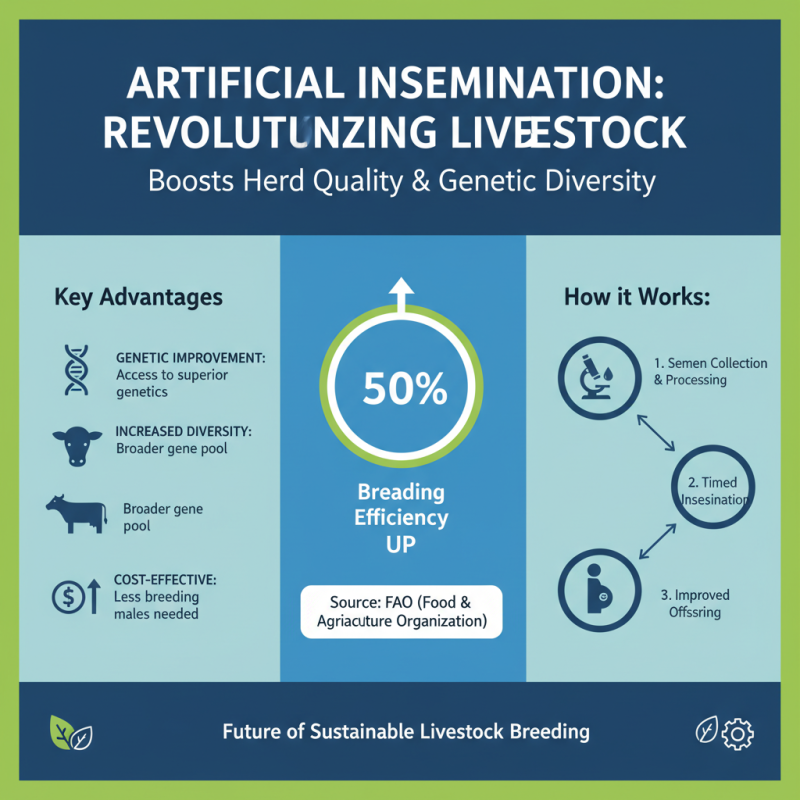
Artificial insemination (AI) plays a crucial role in livestock reproduction. It has revolutionized breeding by enhancing genetic diversity and improving herd quality. According to the Food and Agriculture Organization (FAO), AI increases the efficiency of breeding programs by up to 50%. This technique allows farmers to use superior genetics without needing to maintain a large number of bulls or other breeding males.

Success in AI depends on proper equipment and techniques. Research indicates that using high-quality insemination kits can improve conception rates by 20% or more. Proper handling of semen is critical. Inseminating at the right time boosts the success rates significantly.

Tips: Ensure all equipment is sterile before use. The smallest contamination can lead to poor outcomes. Timing is crucial. Monitor female heat cycles closely for optimal insemination moments.

Farmers should also consider the training of personnel for AI procedures. Lack of training can lead to errors that diminish the benefits of AI. Even with advanced tools, human error remains a factor in breeding success. Regular evaluation of techniques and successes can help in identifying areas for improvement.

Understanding the Basics of Artificial Insemination Techniques

Why Choose the Best Artificial Insemination Equipment for Success?

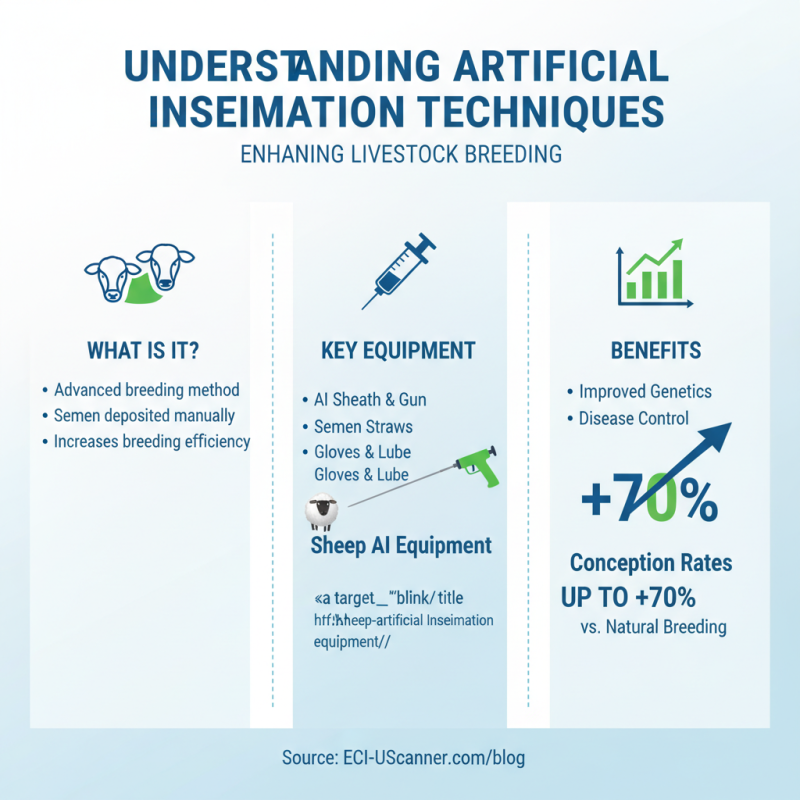
Artificial insemination (AI) is a technique that can significantly enhance livestock breeding efficiency. Understanding the basics is essential for success. The use of Sheep Artificial Insemination Equipment is crucial in maximizing breeding performance. Studies show that AI can improve conception rates by up to 70% compared to natural breeding methods.

Specific techniques in AI include synchronizing estrus cycles and selecting high-quality semen. Estrus synchronization allows breeders to manage breeding times more effectively. This method ensures that more sheep are bred at optimal times, increasing the overall productivity of the flock. Additionally, using advanced Sheep Artificial Insemination Equipment ensures proper handling and storage of semen, which is vital for maintaining sperm viability.

However, even with the best equipment and methods, challenges exist. Factors such as flock health, environmental conditions, and staff training can impact outcomes. In some instances, conception rates may fall short of expectations. Continuous monitoring and adjustment of techniques are necessary for improving results. By investing in details like quality equipment and proper education, breeders can refine their practices for better success in artificial insemination.

Key Factors in Selecting Artificial Insemination Equipment

When selecting artificial insemination equipment, various factors can significantly impact your success. Understanding the essential elements is crucial for any cattle breeding program. Calibration of the equipment is vital; improper calibration can result in lower conception rates. It is important to regularly check and maintain equipment. This ensures that everything operates effectively and safely.

Additionally, consider the material quality of Artificial Insemination Equipment For Cattle. Durability plays a significant role; tools that wear out quickly can hinder your breeding goals. Choosing equipment made from resilient materials can save time and money in the long run. Don’t overlook the value of user-friendliness; complex tools can lead to mistakes during insemination. Simpler designs often provide better results, especially for novice technicians.

Finally, proper training on the equipment cannot be underestimated. Even the best tools require skilled hands. Seek out training sessions or workshops to enhance your skills. Reflect on your past experiences; learning from mistakes can lead to improved practices. Evaluating all these factors will aid in making informed choices and ultimately impact your breeding success.

Types of Equipment Used in Artificial Insemination Procedures

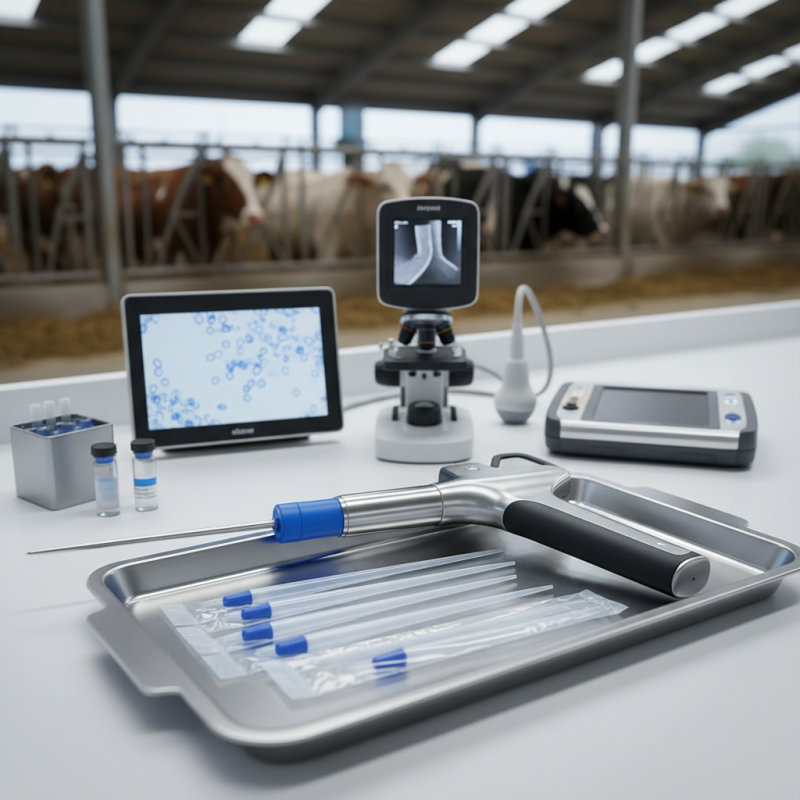
Artificial insemination (AI) has transformed reproductive practices in both agricultural and medical fields. The right equipment plays a crucial role in ensuring successful outcomes. Essential tools include insemination guns, catheters, and storage containers. Each piece of equipment must meet high standards to function effectively. Studies show that using precision instruments can increase success rates by up to 30%. Accurate placement is vital.

In veterinary applications, specialized AI kits cater to livestock, differing from those in human medicine. These kits often contain specific tools tailored for larger animals. For instance, a straw used for bovine AI is distinct from those used in humans. Research indicates optimal temperatures and storage conditions can enhance semen viability, with some reports highlighting a 50% decline in sperm quality when not properly maintained.

Despite advancements, challenges remain. Inexperience with the equipment can lead to unsuccessful procedures. Data suggests that training programs can improve technique, yet many practitioners overlook this crucial aspect. Equipment maintenance is often neglected, impacting performance. Emphasizing ongoing education and adaptiveness to new practices can significantly enhance success in artificial insemination procedures.

Quality and Maintenance: Ensuring Equipment Reliability

When considering Bovine Artificial Insemination Equipment , quality and maintenance are essential for consistent success. High-quality equipment ensures optimal performance and minimizes risks during the insemination process. If the equipment is outdated or poorly maintained, even the best techniques can yield disappointing results. Regular inspection and timely repairs can extend the lifecycle of your tools, ensuring reliability during critical breeding periods.

Another critical aspect is cleanliness. Maintaining sterile conditions reduces infection risks and safeguards the viability of semen. Equipment that is frequently and thoroughly cleaned will perform better. Neglecting maintenance processes can lead to contamination and failures, leaving producers frustrated. It may seem trivial, but small oversights can lead to significant challenges down the line.

Investing time in equipment education can be valuable. Understanding the operational intricacies of your Bovine Artificial Insemination Equipment can prevent improper handling. Each piece of equipment may have its nuances, making familiarization crucial. By focusing on quality and maintenance, you're not just enhancing performance; you're fostering a culture ofreliability that benefits the entire breeding operation.

Cost-Benefit Analysis of Investing in High-Quality Equipment

Investing in high-quality artificial insemination equipment can significantly impact success rates. While premium products may come with a higher price tag, the benefits often outweigh the initial costs. High-quality tools ensure better precision during the insemination process. This precision leads to improved pregnancy rates, reducing the need for repeated inseminations. Fewer attempts can save time and resources in the long run.

Moreover, reliable equipment minimizes health risks for both the animals and the handlers. Outdated or inferior tools may result in complications, potentially causing harm or stress to the animals. High-quality equipment is designed with safety in mind, which ultimately contributes to a healthier environment for breeding. In turn, this enhances overall productivity.

That said, the decision to invest in the best equipment requires careful consideration. Farmers must evaluate their specific needs and potential return on investment. It’s crucial to analyze the short-term costs against the long-term benefits, as this can vary greatly depending on individual circumstances. Reflecting on past experiences can provide valuable insights, helping to shape future investments.

Future Trends in Artificial Insemination Technologies and Equipment

As the field of artificial insemination evolves, new technologies emerge. These advancements enhance success rates and improve animal welfare. For instance, better semen handling techniques and storage methods can lead to higher conception rates. Precision is key in this process.

Tips for selecting the right Equine Artificial Insemination Equipment include evaluating the equipment's compatibility with current practices. Don’t overlook the importance of training. Users must understand how to operate the equipment effectively. Poor usage can lead to suboptimal results.

Future trends indicate a shift towards automated systems. These systems promise quicker processing times and reduced human error. However, relying heavily on technology could lead to a disconnect with fundamental insemination techniques. Continuous education in the basics remains essential for practitioners. The right balance of technology and skill is crucial for achieving the best results in artificial insemination.

Artificial Insemination Success Rates Based on Equipment Quality

Optimizing Animal Breeding Efficiency with the ECI-PX200/100 Artificial Insemination Machine

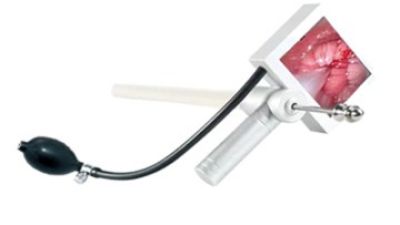
The advancement of artificial insemination technology has significantly transformed the landscape of animal breeding. The ECI-PX200/100 Artificial Insemination Machine exemplifies this progress by enhancing breeding efficiency through its specialized features. With dedicated function buttons, this machine allows users to operate it easily, ensuring that even novice breeders can seamlessly navigate its functionalities. This user-centric design reduces the learning curve associated with artificial insemination, making the process more accessible to a broader audience.

Real-time observation capabilities set this machine apart, enabling precision insemination that minimizes errors and maximizes success rates. The inclusion of a high pixel camera allows for clear and detailed imaging, essential for accurate procedures. This feature, combined with adjustable image magnification, ensures that users can closely monitor the insemination process, leading to improved outcomes in breeding programs. Furthermore, an ergonomic design means that the machine is comfortable to hold and operate for extended periods, reducing operator fatigue and enhancing overall efficiency.

The combination of these advanced features culminates in a tool that not only supports animal welfare through precision breeding practices but also meets the demands of modern agricultural operations. By optimizing the artificial insemination process, breeders can achieve superior reproductive performance, ultimately contributing to more sustainable livestock production.

FAQS

: What factors should be considered when selecting artificial insemination equipment?

: Key factors include calibration, material quality, user-friendliness, and proper training.

How important is equipment calibration?

Calibration is vital; improper calibration can lead to lower conception rates. Regular checks are essential.

What role does equipment quality play?

High-quality, durable equipment prevents issues and saves time and money for breeding goals.

Why is user-friendliness important in artificial insemination tools?

Simpler designs reduce mistakes, making them ideal for novice technicians.

How can maintenance impact equipment performance?

Regular inspection and cleaning are crucial. Neglect can lead to contamination and failures.

What types of training should be pursued?

Seek training sessions or workshops to enhance skills and prevent improper handling of equipment.

Are there emerging trends in artificial insemination technology?

Yes, newer technologies improve success rates and animal welfare with better handling techniques.

How does automation affect artificial insemination processes?

Automation offers quicker processing but may disconnect users from essential techniques; balance is needed.

Why is cleanliness so critical in insemination equipment?

Maintaining sterility reduces infection risks and preserves semen viability, ensuring better performance.

What can learning from past experiences help with?

Reflecting on past mistakes can lead to improved practices and better breeding outcomes.

Conclusion

Artificial Insemination Equipment plays a crucial role in livestock reproduction, significantly enhancing breeding efficiency and genetic improvement. Understanding the basics of artificial insemination techniques is essential for successful implementation. Selecting the right equipment involves considering key factors such as usability, reliability, and technological advancements. Various types of equipment cater to different artificial insemination procedures, emphasizing the importance of quality and regular maintenance to ensure consistent performance.

Investing in high-quality Artificial Insemination Equipment can provide significant cost benefits over time, improving overall herd health and production rates. As technology evolves, future trends indicate a shift towards more innovative and efficient equipment solutions, promising to further enhance the effectiveness of artificial insemination in livestock management. Embracing these advancements will be critical for farmers looking to optimize their reproductive strategies and achieve greater success in their operations.


Lila

Lila

Lila is a dedicated marketing professional at Sichuan Eacenic Science & Technology Group Co., Ltd., a company established in 2009 that specializes in the design, manufacture, and sales of veterinary medical electronics and integrated circuits. With a strong focus on research and development, Lila......
Previous Top 10 Veterinary Ultrasound Scanners for Global Buyers?