As veterinary medicine keeps evolving, you really can't overlook how important it is to have high-quality diagnostic tools. One device that’s become pretty much essential for vets today is the Veterinary Ultrasound Machine — it’s a game-changer when it comes to getting better diagnostic results. I recently read a report from Grand View Research, and it says the worldwide veterinary ultrasound market is expected to hit around USD 1.08 billion by 2025. That growth is mainly because more and more vets and pet owners are interested in advanced imaging tech, and there's a bigger focus on animal health than ever before. It definitely shows that we're moving toward more accurate, efficient ways to diagnose and treat animals.
When you’re trying to pick out the best ultrasound machine for your practice, there’s quite a bit to think about. Things like how clear the images are, how user-friendly the device is, and whether it has cool features like digital connectivity and advanced imaging options all matter. Knowing what to look for helps you make smarter choices—especially ones that fit your specific needs and also impress your clients. As the field of veterinary diagnostics keeps changing, investing in the right ultrasound tech isn’t just about buying equipment — it’s about really stepping up your game and giving your animal patients the best possible care.
Factors to Consider When Choosing a Veterinary Ultrasound Machine
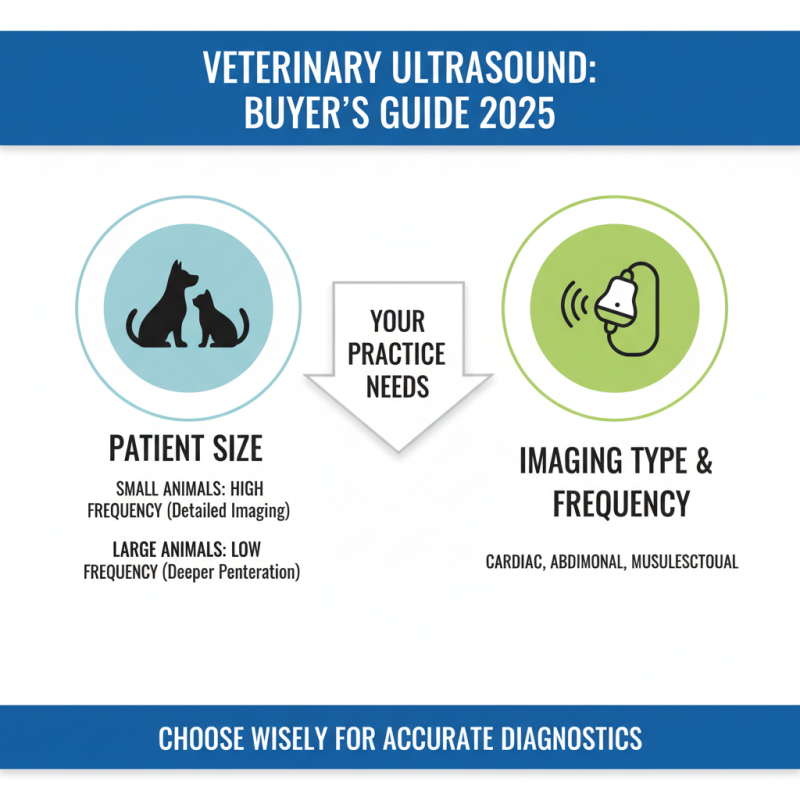
When selecting a veterinary ultrasound machine for your practice in 2025, several crucial factors should guide your decision. First and foremost, consider the frequency and type of imaging you plan to perform. High-frequency ultrasound machines provide detailed images for small animals, while lower frequency units are more suited for larger animals. Knowing the primary patients you will serve can significantly influence your choice, ensuring that the machine you select meets the specific imaging needs relevant to your practice.
Another critical factor to consider is the ease of use and portability of the ultrasound machine. A user-friendly interface can enhance efficiency in a busy practice, allowing staff to quickly adapt to new technology. Additionally, portability is essential, especially for practices that offer mobile services or handle large animals where flexibility is critical. Evaluate features such as battery life, weight, and ease of transport, as these can impact your daily operations. Lastly, consider the machine’s connectivity options, as modern clinics may benefit from devices that integrate with digital record-keeping systems for seamless workflow management.
Understanding Different Types of Veterinary Ultrasound Machines
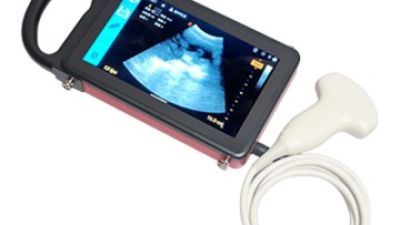
When selecting a veterinary ultrasound machine, understanding the different types available on the market is crucial for making an informed decision. The two primary categories of veterinary ultrasound machines are portable and stationary systems. Portable ultrasound machines are ideal for mobile veterinarians or practices that require flexibility in their operations. These devices are lightweight, easy to carry, and often battery-operated, making them perfect for on-site evaluations at farms or emergency situations. Despite their compact size, many portable models offer high-quality imaging capabilities suitable for a range of applications.
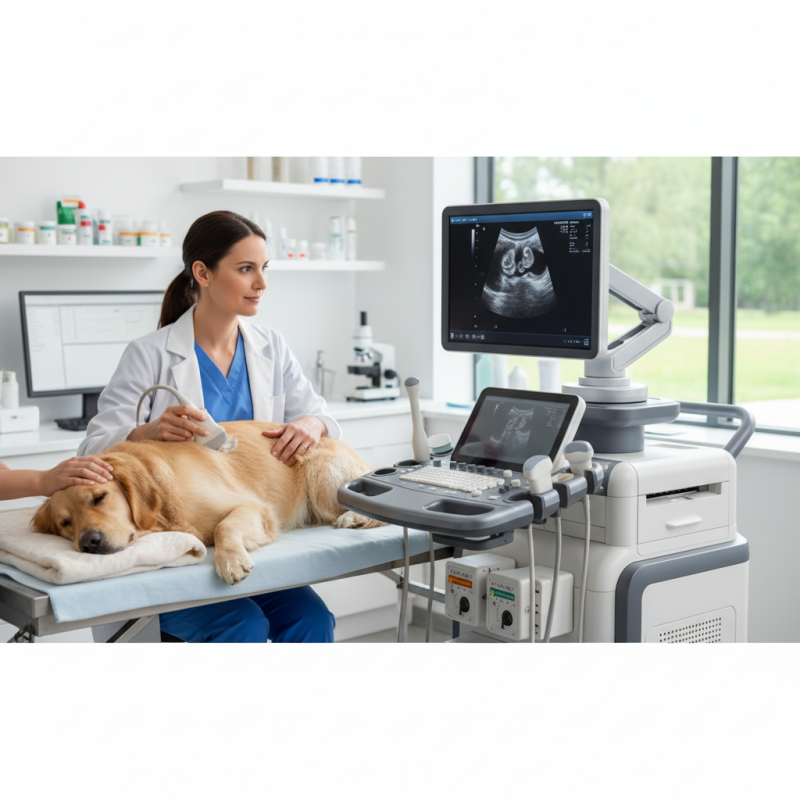
On the other hand, stationary ultrasound machines are typically more advanced and offer greater functionality and imaging quality. These machines are generally used in veterinary clinics and hospitals where space permits. They come equipped with larger screens, sophisticated software, and multiple probes, providing greater versatility in imaging various animal species. Stationary systems are better suited for detailed examinations and complex diagnostics due to their enhanced features and processing power. Understanding these distinctions is essential for veterinary practitioners to choose a machine that aligns with their specific needs, whether it be for convenience or advanced diagnostic capabilities.
Key Features to Look for in Ultrasound Equipment for Veterinary Use
When selecting a veterinary ultrasound machine, there are several key features that you should prioritize to ensure that the equipment meets the needs of your practice in 2025. Firstly, image quality is paramount. Look for machines with high-resolution imaging capabilities to provide clear, detailed views of internal structures, enabling accurate diagnosis.
Advanced technologies such as Doppler imaging can also be beneficial, allowing veterinarians to assess blood flow and detect abnormalities in real-time.
Portability is another crucial aspect to consider. A
lightweight and compact design can significantly enhance the versatility of the ultrasound device, enabling you to take it to different locations within the clinic or even to mobile practices. Additionally,
user-friendly interfaces and
intuitive controls are essential for improving workflow efficiency, allowing veterinary professionals to operate the machine with minimal training.
Finally, consider the
compatibility with various probes, as having a range of options – from linear to convex probes – can expand the machine's capabilities for a variety of animal sizes and conditions.
Budgeting for Your Veterinary Ultrasound Machine Investment
When planning to invest in a veterinary ultrasound machine, budgeting is a crucial first step that can dictate the success of your purchase and its integration into your practice. Start by assessing your financial capacity, taking into account both initial costs and ongoing expenses, such as maintenance and upgrades. Determine a suitable price range based on your clinic's financial health, while also considering potential revenue growth opportunities that a new ultrasound machine could provide through enhanced diagnostic capabilities.
In addition to the purchase price, consider additional costs tied to your ultrasound machine investment, including training for your staff and possible renovations to accommodate the new equipment. It’s essential to prioritize features that will maximize your practice’s efficiency while staying within budget. Research financing options or leasing agreements that could relieve the financial strain upfront and allow for a more manageable payment process.
Thoroughly analyze the return on investment by factoring in the increased service offerings and patient care improvements that the ultrasound machine will facilitate.
Assessing the Manufacturer's Reputation and Support Services
When selecting a veterinary ultrasound machine for your practice, assessing the manufacturer's reputation and support services is crucial for long-term satisfaction and operational efficiency. A 2023 market analysis indicated that approximately 70% of veterinary professionals prioritize vendor reliability when making equipment purchasing decisions. The manufacturer’s track record not only reflects the quality of their products but also impacts the level of after-sales support you will receive, including training, maintenance, and troubleshooting services.
In the fast-evolving field of veterinary technology, having access to robust support services can significantly affect your practice's productivity. According to a recent survey conducted by the Veterinary Ultrasound Association, 65% of practitioners reported experiencing operational downtime due to inadequate technical support. Choosing a manufacturer known for comprehensive training programs, responsive customer service, and readily available parts can help mitigate these challenges, ensuring that your ultrasound machine remains a valuable asset in your diagnostic toolkit. Additionally, considering user reviews and testimonials can provide further insights into a manufacturer’s support effectiveness, enabling you to make an informed decision that aligns with the needs of your practice.
Veterinary Ultrasound Machine Features Assessment (2025)
This chart represents the assessment of various features of veterinary ultrasound machines that practitioners consider important in 2025. The dimensions reflect the perceived importance of image quality, ease of use, portability, and customer support.
Training and Support Options for Veterinary Ultrasound Systems
When selecting a veterinary ultrasound machine, one of the critical factors to consider is the availability of training and support options. The complexity of ultrasound technology necessitates that veterinary professionals not only understand how to operate the equipment but also how to interpret the results effectively. A survey conducted by the American Animal Hospital Association (AAHA) highlighted that around 65% of veterinary clinics cite inadequate training as a significant barrier to fully utilizing their ultrasound machines. Therefore, choosing a vendor that offers comprehensive training programs is essential for ensuring that staff are proficient and confident in using the equipment.
In addition to initial training, ongoing support is vital for maintaining the effectiveness of ultrasound systems. According to a report from the Veterinary Hospital Association, practices that invest in continuous education and support for their ultrasound devices see a 30% increase in diagnostic accuracy over those that do not. This increased accuracy not only improves patient outcomes but also enhances overall practice efficiency. Ensuring that your practice has access to technical support, troubleshooting assistance, and regular updates can make a substantial difference in maximizing the use of ultrasound technology. As veterinary practices look towards 2025, these factors will play an influential role in choosing the right ultrasound equipment, ultimately impacting patient care and diagnostic capabilities.
Future Trends in Veterinary Ultrasound Technology for 2025
As we look towards 2025, the landscape of veterinary ultrasound technology is poised for significant advancements that can greatly enhance diagnostic capabilities in veterinary practices. One of the most exciting trends is the integration of artificial intelligence (AI) in ultrasound imaging. AI algorithms can assist veterinarians in interpreting ultrasound images more accurately and rapidly, identifying anomalies that may be missed by the human eye. This technology not only streamlines the diagnostic process but also allows for more informed treatment plans, ultimately improving patient outcomes.
Another notable trend is the development of portable and wireless ultrasound machines. These devices are becoming more compact and user-friendly, enabling veterinarians to perform diagnostics on-site or in emergency situations. With enhanced battery life and connectivity options, these machines offer versatility without compromising image quality. The ability to quickly share images with remote specialists for consultation can further elevate the standard of care, making it easier for practitioners to collaborate and seek expert advice when necessary.
Additionally, the continuous evolution of imaging technologies, including 3D and even 4D ultrasound, is on the horizon. These advanced imaging techniques can provide detailed insights into organ structure and function, allowing for more comprehensive assessments of animal health. As veterinary professionals prepare to adopt these emerging technologies, staying informed and aligned with future trends will be crucial in selecting the best ultrasound machines that meet the evolving needs of their practice.
Innovative ECI-X5 Portable Animals Ultrasound Machine: Revolutionizing Pregnancy Diagnosis in Veterinary Medicine
The Innovative ECI-X5 Portable Animals Ultrasound Machine is set to transform pregnancy diagnosis in veterinary medicine, offering advanced functionalities tailored to the diverse needs of veterinarians. Equipped with B/C/PW/M modes, this ultrasound machine ensures a comprehensive examination for various animals, accommodating different detection requirements. The intuitive user interface is enhanced by an 8-inch touch screen that facilitates intelligent image freezing and allows practitioners to capture key images effortlessly with just a single click, streamlining the diagnostic process.
Moreover, the device's capacity for data management speaks volumes about its modern design. Featuring 32GB of high-capacity storage, it not only enables the saving of essential images and data but also supports wireless transmission, making it easy to export information for further analysis or documentation. The robust IPX6-rated waterproof and dust-proof design adds to its versatility, making it suitable for use in challenging environments, whether in a wet barn or a dusty field. This adaptability is crucial for veterinarians who often work in diverse settings, ensuring that they can perform ultrasounds without compromising on quality or reliability.
FAQS
: Consider your financial capacity, initial costs, ongoing expenses like maintenance, and potential revenue growth opportunities from enhanced diagnostics.
Yes, additional costs can include staff training, possible renovations for equipment accommodation, and ongoing maintenance.
Analyze the potential return on investment by evaluating the increased service offerings and improvements in patient care the machine will facilitate.
A manufacturer's reputation influences product quality and the level of after-sales support, which is crucial for operational efficiency.
Robust support services can significantly affect productivity, as inadequate support can lead to operational downtime.
Consider user reviews and testimonials that provide insights into the manufacturer’s training programs, customer service responsiveness, and availability of parts.
Look into financing or leasing agreements that allow for manageable payments and reduce upfront financial strain.
Focus on features that maximize your practice’s efficiency while ensuring you remain within your budget constraints.
Approximately 70% of veterinary professionals consider vendor reliability as a crucial factor in their equipment purchasing decisions.
A new ultrasound machine can enhance diagnostic capabilities, increase service offerings, and improve overall patient care, contributing to practice growth.
Conclusion
When selecting a Veterinary Ultrasound Machine for your practice in 2025, several critical factors must be considered. First, it's essential to understand the different types of ultrasound machines available, as each serves distinct needs in veterinary diagnostics. Key features such as image quality, portability, and user interface play a significant role in the selection process, while budgeting should account for both initial purchase prices and long-term maintenance costs.
Additionally, assessing the manufacturer's reputation and available support services is vital for ensuring reliable operation and assistance when needed. Training and ongoing support options for the veterinary team will enhance proficiency and confidence in utilizing the equipment. Finally, staying informed about future trends in veterinary ultrasound technology will help practices remain competitive and provide the best care possible.

 Bovine
 Equine
 Swine
 Ovine
 Pet