Picking the right Animal Ultrasound Scanner is a pretty important decision for vets and anyone working in animal healthcare. I remember Dr. Sarah Thompson, a top expert in vet imaging, once saying, “The right ultrasound can really make all the difference when it comes to diagnosing animals.” That totally highlights how crucial it is to choose a scanner that fits your specific needs.
Animal Ultrasound tech has come a long way over the years. A good scanner should give you clear images to help figure out what's going on with your patient. When you’re looking at options, think about things like how portable it is, the image quality, and how easy it is to use. For example, if you're running a busy clinic, a lightweight, portable model might be your best bet. But if you're working in a research setting, you might need something with more advanced imaging features.
It’s really important to think about what you actually need from the scanner. Some options might sound really appealing, but they might not be the right fit for your practice’s specific demands. With so many models out there, it can get pretty overwhelming. That’s why talking to experienced folks and doing your homework is super helpful. Picking the right Animal Ultrasound Scanner isn’t just about tech specs; it’s about what works best for you and your patients. When you make the right choice, it can really boost your diagnostic accuracy and help give animals the best care possible.

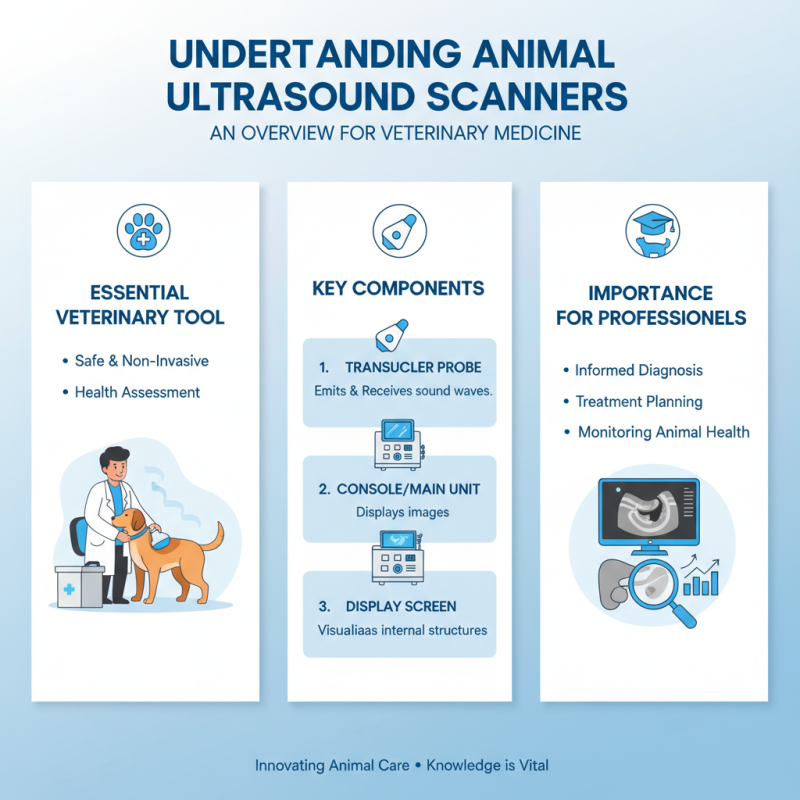
Animal ultrasound scanners are essential tools in veterinary medicine. They provide a safe and non-invasive way to assess the health of animals. Understanding the key components of these scanners is vital for anyone in the field.
An ultrasound scanner typically includes a transducer, a central unit, and a display. The transducer emits sound waves that bounce off internal structures, creating images. It's important to choose a scanner with a suitable frequency for the type of animal being examined. For instance, high-frequency transducers capture more detail, ideal for small animals.
Training and experience play significant roles in ultrasound diagnostics. An operator must know how to interpret images accurately. This requires practice and a willingness to learn from mistakes. Even experienced veterinarians sometimes face challenges, such as poor image quality or difficulty in identifying structures. Continuous education helps professionals stay updated on techniques and technologies.
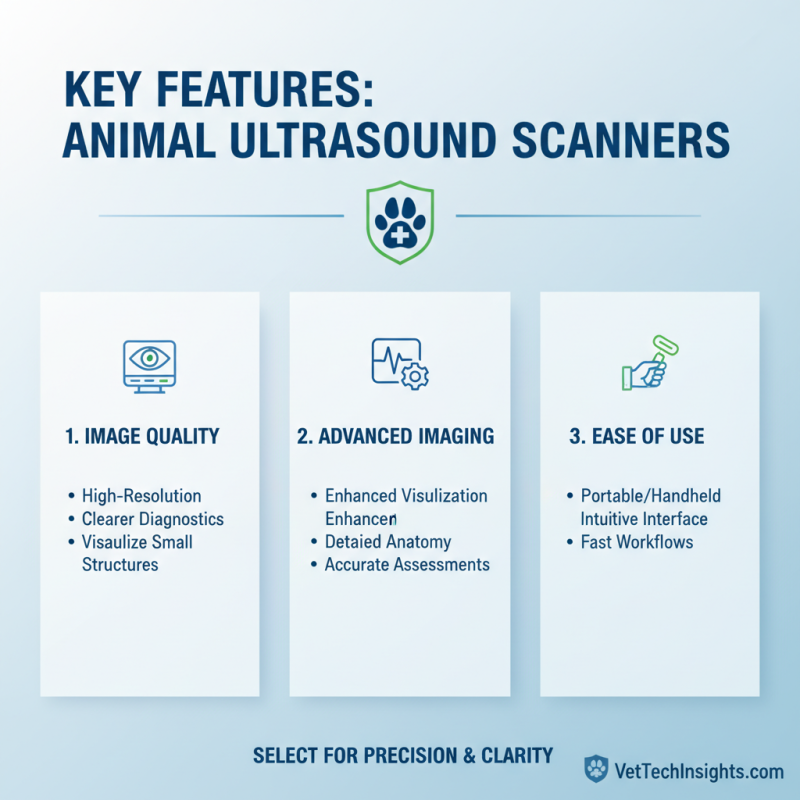
When selecting an animal ultrasound scanner, understanding key features is essential. Image quality is paramount. High-resolution images provide clearer diagnostic insights. Look for scanners with advanced imaging technologies. These features enhance visualization of small anatomical structures, aiding accurate assessments.
Portability is another important consideration. A lightweight design allows for easy transport between locations. Some practices may require scanners that can function in various environments. Battery life also matters; it should support prolonged use without frequent recharging. User-friendly interfaces facilitate quick learning. Intuitive controls ensure that even novice users can operate them effectively.
Reflection on your practice's specific needs is necessary. Think about the types of animals you typically scan. Different breeds may require varying settings. It's also crucial to consider software compatibility. Some devices come with analytical tools, improving efficiency in diagnostics. Tailoring features to your context can make a significant difference.
When choosing an animal ultrasound scanner, evaluating image quality is crucial. High-resolution imaging allows for better detection of issues. Studies show that images with at least 640x480 pixels offer clearer insights. Frequencies between 5-10 MHz are ideal for most veterinary applications. Lower frequencies penetrate deeper but may compromise resolution.
An effective Animal Pregnancy Scanner should balance both frequency and image quality. A scanner with adjustable frequency settings provides flexibility. Some scanners may struggle with uniform image quality. Users report inconsistent results, especially in challenging anatomical areas. These factors can impact diagnostic capabilities.
Veterinary professionals must prioritize these specifications. Reliable image quality leads to accurate diagnoses and better patient care. Regular training on using ultrasound technology is also essential. Proper usage reduces errors and enhances the effectiveness of an Animal Pregnancy Scanner. Ultimately, each veterinarian's needs will vary, reflecting the importance of tailored equipment selection.
When choosing an animal ultrasound scanner, portability and battery life stand out as critical factors. A lightweight design enhances mobility, allowing veterinary professionals to conduct examinations in various environments. According to a report from the American Veterinary Medical Association, around 80% of vets prefer portable devices for in-field assessments. This trend underscores the need for scanners that are both easy to carry and operate.
Battery life directly impacts the efficiency of ultrasound devices. A scanner that holds a charge for extended periods ensures uninterrupted service during consultations. Research indicates that devices with a battery life exceeding five hours are favorable for most field scenarios. This longevity allows veterinarians to focus on patient care instead of constantly seeking power sources.
Tip: Always check the specifications for battery life. Does it suit your daily needs? Also, consider the weight of the scanner. Lighter models can alleviate strain during prolonged use. Think critically about how these features align with your work routine. Evaluating portability and battery life will significantly influence your choice and enhance your practice's overall effectiveness.
| Scanner Model | Portability (Weight) | Battery Life | Screen Size | Price Range |
|---|---|---|---|---|
| Model A | 2.5 kg | 5 hours | 15 inches | $2,000 - $3,500 |
| Model B | 1.8 kg | 6 hours | 12 inches | $1,500 - $2,800 |
| Model C | 3.0 kg | 4 hours | 17 inches | $3,500 - $5,000 |
| Model D | 2.2 kg | 7 hours | 14 inches | $2,200 - $4,000 |
When selecting an Animal Ultrasound Machine, budget is a crucial factor. Many professionals face limitations in funding. Finding an affordable option does not mean sacrificing quality. It's essential to understand your specific needs before diving into the market. Research shows that entry-level scanners can provide decent imaging for routine examinations. However, they may lack advanced features required for complex cases.
Analyzing your budget can be overwhelming. Many veterinarians prefer to invest in versatile equipment. Yet, some picks may be out of reach financially. Consider pre-owned devices or refurbished models as viable alternatives. These options can offer significant savings. Ensuring the machine is in good working condition is vital. A thorough inspection should be performed before purchase.
It can be tempting to opt for the cheapest Animal Ultrasound Machine available. However, this might lead to dissatisfaction later. Skimping on quality may result inpoor diagnostic capabilities. Therefore, balance your budget with the necessary features. Evaluating customer reviews can provide insights into reliability and usability. Aim for a scanner that aligns with your practice's demands while staying within budget constraints.
A user-friendly interface is vital for veterinary professionals using animal ultrasound scanners. It directly impacts the efficiency of diagnoses and enhances the workflow in busy practices. Studies show that a scanner with an intuitive layout allows greater visibility of images, reducing the time spent learning the interface. In fact, approximately 72% of veterinary staff report improved diagnostic confidence when using devices with straightforward controls.
The learning curve for most veterinary practices can be steep. A complex interface may lead to frustration and decreased productivity. Elements such as customizable settings and clear menus build user satisfaction. One survey indicated that 65% of vets prefer models that allow for easy access to commonly used features. This not only streamlines the examination process but also improves patient outcomes.
Tips: Look for a Large Animal Ultrasound Machine that has touchscreen capabilities. User-friendly applications reduce steps in accessing critical functions. Consider systems that provide comprehensive training materials. These can aid staff in maximizing the scanner's potential. Investing in a machine with these features is crucial for modern veterinary practices.
Choosing the right animal ultrasound scanner is crucial for veterinary practices. A significant factor in this decision is brand reputation. Research shows that 63% of veterinarians prioritize brand reliability. They seek manufacturers with a proven track record. Trustworthy brands often have a longstanding presence in the market, which correlates with quality and service.
Customer support is equally essential. A report from the Veterinary Industry Association states that effective customer support can improve user satisfaction by 40%. Many clinics have experienced delays because of poor technical assistance. Small Animal Ultrasound Machines require regular maintenance and updates. Access to responsive support can make a big difference in operational efficiency.
Numerous testimonials highlight the importance of choosing a brand that values after-sales service. Users often report difficulties with understanding complex features due to inadequate training. This raises concerns about whether manufacturers invest sufficiently in customer education. The overall experience reveals that effective communication and support also enhance user trust. Prioritizing these factors will ultimately lead to better clinical outcomes.
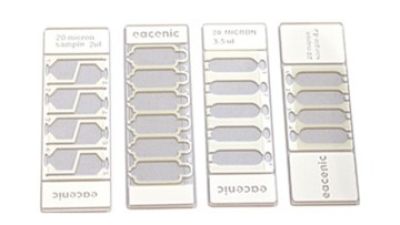
In the field of Animal Semen Testing, precision and accuracy are paramount. The ECI-6310 Glass Disposable Counting Slides have emerged as a vital tool, designed specifically to meet the high demands of reliable semen analysis. With high precision counting capabilities, these slides ensure that every measurement is accurate, allowing researchers and veterinarians to make informed decisions based on their findings. The low sample requirements mean that even minimal amounts of semen can yield significant information, making this tool ideal for various testing scenarios.
Additionally, the design of these counting slides facilitates reduced cross-contamination, a common concern in laboratory settings. By utilizing disposable slides, users can maintain a sterile environment and prevent the mix-up of different samples, which can compromise results. The ability to conduct simultaneous analysis of multiple channels further enhances efficiency in the testing process, enabling users to gather comprehensive data swiftly without sacrificing accuracy. Overall, the ECI-6310 Glass Disposable Counting Slides represent a significant advancement in animal semen testing technology, combining precision, convenience, and reliability.
: An ultrasound scanner includes a transducer, a central unit, and a display. Each part is essential for effective imaging.
Choosing the right frequency is crucial. High-frequency transducers are ideal for small animals, capturing more detail in images.
Training is essential. Operators must interpret images accurately. Experience is key, but ongoing learning is also necessary.
Common challenges include poor image quality and difficulty identifying structures. Even seasoned vets face these issues.
A user-friendly interface enhances efficiency and workflow. It allows quicker diagnoses and improves the overall experience for staff.
Customizable settings allow vets to access features easily. This leads to greater satisfaction and better patient outcomes.
Brand reputation influences choices. Veterinarians tend to trust reliable brands with proven track records for quality.
Effective customer support is crucial. Good support can enhance user satisfaction and minimize operational delays in practices.
Users often face challenges with complex features and inadequate training. This can hinder the effective use of the device.
Continuous education helps vets stay updated on emerging techniques. It fosters confidence in using ultrasound equipment effectively.
Choosing the right Animal Ultrasound Scanner is essential for veterinary professionals to ensure effective diagnostics and treatment. Understanding the various types of scanners and their functionalities is crucial. Key features such as image quality, frequency, and the scanner's portability significantly influence the effectiveness of veterinary examinations. The battery life is also an important consideration, particularly for mobile practices.
When evaluating options, budget constraints should not compromise quality, so finding affordable yet reliable scanners is vital. Additionally, a user-friendly interface enhances ease of use, allowing professionals to focus on care rather than complicated technology. Finally, considering the brand's reputation and customer support can lead to a more satisfying purchasing experience and ongoing assistance. Hence, thorough research and consideration of these factors will help in selecting the best Animal Ultrasound Scanner tailored to individual needs.