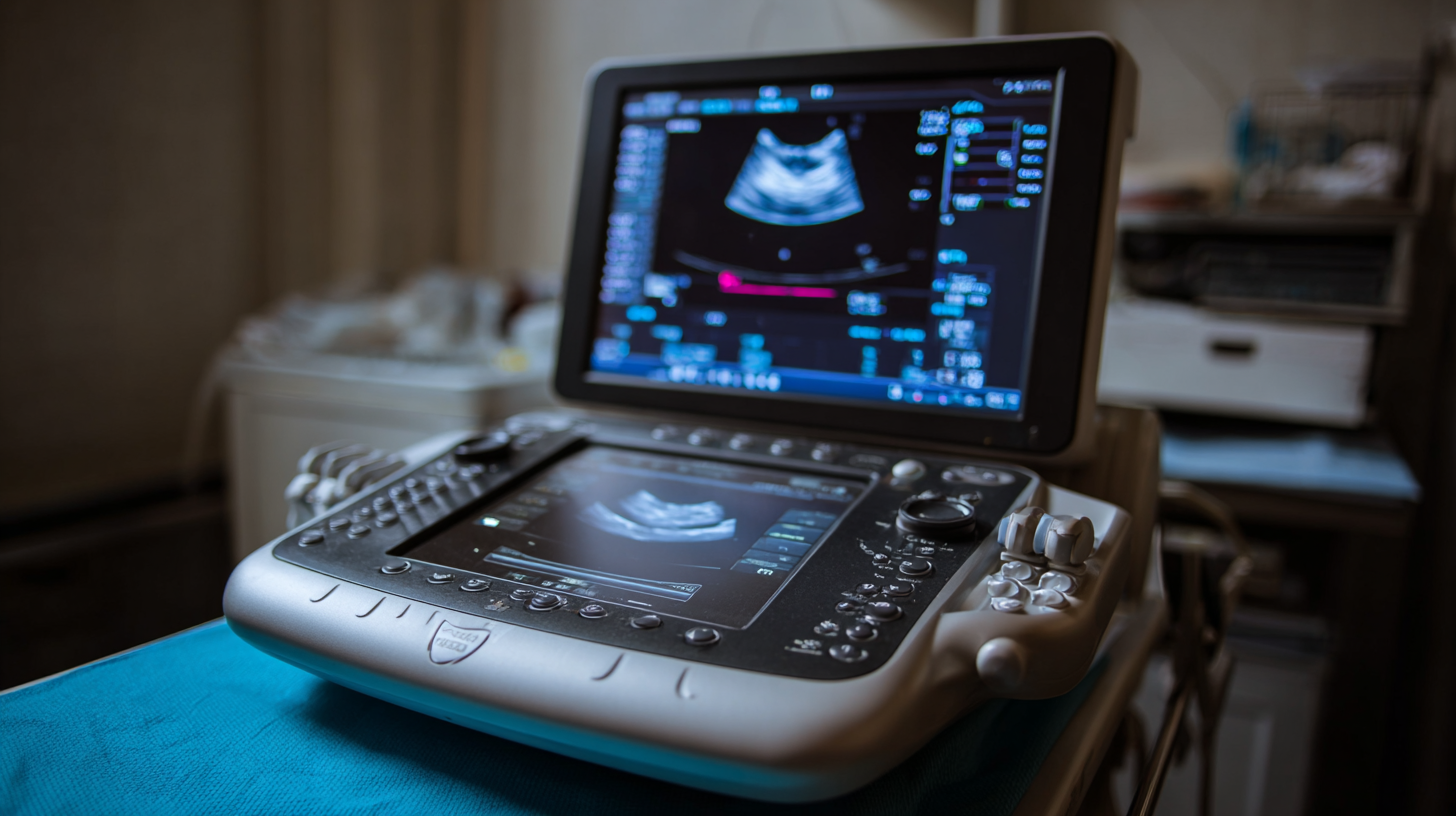
Picking the right Animal Ultrasound Machinefor your vet practice is a pretty big deal—it really makes a difference in how well you can care for your patients. I recently read a report by Grand View Research that predicts the Veterinary Ultrasound market’s gonna grow a lot, hitting over$350 million by 2025. That’s thanks to newer imaging tech and the fact that more animals are getting sick these days. One company that’s been around since 2009—SICHUAN EACENIC SCIENCE & TECHNOLOGY GROUP CO., LTD.—really specializes in cutting-edge vet tech, including top-notch ultrasound systems.
They focus heavily on R&D, making sure vets get reliable, efficient tools that make diagnosis easier. Choosing the right ultrasound machine isn’t just about accuracy; it helps you take better care of your animal patients overall. Honestly, having a good one is pretty much a must-have for any modern veterinary practice.
Identifying Your Practice's Specific Ultrasound Needs
Picking out the right animal ultrasound machine isn’t just about the specs—it really depends on what your practice actually needs. Different fields in vet medicine have their own must-have features. For example, if you run a general clinic, portability and being super easy to use might be your top priorities. But if you’re in a specialty practice, you might need advanced imaging to handle more complex cases. Thinking about the types of animals you see most often and the common procedures you do will definitely help you choose a machine that makes your work smoother and more accurate.
A good starting point is to list out what you’ll mainly use the ultrasound for—be it cardiology, pregnancy checks, or musculoskeletal stuff. Also, take a moment to consider the size and species of animals you work with; some machines just perform better on larger or smaller patients. And don’t forget about your team’s experience level. A user-friendly interface can make a huge difference, especially if you don’t have a tech whiz on staff.
Budget’s another big factor. Ultrasound machines come at a range of prices, so being clear about what you can afford will help narrow down your options. And hey, don’t shy away from looking into financing or even buying a second-hand machine—sometimes you get great gear without breaking the bank. If you take the time to consider all these points, you’ll be able to pick something that really boosts your practice’s capabilities and, ultimately, better serves your patients.
Understanding the Different Types of Animal Ultrasound Machines
When you're choosing the right animal ultrasound machine for your practice, it’s really important to get a good sense of the different types out there. Basically, you’ve got portable, compact, and tabletop models. 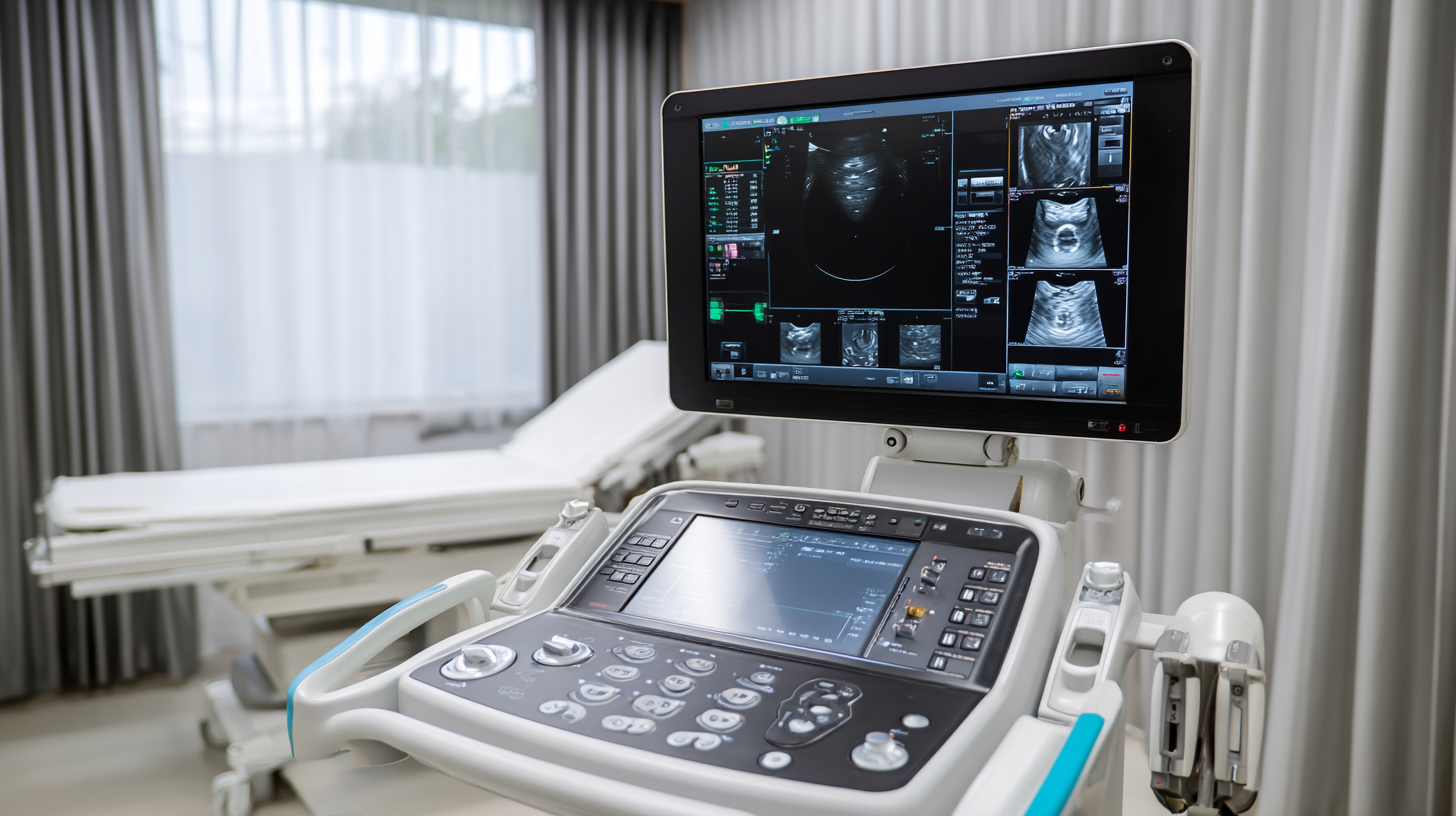 Portable units are great if you’re often doing on-site visits or if space is tight — they’re lightweight, super easy to handle, and still pack a punch when it comes to diagnostics. Then there are compact machines, which kinda hit the sweet spot — they deliver decent image quality but are still manageable for smaller clinics that don’t need the absolute top-of-the-line systems.
On the other hand, tabletop ultrasound machines tend to be more powerful and are usually found in specialized vet practices. They come loaded with advanced features and produce sharper images, making them perfect for more detailed work. Plus, they often include multiple probes, so you can do more comprehensive exams for different animals and situations. The key, really, is understanding what your practice needs most — whether it’s portability, enough diagnostic power, or advanced capabilities — so you can pick the right machine that fits your services and the animals you typically see.
Key Features to Look for in an Ultrasound Machine
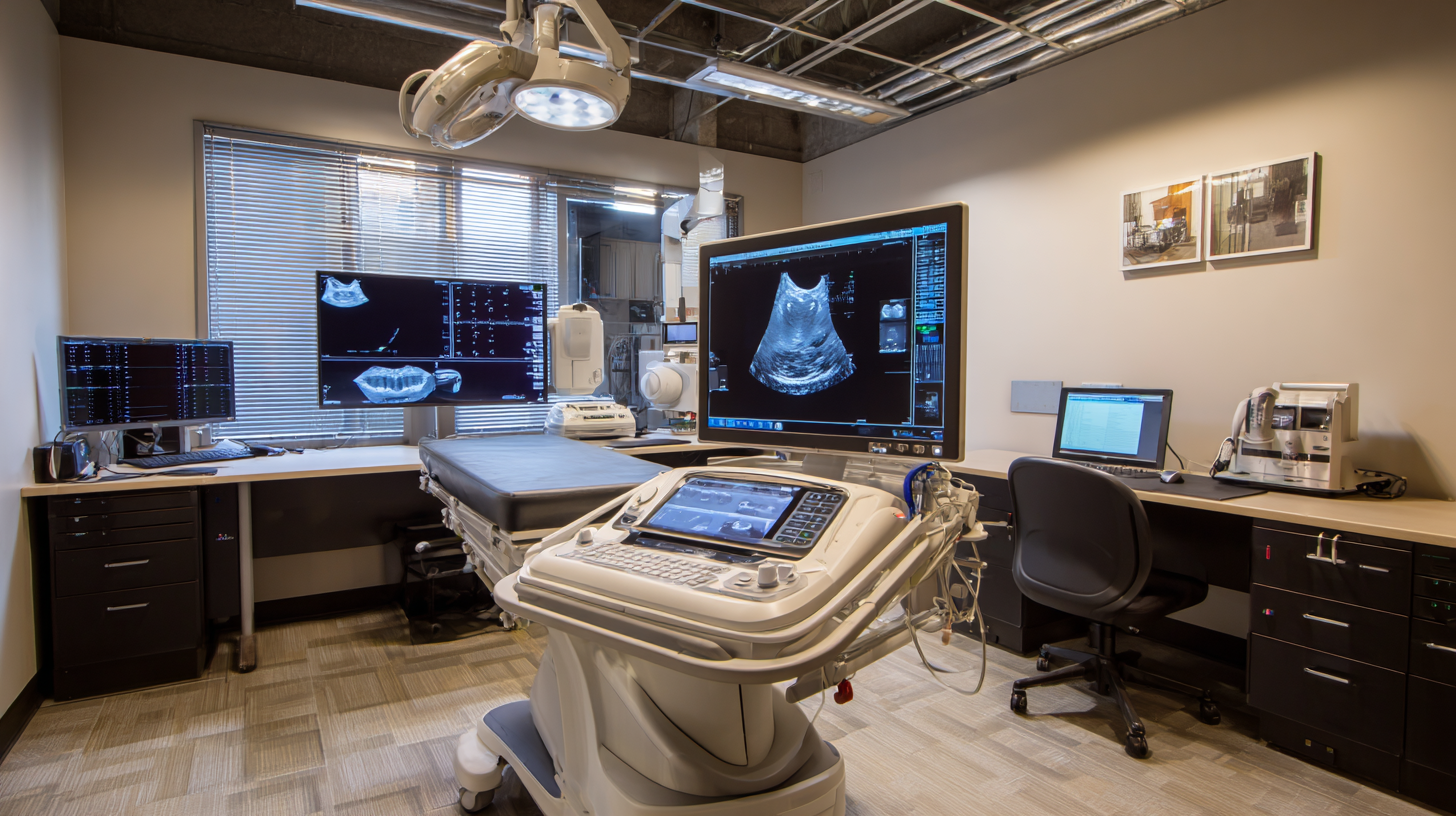 When you're choosing an ultrasound machine for your veterinary practice, there are a few important features to keep in mind that can really make a difference in how accurate and efficient your diagnoses are. First off, image quality is a big deal. A machine that provides high-resolution images will help you spot those tiny abnormalities in soft tissues and organs, which can seriously improve your overall diagnosis. It’s also a good idea to look for models that offer different imaging modes — things like B-mode, Doppler, and even 3D imaging — to get a full picture and better insights.
Portability is another thing to think about. If your work involves visiting farms or dealing with large veterinary operations on the go, a lightweight, portable ultrasound might be just what you need. Plus, ease of use really matters, especially if you want things to go smoothly. Touchscreens and user-friendly interfaces can make the whole process faster and help your staff get up to speed without a lot of hassle. Lastly, don’t forget to check out the connectivity options — USB ports, software compatibility, that sort of thing. Being able to easily transfer data and manage records streamlines your workflow and makes it easier to work with specialists or keep your files organized.
All in all, choosing the right machine isn’t just about specs — it’s about finding tools that fit your practice’s needs and help you provide the best care possible.
Evaluating Budget Constraints and Costs of Ownership
When you're choosing an animal ultrasound machine for your practice, it’s really important to think about your budget and understand all the costs involved. The initial price can vary a lot—depending on what the machine can do, the brand, and the features included. It's not just about the upfront cost, though. You also want to make sure the machine’s capabilities match your clinical needs. For example, a model with fancy imaging might be more expensive initially, but it could help you make more accurate diagnoses, which is a win for both patient care and your practice’s reputation.
And don’t forget about the ongoing expenses either—things like maintenance, staff training, and regular software updates. Sometimes a cheaper machine might look appealing at first, but those hidden costs—like frequent repairs or needing extra equipment—can add up pretty quickly. Plus, it's worth considering how well the machine holds its value over time. Buying a reputable, high-quality model might actually pay off in the long run when you decide to sell it.
So, taking the time to weigh both your budget and the total cost of ownership will help you make smarter decisions—ones that support your wallet and your clinical work at the same time.
Assessing Manufacturer Support and Warranty Options
When you're choosing an animal ultrasound machine, it's super important to consider what kind of support and warranty options the manufacturer offers. A good, trustworthy company will be there when you need them, offering solid support so you can handle any technical hiccups quickly and without a headache. Make sure to check if they have multiple ways to get in touch—like phone support, online resources, or even on-site visits—because accessibility really matters. If the company is known for fantastic after-sales service, it can make your life a lot easier by minimizing downtime, so you can stay focused on your patients instead of stressing over tech issues.
Oh, and don’t forget about warranties—they can really vary a lot between brands. It’s worth digging into what the warranty actually covers, how long it lasts, and if there are any restrictions. Ideally, you want a warranty that covers not just manufacturing defects but also common wear and tear, with repair services included. Some manufacturers even offer extended warranties or service contracts—those can give you some peace of mind and help keep costs predictable in the long run. Spending a little extra time comparing all these things can really pay off, making sure your new ultrasound machine actually helps your practice and gives you good bang for your buck over the years.
Making a Decision: Comparing Models and User Reviews
When you're on the hunt for the right animal ultrasound machine for your practice, it’s pretty much a must to compare different models and check out what other users are saying. I mean, according to a report from the American Veterinary Medical Association (AVMA), more than 70% of vets feel that fancy imaging tech really boosts their ability to diagnose things accurately. That just goes to show, investing in good, up-to-date gear is important, but you also wanna make sure it actually fits what your practice needs.
And honestly, user reviews are super helpful here. A survey by Veterinary Practice News found that about 85% of vets consider what their peers think before buying diagnostic tools. People really pay attention to how clear the images are, whether the system’s easy to operate, and if customer support is solid. For vets working mobile practices, models that are lightweight and have good battery life tend to be the favorites—because quick, reliable scans are kinda essential for them. So, taking the time to compare different options based on what other users say can seriously help you make smarter, more confident decisions, and in the end, improve your diagnostic game.
Hope this helps make the whole process a little less overwhelming!
How to Choose the Right Animal Ultrasound Machine for Your Practice
| Feature | Model A | Model B | Model C |
| Price | $5,000 | $6,500 | $4,800 |
| Weight | 15 lbs | 20 lbs | 12 lbs |
| Screen Size | 15 inches | 17 inches | 12 inches |
| Battery Life | 6 hours | 8 hours | 5 hours |
| Image Quality | High | Very High | Medium |
| User Rating | 4.2/5 | 4.8/5 | 3.9/5 |
FAQS
: The most important feature is image quality, as high-resolution imaging capabilities allow practitioners to identify subtle abnormalities in soft tissues and organs, improving diagnostic accuracy.
Portability is essential for farm visits or on-the-go assessments in large veterinary operations, as lightweight and portable units can enhance the flexibility of veterinary services.
User-friendly interfaces and touchscreen controls facilitate faster operation and reduce the learning curve for veterinary technicians, making the diagnostic process more efficient.
Connectivity options such as USB ports and software compatibility are important for easy data management and transfer, which supports better patient record keeping and collaboration with specialists.
User reviews are very significant; a survey found that 85% of veterinarians consider peer feedback when purchasing diagnostic equipment, highlighting the importance of shared experiences.
Critical features highlighted by veterinarians include image clarity, ease of use, and customer support, with 67% of respondents emphasizing these factors.
Advanced imaging techniques are believed to significantly enhance diagnostic accuracy, with over 70% of veterinarians recognizing their importance for effective diagnosis.
Practitioners should evaluate aspects such as image clarity, portability, battery life, ease of use, and customer support when comparing different ultrasound models.
Models with high ratings for portability and battery life are favored in mobile veterinary practices, ensuring rapid scanning capabilities are readily available.
Thorough comparison helps practitioners make informed, confident choices that enhance their diagnostic services and ensure the selected model meets their specific practice needs.
Conclusion
When you're choosing an animal ultrasound machine for your veterinary practice, it’s really important to start by figuring out what your specific needs are. Honestly, understanding the different types out there can help you narrow down your options — there are quite a few choices! Think about features like how clear the images are, whether the device is portable, and how easy it is to operate. Oh, and don’t forget to consider your budget and what the overall costs might look like in the long run — that stuff really adds up.
Also, it’s smart to check out what kind of support and warranty the manufacturer offers. You want something reliable and peace of mind that won’t leave you hanging if issues pop up. Once you've got that covered, take some time to compare different models and read reviews from other vets. That way, you can make a choice that truly fits your practice’s needs. At Sichuan Eacenic Science & Technology Group Co., Ltd., we’re all about designing and making top-notch veterinary tech — so you can count on us for dependable, high-quality animal ultrasound machines.

 Bovine
 Equine
 Swine
 Ovine
 Pet