inquiry
Leave Your Message
0%

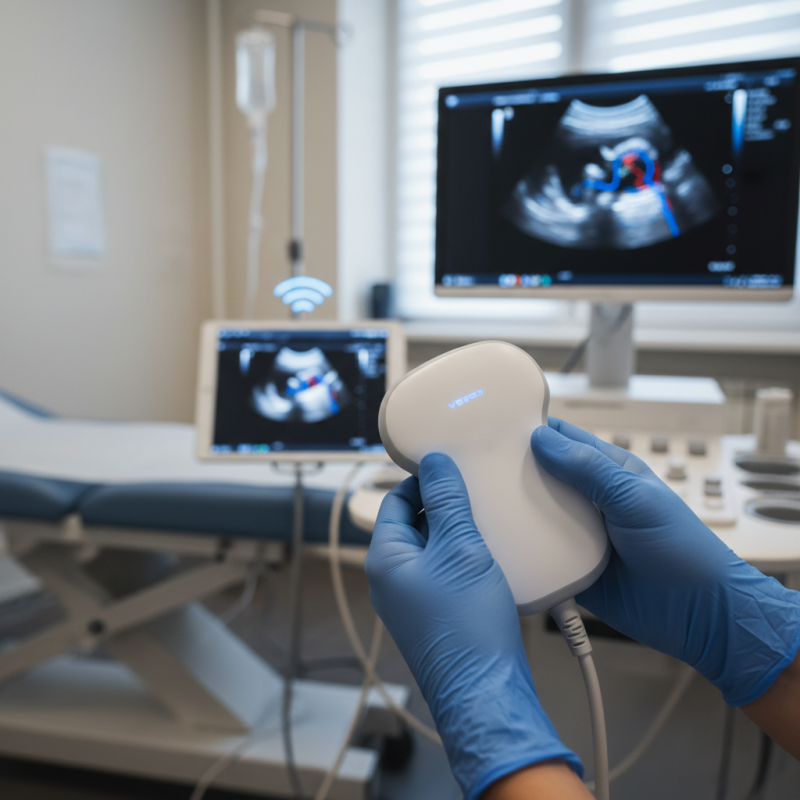
Picking the right Wireless Ultrasound Probes is pretty important if you wanna get good imaging results. These gadgets really have their perks—like making it easier to move around and access patients more simply. But, honestly, not all wireless probes are the same. Different brands come with different features, which can make things a tad confusing when you're trying to decide.
How to Choose Wireless Ultrasound Probes for Medical Imaging?

Understanding Wireless Ultrasound Probes and Their Applications

Wireless ultrasound probes have transformed medical imaging, offering more flexibility and convenience in patient care. These devices allow clinicians to perform ultrasound exams without the constraint of wires, improving mobility and access. According to a 2022 report by MarketsandMarkets, the global wireless ultrasound market is projected to reach $1.73 billion by 2025, reflecting increasing demand for point-of-care diagnostic tools.

Understanding the applications of wireless ultrasound probes is crucial for effective usage. They are widely adopted in emergency medicine, obstetrics, and remote areas where traditional machines may not be available. These probes can transmit images in real-time to mobile devices, enhancing remote consultation capabilities. However, challenges remain. Data security is a significant concern, as sensitive patient information can be vulnerable during transmission. Additionally, image quality may vary compared to traditional ultrasound systems, raising questions about reliability in critical situations.

Training healthcare professionals to use wireless ultrasound technology effectively is essential. Studies suggest that some clinicians may feel less confident with wireless devices, impacting diagnostic accuracy. Continuous education is necessary to mitigate these gaps. With ongoing advancements, wireless ultrasound probes will likely play a pivotal role in expanding the reach of medical imaging, but their integration into practice requires careful consideration and reflection.

Comparison of Wireless Ultrasound Probe Frequency vs. Image Quality

Key Features to Look for in Wireless Ultrasound Probes

When selecting wireless ultrasound probes for medical imaging, several key features can significantly impact your choice. Firstly, consider image resolution. A high-resolution probe can significantly enhance diagnostic accuracy. Reports indicate that probes offering resolutions above 1.5 MHz provide clearer images. Clear imaging is critical in patient assessments.

Battery life is another essential factor. Probes with longer battery life reduce interruptions during procedures. Data suggests that models lasting over three hours on a single charge are preferable in busy clinical settings. Additionally, the connectivity options should be a priority. Probes with seamless integration capabilities into existing systems streamline workflow.

The weight of the probe also matters. Lightweight probes improve ergonomics for providers. However, many devices compromise weight for performance. Finding the balance is crucial. Lastly, the adaptability of Different Ultrasound Probesfor various medical uses can affect your decision. Probes that cater to a wider range of applications offer flexibility. Reviewing clinical studies can provide insights into how Different Ultrasound Probes perform in real-world scenarios.

Evaluating Image Quality: Resolution and Frequency Considerations

How to Choose Wireless Ultrasound Probes for Medical Imaging?

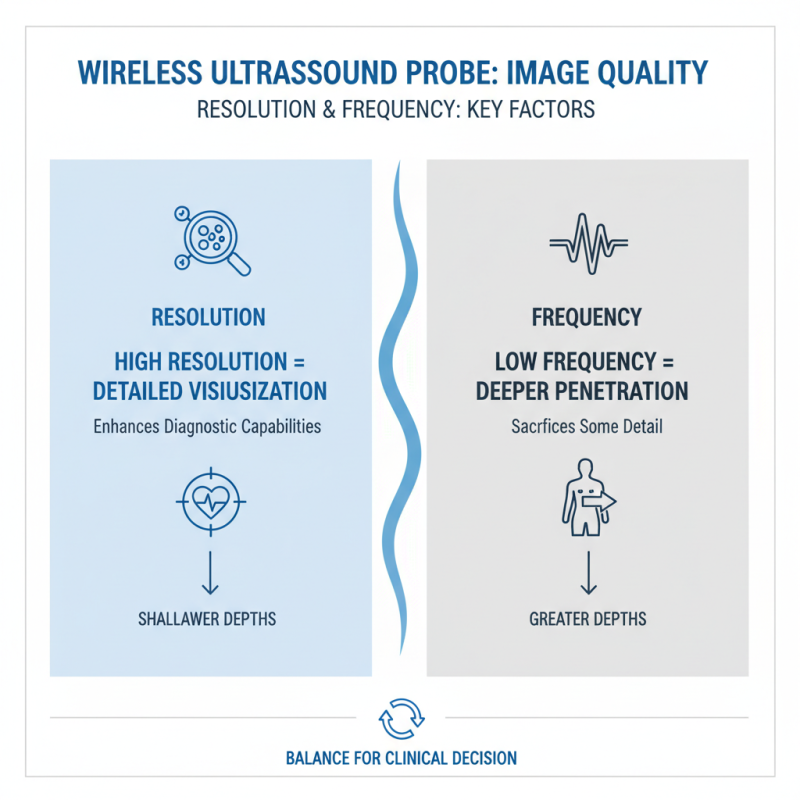
When evaluating image quality in Wireless Ultrasound Probes, resolution and frequency are crucial factors. High-resolution images allow for detailed visualization of structures. This enhances diagnostic capabilities and aids in clinical decisions. Lower frequency probes can penetrate deeper but may sacrifice resolution. High frequency offers better detail but at shallower depths. It’s a balance that needs careful consideration.

Understanding the resolution involves more than just numbers. It's about clarity in the context of what you're diagnosing. For instance, a probe may provide adequate resolution for general assessments but may not suffice for intricate evaluations. The frequency of the wireless ultrasound probe will directly influence the anatomy being examined. If the chosen frequency doesn’t align with the target depth, image quality can suffer. Strive to match the probe's capabilities with specific imaging requirements for optimal results.

In practice, users might often find discrepancies between expected and actual image quality. This gap may lead to frustrations in diagnosis. Reflecting on past experiences with various wireless ultrasound probes can provide insights. Each scenario offers lessons in choosing the right tools for the job. Engaging in discussions with peers can also enhance understanding and lead to better choices in future imaging tasks.

Assessing Compatibility with Existing Medical Imaging Systems

How to Choose Wireless Ultrasound Probes for Medical Imaging?

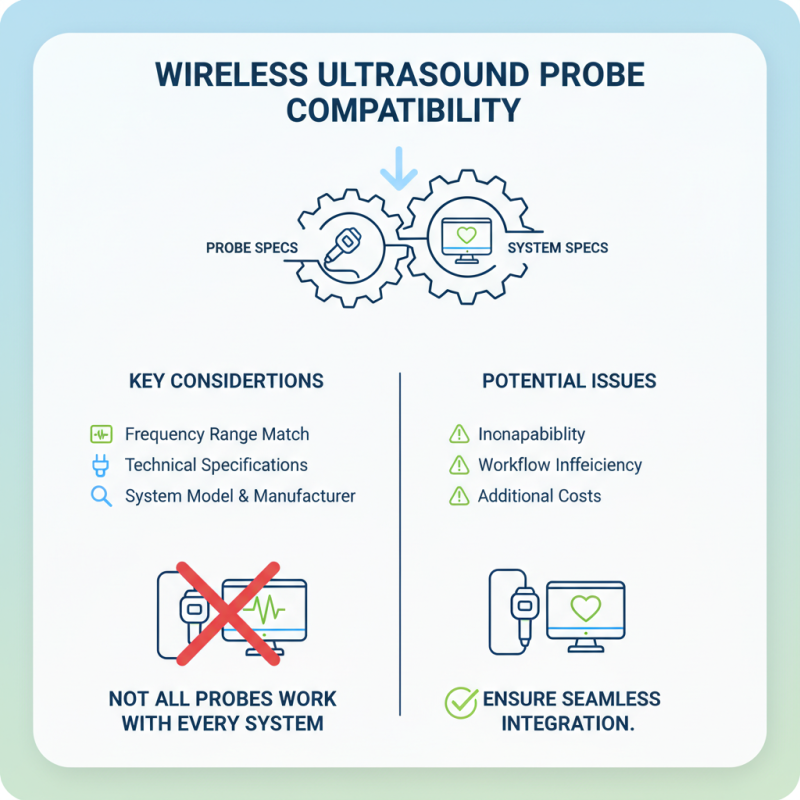
When choosing wireless ultrasound probes, compatibility with existing medical imaging systems is crucial. Evaluate the technical specifications of both the probes and your current systems. Check if the frequency range of the probes matches your equipment. Not all probes will work with every system, which can lead to inefficiencies.

Tips: Always ask for compatibility documentation. It will save headaches later. Test different probes with your systems to ensure seamless integration. Don’t ignore user feedback; it can reveal unseen issues.

Also, consider the software. Ensure that the ultrasound probe supports the necessary software updates. Some older systems may not be compatible with new technology. A good probe may still lag if the software is outdated.

Tips: Regularly update your systems to avoid compatibility issues. Train your staff on the latest technology. An informed team can make all the difference.

Finding the right wireless ultrasound probe requires thorough research. It may be tempting to choose the latest model, but it’s not always the best choice. Take time to reflect on how the probe fits within your current setup.

Battery Life and Portability in Wireless Ultrasound Probes

When selecting wireless ultrasound probes, battery life and portability are critical factors. Efficient battery life ensures that the device can last through long procedures without interruptions. Recent studies indicate that many Wireless Ultrasound Scanners can operate for between 3 to 6 hours on a single charge. However, there are models that fall short, running out of power too soon.

Portability plays an equally significant role. Lightweight and compact designs allow for easy transport between locations. Some probes weigh less than 1 kilogram, making them convenient for fieldwork. However, a major concern exists here. While portability is a key feature, it often compromises imaging quality. Users sometimes encounter lower resolution images compared to traditional wired models.

Healthcare professionals must balance these elements. Choices in Wireless Ultrasound Scanners should consider not only how convenient they are but also their performance. A probe that is easy to carry may not always provide the best diagnostic capabilities. A detailed assessment of battery life and portability can lead to better outcomes in patient care.

How to Choose Wireless Ultrasound Probes for Medical Imaging? - Battery Life and Portability in Wireless Ultrasound Probes

Probe Type Battery Life (Hours) Weight (grams) Charging Time (Hours) Portability Rating (1-10)
Linear Probe 8 300 2 8
Convex Probe 10 350 2.5 7
Phased Array Probe 6 280 1.5 9
Endocavitary Probe 5 150 1 10
Transesophageal Probe 7 200 2 6

Cost Considerations: Budgeting for Wireless Ultrasound Technology

When budgeting for wireless ultrasound technology, it's crucial to weigh initial costs against long-term benefits. Reports indicate that the global wireless ultrasound market is projected to exceed $2 billion by 2025, underscoring its growing significance in medical imaging. However, this rapid growth comes with varying price points. Options can range significantly based on features, from basic models to advanced imaging capabilities.

Cost is not the only factor. Maintenance and training expenses can add up. Regular software updates are also essential, creating hidden costs. Many facilities overlook these when budgeting. Investing in Wireless Veterinary Ultrasound may seem daunting initially, but the accessibility it provides can enhance service delivery.

Ultimately, the upfront expense may be justified if quality imaging leads to better patient outcomes. Some users, however, report frustrations with connectivity issues. These challenges can affect workflow. Balancing cost-efficiency with reliability is key. The true value comes from integrating this technology effectively into clinical practice.

User Experience: Training and Usability Factors in Probe Selection

Choosing wireless ultrasound probes for medical imaging requires careful consideration of user experience. Training and usability play important roles in probe selection. Reports show that effective training can improve the confidence of healthcare professionals significantly, with 70% stating they felt more skilled after thorough training sessions. Ease of use directly affects image accuracy and diagnosis efficiency.

Tips: Prioritize probes that offer intuitive interfaces. Seek systems that provide hands-on training programs.

Usability factors often include probe weight and ergonomics. A lightweight design can reduce fatigue during long procedures. Studies reveal that 65% of users prefer probes that feel balanced and comfortable in hand. Feedback mechanisms are crucial; they let users report issues in real-time, potentially improving future designs.

Tips: Test prototypes before purchase. Gather input from various users before deciding.

Comprehensive Guide to the ECI-1800 Portable Veterinary Ultrasound Scanner for Effective Pregnancy Diagnosis in Animals

The ECI-1800 Portable Veterinary Ultrasound Scanner is a game-changer in the realm of pregnancy diagnosis for animals. This innovative device offers multiple pseudo-colors, significantly enhancing the viewing experience for veterinarians. The high-quality images produced allow for more accurate assessments, making it easier to track the health and development of unborn animals. The visual clarity provided by these advanced imaging techniques is essential for effective diagnosis and treatment planning, boosting the confidence of veterinary practitioners during examinations.

Another standout feature of the ECI-1800 is its robust battery life, which is crucial for fieldwork where access to power may be limited. With a large capacity battery, this ultrasound scanner is designed to ensure prolonged usage, enabling veterinarians to conduct multiple examinations without the need for frequent recharges. Coupled with the lightweight and sturdy ABS body, the device is not only portable but also built to withstand the rigors of daily use in various environments, making it ideal for mobile veterinary practices.

Ergonomically designed, the ECI-1800 boasts a comfortable handle, ensuring ease of use during long procedures. This thoughtful design consideration allows veterinary professionals to focus on delivering the best care without the distraction of cumbersome equipment. By combining portability, durability, and advanced imaging capabilities, this ultrasound scanner sets a new standard for effective pregnancy diagnosis in animals, empowering veterinarians to provide exceptional service to their patients.

FAQS

: What types of products are commonly discussed?

: Various consumer goods and services are analyzed. These include electronics, clothing, and household items.

How can one make informed purchasing decisions?

Research products online. Read reviews and compare prices. Consider both quality and cost before purchasing.

Are there common pitfalls in online shopping?

Yes, people often overlook return policies. Misunderstanding terms can lead to disappointment.

What should I watch for in product reviews?

Focus on detailed feedback. Look for consistency in reviews. Avoid overly positive or negative extremes.

Can I trust all online reviews?

Not always. Some reviews may be biased or fake. Use multiple sources to gauge reliability.

How do I know if a deal is good?

Compare prices across platforms. Check historical prices and read the fine print on discounts.

What factors should I consider before trying new products?

Look into ingredients or materials used. Be cautious of anything unfamiliar.

Is it better to buy in-store or online?

Each has pros and cons. Online offers convenience; in-store provides immediate product inspection.

What if a product doesn’t meet expectations?

Review the return policy carefully. Sometimes it’s tricky to resolve issues after purchase.

How can I improve my shopping experience?

Plan purchases ahead. Prepare a list and stick to it. Avoid impulse buying to enhance satisfaction.

Conclusion

Wireless Ultrasound Probes represent a significant advancement in medical imaging technology, offering enhanced flexibility and convenience in various clinical settings. Understanding their applications is crucial for making informed decisions, as these probes can be utilized in diverse areas such as emergency medicine and point-of-care diagnostics. Key features to consider include image resolution and frequency, which directly impact diagnostic accuracy, as well as compatibility with existing medical systems to ensure seamless integration.

In addition to technical specifications, factors like battery life and portability are vital, especially for mobile applications. Budget constraints also play a significant role in the selection process, as wireless technology can vary significantly in cost. Lastly, user experience cannot be overlooked; effective training and usability can greatly enhance the benefits of using Wireless Ultrasound Probes, ultimately leading to better patient outcomes.

Ethan

Ethan

Ethan is a dedicated marketing professional at Sichuan Eacenic Science & Technology Group Co., Ltd., a company established in 2009 that specializes in the design, manufacture, and sales of veterinary medical electronics and integrated circuits. With a deep understanding of the company’s products,......
Previous Understanding the Technical Specifications of the Best Cattle Ultrasound Machine and How to Choose the Right One