Using a Canine Sperm Analysis Machine can really shake things up in veterinary work. Dr. James Hart, who's pretty much a guru in dog reproductive tech, mentions, "Getting precise sperm analysis is absolutely key if you want the best possible breeding results."
To get reliable results, though, you’ve gotta know how to operate that machine like a pro. Understanding its settings—like tweaking the temperature or light sensitivity—can make all the difference in what you get out of it. It’s a bit of a learning curve, but once you get the hang of it, things tend to run smoother.
Of course, it’s not all smooth sailing. Some techs find it tricky to interpret the data properly. That can lead to making less-than-stellar breeding choices, which nobody wants. The trick is, continuous practice and ongoing training really help you get better at reading those results and avoiding mistakes. Bottom line? Using the Canine Sperm Analysis Machine takes a good mix of skill, patience, and a sharp eye for detail if you want to succeed.
Understanding the Basics of Canine Sperm Analysis Machines
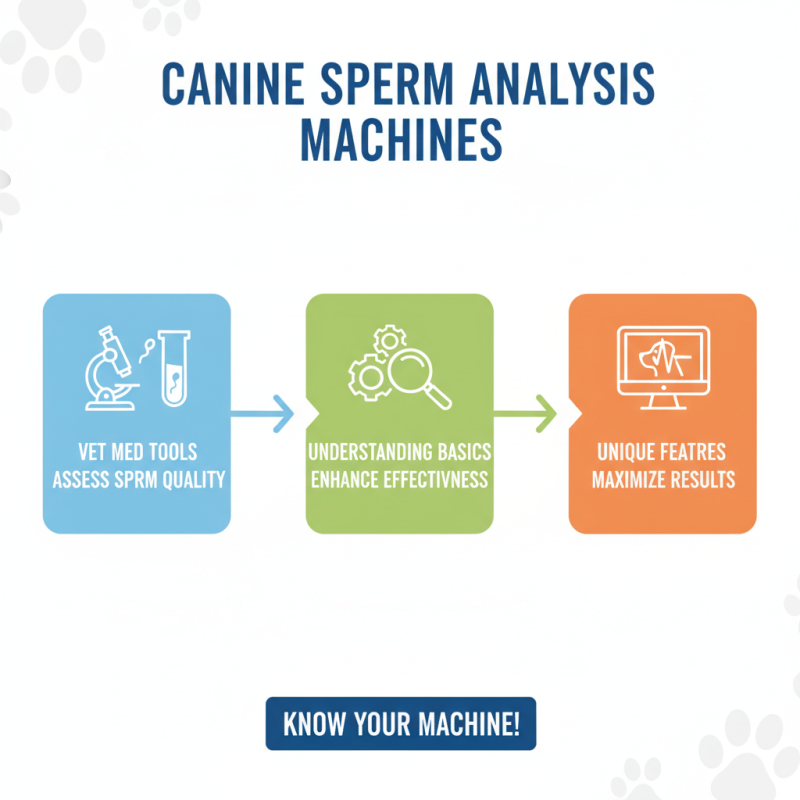
Canine sperm analysis machines are specialized tools used in veterinary medicine. They help assess the quality of a dog's sperm. Understanding the basics can enhance your effectiveness with these machines. Each machine has different features and functions. Familiarize yourself with your specific model to maximize results.
Proper sample collection is crucial. Techniques vary, and some require training. The sample must be fresh and handled with care. Even small mistakes can affect results. Environmental factors, like temperature, also play a significant role. Ensure that the machine is set up in a controlled environment for accuracy.
Data interpretation matters. It's not just about numbers; it's about what they mean. The analysis may reveal issues not obvious at first glance. Reevaluate your techniques often. This will help refine your approach. Observing patterns in results can lead to better management of breeding programs. But remember, it’s a learning process with room for growth.
Key Components of a Canine Sperm Analysis Machine
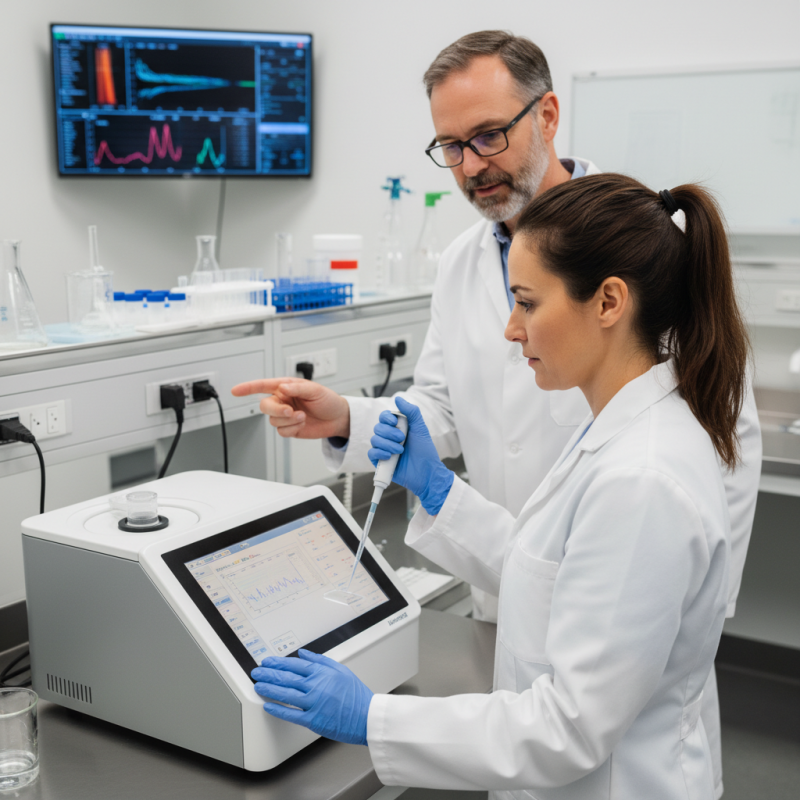
Canine sperm analysis machines are essential tools for veterinarians. Understanding their key components can enhance their effectiveness. A reliable microscope is vital. It allows precise examination of sperm motility and morphology. Look for high-quality optics. This detail affects the clarity of your observations.
Another important component is the computer interface. It should be user-friendly. It enhances data management and analysis. A good interface will allow you to store and compare results easily. Consider software that can generate detailed reports. This simplifies discussing findings with pet owners.
Lastly, an accurate heating element is crucial. It maintains optimal temperature during analysis. Without proper temperature control, sperm viability can be compromised. This aspect requires careful attention when performing Vet Sperm Analysis. Reflect on your setup and check calibration regularly. Small details can impact the results significantly.
Preparing Samples for Canine Sperm Analysis
Preparing samples for canine sperm analysis is a crucial step. Proper preparation ensures accurate results. It all begins with collection. Use clean, sterile equipment. Avoid contamination. Samples should be fresh, ideally collected on the same day. If possible, use a warm environment to maintain viability.
Tips for collection: Make sure the dog is relaxed. Stress can affect sperm quality. Monitor the temperature of the sample. A mild temperature is important to maintain sperm integrity. Be aware of factors like diet and health that can impact results. A well-fed, healthy dog produces better samples.
After collection, transport the samples carefully. Use insulated containers to prevent temperature fluctuation. It's acceptable if you need to store samples briefly. However, aim for analysis within a few hours. Try to avoid long storage times. Remember, preparation is key for canine sperm analysis. Also, take a moment to reflect on your method. What could you do better next time? Understanding these aspects is vital for precise outcomes.
Canine Sperm Quality Analysis
Step-by-Step Guide to Operating the Machine
Operating a canine sperm analysis machine requires attention to detail. Begin by setting up the machine in a clean, dry environment. Ensure all components are properly calibrated. It’s crucial to follow the manufacturer’s guidelines. However, minor inconsistencies can occur, and adjustments may be needed along the way.
Collect the bull sperm samples with care. Use sterile containers to avoid contamination. After collection, promptly analyze the samples to ensure accurate results. If the machine shows unexpected results, it may require troubleshooting. Take time to review the protocols and double-check your steps. Using a notebook can help track any errors.
Lastly, familiarize yourself with the machine’s software. Understanding its interface can save time and prevent mistakes. Keep in mind that not every trial will yield perfect results. Reflect on your processes and aim for continuous improvement. Mastering Bull Sperm Analysis can be challenging, but practice is key.
Interpreting Results from Canine Sperm Analysis
Interpreting results from canine sperm analysis requires careful attention. A recent study indicates that more than 30% of canine sperm samples may show abnormalities. Common issues include reduced motility and abnormal morphology. Understanding these parameters is crucial for breeders and veterinarians.
Tips: Always compare the sample results with breed standards. Each breed may have specific markers for normalcy. If abnormalities persist, consider retesting after changes in health or environment.
Additionally, focus on sperm concentration, which affects fertility. Studies show that a concentration below 300 million sperm per milliliter significantly reduces chances of successful breeding. Yet, some samples may appear normal but still yield low fertility rates. Observing behavior and health in conjunction with sperm analysis can provide deeper insights.
Tips: Document any behavioral changes in the male dog prior to analysis. Stress or illness can impact sperm quality, leading to misleading results. Always have a holistic view when assessing reproductive health.
Common Troubleshooting Tips for Canine Sperm Analysis Machines
Using a canine sperm analysis machine can be challenging. Many users face common issues that affect accuracy. Recognizing these problems is crucial for effective operation. For instance, temperature variations can impact results. Ensure the machine stays within the specified temperature range. When results seem inconsistent, check the calibration settings. This often reveals underlying issues.
Another frequent difficulty involves sample handling. Improper collection and storage can lead to misleading outcomes. It's essential to use clean, appropriate containers for samples. If you see clumping or movement issues, it may indicate poor sample quality. Address this right away to salvage testing accuracy. Don't overlook the importance of routine maintenance. Neglecting parts like filters and lenses can cause significant errors.
Lastly, be aware of user error. Sometimes, simple mistakes lead to flawed data. Double-check each procedure step. Review the user manual regularly. It’s easy to overlook minor details that could impact results. Emphasizing attention to detail can drastically enhance machine efficiency and reliability.
Best Practices for Regular Maintenance of the Equipment
Regular maintenance of a canine sperm analysis machine is crucial for accurate results. Dust and debris can accumulate, affecting performance. It’s essential to clean all surfaces weekly. Use a soft cloth and a gentle cleanser. Avoid harsh chemicals that could damage the machine.
Check the calibration frequently. An out-of-calibration machine can yield misleading data. A small adjustment might seem insignificant but can impact test results. Document any changes in calibration settings. This reflection helps track discrepancies over time.
Additionally, monitor the machine’s software for updates. Updates may introduce important bug fixes or new features. Neglecting software maintenance can lead to operational inefficiencies. It's easy to overlook, but doing so might compromise the machine’s effectiveness. Developing a routine maintenance checklist can simplify this process.
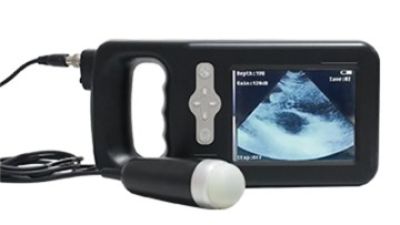
Innovative Animal Detection: Harnessing the SUN-2300 Ultrasound Machine with 5.0 MHz Maglev Probe for Enhanced Veterinary Care
The SUN-2300 Ultrasound Machine with its advanced 5.0 MHz Maglev Probe is revolutionizing veterinary care, particularly in the realm of animal detection. This innovative technology is specifically designed to enhance the accuracy of back-fat measurement, an essential factor in assessing the health and growth of various livestock. With its user-friendly interface, which features simplified buttons for quick operation, veterinarians can conduct examinations swiftly, minimizing stress for both the animal and the practitioner.
One of the standout features of the SUN-2300 is its durable maglev probe, engineered to withstand the challenges of everyday use in veterinary clinics. This probe is resilient against extreme conditions, boasting anti-freeze and anti-oil leakage properties that ensure consistent performance regardless of the environment. Furthermore, the machine is equipped with a large capacity battery, offering ultra-long standby times, which is crucial for busy animal health professionals who need reliable equipment at their fingertips. With these enhancements, the SUN-2300 not only improves diagnostic efficiency but also elevates the standard of care in veterinary practices.
FAQS
: A healthy diet includes fruits, vegetables, whole grains, and lean proteins. Balance is key for overall health.
Aim for at least eight 8-ounce glasses. You may need more if active or in a hot climate.
Regular exercise boosts mood, increases energy, and helps with weight management. It can prevent health issues.
Yes, stress can lead to various health problems. Managing stress is essential for better well-being.
Create a calming bedtime routine. Avoid screens before sleep and try to keep a consistent sleep schedule.
Vitamins can help if your diet lacks nutrients. Consult a healthcare professional before starting any supplements.
Read food labels carefully. Substitute sugary drinks with water or herbal tea. Choose whole fruits over sweets.
Regular check-ups are important. Most adults should see a provider at least once a year for preventive care.
Engaging in hobbies, socializing, and practicing mindfulness can enhance mental well-being. Balance is crucial.
Maintaining a healthy weight reduces the risk of chronic diseases. It can also improve your quality of life.
Conclusion
The article titled "How to Use a Canine Sperm Analysis Machine Effectively?" provides a comprehensive overview of the essential processes involved in canine sperm analysis. It begins by explaining the fundamentals and key components of a Canine Sperm Analysis Machine, highlighting its significance in veterinary diagnostics and breeding programs. The article details the preparation of samples and offers a step-by-step guide to operating the machine, ensuring accurate results.
Additionally, it emphasizes the importance of interpreting the results correctly to make informed decisions regarding canine reproductive health. The article also includes common troubleshooting tips to address potential issues with the machine and outlines best practices for regular maintenance, which is crucial for optimal performance. Overall, this guide serves as a valuable resource for veterinarians and breeders looking to utilize a Canine Sperm Analysis Machine effectively.

 Bovine
 Equine
 Swine
 Ovine
 Pet