You know, as livestock management keeps evolving, more and more farmers are realizing just how crucial it is to jump on the tech bandwagon. One of the coolest innovations lately is the Electric Ear Tag. These smart little devices make it super easy to keep tabs on your animals—tracking health records, movements, you name it. Like Dr. James Holbrook, an industry pro, puts it, "Using Electric Ear Tags totally changes how we do traditional farming — it’s all about modern, data-driven methods that really crank up productivity."
But it’s not just about convenience. These tags pack a punch when it comes to overall herd management. With real-time data at your fingertips, decisions become a lot more informed, which helps keep the animals healthy and the farm running smoothly. Spotting trends or potential issues early on is a real game-changer — kind of like catching a problem before it even fully starts.
And let’s be honest, as tech keeps moving forward, I think Electric Ear Tags are only going to become more important for making farming more sustainable and efficient. Honestly, using these new tools isn’t really optional anymore if you want to stay competitive out there — it’s pretty much essential if you want your farm to thrive in today’s market.

Understanding Electric Ear Tags: Definition and Functionality
Electric ear tags are innovative devices designed for livestock management, enhancing the ability to monitor and track animals efficiently. These tags are typically made of durable materials and are equipped with a small electronic chip that stores essential information about each animal. This data can include health records, breeding history, and location, allowing farmers to maintain a comprehensive overview of their livestock's well-being.
The functionality of electric ear tags extends beyond simple identification. Equipped with radio frequency identification (RFID) technology, these tags enable farmers to scan and gather data quickly without the need for physical contact. This feature significantly reduces stress on the animals during management processes. Furthermore, through connectivity with agricultural management software, farmers gain access to real-time insights on their herd, aiding in decisions related to feeding, breeding, and overall health monitoring.
By integrating these advanced tools into livestock operations, farmers can improve productivity, streamline management tasks, and ultimately enhance animal welfare.
The Historical Context of Livestock Identification Methods
The historical context of livestock identification methods reveals a rich evolution influenced by the needs of farming communities over the centuries. Traditionally, livestock identification was executed through rudimentary methods such as branding or tagging with ear notches, which were often labor-intensive and prone to inaccuracies. These methods served the primary purpose of ownership identification but were limited in their ability to track the health, breeding status, and whereabouts of the animals. As livestock management became more complex, the limitations of these traditional systems became more apparent, necessitating more efficient and effective identification techniques.
The advent of technology has significantly transformed livestock management, giving rise to innovative identification methods that include electric ear tags. These modern solutions not only streamline the process of tracking individual animals but also enhance data collection capabilities. By utilizing electronic systems, farmers can gather real-time information on their livestock, aiding in better decision-making regarding breeding, feeding, and health management. This shift toward more advanced identification methods signifies a critical advancement in agriculture, enabling farmers to meet the demands of a growing population while improving animal welfare and farm productivity.
Key Advantages of Using Electric Ear Tags in Livestock Management
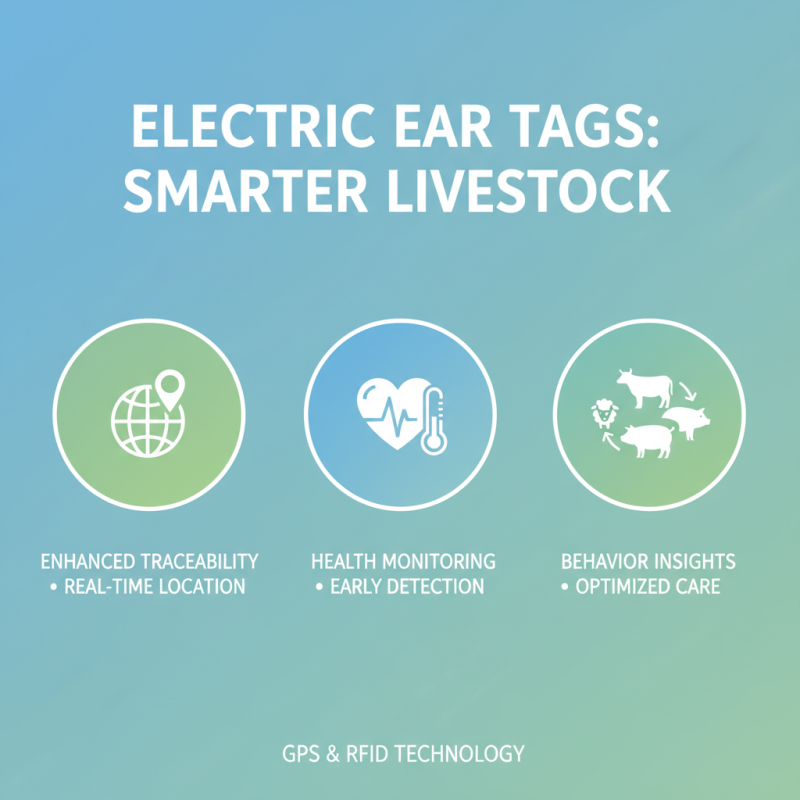
Electric ear tags are transforming livestock management by offering a range of significant advantages. One of the primary benefits is enhanced traceability. These tags enable farmers to monitor their animals in real-time, providing insights into their health, location, and behaviors. With technologies like GPS and RFID integrated into the tags, livestock owners can easily track their animals, making it simpler to manage large herds and ensure proper care.
Another key advantage is improved health management. Electric ear tags can be equipped with sensors that monitor vital signs and other health indicators. This allows for early detection of illnesses or abnormalities, enabling timely intervention and treatment. As a result, farmers can minimize the risk of disease spread within the herd, ultimately increasing productivity and reducing veterinary costs. Furthermore, consistent health monitoring supported by these tags fosters more informed breeding decisions, aiding in the overall genetic improvement of the herd.
Enhancing Animal Tracking and Monitoring with Technology
Electric ear tags have become a game-changer in the realm of livestock management, significantly enhancing animal tracking and monitoring. By incorporating advanced technology into traditional farming practices, these devices provide real-time data regarding the location and health status of livestock. With GPS capabilities, farmers can easily monitor the movement of their animals, reducing the risk of loss and enabling rapid response in case of emergencies. This level of tracking empowers livestock managers to make informed decisions, ensuring the safety and well-being of their herds.
Furthermore, electric ear tags allow for continuous health monitoring, offering insights into an animal's condition through various sensors. By tracking vital signs and behavioral patterns, ranchers can proactively manage health issues before they escalate. This technology not only improves animal welfare by facilitating timely veterinary intervention but also increases operational efficiency by allowing for better herd management. The integration of electric ear tags into livestock operations signifies a shift towards smarter farming practices, where data-driven decisions lead to enhanced productivity and sustainability in the agricultural sector.
Impact on Animal Health and Welfare through Effective Management
The use of electric ear tags in livestock management has revolutionized the way farmers monitor and care for their animals, particularly regarding health and welfare. These innovative tags provide real-time data on animal behavior, health metrics, and environmental conditions, allowing for proactive interventions that can prevent diseases and ensure the comfort of the livestock. With insights derived from constant monitoring, farmers can make informed decisions that enhance the overall quality of care provided to the animals.
Implementing electric ear tags can lead to improved animal welfare by enabling timely identification of health issues. Farmers can detect changes in activity levels or feeding patterns, which are often early indicators of stress or illness. This responsive approach not only helps in minimizing animal suffering but also contributes to better productivity and longevity in the herd.
Tips for optimizing the use of electric ear tags include regularly checking the data and adjusting management practices based on the insights gained. Additionally, integrating these tags with other technology, such as automatic feeding systems, can create a comprehensive management solution that caters to the specific needs of each animal. Lastly, ensure that all equipment is properly maintained and that staff is trained in both the technology and animal care practices, reinforcing a culture of welfare-first management.
Benefits of Electric Ear Tags for Livestock Management
Cost Analysis: Investment and Long-Term Benefits of Electric Ear Tags
Electric ear tags have revolutionized livestock management by providing farmers with a robust tool for tracking, monitoring, and managing their herds. When considering the cost analysis of investing in electric ear tags, it is essential to weigh the initial expenditure against the long-term benefits they offer. The upfront costs may appear substantial; however, the efficiency and data accuracy gained through these devices often lead to significant savings over time. By reducing the labor required for manual tracking and improving data management, farmers can allocate resources more effectively, ultimately increasing profitability.
In terms of long-term benefits, electric ear tags provide invaluable insights that can enhance herd health and productivity. These tags can monitor vital signs, location, and feeding patterns, giving farmers the ability to quickly identify and address issues. By enabling proactive management strategies, electric ear tags can help minimize veterinary costs and improve livestock welfare. Over the years, the gains in productivity, coupled with reduced operational costs, often result in a return on investment that justifies the initial financial outlay.
This technological advancement not only facilitates better decision-making for farmers but also paves the way for sustainable livestock practices that can adapt to changing agricultural demands.
Future Trends in Livestock Technology: The Role of Electric Ear Tags
The future of livestock management is increasingly intertwined with advanced technologies, and electric ear tags are at the forefront of this evolution. These innovative tools enhance tracking and monitoring of livestock, offering farmers precise data on health, location, and behavior. As we embrace digital transformation in agriculture, electric ear tags are set to revolutionize the way livestock is managed, optimizing production efficiency and animal welfare.
One notable trend is the integration of electric ear tags with IoT (Internet of Things) devices. This synergy allows for real-time data collection and analysis, enabling farmers to make informed decisions swiftly. With the ability to monitor vital signs and detect anomalies early, electric ear tags can significantly reduce veterinary costs and improve overall herd health. As technology expands, we can expect even more sophisticated features, such as GPS tracking and predictive analytics, which will shape the future of livestock management.
Tips for implementing electric ear tags effectively include ensuring proper installation to avoid irritation, regularly updating tag software for the latest features, and training staff on how to interpret the data collected. Engaging in discussions with peers about best practices can also provide valuable insights and enhance the overall effectiveness of this technology. By keeping abreast of developments in livestock technology, farmers can position themselves at the forefront of agricultural innovation.
Essential Guide to Choosing and Using Animal Ear Tags for Effective Livestock Management
Choosing the right animal ear tags is crucial for effective livestock management, particularly in operations that rely on accurate tracking of animal health and performance. A comprehensive guide to selecting these tags emphasizes the importance of durability and functionality, which directly impacts data integrity and animal welfare. Studies indicate that up to 20% of livestock owners experience issues with tag loss or damage, leading to significant data gaps. This underscores the necessity of investing in high-quality tags that can withstand various environmental conditions.
One excellent option for livestock management is ear tags made from thick TPU material, known for its superior resilience and longevity. The one-piece design minimizes the risk of detachment, ensuring that tags remain securely in place despite rough handling or environmental stressors. Additionally, waterproof features contribute to their sustainability, enabling them to retain legibility and functionality even in adverse weather conditions. According to industry reports, livestock farms that adopt durable and reliable tagging solutions witness up to a 30% reduction in tracking errors, solidifying the importance of quality materials in ear tag construction.
Incorporating these advanced ear tags into livestock management practices not only streamlines the process of monitoring individual animals but also enhances overall herd management efficiency. Effective tagging systems facilitate better health tracking, breeding management, and regulatory compliance, which are essential for maintaining a productive and profitable farming operation. As the industry continues to evolve, prioritizing well-designed and robust ear tags will be key to successful livestock management strategies.
FAQS
: Electric ear tags are advanced devices used in livestock management that provide real-time data on the location and health status of animals. They incorporate GPS technology for monitoring movements and enabling rapid response in emergencies, thereby improving safety and decision-making.
Electric ear tags allow for continuous health monitoring by using sensors to track vital signs and behavioral patterns. This proactive approach helps ranchers manage health issues early, improving animal welfare and facilitating timely veterinary interventions.
The upfront costs of electric ear tags may seem substantial; however, they are an investment in improved efficiency and data accuracy for livestock management.
Long-term benefits include enhanced herd health, increased productivity, reduced veterinary costs, and better resource allocation, which can lead to significant savings and increased profitability over time.
By reducing the labor required for manual tracking and enhancing data management, electric ear tags enable farmers to allocate resources more effectively, thereby improving operational efficiency.
Electric ear tags lead to smarter farming practices by facilitating data-driven decisions, which can increase productivity and sustainability while adapting to changing agricultural demands.
Yes, with their GPS capabilities, electric ear tags allow farmers to quickly locate and manage animals in emergencies, thus reducing the risk of loss.
Electric ear tags can track various data, including location, vital signs, and feeding patterns, giving farmers valuable insights for management decisions.
While the article does not specify, electric ear tags are designed to be versatile and can generally be used across different types of livestock for better tracking and monitoring.
By enabling proactive health management and early issue identification, electric ear tags can help minimize veterinary costs and promote better livestock welfare.
Conclusion
Electric ear tags are revolutionizing livestock management by providing an innovative solution for animal identification and monitoring. These digital tags offer a significant upgrade from traditional methods, enabling farmers to track their livestock more effectively and improve overall management practices. The advantages of electric ear tags include enhanced animal tracking, real-time health monitoring, and improved welfare through better data management.
Additionally, the incorporation of technology in livestock management not only increases operational efficiency but also has positive implications for animal health. A cost analysis reveals that while the initial investment in electric ear tags may be substantial, the long-term benefits, such as reduced labor costs and improved productivity, make it a worthwhile endeavor. As the industry continues to evolve, the future of livestock technology will likely see even greater integration of electric ear tags, marking a pivotal shift in how farmers interact with and care for their animals.

 Bovine
 Equine
 Swine
 Ovine
 Pet