Starting the whole embryo transfer process? Trust me, having the right tools really makes all the difference. Good Embryo Transfer Supplies are a total game-changer for success—you'd be surprised how much some clinics overlook this part. It’s so important to have everything you need close by and ready to go.
When we talk about Embryo Transfer Supplies, we’re basically looking at things like transfer catheters, sterile gloves, culture media, and the like. Each little piece matters because it keeps the whole process safe and smooth. Miss even one small item, and it could cause surprises you definitely don't want. So, it’s super smart to keep an eye on your inventory regularly—don’t underestimate how crucial good preparation is.
Looking back, I’ve realized that the quality and organization of your supplies can really impact the outcome. Have you ever thought about how much your setup influences success? Staying organized and reviewing what you might be missing can save you a lot of headaches. Remember, success isn’t just about the procedure itself—it's about ongoing attention to every little detail, supplies included. It’s all about making sure everything’s spot-on from start to finish.
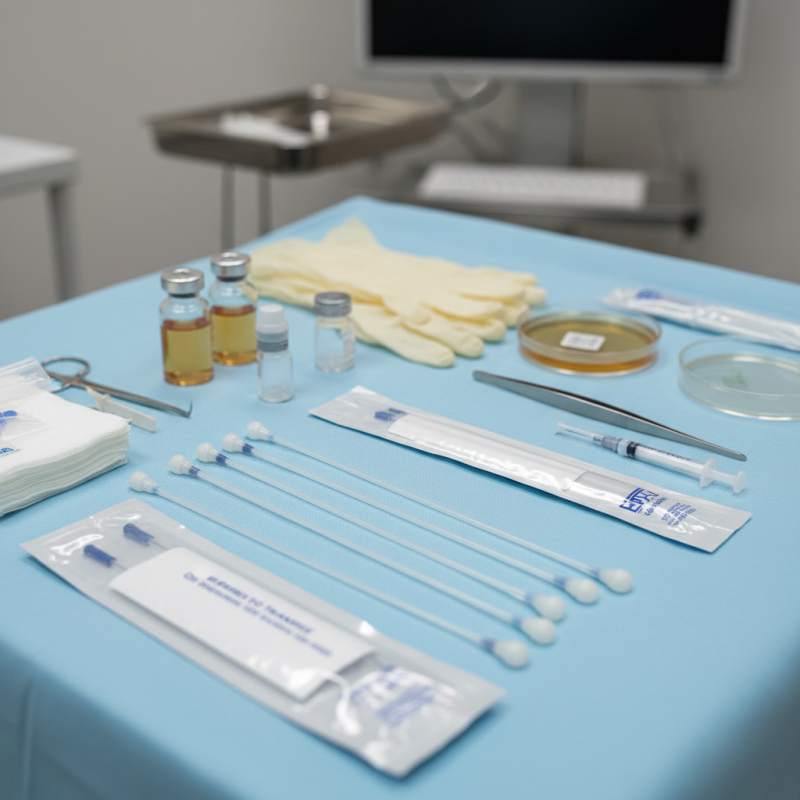
Embryo transfer is a crucial step in reproductive procedures. Having the right supplies can make a significant difference. Essential supplies include sterile catheters and transfer handles. These tools ensure that the embryo is safely placed. The integrity of the equipment directly impacts success rates.
Additionally, proper media for embryo handling is vital. This includes culture mediums that maintain the embryo's viability. Observations must be made carefully, as even small mistakes can affect outcomes. A microscope is also essential for assessing embryo quality. Clear visibility leads to better decision-making.
Having everything organized is equally important. Supplies should be easily accessible during the procedure. A cluttered space can lead to delays and errors. Practice runs with the supplies help build confidence. Reflection on past procedures is also key. Learning from experiences will enhance future transfers.
| Item | Description | Quantity Needed | Importance |
|---|---|---|---|
| Embryo Transfer Catheter | Used for transferring embryos into the uterine cavity. | 2-3 | Critical |
| Embryo Culture Medium | Nutrient solution for embryo growth and development. | Sufficient for multiple transfers | Essential |
| Sterile Gloves | To maintain a sterile environment during the procedure. | 5-10 pairs | Very Important |
| Laparoscope | Used for visual guidance during the transfer process. | 1 | Important |
| Syringe | For loading embryos into the transfer catheter. | 5 | Critical |
| Heating Pad | Maintains optimal temperature for embryo viability. | 1 | Essential |
In embryo transfer, the importance of sterile instruments cannot be overstated. Contamination during the procedure can lead to failure. Ensuring that all equipment is properly sterilized minimizes risks. Clean instruments help maintain controlled environments. This is crucial for the health of the embryos.
During the embryo transfer, using Bovine Embryo Transfer Supplies correctly is essential. Each tool plays a specific role. Misusing them can lead to complications. For example, a non-sterile catheter can introduce pathogens. This could ruin the entire procedure. Users must be meticulous.
Routine checks and proper storage are necessary. Instruments should be organized and easily accessible. However, even the best planning can fall short. Unexpected challenges arise. Adapting to these situations is part of the learning curve. Emphasizing the importance of sterilization cannot be taken lightly. Consistency in practices ensures better outcomes.
When it comes to successful embryo transfer, selecting the right technology is crucial. Among these technologies, catheters play a vital role in ensuring precise placement of embryos. There are various types of catheters available, each with its distinct benefits and drawbacks. For instance, a flexible catheter allows for easier navigation through the reproductive tract. However, this flexibility can lead to challenges in maintaining accurate positioning during the transfer process.
Recent studies indicate that improper catheter selection can affect success rates significantly. In fact, a report by the Journal of Equine Veterinary Science highlighted that approximately 30% of embryo transfers fail due to inadequate catheter design. This underscores the importance of choosing the right equipment. Equine Embryo Transfer Supplies should include not only the catheters but also tools that ensure a sterile environment. Contamination during the process can lead to lower success rates, so a careful selection is essential.
For optimal outcomes, understanding the specific needs related to the horse breed and individual cases is necessary. Not all catheters will adapt well to every situation. Embryo transfer practitioners must be prepared to assess their equipment continuously. This reflection can prevent oversights that lead to unsuccessful transfers, protecting both the investment in the technology and the future of breeding programs.
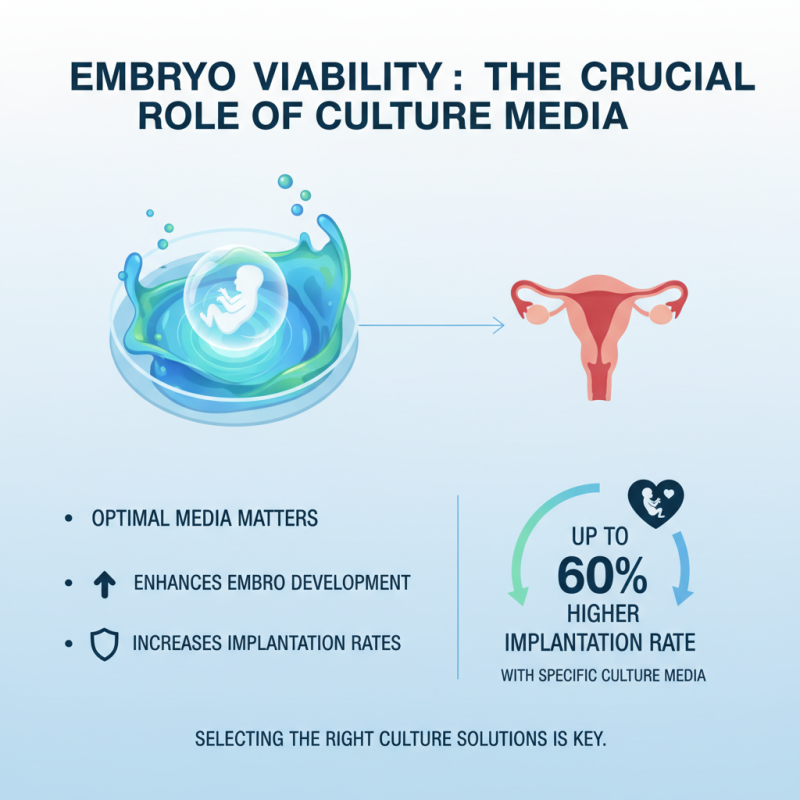
When it comes to embryo viability, the choice of culture media is crucial. Research indicates that optimal media can significantly enhance embryo development. For instance, a study revealed that embryos cultured in specific media had a higher implantation rate, reaching up to 60%. This underlines the importance of selecting the right culture solutions.
Different types of media offer varying levels of nutrients and support. Some solutions contain amino acids, which facilitate better growth. However, not all embryos respond positively. In some cases, a media that works for one type of embryo may not suit another. Continuous evaluation is essential. It's important to assess the embryos regularly. Regular monitoring can help identify any potential issues, allowing for timely adjustments.
Data suggests that embryologists should prioritize media that maintain the correct pH and osmolarity levels. Deviations from these parameters can negatively impact cell division. It's not just about choosing the media; understanding its composition is key. This reflection can guide adjustments, ensuring a successful transfer process.
In embryo transfer, precise condition monitoring is vital. One key piece is temperature monitoring equipment. Maintaining a stable temperature ensures the embryos remain viable. Any fluctuation can lead to disaster. Thermometers should be checked regularly. Consistent calibration is essential.
Humidity control is equally important. High humidity may damage embryos, while low levels can dry them out. Invest in reliable hydrometers. Regular adjustments may be needed. Additionally, lighting conditions cannot be overlooked. Excessive light can harm embryos. Your setup should mimic natural conditions as closely as possible.
Finally, ensure your workspace is clean. Contaminants from other equipment can compromise embryo health. Frequent cleaning routines might seem tedious, but they save time in the long run. Keeping a detailed log of environmental conditions helps monitor patterns. This way, you can identify issues early. Reliability in your Embryo Transfer Equipment setup is not just technical; it requires mindfulness and ongoing vigilance.
Training and protocols are pivotal for successful embryo transfers. Proper training enhances the skills of practitioners, leading to better outcomes. A recent study revealed that clinics implementing structured training programs saw a 20% increase in success rates for embryo transfers. This statistic emphasizes the need for comprehensive training that focuses on both technical skills and protocol adherence.
Detailed protocols ensure consistency in procedures. Inadequate or varied techniques can adversely impact embryo viability. A survey highlighted that 30% of practitioners admitted to inconsistent embryo transfer practices. This inconsistency may reflect the lack of standardization in training. When clinics prioritize clear, documented protocols, success rates improve notably. For instance, utilizing Swine Ai Supplies along with established protocols can lead to optimal embryo handling and placement.
Reflecting on common pitfalls, many clinics overlook ongoing training. Practices become stagnant without fresh knowledge. Innovations in embryo transfer techniques emerge regularly. Clinics that fail to incorporate these advances risk falling behind. Continuous education, combined with effective protocols, can dramatically transform outcomes for embryo transfers. Ensuring practitioners are well-versed in the latest methods is crucial for maintaining high success rates.
Embryo transfer success rates can vary widely. Recent studies show these rates generally range from 30% to 50%. Factors influencing these rates are crucial to understand. Age plays a significant role. For women under 35, the success rate can be as high as 50%. However, this drops to around 20% for women over 40.
The quality of embryos significantly affects outcomes. Higher-grade embryos improve success chances. Studies indicate that transferring two to three embryos may enhance success, but it increases multiple pregnancies. Environmental factors also matter. The health of the uterus and hormonal balances can impact embryo implantation.
Despite advances, challenges remain. Not all procedures yield positive results. Emotional and financial stress can be overwhelming. Tracking statistics is essential, but personal experiences vary widely. Each individual's circumstances must be taken into account. Decisions should be made carefully, reflecting on both data and personal values.
: The articles discuss various topics related to health, wellness, and lifestyle choices.
Consider including more fruits and vegetables in your meals. Healthy snacks can also help.
Regular exercise boosts mood and energy. It also supports heart health and can improve sleep quality.
Stress management techniques, like deep breathing and meditation, help calm the mind. They promote relaxation and clarity.
Yes, journaling or talking to a friend can help. Both boost emotional awareness and reduce feelings of isolation.
Many overcomplicate choices. Simple changes can make a big difference. Sometimes, it's okay to seek help.
Hydration is crucial for overall health. Dehydration can lead to fatigue and confusion. Carrying a water bottle helps.
Absolutely! Intuitive eating and gentle movement are effective. Progress comes from consistency, not perfection.
Sleep is vital. Poor sleep can affect mood and focus. Establishing a bedtime routine might be helpful.
Setbacks are normal. Reflect on them, learn, and adjust your approach. Growth often comes from challenges.
Successful embryo transfer procedures hinge on the proper use of essential Embryo Transfer Supplies. These supplies include sterile instruments that play a crucial role in maintaining the integrity of the process, as contamination can lead to failures. Various types of catheters, each designed for specific scenarios, enable effective handling and transfer of embryos. Additionally, optimal culture media are vital for ensuring embryo viability during the procedure.
Monitoring equipment is also essential, as it ensures precise conditions are maintained throughout the transfer process. Furthermore, rigorous training and established protocols are key to enhancing the effectiveness of embryo transfers. Understanding these factors, along with statistics on embryo transfer success rates, helps practitioners improve their techniques and outcomes, ultimately supporting better reproductive health and success in assisted reproduction.