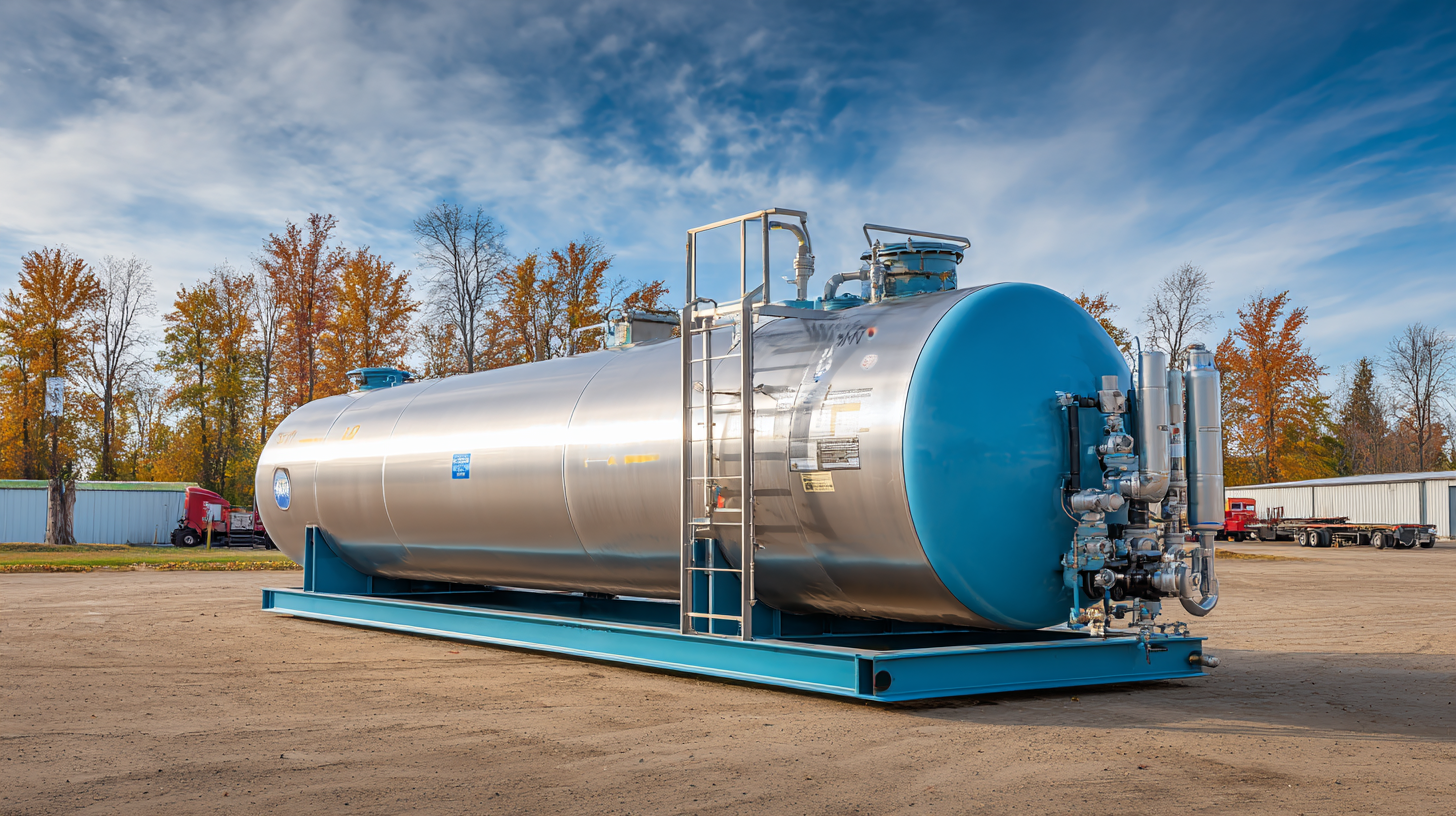
As industries around the world keep changing, the need for smarter, more efficient storage solutions has never been more urgent. One technology that's really leading the way here is Nitrogen Tank technology — it's set to shake up how industrial gases are stored, making everything safer and more efficient. I recently read in a report from Allied Market Research that the global market for industrial gases is expected to hit around $193 billion by 2028, and nitrogen tanks are going to be a big part of that growth. Companies like SICHUAN EACENIC SCIENCE & TECHNOLOGY GROUP CO., LTD. are right in the thick of things, using their expertise and innovative tech they've been developing since 2009. With a solid focus on R&D, they’re working on integrating some pretty advanced design principles into nitrogen tanks — not just to meet today’s needs, but to get ahead of future challenges in gas storage. It’s pretty exciting to see how this all plays out, isn’t it?
The Evolution of Nitrogen Tank Technology: A Historical Perspective
You know, when you look at how nitrogen tank technology has grown over the years, it's pretty impressive. It’s come a long way since those early days, and now it’s a crucial part of how we store and use industrial gases. Back in the day, nitrogen was packed into high-pressure cylinders. Sure, they did the job, but let’s be honest — they weren’t perfect. Space was a big issue, safety concerns were always lurking, and overall, it just wasn’t the most efficient setup. As industries grew and their needs became more demanding, engineers had to get a bit more creative. That’s when cryogenic tanks made their debut — these babies could store liquid nitrogen at super low temperatures, making storage safer and way more space-friendly. Pretty cool, right?
Fast forward a few decades, and things got even better. Thanks to new materials and smarter engineering, modern tanks are now made from composite materials that not only last longer but also keep the cold in better. And it’s not just about the materials; today’s tanks come with fancy gadgets like automated monitoring and real-time temperature controls, which totally changed the game. From keeping our food fresh to making medicines, these improvements have made nitrogen storage safer, more efficient, and way more reliable. Looking back, it’s pretty amazing to see how far we’ve come — and honestly, it’s exciting to think about what’s next for gas storage in the future.
Key Innovations Driving the Future of Industrial Gas Storage Solutions
The industrial gas storage market is really on the verge of a major shift, thanks to some exciting new innovations in nitrogen tank technology. These upgrades are not just fancy; they’re actually making storage solutions safer and way more efficient—crucial for everything from cooking at home to big automotive applications. It looks like the market is going to see some pretty significant growth, especially in the liquefied petroleum gas (LPG) sector, which is booming because of how versatile it is. Solutions like steel cylinders and lighter composite bottles are becoming the go-to as industries look for durable, easy-to-handle options.
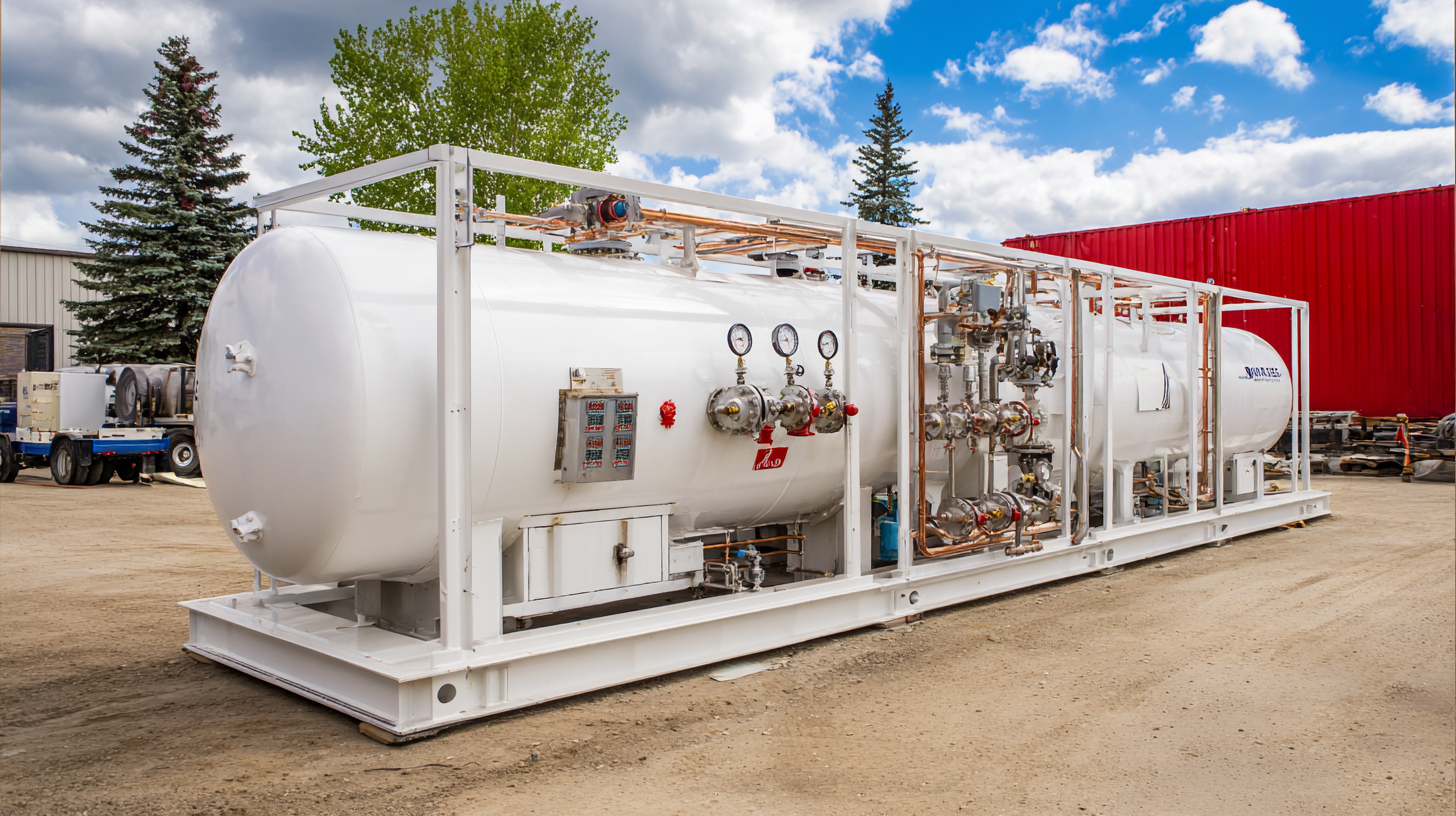
If we look at the regional picture, things are pretty diverse. The Asia-Pacific region, in particular, is set to experience some serious growth, driven by rising energy demands and ongoing industrialization. Plus, innovations like better insulation and smarter pressure management systems are really changing the game. These tech advances don’t just boost storage capacity—they also tackle safety concerns head-on. All this means we’re moving toward a more robust and sustainable industrial gas storage scene, set to shape the future into 2033 and beyond. It’s an exciting time, no doubt!
Environmental Impact: Sustainable Practices in Nitrogen Tank Utilization
As more and more industries start really focusing on being environmentally friendly, using nitrogen tank tech seems like a pretty promising way to go. You see, nitrogen’s inert and non-toxic qualities make it super useful in lots of industrial stuff – from helping preserve food to chemical production. That said, the game is shifting towards not just using these tanks, but doing so in a way that’s better for our planet. By streamlining supply chains and making energy use smarter, companies can cut down on their carbon footprint without sacrificing how well they operate.
Lately, new tech is coming out that helps keep a close eye on how much nitrogen we’re using, so resources aren’t wasted. For example, some systems track data in real-time, letting facilities tweak their nitrogen supplies based on what's actually needed. Plus, practices like making nitrogen right on-site can cut transportation pollution and support recycling efforts—kind of like giving a nod to the circular economy where materials are reused and reused. Jumping on these green methods benefits the environment for sure, but it also boosts efficiency, helping businesses stay competitive in a marketplace that's getting more eco-conscious day by day.
Comparative Analysis: Nitrogen Tanks vs. Traditional Gas Storage Methods
Lately, more and more folks are looking into using nitrogen tanks for storing industrial gases—it's really gaining popularity as a solid alternative to the usual methods. You know, traditional setups like those big cryogenic tanks or high-pressure cylinders can be such a hassle. They're heavy, awkward to move around, and there's always that nagging concern about leaks or those strict safety rules for handling pressurized gases. On the flip side, nitrogen tanks are a lot more straightforward—they're easier to transport, and there's less risk of messing up the environment. That's a pretty big deal for industries that need a steady supply of gas or need to get quick access without all the fuss.
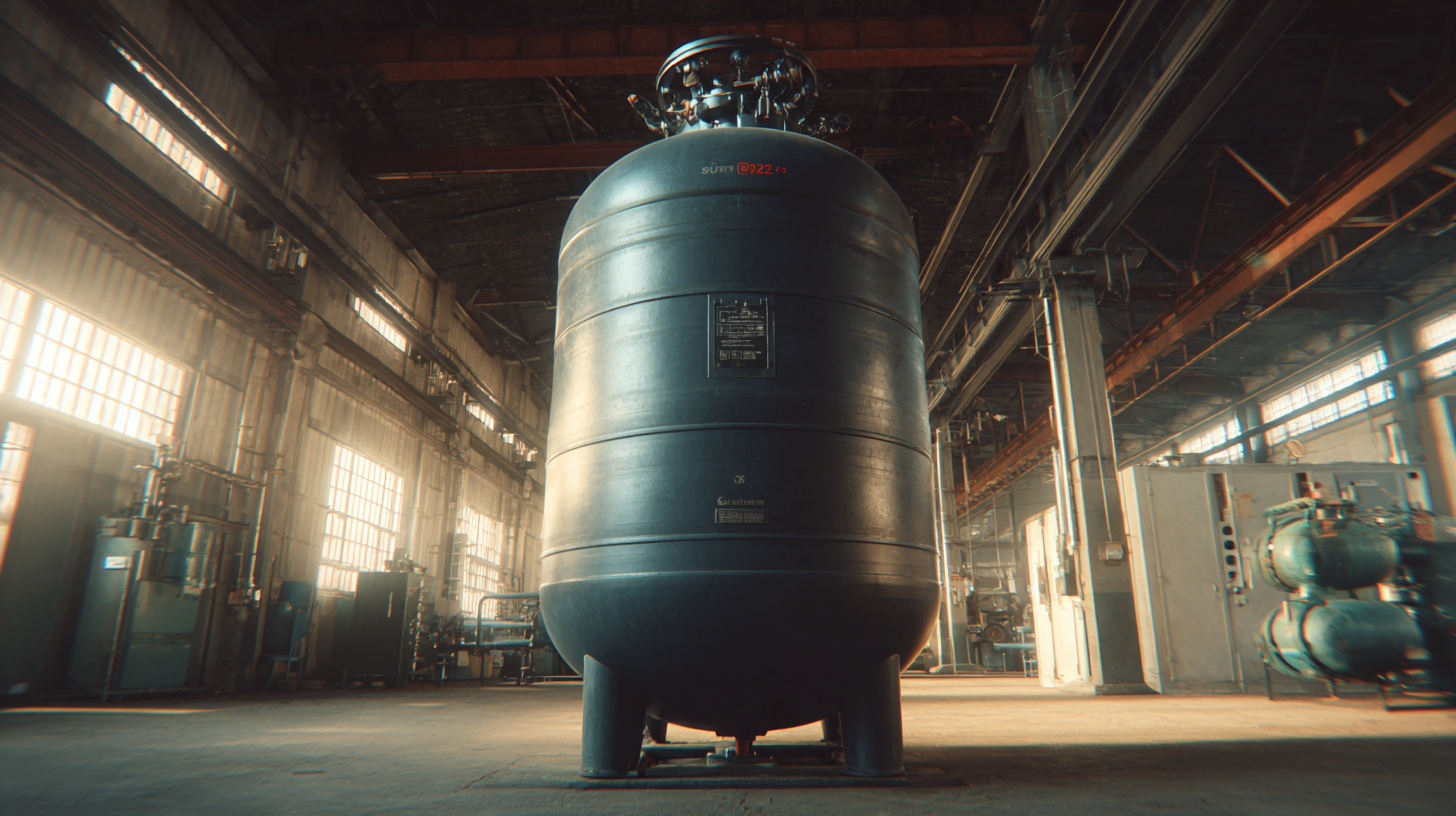
If you do a quick comparison, you can see quite a few perks with nitrogen tanks over the standard ones. For starters, these tanks usually work at lower pressures, which means a lot less worry about something going seriously wrong. They’re also made with advanced materials that make them tougher and more resistant to rust or corrosion. Because of this, they tend to last longer and keep the gas pretty pure over time. Plus, many nitrogen tanks now come equipped with modern monitoring systems—so you get real-time updates on their status, keeping everything running smoothly and safely. Looking ahead, it seems like nitrogen tank tech has a bright future, promising even better efficiency and reliability in how we store and manage gases.
Emerging Trends in Automation and Monitoring for Nitrogen Storage
Lately, the industrial gas storage scene has really moved forward, especially when it comes to nitrogen tank tech. These days, there’s a big push toward automation and smart monitoring systems. You see more facilities bringing in these fancy gadgets to make things run smoother, safer, and more efficient. It’s pretty cool — not only do they simplify how gases are stored, but they also give real-time updates. That way, managers can stay ahead of any issues with nitrogen supplies and handle problems before they get out of hand.
One of the coolest trends right now is using IoT-enabled sensors. These guys keep an eye on pressure, temperature, and even the purity of the gas, making sure everything’s within the right range. This tech means operators can spot weird readings early on, which cuts down on leaks or equipment breakdowns. Plus, automated alerts let staff know whenever nitrogen levels are running low — no more surprises!
Pro Tip: It’s a smart move to invest in a good monitoring system that fits your specific setup. And don’t forget to regularly check out the data you gather — you might notice patterns or spots that could be tweaked for better storage management.
As companies compete more than ever, jumping on these automation trends isn’t just smart — it’s essential. Using advanced software can help keep track of inventory better, and predictive tools can give you a heads-up on future nitrogen needs. That way, you can plan ahead and avoid headaches.
Another Tip: Make sure to train your team periodically on these new technologies. That way, everyone’s on the same page and can make the most of these tools. Building a culture of ongoing improvement can really boost safety and efficiency in the long run.
Future Challenges and Opportunities in Nitrogen Tank Technology Development
The development of nitrogen tank technology is opening up some pretty exciting opportunities, but it also comes with its own set of challenges when it comes to storing industrial gases. As more industries look for storage options that are both efficient and safe, making advancements in how these tanks are designed and what materials are used becomes really important. Things like lightweight composite materials and better insulation methods could really help cut down energy waste and boost safety — tackling issues like maintaining pressure and thermal stability that have been around for ages.
That said, it’s not all smooth sailing. There are hurdles too, especially when it comes to navigating strict safety and environmental regulations. Plus, developing and rolling out these new technologies isn’t cheap, which can slow down how quickly they get adopted industry-wide. Still, the chance to make storage more efficient and eco-friendly makes it worth the effort. Companies that push through these challenges will probably stand out in a competitive market and help pave the way toward a greener, more sustainable future for industrial gas storage.
FAQS
: Key innovations include advancements in nitrogen tank technology, improved insulation, and pressure management systems that enhance efficiency and safety in gas storage.
The demand for LPG storage is increasing due to its versatility, leading industries to seek durable and lightweight storage solutions like steel cylinders and composite bottles.
The Asia-Pacific region is poised for significant growth, driven by rising energy needs and increasing industrialization.
Sustainable practices, such as optimizing supply chains and enhancing energy efficiency, can reduce the carbon footprint of nitrogen tank operations and mitigate environmental impacts.
Innovative technologies like advanced telemetry systems allow for better monitoring and control of nitrogen usage, minimizing resource waste through real-time adjustments based on demand.
Challenges include navigating regulatory compliance, managing safety standards, high costs of research and innovation, and the complex landscape of environmental regulations.
On-site nitrogen generation reduces transportation emissions and aligns with circular economy principles by recycling and reusing materials within the production process.
Lightweight composite materials improve safety and efficiency by minimizing energy loss and enhancing thermal stability, addressing key storage challenges.
Companies can thrive by embracing innovation, investing in sustainable practices, and overcoming regulatory challenges, ultimately driving increased efficiency and lower environmental impact.
Nitrogen is used in various processes, including food preservation and chemical manufacturing, due to its inert and non-toxic properties.
Conclusion
Hey, I came across this really interesting blog called "The Future of Nitrogen Tank Technology in Revolutionizing Industrial Gas Storage." It walks you through how nitrogen tank tech has evolved over time and highlights some pretty cool innovations that could shape what's coming next. The best part? It emphasizes how these new tanks are not just more efficient—they're also better for the environment compared to the old-school methods we used before. As industries get more into automation and smarter monitoring, the article points out some exciting trends that are making nitrogen storage systems work even better.
It also dives into the hurdles and opportunities lying ahead for this technology. The writer suggests that companies like Sichuan Eacenic Science & Technology Group, known for their advanced tech, could really make a difference in this whole revolution. Basically, blending innovative design and application in nitrogen tanks is key—it's how we're gonna meet industrial needs while keeping sustainability in mind. Honestly, it’s a fascinating peek into the future, and I think it’s worth paying attention to how this all unfolds.

 Bovine
 Equine
 Swine
 Ovine
 Pet