- Home
- About Us
- Species
- Products
- Service
- News
- Contact Us
 Bovine
 Equine
 Swine
 Ovine
 Pet
inquiry
Leave Your Message
- Phone
- E-mail
- Whatsapp
- WeChat

The veterinary field is really changing, and advanced tech like Veterinary Ultrasound Scanners is becoming super important. In this blog, we’re going to take a closer look at what the future holds for these scanners, especially when it comes to after-sales support and keeping costs in check. With a peek at what the market might look like in 2025, we’ll explore the trends and innovations that are shaking things up in the industry. We’ll draw on insights from leaders in the field, like SICHUAN EACENIC SCIENCE & TECHNOLOGY GROUP CO., LTD., a company that’s been all about designing and making veterinary medical electronics since 2009. Our goal is to give you a solid overview of how good support and smart cost management can really boost the value of veterinary ultrasound technology. So, come along with us as we unpack what these changes mean for veterinarians and everyone in animal care!
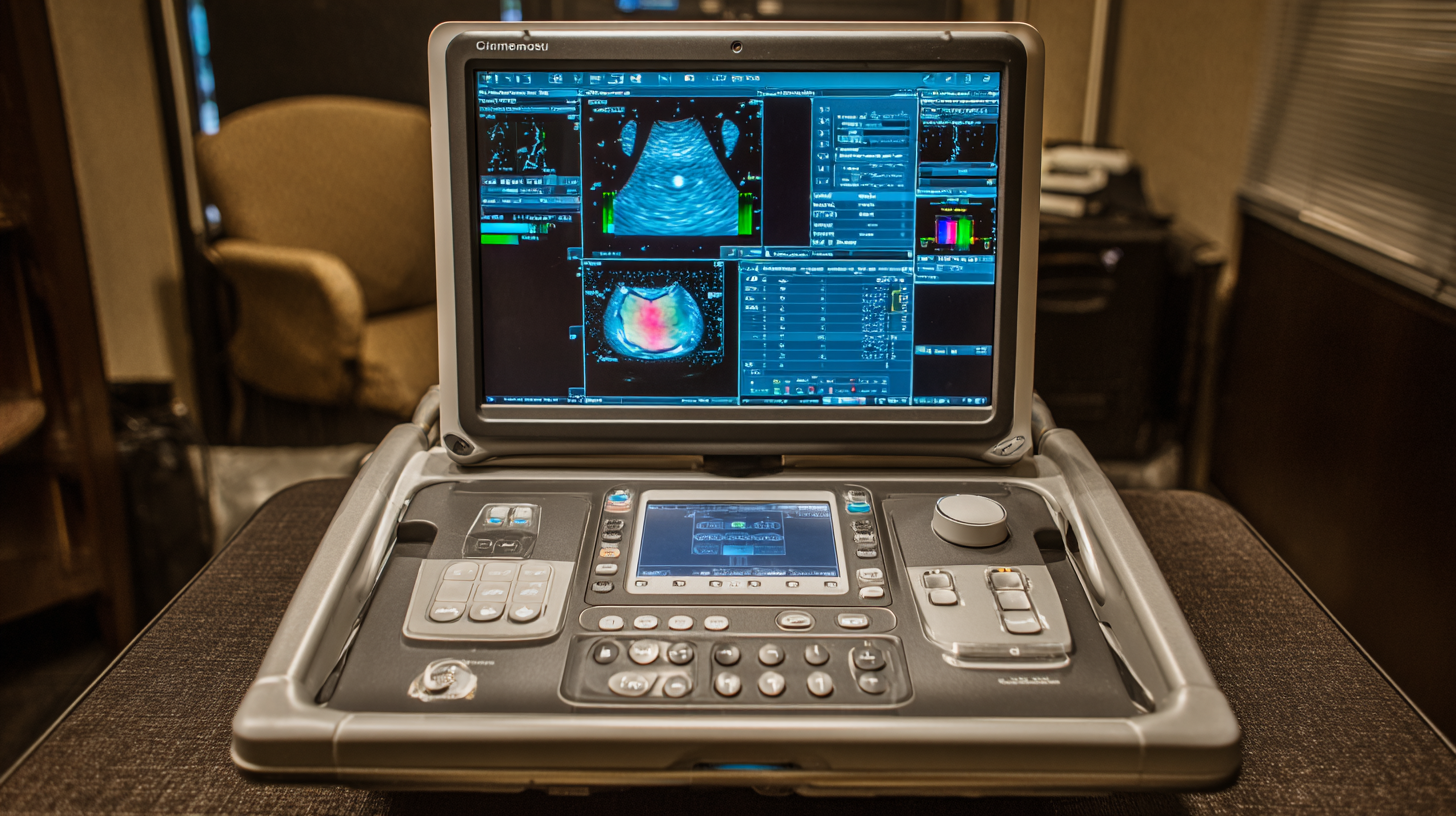
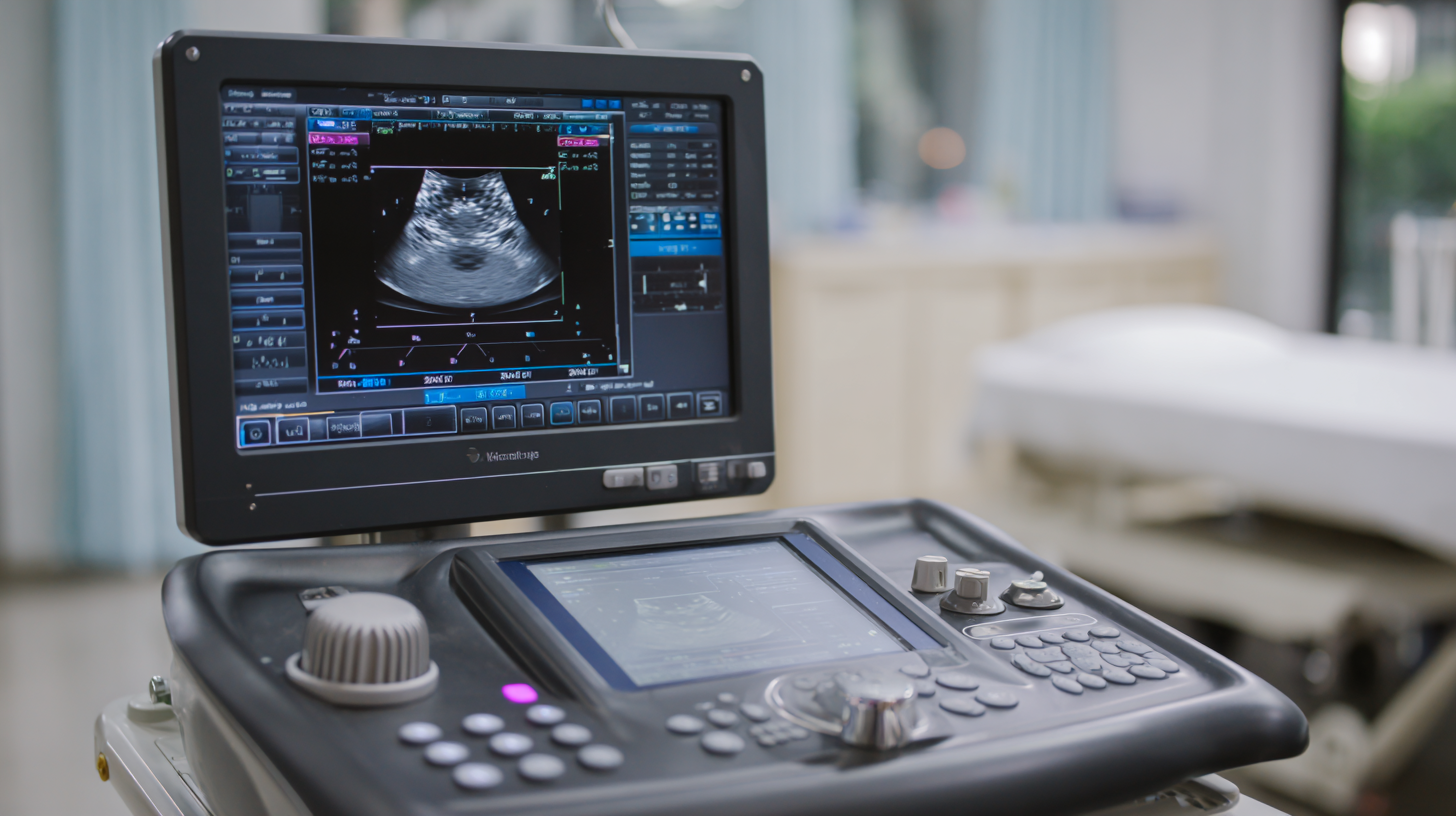
You know, the way veterinary ultrasound scanners have evolved is pretty amazing. They've really changed the game in animal healthcare, giving vets the tools they need to improve patient outcomes in a big way. Thanks to some pretty cool advancements in imaging technology, modern ultrasound machines deliver fantastic resolution and quicker processing times. This means veterinarians can spot and diagnose health issues with way more accuracy than before. A recent report from Research and Markets even noted that the veterinary ultrasound market is expected to hit around $210 million by 2025. That just goes to show how much these tools are becoming essential for precise diagnostics.

Sichuan Eacenic Science & Technology Group Co., Ltd. is really leading the charge in this tech revolution. They focus on designing and making high-performance veterinary medical electronics. Their commitment to innovating core technologies means that vets can get their hands on the latest ultrasound scanners, which not only make diagnosing easier but also help streamline things in busy clinics. Studies have shown that using these advanced ultrasound systems can actually cut down diagnosis time by up to 30%. That’s a pretty big deal because it allows vets to make quicker treatment decisions, which ultimately leads to better care for our furry friends.
And honestly, it’s not just about being efficient—these enhanced diagnostic tools raise the bar for the quality of care in veterinary practices. When vets have the ability to get accurate diagnostics, they can catch health problems early on and take timely action. As the veterinary field really starts to embrace this technology, Eacenic is all in on supporting their clients with excellent after-sales service and budget-friendly solutions, ensuring that they get the most out of their ultrasound scanners in practice.
In the quest to improve vaccination strategies for piglets, recent veterinary reports highlight the significant advancements in needle-free injector technology. This advancement is particularly timely, given the industry's increasing focus on reducing stress during the vaccination process while enhancing overall efficacy. According to veterinary studies, needle-free injectors can improve the rate of successful vaccinations by up to 25% due to better delivery of the vaccine into the immune system without the pain and trauma associated with traditional needles.
The latest Electric Smart Injection systems exemplify this innovation with features such as IPX6 waterproofing, which ensures they remain functional in various farm conditions. This durability is critical, as environments can be challenging, and maintaining hygiene is essential in preventing cross-infection. Additionally, these smart injectors are versatile, capable of administering both oil and water-based vaccines, which aligns with the diverse vaccination needs of modern livestock farming. This versatility not only fosters better herd immunity but also streamlines the vaccination process, enhancing the efficiency and reliability of livestock health management practices.
Furthermore, the reduction in cross-infection risk offered by needle-free technology is paramount. Traditional needles can carry pathogens between animals, complicating the health management of herds. By adopting needle-free injection systems, veterinarians can significantly diminish this risk, contributing to improved biosecurity on farms. These technological advancements align with a 2022 veterinary report that emphasizes the link between improved vaccination methods and decreased morbidity in piglets, highlighting the importance of integrating innovative tools in livestock production.
: Enhanced diagnostic capabilities provide superior resolution and faster processing times, allowing veterinarians to detect and diagnose conditions more accurately, leading to improved patient outcomes.
The veterinary ultrasound market is projected to reach $210 million by 2025.
Efficient after-sales support can minimize downtime and reduce operational costs by up to 25% through fewer service interruptions and extended equipment lifespan.
The integration of advanced ultrasound systems can reduce the time spent on diagnoses by up to 30%, allowing for quicker treatment decisions.
Clinics integrating advanced imaging technology, including ultrasound, can see revenue increases of up to 30% and reduce surgery costs by approximately 25%.
Accurate diagnostics enable veterinarians to identify issues early, implement timely interventions, and elevate overall standards of care in veterinary practices.
More than 30% of veterinary practices view ongoing maintenance and support as crucial for minimizing downtime and effectively handling diagnostic challenges.
Providing quicker diagnoses and better patient outcomes leads to improved client loyalty and referrals, ultimately enhancing the clinic's reputation.
Ultrasound can accurately diagnose conditions such as soft tissue injuries and internal organ disorders, reducing the need for unnecessary procedures.
Eacenic specializes in high-performance veterinary medical electronics and provides cutting-edge ultrasound scanners that enhance diagnostic capabilities and streamline clinical workflows.