In the world of veterinary medicine, which is always changing and evolving, choosing the right laser therapy device can really make a difference in how well treatments work and how happy patients are. With technology advancing fast and our understanding of laser treatments getting deeper, vets are now faced with tons of options to pick from—each suited to different needs. This little guide is here to help you figure out the best strategy for picking a laser device that actually fits your practice. Oh, and by the way, SICHUAN EACENIC SCIENCE & TECHNOLOGY GROUP CO., LTD., which has been around since 2009, is a real leader in this space. They’re all about coming up with innovative solutions and pushing the boundaries when it comes to veterinary electronics, so you can feel confident knowing you’re getting top-notch tech to help provide the best care possible.
Understanding the Different Types of Laser Therapeutic Apparatus Available
When you're trying to pick out a laser therapy device, it's pretty important to get a good grasp of the different types out there and what they’re mainly used for. The market for laser therapy equipment is really booming right now—according to Grand View Research, it's growing at about 9.7% annually from 2021 to 2028. That means there's a lot more demand these days for ways to manage pain and support recovery effectively.
The main kinds of these devices are low-level lasers, or LLLT, which usually work with wavelengths between 600 and 1000 nm. Folks typically use these for easing pain, healing wounds, and cutting down inflammation. Then there are the high-power lasers—these usually pack more than 1 watt and are handy for more serious stuff like surgeries or tissue removal. A report from Allied Market Research even predicts that sales of LLLT devices alone might hit over $4 billion by 2026, which shows how much these laser treatments are gaining ground in clinics.
Understanding the difference between the lower-powered LLLT devices and the more powerful ones is super important because it can really affect how well a treatment works and whether it’s right for a particular patient. So, for healthcare providers, it’s vital to weigh what the patient needs and pick the right device to ensure the best outcomes.
Key Factors to Consider When Choosing a Laser Therapeutic Device
When you're choosing a laser therapy device, there are a few key things you really want to keep in mind to make sure it’s the right fit for what you need. First off, the wavelength of the laser is super important. According to a report from the Journal of Biomedical Optics, different wavelengths go to different depths in tissues, which can really affect how well the treatment works. For example, a wavelength around 810 nm works great for soft tissue, while something around 1064 nm is better if you need to reach deeper tissues. Figuring out exactly what kind of treatment you’re after will help you narrow down your options without all the confusion.
Another thing to consider is the power of the device. The American Society for Laser Medicine and Surgery shows that higher power can speed up treatments, but it also comes with some risks if you’re not careful. So, it’s all about finding that sweet spot where the device is powerful enough to do the job well but still safe to use. Don’t forget, the build quality and the reputation of the manufacturer matter too. A survey from Medical Devices Insights pointed out that devices from well-known, trusted makers tend to last longer and come with better support, which means better results overall for both practitioners and patients.
The Importance of Wavelength in Laser Therapy Selection
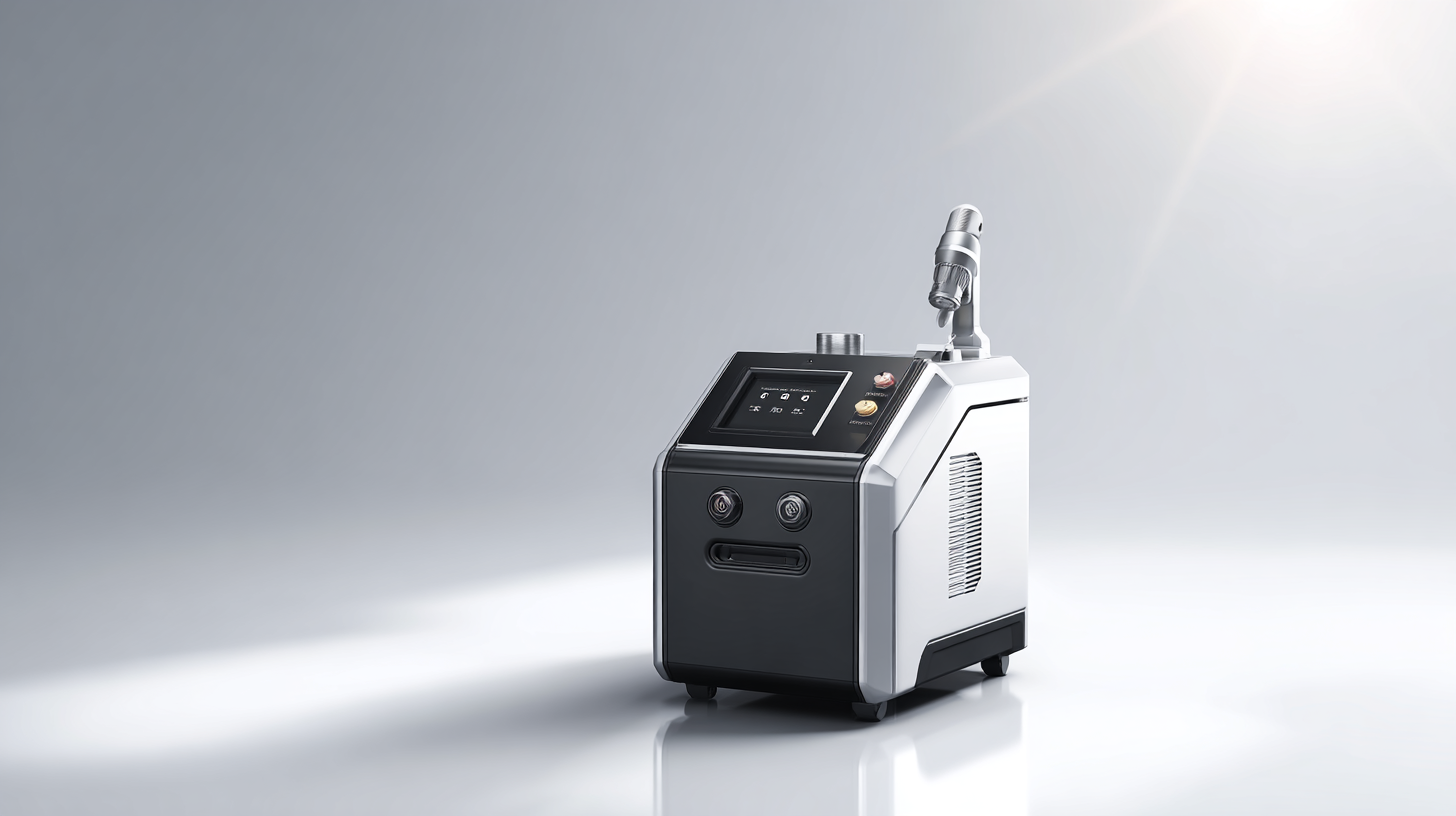
When you're choosing a laser therapy device, really understanding the importance of wavelength can make all the difference for getting good results. See, different wavelengths go a bit deeper or stay more surface-level, which changes how your body reacts. For example, shorter wavelengths like 600 to 700 nanometers tend to be absorbed by the top layers of skin, so they’re great if you're dealing with things like skin lesions or superficial wounds. On the flip side, longer wavelengths—think 800 to 1060 nanometers—can reach deeper tissues, making them better suited for issues like joint pain or muscle problems.
Pro tip: Always think about what condition you’re trying to treat and, if possible, chat with a healthcare pro to figure out which wavelength will work best. Also, don’t forget to check out the device’s power output and pulse settings because those things really affect how well the therapy works.
And of course, another thing to keep in mind is making sure the laser device is safe and certified. Certifications like FDA approval or meeting international safety standards are good indicators that you're picking a reliable device.
Quick tip: Go for lasers that are FDA-approved or meet global safety standards. Choosing a reputable brand is also a smart move—better quality, better support—so you get the most out of your laser therapy experience.
Evaluating Safety Standards and Certifications for Laser Devices
So, when you're on the lookout for a laser therapy device, one of the top things you wanna check out is its safety standards and whether it’s certified properly. I mean, it’s super important to make sure it ticks all the boxes from big-name organizations like the FDA or Health Canada. Those certifications are basically a stamp of approval, showing that the device has been tested thoroughly and is safe and effective enough for real clinical use. Opting for a device with the right certifications really helps reduce the chance of any mishaps, making the whole experience a lot safer for you and your patients.
But wait, don’t just stop at certifications—also take a good look at the safety features built right into the device. Things like adjustable power settings, safety locks, or cooling systems make a big difference in protecting both you and those you’re helping. Oh, and it’s also worth knowing what laser class you’re dealing with—whether it’s Class 2, Class 3, or Class 4. That info can give you a pretty good idea of the potential risks involved. Do some homework on the safety standards and specs of the different models out there. Trust me, a little research goes a long way when you're trying to pick a device that’s both effective and safe to use.
Comparing Cost vs. Effectiveness of Various Laser Therapeutic Apparatus
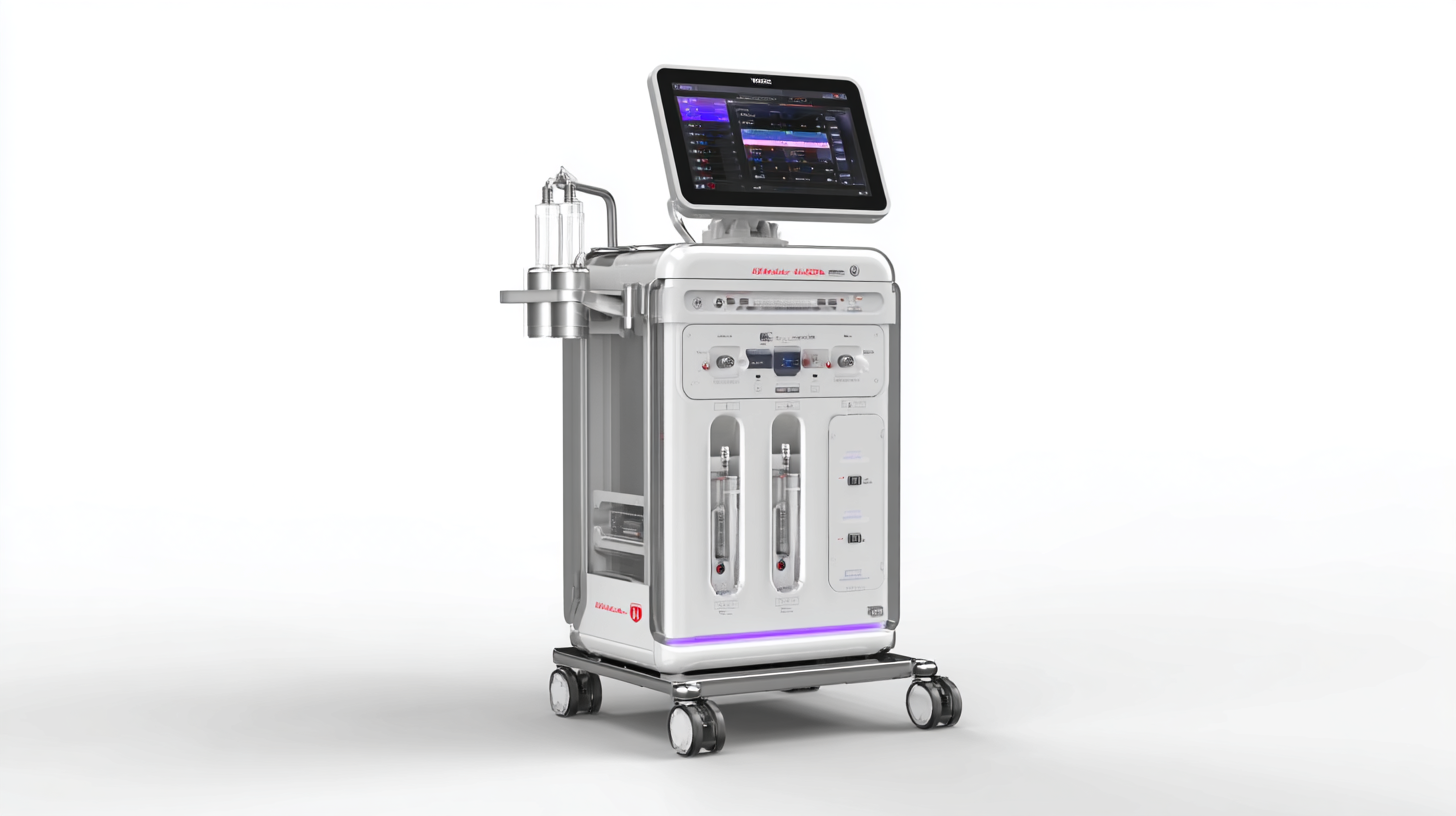
When you're choosing a laser therapy device, it's really important to find that sweet spot between price and how well it works. I recently came across a report from Global Market Insights, and it’s pretty eye-opening—looks like the laser therapy market is booming, expected to hit around $3.5 billion by 2026. That's mainly because more folks are going for non-invasive treatment options these days. Now, talking about the prices, there’s quite a range—basically, you can find handheld models for around $1,000, but if you want the really fancy stuff with a bunch of features, it could cost over $100,000. Of course, the pricier equipment often has better tech and can do more, but it’s worth asking whether those extra bells and whistles actually translate to better results for your patients.
On top of that, how effective the device is really matters. For example, a study in the Journal of Photomedicine and Laser Surgery showed that low-level laser therapy can really help with pain relief and wound healing—sometimes improving outcomes by up to 70%. So, if you’re a practitioner focusing on specific treatments, investing in a mid-range laser system that actually delivers solid results might make more sense and save you some cash. Bottom line? Understanding the ins and outs of price versus performance is key to picking the right device—one that fits your budget and meets your treatment goals without sacrificing quality.
The Ultimate Guide to Choosing the Right Laser Therapeutic Apparatus for Your Needs
| Device Type | Cost ($) | Effectiveness Rating (1-10) | Treatment Duration (minutes) | Portability |
| Class IV Laser | 2500 | 9 | 15 | Medium |
| Class III Laser | 800 | 7 | 10 | High |
| LED Light Therapy | 500 | 6 | 20 | Very High |
| Diode Laser | 1500 | 8 | 12 | Medium |
| YAG Laser | 3000 | 10 | 15 | Low |
Top 5 Brands to Consider for Reliable Laser Therapeutic Equipment
When you're trying to pick a reliable laser therapy device, the brand really can make a big difference in how well it works and what your patients experience. I’ve seen it firsthand—according to a recent report from the Medical Device Manufacturers Association (MDMA), healthcare pros are mainly going for brands with a solid reputation. Why? Because these companies tend to have better tech and more reliable customer support. The report even mentions that about 78% of providers feel more satisfied with top-tier brands, mainly because they're investing more in research and development, which means safer and more effective devices.
So, if you're on the hunt for some good options, here are the top five brands to keep in mind:
- *LiteCure Medical*, which is well-known for pushing the boundaries in Class IV laser therapy;
- *K-Laser USA*, famous for their portable, high-powered devices;
- *Simonton Medical*, known for user-friendly options that work great both in clinics and at home;
- *TheraGun*, appreciated for its versatility across different therapy settings;
- *MedLaser International*, that’s all about tailored solutions for diverse treatment needs.
Honestly, each of these brands scores high in performance, so going with any of them usually means you're getting dependable, quality laser therapy gear.
Exploring the Impact of Advanced Laser Therapy: Insights from the 2023 Veterinary Technology Report on ECI-L430/230 Laser Apparatus
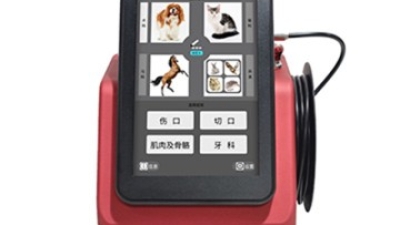
In recent years, advanced laser therapy has emerged as a transformative technology in veterinary medicine, providing significant benefits for the treatment of various conditions in animals. The 2023 Veterinary Technology Report highlights the ECI-L430/230 Laser Apparatus, a state-of-the-art device that is reshaping how veterinary professionals approach patient care. This apparatus is equipped with a 10.5-inch anti-glare touch screen, making it user-friendly and efficient during treatments. The intuitive interface allows practitioners to select from built-in presets for multiple treatment protocols, streamlining the process for both the veterinary staff and the animals.
The ECI-L430/230 boasts an impressive range of features that enhance its therapeutic capabilities. With options for 2 or 4 wavelengths and a powerful output of 30W, this laser apparatus can be tailored to meet a variety of treatment needs. Additionally, it comes with multiple safety protection switches, ensuring that both the operator and the patient are safeguarded throughout the procedure. The versatility of the ECI-L430/230, combined with its robust performance, positions it as an essential tool for veterinary clinics aiming to provide cutting-edge care. As insights from the latest report suggest, embracing such advanced technology can lead to improved health outcomes for animals and enhanced trust from pet owners.
FAQS
: The primary types of laser therapeutic devices include low-level lasers (LLLT), which operate at wavelengths ranging from 600 to 1000 nm for pain relief, wound healing, and inflammation reduction, and high-power therapeutic lasers, which exceed 1 watt and are suitable for invasive treatments like surgical procedures and tissue ablation.
The laser therapy market is projected to grow at a CAGR of 9.7% from 2021 to 2028, reflecting an increasing demand for effective pain management and rehabilitation techniques.
Understanding the distinctions between LLLT and high-power lasers can significantly impact treatment outcomes and overall effectiveness for individual patient needs.
Healthcare practitioners should assess specific therapeutic goals and select the appropriate device that suits those goals for optimal patient care.
Safety standards and certifications, such as those from the FDA or Health Canada, ensure that the device has undergone rigorous testing for safety and efficacy, minimizing potential hazards for patients.
Important safety features to evaluate include adjustable power settings, safety locks, and integrated cooling systems, which enhance user protection and patient care.
Understanding the class of the laser—Class 2, Class 3, or Class 4—can provide insight into the potential risks associated with its use and necessary precautions.
The market for LLLT devices is expected to surpass $4 billion by 2026, indicating a growing acceptance of laser modalities in clinical settings.
Conducting thorough research on safety standards helps in confidently choosing a laser therapeutic apparatus that meets both therapeutic needs and safety concerns.
Conclusion
Picking the right laser therapy device isn’t just a technical decision—it really matters for getting good results. In this guide, I’ll walk you through the different types of laser machines out there and share some key tips to keep in mind. For example, understanding how the wavelength affects treatment is super important, and you also want to double-check safety certifications and standards to make sure you’re covered. Oh, and let’s not forget about cost—it's all about finding that sweet spot where quality meets budget, especially when you're trying to get the most bang for your buck.
Honestly, with so many brands out there, it can feel pretty overwhelming to pick a reliable laser device. That's why I’ve put together a list of the top five brands known for their quality and performance. And, as someone who knows a thing or two about veterinary tech, I have to mention Sichuan Eacenic Science & Technology Group Co., Ltd.—they’re really pushing the boundaries with their laser tech, making sure practitioners like us can access the latest and greatest tools for great results.

 Bovine
 Equine
 Swine
 Ovine
 Pet