inquiry
Leave Your Message
0%

Picking out a Pet Ultrasound Machinein 2026 isn’t just about comparing screen sizes or the advertised resolution. It’s gotta fit everyday vet routines — from a quick, quiet abdominal scan to a hectic cardiac checkup. You’ll want to consider things like probe frequency, depth, image clarity, Doppler performance, battery life, and preset quality options. For instance, a small linear probe might be perfect for spotting superficial lumps clearly, while a Microconvex Probe can handle smaller animals and abdominal scans. If you're doing cardiac work, a phased-array probe might be the way to go. Basically, all those tiny details really matter.

And honestly, spending time at the exam table often uncovers stuff that brochures totally skip over. Can your team quickly adjust the gain with just one hand? Does the screen stay clear under bright room lights? Are those cables durable enough to withstand daily cleaning? Don’t just take their word for it — ask to see a live demo, not just sample images. And if possible, get feedback from other vets who’ve scanned similar animals or cases. Having a board-certified veterinary radiologist chime in can be super helpful too, especially to figure out if the images meet your needs. Of course, the manufacturer should also be ready to offer training, decent service terms, software support, and a clear warranty. And while lots of reviews are out there, keep in mind they might reflect different workloads or priorities.

No checklist is perfect, of course. A cheaper machine might end up costing you more in the long run if probes break or if training is lacking. On the flip side, an advanced system that’s confusing to use can also be a waste of money. It’s wise to think about the total cost of ownership — including install, maintenance, accessories, and staff training. And before you buy, make sure to check your regional requirements with a trusted pro. Remember, the best Pet Ultrasound Machine isn’t just about having the latest or most powerful features. It’s about having a reliable tool that gives clear images, helps you make careful decisions, and holds up well during those busy days at the clinic.

How to Choose a Pet Ultrasound Machine in 2026?

Define Your Pet Ultrasound Needs and Examination Goals

Before choosing a pet ultrasound machine, define the clinical questions it must answer. A general practice may need abdominal scans, pregnancy checks, and bladder assessments. An emergency clinic may require rapid cardiac views and fluid detection. A referral service may need advanced Doppler, detailed vascular studies, and repeat measurements. Do not start with screen size or accessories. Start with cases. The APPA 2023–2024 National Pet Owners Survey reports that 66% of U.S. households own a pet, increasing demand for accessible diagnostic services. Still, demand alone does not define your equipment needs.

Consider patient size, examination frequency, and operator experience. Cats and small dogs need high-frequency probes for superficial structures. Larger dogs often require lower-frequency penetration. Cardiac examinations demand different probe geometry and software than abdominal work. The 2024 Grand View Research Veterinary Ultrasound market report identifies continued growth in portable and point-of-care systems. Portability matters when scans occur in treatment rooms, wards, or rural visits. Yet portability can compromise ergonomics. That trade-off deserves testing, not assumptions.

Tips: Create a three-month case log before purchasing. Record species, body weight, scan type, probe used, image limitations, and referral outcomes. Ask a qualified veterinary sonographer to review difficult cases. Compare saved images on each candidate system. Inspect abdominal borders, cardiac chambers, and Doppler signals. Small details matter. A cheaper system may meet routine goals, but advanced imaging needs can expose its limits quickly. My checklist would include training time, probe durability, service response, data export, and cleaning workflow. I would not choose the highest specification automatically. The “best” machine may still be wrong for your daily caseload.

Compare Ultrasound Types, Frequencies, and Imaging Capabilities

Choosing a Pet Ultrasound Scanner in 2026 starts with the examination, not the screen size. A convex probe offers broad abdominal coverage and useful depth. A linear probe shows superficial structures, tendons, and small skin masses with sharper detail. A microconvex probe can fit between ribs and around compact bodies. For cardiac work, a phased-array probe is often practical. Probe selection matters because one transducer rarely handles every patient well. A clinic treating cats, dogs, and rabbits may need flexibility more than maximum specifications.

Frequency changes the balance between penetration and resolution. Lower frequencies, such as 2–5 MHz, reach deep organs in large dogs. Higher frequencies, around 7–15 MHz, reveal near-surface tissue in small pets. Depth is not everything. Ask whether the machine maintains clear images during movement and difficult body positions. B-mode should be reliable, while color and spectral Doppler support blood-flow assessment. Tissue harmonics and adjustable gain can reduce clutter, but they cannot repair poor probe contact. Test images with hair, gel, ribs, and realistic patients when possible.

Tips: Compare frame rate, probe footprint, presets, battery life, and data export. Check how quickly staff can freeze, measure, and save images. A bright display may fail in a dim room or under harsh lights. Ask for independent service records and training support. No system performs perfectly. I would leave room for operator learning, because confident hands often produce more useful images than expensive features. Reconsider the purchase after a trial scan, not after a persuasive specification sheet.

Evaluate Image Quality, Probes, and Animal-Specific Features

How to Choose a Pet Ultrasound Machine in 2026?

Image quality should be judged on real examinations, not showroom brightness.

Ask to scan a small cat, a deep-chested dog, and a larger patient. Check whether liver vessels remain sharply separated at greater depths. Watch for speckle, motion blur, and weak contrast near the bladder wall. A clear image saves time and supports more reliable clinical decisions.

Probe selection matters just as much. A microconvex probe can fit between narrow ribs and around small abdominal spaces. A linear probe suits superficial tissue, tendons, and small organs. A phased-array probe may help with cardiac imaging through limited acoustic windows.

Confirm the usable frequency range, footprint, cable durability, and cleaning instructions. Probe discomfort can make a restless animal harder to examine.

Animal-specific software should include presets for cats, dogs, cardiac studies, abdominal scans, and reproductive checks.

Adjustable depth, gain, Doppler controls, and measurement tools are essential. Some systems offer weight-based presets, but automatic settings still need professional correction. They are not always accurate.

In practice, a machine that looks impressive may perform poorly with an obese dog or a frightened kitten. Test controls with gloved hands. Review saved images on a larger monitor. Also check service training and documentation, because technical support affects diagnostic reliability long after purchase.

Check Workflow, Portability, Software, and Ease of Use

How to Choose a Pet Ultrasound Machine in 2026?

A useful evaluation starts with the clinic’s real workflow, not the product brochure. Watch how the machine moves from storage to the examination table. Can a technician prepare it while holding a probe and wearing gloves? Check whether presets load quickly for abdominal, cardiac, and reproductive examinations. The system should support clear measurements, patient notes, and simple image export without interrupting the consultation. Small delays become frustrating during busy appointments.

Portability matters for mobile clinics and farm visits. A compact unit with a strong battery can support Mobile Pet Ultrasound Scanning in unfamiliar rooms. Check its weight, handle, cable length, and screen visibility near a window. A lightweight design is helpful, but an extremely small screen may make subtle findings harder to assess. Balance matters. Test the machine on a trolley and beside a treatment table before purchasing.

Software should reduce mental effort. Look for adjustable depth, gain, focus, calipers, labels, and species-specific presets. Measurements should remain readable after saving or sharing. Ask how updates, data backups, and user training work. Ease of use is more than having fewer buttons. Controls should be easy to find during a restless examination. Try the interface with one hand. A polished demo can hide awkward daily steps, so allow time for honest testing and review feedback from multiple veterinary users.

Assess Safety, Durability, Maintenance, and Technical Support

How to Choose a Pet Ultrasound Machine in 2026?

Safety should guide every purchasing decision, especially during a Pet Pregnancy Scan. Choose equipment with adjustable acoustic output and clear thermal and mechanical index displays. These controls help reduce unnecessary exposure during repeated examinations. A high-resolution probe also matters when imaging small animals or early pregnancies. In a busy clinic, sharp images can reduce scanning time and patient movement.

Durability appears in small details. Inspect the probe cable, connector, screen hinge, and battery compartment before buying. A sealed keyboard is easier to clean after gel spills or muddy paws. The machine should tolerate daily transport between examination rooms. It should also support disinfectants approved for its surfaces. However, a rugged case does not guarantee long-term reliability. Regular cleaning, cable checks, software updates, and calibration records remain essential.

Technical support can determine whether the machine earns its place in practice. Ask how quickly trained technicians respond, and whether remote diagnosis is available. Confirm access to replacement probes, batteries, manuals, and operator training. Clear explanations matter when a new staff member performs an unfamiliar scan. I have seen teams focus heavily on image quality and overlook service downtime. That choice can become expensive. Specifications look impressive. Real workflow matters more. Before purchase, test the machine with several animal sizes, dim lighting, and gloved hands. A short trial may reveal weaknesses that a brochure never shows.

Compare Total Costs, Warranty Terms, and Long-Term Value

Choosing a pet ultrasound machine in 2026 requires more than comparing purchase prices. Your real cost includes probes, software updates, training, servicing, electricity, and downtime. Grand View Research estimates the veterinary ultrasound market will grow steadily through 2030, with demand driven by portable diagnostic equipment. That growth can make newer systems attractive, but faster innovation may shorten their practical lifespan.

Warranty terms deserve close attention. Check whether the warranty covers the transducer, display, battery, and accidental probe damage. Ask about repair timelines and loaner equipment. A low-priced unit can become expensive after one failed probe.

MarketsandMarkets reports that portable medical imaging is gaining adoption because of flexibility and lower infrastructure needs. However, portability does not guarantee durability. A clinic handling several animals daily should compare expected scan volume with the machine’s rated workload.

Tips: Build a five-year cost sheet before purchasing. Include consumables, annual servicing, staff training, and lost appointments during repairs. My first comparison ignored software fees, which distorted the result. I also assumed every warranty covered probes. That was a mistake. For reproductive cases, confirm image quality and measurement tools before relying on a Pet Ovulation Tester as a separate purchase. Ask for a live demonstration using a similar-sized patient. Long-term value usually comes from dependable images, responsive technical support, and upgradeable software, not the cheapest invoice.

China CW-5C 128-Element Smart WiFi Ultrasound Probe: Features, Benefits, and Supplier Guide

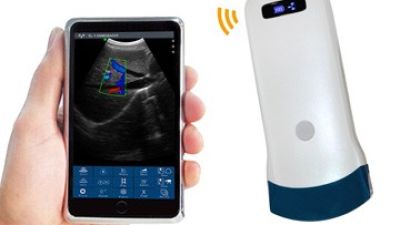
The China CW-5C 128-element smart Wifi Ultrasound Probe is designed for flexible, convenient imaging in clinics, emergency response, home visits, and outdoor medical environments. Its compact, wireless design connects easily with compatible tablets and smartphones, allowing healthcare professionals to view ultrasound images without being restricted by traditional equipment. The 128-element configuration supports clear and efficient imaging for a variety of routine diagnostic applications, while its portable form makes transportation and operation simple.

A built-in, replaceable battery helps maintain dependable performance during extended use and makes it easier to prepare for mobile examinations. The probe is suitable for medical teams, small clinics, remote consultations, and users who need a practical imaging solution in different locations. Its user-friendly operation can help reduce setup time and improve workflow efficiency, especially where space or access to large ultrasound systems is limited.

As a China-based manufacturer and direct factory supplier, we provide quality-focused production and practical supply support for distributors, clinics, and healthcare projects. The CW-5C can be selected as a convenient wireless ultrasound solution for organizations seeking portability, straightforward operation, and compatibility with commonly used smart devices.

FAQS

Which probe is best for examining different pets?

A convex probe covers broad abdominal areas and reaches deeper organs. A linear probe shows superficial tissue with sharper detail. A microconvex probe fits between narrow ribs. A phased-array probe can support cardiac imaging. One probe rarely suits every patient.

How does frequency affect ultrasound images?

Lower frequencies, around 2–5 MHz, penetrate deeply in larger dogs. Higher frequencies, around 7–15 MHz, show near-surface tissue in smaller pets. Greater depth may reduce detail. More detail may reduce penetration.

What image quality should clinics test before buying?

Test a small cat, a deep-chested dog, and a larger patient. Check liver vessels at greater depths. Look for speckle, motion blur, and weak bladder-wall contrast. A bright screen alone proves very little.

Which software controls are important for animal examinations?

Useful presets include abdominal, cardiac, reproductive, cat, and dog settings. Adjustable depth, gain, Doppler, and measurement tools are essential. Automatic settings still need professional correction. They can be wrong.

How should Doppler and other imaging features be evaluated?

Reliable B-mode should come first. Color and spectral Doppler can support blood-flow assessment. Tissue harmonics may reduce image clutter. These features cannot fix poor probe contact or weak technique.

What safety features matter during repeated scans?

Choose adjustable acoustic output and visible thermal and mechanical index displays. These controls help limit unnecessary exposure. A clear high-resolution probe can shorten examination time. Shorter scans may reduce patient movement.

What durability details should buyers inspect?

Check the probe cable, connector, screen hinge, and battery compartment. A sealed keyboard helps after gel spills or muddy paws. Confirm compatible disinfectants. A rugged case does not guarantee reliability.

How important are training and technical support?

Ask about technician response times, remote diagnosis, replacement probes, batteries, manuals, and training. Service delays can disrupt daily work. Specifications look impressive. Workflow matters more.

What should staff test during a trial scan?

Test gloved controls, dim lighting, different animal sizes, and realistic movement. Check how quickly staff can freeze, measure, and save images. Review saved images on a larger monitor. A short trial may expose weaknesses.

Is the most expensive system always the best choice?

No. Confident operators often produce more useful images than expensive features. Leave room for staff learning. I would reconsider the purchase after testing, not after reading a persuasive specification sheet.

Conclusion

Choosing the right Pet Ultrasound Machine in 2026 begins with clearly defining your clinical needs, such as routine abdominal scans, cardiac examinations, reproductive monitoring, or emergency use. Consider the animal types and sizes you treat, then compare suitable ultrasound systems by probe frequency, imaging modes, depth, resolution, and specialized functions. Image quality should remain a priority, but the probes must also be practical for different body areas and animal-specific examinations.

A reliable system should fit smoothly into daily workflows, with intuitive controls, useful software, easy data storage, and portability when mobile care is required. Also evaluate safety features, construction quality, cleaning requirements, battery performance, maintenance needs, and the availability of responsive technical support. Finally, compare the complete ownership cost, including accessories, training, service, warranty coverage, and expected operating life. The best choice is not always the least expensive option, but the machine that delivers dependable performance, efficient examinations, and strong long-term value for both veterinary professionals and animal patients.

Ethan

Ethan

Ethan is a dedicated marketing professional at Sichuan Eacenic Science & Technology Group Co., Ltd., a company established in 2009 that specializes in the design, manufacture, and sales of veterinary medical electronics and integrated circuits. With a deep understanding of the company’s products,......
Previous 2026 Top Dog Ovulation Detectors for Global Buyers?