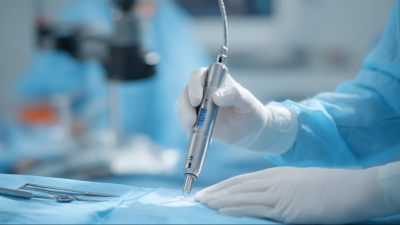
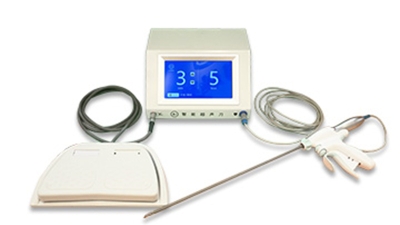
Using Ultrasonic Scalpel Systems in surgeries has really changed the game—making procedures more precise and causing less tissue damage. I recently read a report that estimates the global market for these devices could hit about USD 1.2 billion by 2025. A big driver for this growth? The rising popularity of minimally invasive surgeries and smarter healthcare tech. Now, companies like SICHUAN EACENIC SCIENCE & TECHNOLOGY GROUP CO., LTD., which was founded back in 2009, are playing a huge role here. They’re tapping into their expertise in veterinary electronics and integrated circuits to create solutions that boost efficiency in the operating room.

By honing in on the core tech behind the Ultrasonic Scalpel System, they’re not just helping advance surgical techniques—they’re also aligning with the trend toward safer patient care and smoother workflows. In this blog, I’ll share some of the top tips for healthcare pros to get the most out of these systems—ultimately helping us achieve better surgical results.
Understanding the Ultrasonic Scalpel System: A Game Changer in Surgical Procedures
The ultrasonic scalpel system really marks a big step forward in surgery nowadays. Basically, it uses high-frequency vibrations to cut through tissue and stop bleeding at the same time—pretty cool, right? One of the best parts is that it causes less thermal damage to nearby tissues, which is especially important when working on delicate areas. Surgeons using this tech often find they can get more precise cuts, making for cleaner incisions and faster healing for patients. As healthcare keeps evolving, understanding how this device works and its benefits can really change the way surgeries are done and help patients recover better.
Lately, we've seen other game-changing tech popping up in medicine too—like MRI-guided focused ultrasound for tremors and non-invasive options for liver cancer. These innovations echo the advantages of the ultrasonic scalpel—basically, they’re pushing the field toward less invasive methods that work just as well or even better, while helping patients recover quicker. Bringing these kinds of tech into everyday practice doesn’t just make surgeries more efficient; it also meets what patients want—a safer, faster way to heal. As these advancements continue to reshape protocols, the ultrasonic scalpel is a perfect example of how modern tech is really redefining surgical excellence.

Key Features That Enhance Efficiency in Ultrasonic Scalpel Systems
The ultrasonic scalpel system is really changing the game in surgeries by making things way more efficient with its special features. For starters, one of the coolest things is that it can cut and coagulate tissue at the same time—this means less blood loss and quicker surgeries overall. I read in the Journal of Surgical Research that using ultrasonic scissors can cut down operative time by up to 30%. That’s a huge time saver, giving surgeons more room to handle those tricky, complicated cases.
And then there’s the precision factor. These ultrasonic scalpels allow surgeons to make very fine incisions with hardly any damage to the tissues around them. A study published in the Annals of Surgery also mentioned that patients who had surgeries with ultrasonic scalpels felt 25% less pain afterward compared to traditional methods. That precision really helps patients recover faster, which definitely boosts overall efficiency, don't you think? Plus, modern ultrasonic systems are super user-friendly, making it easier for new surgeons to get the hang of things quickly—no steep learning curve, which is a big plus during training and onboarding.

Best Practices for Operating Ultrasonic Scalpels to Boost Surgical Outcomes
Ultrasonic scalpels have really changed the game in surgery — they offer much greater precision and tend to cause less heat damage. I came across a recent article in the Journal of Surgical Research, and it mentioned that using these devices can cut down operating times by up to 30%. That’s a big deal because it means surgical teams can work more efficiently. When surgeons master the proper techniques for these tools, it can make a big difference for patients — less bleeding during the operation and a quicker recovery overall.
Here’s a useful tip: tweak the energy settings on the ultrasonic scalpel depending on the tissue you're working with. That way, you get a cleaner cut without causing unnecessary damage to surrounding tissues. It’s pretty important for surgical teams to get proper training — understanding how to adapt their approach to different anatomy really makes a difference in results. Keeping these best practices in mind helps surgeons get the most out of ultrasonic scalpels, all while keeping safety as a priority.
And oh, don’t forget about maintenance! Regular cleaning and calibration aren’t just chores; they actually help your equipment last longer and perform better when it really counts. Taking a little time for proper upkeep can improve reliability during critical moments in surgery. If teams incorporate these tips, they can unlock the full potential of ultrasonic scalpels, leading to happier patients and better outcomes all around.
Training Techniques for Medical Staff to Maximize Ultrasonic Scalpel Utilization
Training our medical staff properly is really key if we want to make the most out of ultrasonic scalpel systems. From what I've read, hospitals that put effort into thorough training programs tend to see about a 30% boost in efficiency within the first six months. It's more than just getting familiar with the equipment — good training actually helps the team become more confident and skilled with the technology, which then translates to better outcomes for patients.
Hands-on workshops and simulation exercises are absolute must-haves in training. A study published in the Journal of Surgical Research shows that those hospitals that use simulation-based training for ultrasonic scalpels see about a 25% reduction in how long surgeries take, plus fewer complications. It really highlights how important ongoing education and staying updated on new techniques are, so the medical staff stays sharp and comfortable with the latest tech.
And on top of that, encouraging teamwork across different medical specialties can make a big difference. When different departments join in the training sessions, it’s easier to share tips and adopt best practices. This sort of collaborative approach can really amplify the benefits — in fact, a recent healthcare report mentions that multi-department training can bump up overall surgical efficiency by as much as 40%. It’s all about working together and keeping skills fresh, you know?
Ultrasonic Scalpel Usage Efficiency
The chart below illustrates the efficiency of ultrasonic scalpel usage in various medical procedures over a six-month period. It demonstrates the average time taken (in minutes) per procedure, indicating the effectiveness of training techniques for medical staff.
Integrating Ultrasonic Scalpel Systems with Other Surgical Technologies for Optimal Performance
You know, when ultrasonic scalpel systems are paired up with other surgical tech, things really get interesting. They've actually shown quite a bit of promise in making surgeries smoother and patient outcomes better. I came across this report from MarketsandMarkets — it says the global market for ultrasonic surgical tools is forecasted to jump from about $1.07 billion in 2020 to roughly $1.56 billion by 2025. And guess what’s driving this growth? The increasing shift towards minimally invasive procedures. It’s pretty clear people are getting more aware of how ultrasonic scalpels can be a game-changer—thanks to benefits like less thermal damage and really precise tissue dissection.
Plus, when you combine ultrasonic scalpels with modern imaging tech—stuff like MRI or CT scans—surgeons can get a much clearer picture during operations. Imagine being able to see the critical structures in real time—that’s a huge help in making smarter decisions on the spot. There was this study in the Journal of Surgical Research that found using ultrasonic scalpels alongside advanced imaging can cut down surgery times by up to 30%, and also help reduce postoperative complications. Basically, putting these tools together not only boosts how effective ultrasonic scalpels are but also makes surgical procedures overall more successful and less risky.
Evaluating Performance Metrics: How to Measure Efficiency Gains in Surgical Settings
When you're trying to figure out if an ultrasonic scalpel actually makes surgeries more efficient, checking out performance metrics is a must. It’s all about seeing the real impact—so, surgeons and healthcare managers should look at a bunch of key indicators. For example, one simple way is to track how long surgeries take before and after starting to use the ultrasonic tech. If you notice surgeries are getting quicker, that’s usually a good sign. It can mean things are flowing smoother and patients are being attended to faster, which is pretty important for running a busy surgical department.
Another biggie is how precise the tissue cutting and bleeding control are with this tool. To get a handle on that, you’d look at things like what’s happening during the operation—like, are there fewer complications? Do patients need extra procedures later on? All these tell you if the system is really making a difference in safety and effectiveness. And don’t forget about the experiences of the surgeons and nurses—they can tell you how easy it is to use the equipment, and if it feels comfortable. Their feedback can really help paint the full picture of whether the ultrasonic scalpel is truly boosting efficiency in the long run.
Revolutionizing Veterinary Surgery: Insights from the 2023 Market Report on Ultrasonic Scalpel Systems and the ECI-UK500
The 2023 Market Report on Ultrasonic Scalpel Systems reveals significant advancements in veterinary surgery, highlighting the transformative role of innovative tools like the ECI-UK500. As the veterinary field increasingly embraces technology, the demand for ultrasonic scalpels is witnessing a compound annual growth rate (CAGR) of 12.5%, reflecting the growing recognition of their benefits in surgical precision and reduced tissue damage. This trend underscores a shift in surgical practices, moving towards more efficient, less invasive procedures that enhance patient recovery times.
The ECI-UK500 stands out in this landscape, designed specifically to meet the needs of veterinary surgeons. Equipped with advanced ultrasonic technology, it offers unparalleled control and reduces thermal spread, making it ideal for delicate operations. According to the report, facilities that have adopted ultrasonic scalpels have reported up to a 30% decrease in operation time and a notable improvement in postoperative outcomes. This data reinforces the importance of integrating cutting-edge technology in veterinary surgery to optimize both efficiency and safety for animal patients.
Furthermore, the 2023 Market Report highlights that facilities using the ECI-UK500 can significantly lower their overall surgical costs due to fewer complications and shorter recovery times. With an ever-increasing emphasis on high-quality care and operational efficiency in veterinary practices, integrating systems like the ECI-UK500 not only aligns with the industry's growth trends but also ensures that veterinary professionals are equipped with the best tools to advance animal health and welfare.
FAQS
: The ultrasonic scalpel system is an advanced surgical tool that operates using high-frequency vibrations to simultaneously cut and coagulate tissue, minimizing thermal damage to surrounding areas.
The ultrasonic scalpel enhances precision in incisions, reduces blood loss, speeds up surgeries, and results in decreased postoperative pain and quicker recovery times for patients.
Procedures utilizing ultrasonic scalpels can reduce operative time by up to 30%, allowing surgeons to manage complex cases more effectively.
Patients operated on with ultrasonic scalpels experience a 25% decrease in postoperative pain compared to traditional surgical methods.
Effective training maximizes the utilization of ultrasonic scalpels and can lead to a 30% increase in operational efficiency within six months of implementation.
Hands-on workshops and simulation-based training are recommended as they lead to reduced procedure times and fewer complications, highlighting the importance of continuous education.
Collaboration fosters knowledge sharing and encourages the adoption of best practices, which can enhance overall surgical workflow efficiency by up to 40%.
User-friendly interfaces reduce the learning curve for new surgeons, facilitating quicker adoption of the technology during training.
Yes, emerging technologies such as MRI-guided focused ultrasound for hand tremors and non-invasive techniques for liver cancer treatments are aligning with the less invasive approach characterized by the ultrasonic scalpel.
The integration of advanced technologies like the ultrasonic scalpel into surgical practices enhances patient outcomes by improving safety, reducing recovery times, and meeting patient demand for more efficient medical procedures.
Conclusion
Have you ever thought about just how much the Ultrasonic Scalpel System is changing the game in surgery? If you read the blog titled "Top Strategies for Maximizing Efficiency with Ultrasonic Scalpel System," you'll see that it digs into the real impact this technology is having. It points out some pretty cool features—like how it allows for precise cutting and minimizes thermal damage—which all add up to better outcomes for patients. The piece also shares some practical tips on getting the most out of these scalpels, like how to handle them properly and why it's so important to train medical staff properly so everyone’s on the same page.
What’s really interesting is how the blog talks about combining the Ultrasonic Scalpel with other surgical tools. When done right, it can seriously boost performance in the operating room. Plus, it wraps up with some helpful advice on tracking performance metrics—giving hospitals and surgeons a way to see just how much efficiency they're gaining. And with companies like Sichuan Eacenic Science & Technology Group pushing forward in designing and making these systems, the future looks incredibly promising for making surgeries even more effective thanks to innovative tech. Pretty exciting stuff, right?

 Bovine
 Equine
 Swine
 Ovine
 Pet