inquiry
Leave Your Message
0%

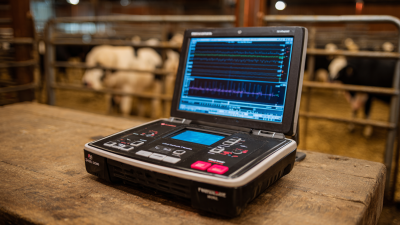
When it comes to getting the best possible reproductive success in pig farming, using the latest tech tools has really become a game-changer. Take the Pig Sperm Density Meter, for instance — it’s this handy device that measures how concentrated the sperm is in a boar’s ejaculate. That info is super important because it helps breeders make smarter decisions. Industry folks have seen that when sperm density is higher, conception rates and litter sizes tend to improve a lot, which can really boost profits. Sichuan Eacenic Science & Technology Group Co., Ltd., founded back in 2009, is actually leading the way in this field. They design and make veterinary electronics specifically for reproductive health in livestock. By mastering the use of tools like the Pig Sperm Density Meter, farmers can make better choices, leading to healthier herds and better profits in this pretty competitive pig farming world.

Mastering the Use of Pig Sperm Density Meter for Optimal Reproductive Success

Understanding the Importance of Sperm Density in Pig Reproduction

When it comes to pig reproduction, sperm density really matters — it’s a key factor in figuring out fertility rates and how successful breeding can be. Researchers have found that having the right amount of sperm can make a big difference, with ideal numbers landing somewhere between 1.5 to 3 billion sperm per milliliter. That range seems to give the best shot at getting pregnant. Knowing this stuff is pretty important for pig farmers who want to boost their herd’s productivity and get better results.

At Sichuan Eacenic Science & Technology Group Co., Ltd., we totally get how important these technical details are in veterinary work. Since we kicked things off in 2009, we’ve been focused on making high-tech veterinary devices — especially sperm density meters designed specifically for pigs. Our products are built with cutting-edge tech, helping farmers easily check and improve sperm quality and quantity. When breeders use our tools, they get accurate data that can really help them increase their chances of successful conception and make smarter decisions when it comes to breeding strategies.

As the industry keeps changing, keeping a good grip on the basics of sperm density will stay super important. Thanks to ongoing tech and research improvements, pig farmers can expect better breeding results, which not only benefits their operations but also supports more sustainable and efficient farming overall.

Overview of Pig Sperm Density Meters and Their Functionality

Pig sperm density metersare pretty much essential tools if you're into swine reproduction. They help breeders get a good idea of the quality and viability of semen samples, which is a big deal when it comes to successful breeding. Basically, these devices measure how many sperm cells are in a certain amount of semen — and that number can really impact fertilization success and overall litter quality. Making sure you get accurate density readings means you're better equipped to use the right amount of sperm for Artificial Insemination, which leads to healthier piglets and a more productive farm overall.


To make the most out of your pig sperm density meter, there are a few tips I’d personally recommend. First off, always calibrate the device before you start testing — trust me, it’s worth the extra minute. Use known standards to calibrate so you can be confident your readings are spot-on. Also, try to process and analyze the semen samples fairly quickly. Sperm can lose their vitality if they sit around too long or if the temperature isn't right, so timing is kinda everything.


And don’t forget to keep your equipment clean and in good shape. Regularly check for any signs of wear or damage, and follow the manufacturer’s instructions for cleaning and maintenance. Doing this not only keeps your meter working properly but also prolongs its lifespan. Stick to these simple practices, and you’ll get a much better understanding of how sperm density impacts your breeding outcomes — making your whole program run smoother and more successfully.

Best Practices for Using a Pig Sperm Density Meter in Breeding Programs

When it comes to improving reproductive success in pig breeding, using a Pig Sperm Density Meter can really make a difference. It’s a handy tool that helps breeders get an accurate idea of sperm concentration — and trust me, that’s super important. Research shows that knowing the right sperm count can really boost chances of conception. For example, the Journal of Swine Health and Production notes that hitting around 1 billion sperm per insemination can bump up fertility rates by as much as 15% compared to lower counts. So, if you're serious about breeding, knowing how to properly use a sperm density meter is pretty much essential.

As far as best practices go, things like regular calibration and careful handling during testing are key. Making sure the device is calibrated correctly — as per the manufacturer’s guidelines — really helps keep measurements accurate, which is crucial when making breeding choices. Also, try to take samples from a consistent environment and temperature — that way, you minimize any weird variations. The National Swine Improvement Federation recommends that breeders measure sperm density with each batch of semen before insemination. This way, you make sure you’re working with the right sperm concentration, leading to better breeding results and healthier, more productive herds.

Interpreting Sperm Density Readings for Optimal Breeding Outcomes

Using a pig sperm density meter is pretty much essential if you're serious about getting the best reproductive results in pig breeding. These high-tech devices help you measure how many sperm are in a specific amount of semen, so you can tell whether the sample is good enough for artificial insemination. A recent study in the Journal of Animal Science highlighted that having the right sperm concentration really matters — they found that around 10 to 15 billion sperm per milliliter boosts fertilization rates and leads to bigger litters. When breeders understand these numbers, they can make smarter choices, which ultimately means better breeding outcomes and more efficient operations.

Now, Sichuan Eacenic Science & Technology Group Co., Ltd. has been leading the way in creating advanced veterinary tech, especially sperm density meters tailored for pig farming. They've been around since 2009, focusing on cutting-edge research and making sure each device gives accurate readings — which is crucial for success. Industry studies show that using such precise tools not only helps get the most out of each semen sample but also unlocks the genetic potential of the pigs, leading to healthier, more productive animals. When breeders get a good grip on these sperm count readings, they can improve their methods, making the whole process more sustainable and profitable in the long run.

Mastering the Use of Pig Sperm Density Meter for Optimal Reproductive Success - Interpreting Sperm Density Readings for Optimal Breeding Outcomes

Sample ID Sperm Density (Million/mL) Total Motility (%) Progressive Motility (%) Post-Thaw Viability (%)
A001 85 70 60 75
A002 95 75 65 85
A003 70 65 55 70
A004 80 72 60 78
A005 90 80 68 82

Case Studies: Successful Applications of Sperm Density Monitoring in Swine

Using a pig sperm density meter effectively can really make a difference in reproductive success on pig farms. Lately, there have been some pretty interesting case studies showing just how crucial monitoring sperm density can be—results that are pretty impressive, whether it’s for artificial insemination or overall breeding outcomes.

According to the American Society of Animal Science, the sweet spot for sperm density is around 2 to 4 billion sperm per milliliter if you want to hit maximum pregnancy rates, which can go over 90% when you stay within that range. In real-world farm settings, those who've been regularly checking sperm density have seen about a 15% bump in conception rates and larger litters, proving just how valuable careful sperm management can be.

A bunch of pig farmers have shared their success stories after giving sperm density monitoring a shot. For example, one integrated pig operation out in Iowa started sticking to a solid routine with the density meter and actually hit an average of 11.5 piglets per sow per litter — that’s pretty impressive compared to the industry average of around 10.

On the flip side, a breeding farm in North Carolina found that using the density meter cut down on the number of insemination attempts needed to get a successful pregnancy. That not only saved time and money but also boosted overall herd fertility, which is kind of a game-changer. All these stories really show that embracing advanced reproductive tech is becoming a must if you want to stay competitive and succeed in today’s pig farming world.

Future Innovations in Sperm Density Measurement Technology for Swine Breeding

Improving the way we measure sperm density is a big deal for better swine breeding. Lately, there have been some cool new tech advances that make it easier and more accurate for farmers and vets to check sperm quality. For example, digital imaging tools are really changing the game—they not only give quick, real-time results but also give detailed info on sperm shape and movement. This kind of data helps us make smarter choices when it comes to breeding.

Looking ahead, we might see even smarter tech with artificial intelligence and machine learning coming into play, helping predict how successful a reproductive attempt might be based on all that sperm info. That kind of data-driven approach could really help farmers fine-tune their breeding plans, getting the most out of their herds and boosting productivity. As this tech keeps evolving, the main goal will stay the same—making sure the breeding stock stays healthy and viable, which ultimately means better results for swine producers competing in a tough market.

FAQS

: Why is sperm density important in pig reproduction?

: Sperm density is crucial as it significantly influences fertility rates and overall reproductive success, with optimal densities between 1.5 to 3 billion sperm per milliliter enhancing conception rates.

What is the ideal sperm density range for maximizing fertility in pigs?

The ideal sperm density range for achieving maximum fertility in pigs is between 2 to 4 billion sperm per milliliter.

How can monitoring sperm density improve swine production outcomes?

Monitoring sperm density can lead to increased conception rates and better litter sizes, with case studies showing improvements of up to 15% in conception rates when implementing regular assessments.

What tools does Sichuan Eacenic Science & Technology Group offer for sperm density measurement?

Sichuan Eacenic Science & Technology Group manufactures advanced veterinary medical electronics, including sperm density meters specifically designed for pig reproduction.

What recent advancements are being made in sperm density measurement technology?

Recent advancements include the integration of digital imaging techniques for real-time readings and detailed assessments of sperm morphology and motility to enhance breeding decisions.

How can artificial intelligence improve sperm density measurement and swine breeding?

Artificial intelligence may be used to analyze sperm assessments and predict reproductive success rates, helping swine producers optimize breeding strategies and increase herd productivity.

Have any case studies demonstrated the effectiveness of sperm density monitoring?

Yes, case studies indicate that swine operations utilizing sperm density meters achieved significant improvements, such as an average of 11.5 piglets per sow per litter, compared to the industry average of 10.

What are the benefits of using a sperm density meter in swine breeding?

The use of a sperm density meter can lead to a reduction in the number of insemination attempts needed for successful pregnancies, thereby saving time and resources while enhancing overall herd fertility.

How does sperm quality assessment contribute to sustainable pig farming?

By optimizing breeding strategies through precise sperm quality assessments, farmers can achieve higher fertility rates, leading to improved sustainable farming practices.

What role does technology play in modern swine reproduction?

Technology plays a vital role by providing tools and data that enable farmers to monitor sperm quality and density, ultimately enhancing reproductive outcomes and herd management.

Conclusion

When it comes to optimizing reproductive success in pigs, understanding how sperm density affects everything is pretty important. That’s where tools like the Pig Sperm Density Meter come in handy — they help breeders get accurate measurements of sperm concentrations, which can really boost breeding results. If you’re using this device, it’s super helpful to follow some best practices, like calibrating it properly and keeping it well-maintained. Doing so can make a real difference in your conception rates and overall herd performance.

In our blog, we take a closer look at how the Pig Sperm Density Meter works, sharing tips on how to interpret the readings. We've also included some case studies showing how it’s been successfully used in actual breeding programs. Plus, we’re excited to talk about future tech advancements in sperm density measurement — all part of Sichuan Eacenic Science & Technology Group Co., Ltd’s commitment to pushing veterinary electronics forward. All of this isn’t just about hitting breeding goals — it’s about showing how modern technology is transforming swine reproduction, making things more efficient and effective than ever before.


Sophie

Sophie

Sophie is a dedicated marketing professional at Sichuan Eacenic Science & Technology Group Co., Ltd., a company established in 2009 that specializes in the design, manufacture, and sales of veterinary medical electronics and integrated circuits. With a deep understanding of the company's innovative......
Previous Understanding the Technical Specifications of the Best Cattle Ultrasound Machine and How to Choose the Right One