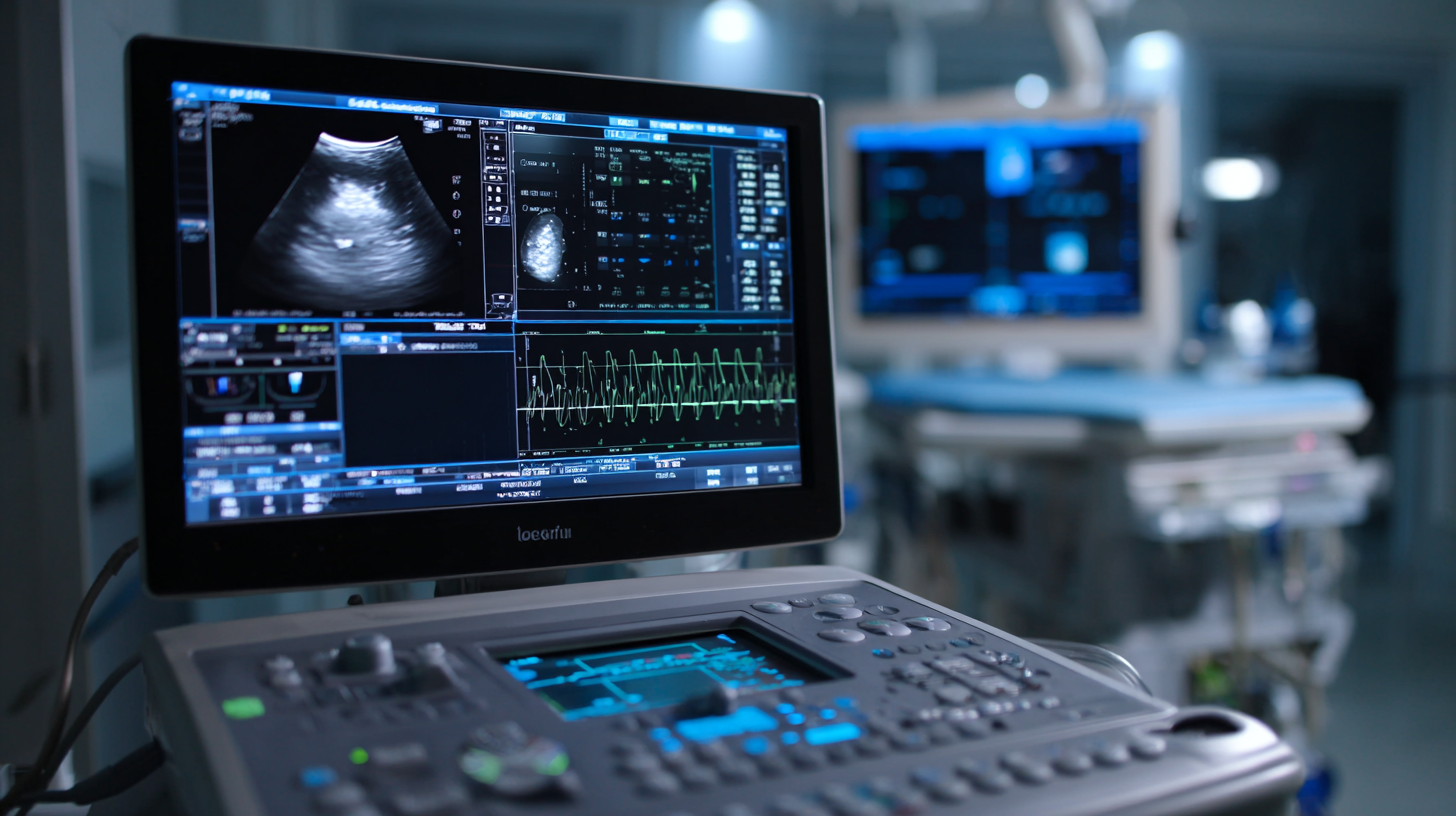
You know, the launch of Wireless Ultrasound Probes really marks a big turning point in medical diagnostics today. They’re making things a lot more flexible and accessible across various healthcare settings — honestly, it’s pretty exciting. I came across a report from MarketsandMarkets that says the global market for ultrasound devices is expected to jump from around 7.8 billion dollars in 2021 to roughly 9.5 billion by 2026. That just shows how much everyone’s craving new and better imaging tech these days. One company I’ve been keeping an eye on is SICHUAN EACENIC SCIENCE & TECHNOLOGY GROUP CO., LTD. They've been leading the pack since they started back in 2009, focusing on designing, manufacturing, and selling pretty advanced veterinary medical electronics and integrated circuits. They’re really committed to R&D, especially when it comes to core technologies like Wireless Ultrasound Probes. These devices are such a game-changer—they help improve diagnostic accuracy and patient care, whether it’s for humans or animals. Honestly, it’s impressive to see how much this tech is shaping the future of medicine.
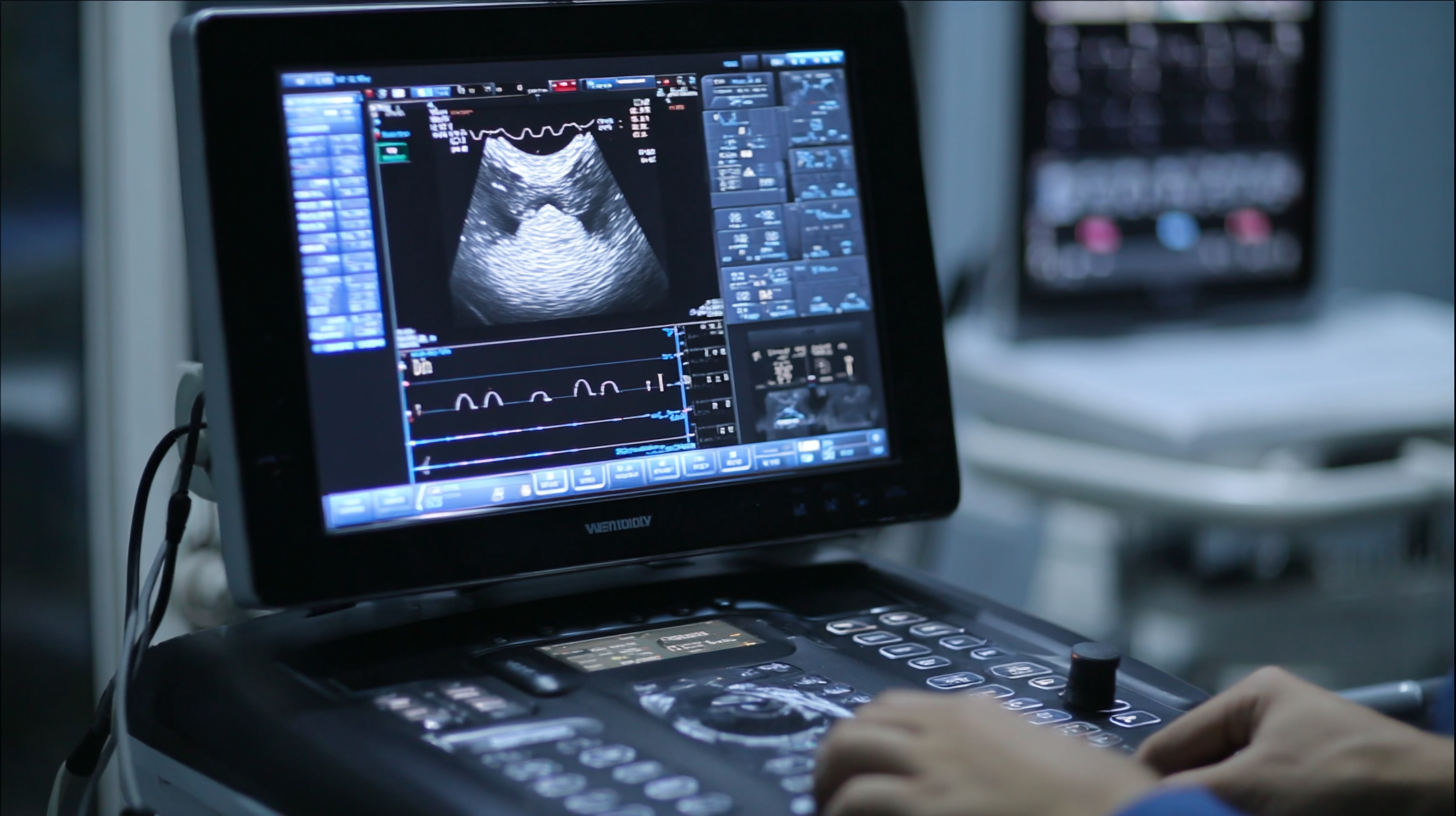
You know, with wireless tech becoming more common, it’s really changed how ultrasound probes are designed and used. I mean, older systems were pretty bulky, with all those cables and fixed units—kind of a hassle, right? Now, wireless probes are a game-changer because they’re way more flexible. Doctors and medical staff can perform exams just about anywhere—whether it’s in busy emergency rooms or out in the field, even remote areas. It’s pretty awesome because it opens up faster access to vital health info, especially when time’s of the essence.
Plus, these new wireless devices aren’t just more portable—they actually produce better images, thanks to upgraded data transfer and smarter imaging algorithms. This means clearer, more detailed visuals in real time, which helps doctors make quicker, more accurate decisions. Another cool thing is how wireless probes make teamwork easier—multiple people can view and analyze images at the same time, making patient care more coordinated. Honestly, the shift to wireless tech is really driving a whole new level of efficiency in medical diagnostics—pretty exciting stuff!
You know, with wireless ultrasound probes coming into the picture, patient care is really getting a major upgrade. These handy devices make imaging much more portable, so healthcare pros can do their jobs more flexibly. It’s no wonder that more and more people are looking for point-of-care diagnostics that are quick and reliable. In fact, industry reports are saying that the portable ultrasound market could hit around $3.84 billion by 2030 — that’s pretty impressive. The big reason? There’s a growing need for accessible healthcare, especially in those remote or underserved spots where traditional imaging tools might not reach easily.
What’s even cooler is that with wireless probes, doctors and nurses can perform exams right at the patient’s bedside or during emergencies. This cuts down on transport and waiting times big time. It’s honestly a game-changer—not just in emergency situations but also in fields like oncology and gynecology, where getting a quick diagnosis can seriously make a difference. Plus, these wireless tech advances are making it easier to sync up with digital health systems, so data can be shared instantly and care teams can collaborate more smoothly. All in all, as this technology keeps evolving, the portability factor is really shifting the way we approach patient care — making high-quality imaging accessible to way more people than ever before.
The rise of wireless ultrasound probes is really a game-changer in medical diagnostics. It’s not just about being cutting-edge — these devices actually improve how accurate diagnoses are, and they also make the whole experience better for patients. Some recent studies have shown that wireless tools can speed up diagnoses by up to 40%. The real-time imaging they offer is especially useful in emergencies or when working in remote areas. Plus, they give both doctors and patients more freedom to move around, which means quicker and more effective interventions.
At Sichuan Eacenic Science & Technology Group Co., Ltd., we’re super proud to be part of this exciting wave of innovation. Since kicking things off in 2009, we’ve been dedicated to designing and manufacturing veterinary medical electronics. We keep investing in our core tech to push the limits of what’s possible in diagnostics. Our focus on research and development puts us in a great position to contribute to the growing world of wireless ultrasound tech — always aiming to deliver top-quality care.
A quick tip: If you’re thinking about bringing wireless ultrasound probes into your clinical practice, make sure to check if they play nicely with your existing systems. Also, don’t forget about training your staff — making sure everyone knows how to use the new tech properly makes all the difference. And of course, staying compliant with regulations is key to keeping patients safe and making sure the technology really works as it should.
You know, the whole idea of using wireless ultrasound probes in telemedicine is pretty much a game-changer for modern healthcare. I read a report from ResearchAndMarkets that predicts the global telemedicine market will hit around $460 billion by 2026 — crazy, right? It really shows how much remote healthcare solutions are becoming a big deal these days. What’s cool about wireless ultrasound tech is that doctors can perform diagnostic exams from pretty much anywhere. That’s especially helpful in rural or underserved areas, where getting to a traditional clinic can be a real hassle.
Bringing wireless ultrasound into telehealth isn’t just about convenience — it actually improves how we monitor patients and gets them diagnoses faster. There was a study in the Journal of Medical Internet Research that pointed out remote ultrasound exams can really boost patient outcomes by giving swift, accurate diagnostics, which means quicker treatment and fewer delays. Basically, this tech lets doctors conduct exams on the spot, share images instantly, and even consult with specialists without being in the same place. It’s honestly changing the whole landscape of patient care. As more folks turn to telehealth, being able to use wireless ultrasound remotely is set to totally overhaul how we handle patient management and deliver healthcare overall.
You know, the way wireless ultrasound tech is evolving, it’s really about to shake up healthcare as we know it. I mean, just think about how much more convenient and accurate things could get! I came across a recent report from MarketsandMarkets, and it’s pretty wild — they’re saying the global market for point-of-care ultrasounds could hit a staggering $4.54 billion by 2026, growing at a compound annual rate of about 16.8%. That’s a lot of growth! What’s driving all this? Well, people are really pushing for portable, wireless ultrasound probes that can be used anywhere—whether that’s in busy hospitals or even in remote, hard-to-reach places. They want quick, real-time results, and these new devices fit that bill perfectly.
Looking ahead, there’s some pretty exciting stuff on the horizon. Innovations are supposed to bring in high-tech features like artificial intelligence and machine learning. These upgrades aren’t just bells and whistles—they’re set to make the images clearer and help doctors diagnose things faster and more accurately. For example, there was a study published in the Journal of Medical Ultrasound that highlighted how AI combined with ultrasound could boost detection of abnormalities by up to 30%. Honestly, as these tech advances keep rolling out, I think we’re going to see some serious changes—not just in how patients are cared for, but also in making medical diagnostics more accessible around the globe. It’s pretty exciting, don’t you think?
Using wireless ultrasound probes in clinical practice is truly a game-changer for modern medical diagnostics. These days, they're becoming more portable and easier on the wallet, which means they’re really stepping up point-of-care ultrasound—helping docs in all kinds of healthcare settings. Recent studies have shown that this tech can actually lead to better patient outcomes, mainly because you can get real-time images right then and there—whether you're in a primary care clinic or an emergency room. It’s pretty impressive how much this can improve things.
Of course, to get the most out of these wireless probes, proper training and strict infection control are key. With reports showing that multi-drug resistant bacteria can thrive in healthcare environments, keeping the equipment properly sanitized is a must. Training staff not only on how to operate these devices but also on infection prevention tips can really cut down on infection risks. For example, reducing the pressure when holding the transducer is pretty important—not just for preventing contamination but also to avoid putting strain on sonographers’ hands and arms. So, paying attention to ergonomics is actually pretty vital for keeping everyone safe and making sure the diagnostics are spot-on.
: Wireless ultrasound probes enhance diagnostic accuracy and patient experience, improving the speed of diagnosis by up to 40% and providing real-time imaging, especially beneficial in emergency and remote settings.
Since its establishment in 2009, Sichuan Eacenic Science & Technology Group has focused on the design and manufacture of veterinary medical electronics, investing in core technologies to enhance diagnostics in wireless ultrasound technology.
It's crucial to evaluate compatibility with existing systems, staff training requirements, and regulatory compliance to maximize the technology's benefits and ensure patient safety.
The use of wireless ultrasound probes can lead to improved patient outcomes by enabling real-time imaging across various healthcare settings, from primary care offices to emergency rooms.
Best practices include proper training for staff, adherence to infection control protocols, and ensuring regular sanitation of ultrasound equipment to minimize the risk of healthcare-associated infections.
Training staff on the operation of these devices and effective infection prevention measures can significantly reduce the risk of outbreaks and ensure safe and effective diagnostic practices.
Reducing transducer pressure during use is essential to prevent contamination and musculoskeletal disorders among sonographers, highlighting the importance of ergonomics in diagnostic practices.
Maintaining compliance with regulatory standards is essential for ensuring patient safety and the efficacy of diagnostics when integrating wireless ultrasound technology in clinical settings.
Hey, have you read the article titled "Exploring the Revolution of Wireless Ultrasound Probes in Modern Medical Diagnostics"? It really dives into how wireless tech is changing the game when it comes to ultrasound probes. I mean, the portability factor alone is a huge win for patient care—making it way easier to do exams on the go or in hard-to-reach places. These wireless ultrasound probes are also super helpful because they give real-time images and fit seamlessly into telemedicine setups. That’s especially crucial in remote areas where healthcare resources are limited.
As healthcare keeps pushing toward more innovative stuff, it looks like wireless ultrasound probes are only going to get better. With new tech coming out all the time, we can expect these devices to become more functional and accessible for everyone. The article also touches on some best practices for doctors and medical teams to get the most out of these tools in real clinical settings—so, really, it’s about helping providers use them effectively. All in all, this shift towards wireless probes is a pretty big leap forward in medical diagnostics, and it lines up perfectly with companies like Sichuan Eacenic Science & Technology Group Co., Ltd., who are really dedicated to pushing medical electronics tech to the next level.