The Sheep Ultrasound Machine is really changing the game for sheep farmers and vets alike. It's such a handy tool for keeping an eye on the health of ewes during pregnancy. With this device, farmers can catch early signs of pregnancy, which means they can make sure the right care is given right from the start. That said, honestly, a lot of farmers haven't quite gotten the hang of how it works yet.
To really get the most out of this ultrasound gadget, you’ve gotta understand a bit about how ultrasound technology works. Basically, it uses sound waves to snap images of what's happening inside the sheep. It's non-invasive, which is a big plus because it means you’re not stressing the animals out. But here’s the thing—getting comfortable with using the machine can be different for everyone.
Farmers need to spend some time learning its ins and outs. When you know how to operate it correctly, your sheep breeding results can really improve. Of course, it’s also important to remember that this isn’t a magic bullet—you might need to double-check with other methods sometimes, just to be sure. Embracing tech like this ultrasound machine is definitely the way forward, but honing your skills along the way is just as vital. It’s all about continuous learning and improvement.
What is a Sheep Ultrasound Machine?
A sheep ultrasound machine is a diagnostic tool used primarily in veterinary medicine. This device employs sound waves to create images of a sheep's internal organs. Veterinarians often use it to monitor the health of pregnant ewes. The ultrasound can reveal the number of embryos and their development stages, providing critical information for managing their care.
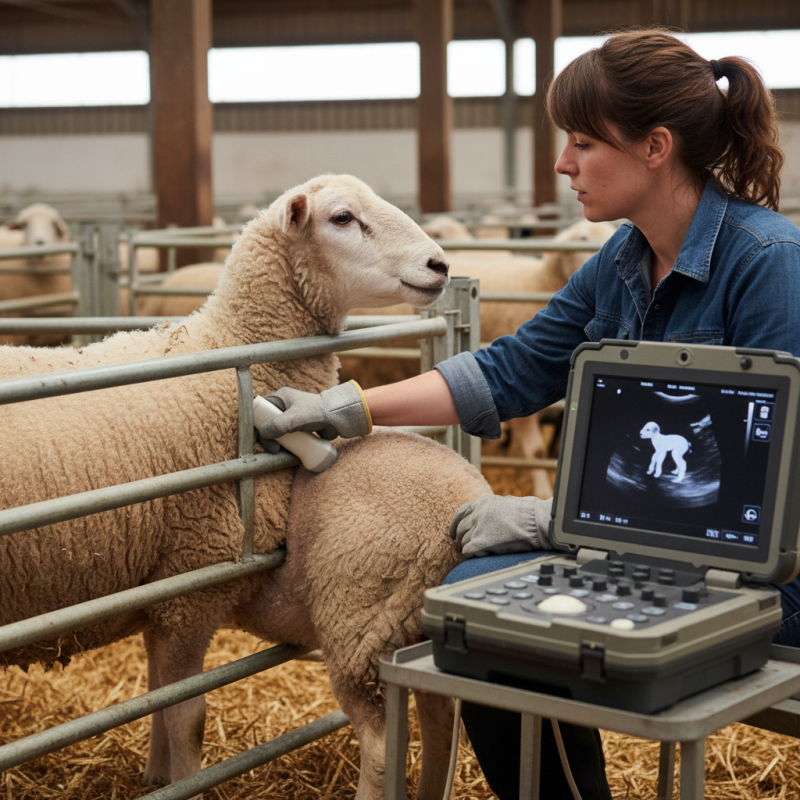
Operating a sheep ultrasound machine requires some expertise. The veterinarian applies a gel to the sheep's abdomen to ensure good sound wave transmission. A handheld transducer is then moved across the area to capture images. These images are analyzed in real-time, allowing for immediate insights. However, the accuracy can be influenced by factors such as the sheep's age, body condition, and even the machine's settings.
While the technology is invaluable, it is not without limitations. Sometimes, the images may not be clear, leading to potential misinterpretations. Training and experience play a significant role in maximizing the machine's effectiveness. Therefore, ongoing education and practice are crucial for veterinarians in this field. The sheep ultrasound machine represents a blend of technology and skill, crucial for animal health and farm efficiency.
Components of a Sheep Ultrasound Machine
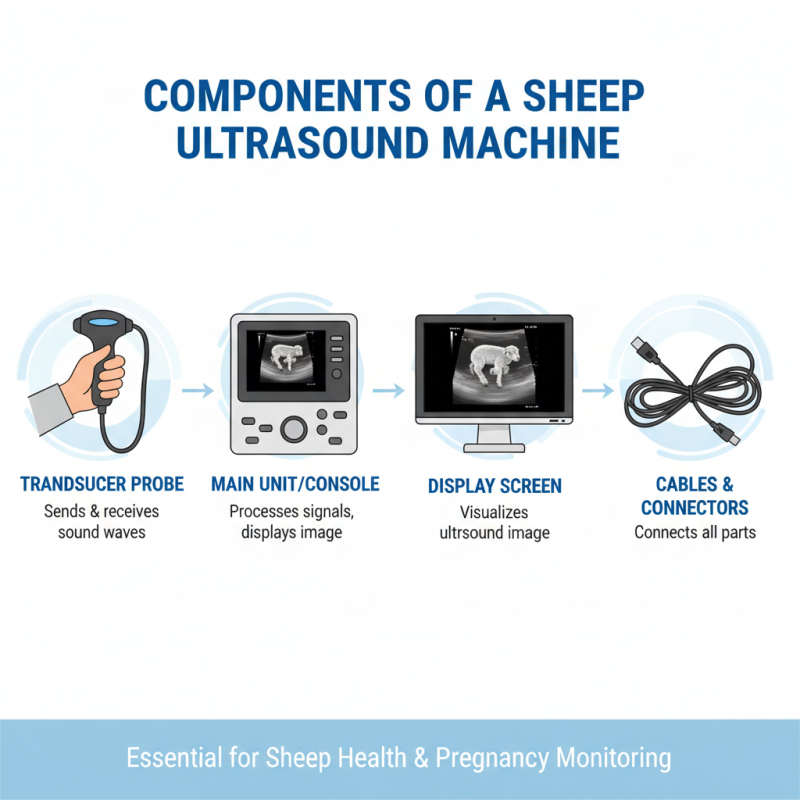
A sheep ultrasound machine is a valuable tool in veterinary medicine. It allows farmers and veterinarians to assess the health of sheep and monitor pregnancies. Understanding the components of this machine is essential for effective use.
The primary component is the ultrasound transducer. This device emits sound waves that penetrate the sheep's body. The waves bounce back and create images of internal organs. Another important part is the monitor. It displays the images in real-time, enabling quick assessments. The control panel manages settings for frequency and intensity. The machine also includes gel, which improves sound wave transmission to obtain clearer images.
Ultrasound machines often have various probes to adjust to different sizes of sheep. However, the effectiveness can vary based on training and technique. Proper placement of the transducer is crucial for accurate readings. Users must regularly calibrate the equipment to maintain quality. While technology has advanced, the skill of the operator is a significant factor in producing reliable results.
How Sheep Ultrasound Works: Principles and Techniques
Sheep ultrasound machines are innovative tools for livestock management. They enable farmers to monitor the reproductive health of sheep efficiently. This technology utilizes high-frequency sound waves to create images of internal organs, particularly the uterus. By examining these images, farmers can assess pregnancy status and fetal health. According to recent industry reports, effective use of ultrasound can increase lambing rates by up to 20%.
The principles behind sheep ultrasound focus on echogenicity and tissue density. When sound waves hit different tissues, they reflect back to the machine, creating detailed images. Techniques like 2D imaging and Doppler ultrasound are commonly employed. A study published in the Journal of Animal Science noted that successful detection of pregnancy in ewes could be achieved as early as 30 days post-mating. Accurate detection allows for better resource allocation and improved flock management.
Despite its benefits, some challenges exist. Not all sheep respond the same way to ultrasound examinations. Factors like fat cover and stress levels can affect imaging quality. Farmers must continually adapt their techniques to improve outcomes. Training in using a Sheep Scanning Machine is essential for achieving reliable results. Understanding these nuances is key to optimizing sheep farming practices and ensuring animal welfare.
Applications of Ultrasound in Sheep Farming
Ultrasound technology has transformed sheep farming, offering numerous applications. The Sheep Ultrasound Scanner is an essential tool for effectively managing flocks. Farmers can determine pregnancy status, monitor fetal growth, and assess reproductive health with ease. Studies indicate that ultrasound can improve lambing rates by 10-20% when used correctly. Early detection of pregnancy allows farmers to provide tailored nutrition, which is crucial for both ewes and their offspring.
In addition to pregnancy detection, ultrasound assists in evaluating body condition scores. This is vital for managing nutrition and ensuring optimal health. A healthy flock can yield higher quality wool and meat. Research shows that well-monitored sheep can increase wool production by 15% compared to poorly managed flocks. By investing in a Sheep Ultrasound Scanner, farmers can track vital metrics over time, enhancing overall productivity.
However, not all farmers utilize this technology. Some may hesitate due to costs or lack of training. This underuse reflects a gap in understanding the full benefits of ultrasound in sheep farming. As awareness grows and training initiatives expand, more farmers may adopt this practice. Utilizing ultrasound effectively can create a sustainable future for sheep farming, benefiting both producers and consumers alike.
What is a Sheep Ultrasound Machine and How Does It Work? - Applications of Ultrasound in Sheep Farming
| Application | Description | Benefits | Frequency Used (MHz) |
| Pregnancy Diagnosis | Ultrasound is used to confirm pregnancy in ewes, typically at 30 days post-breeding. | Early detection allows for better management of nutrition and care during pregnancy. | 3.5-5.0 |
| Fetal Health Monitoring | Assessment of fetal development and health status through imaging. | Helps in identifying potential issues early on, allowing for timely interventions. | 3.5-5.0 |
| Lambing Management | Used to predict the number of lambs an ewe will have, aiding in lambing preparation. | Improved management of resources and assistance during lambing. | 3.5-5.0 |
| Condition Scoring | Ultrasound can be used to assess the body condition and fat deposits in sheep. | Allows for better management of feeding and health strategies. | 5.0-7.5 |
| Growth Monitoring | Monitoring muscle development and growth rates in lambs. | Helps improve selection and breeding programs. | 5.0-10.0 |
Benefits of Using Ultrasound for Sheep Health Management
Ultrasound technology has transformed sheep health management in recent years. It offers critical insights into the reproductive status of ewes. This non-invasive tool helps farmers make informed decisions about breeding, particularly during Sheep Insemination. According to a report by the American Society of Animal Science, early ultrasound detection can improve lambing rates by up to 20%.
Farmers can monitor ovulation and fetal development effectively using ultrasounds. This technology enables the identification of pregnant ewes as early as 28 days post-breeding. Timely information can lead to better nutrition strategies, resulting in healthier offspring. An Australian study outlined that using ultrasound can reduce lamb mortality rates significantly.
However, the implementation of ultrasound machines comes with challenges. Training staff to operate the equipment requires resources and time. Additionally, not all farms may have access to advanced technology due to financial constraints. The cost of investing in ultrasound systems can be substantial but often pays off in improved herd health and productivity. Further research is needed to increase accessibility and training for all sheep farmers.
Interpreting Ultrasound Results in Sheep
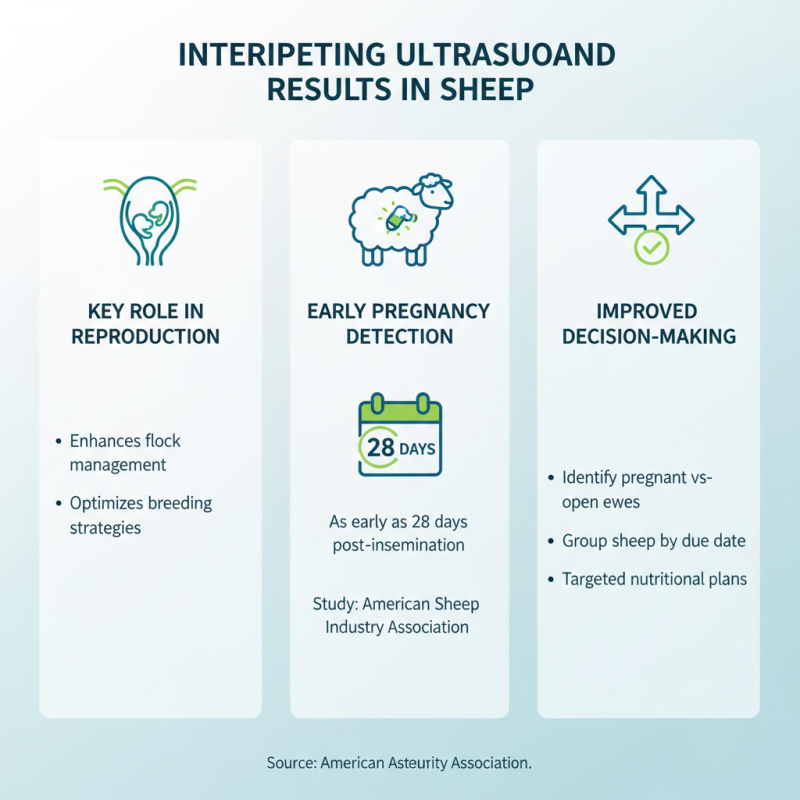
Ultrasound technology plays a significant role in sheep reproductive management. Interpreting ultrasound results in sheep requires a keen understanding of reproductive health. A study from the American Sheep Industry Association noted that accurate ultrasound assessments can identify pregnancies as early as 28 days post-insemination. This early detection improves decision-making for flock management and breeding strategies.
Veterinarians use ultrasound to evaluate fetal health and development. This is crucial for ensuring that ewes receive proper nutrition and care. Ultrasound images can reveal abnormalities or multiple pregnancies. A report from the University of Kentucky indicates that monitoring fetal development can increase lamb viability rates by up to 15%. Understanding these results provides farmers with necessary information to improve flock health.
Moreover, it's essential to integrate ultrasound results with other assessments. Techniques like Sheep Semen Analysis Equipment can give insights into ram fertility. This comprehensive approach enhances the likelihood of successful breeding outcomes. It's vital to recognize the limitations of ultrasound findings. Sometimes, the results may not be definitive. This uncertainty demands further investigations to ensure optimal reproductive management.
Future Trends in Sheep Ultrasound Technology
The future of sheep ultrasound technology is vibrant and evolving. As advancements continue, ultrasound machines are becoming more accessible for sheep farmers. They enhance reproductive management and flock health. Data indicates that the global market for Veterinary Ultrasound is projected to reach $1.1 billion by 2025, with significant growth in sheep farming practices.
Innovations focus on portability and user-friendly interfaces. Many machines now offer real-time imaging and better resolution. This allows farmers to make swift decisions regarding breeding and health interventions. However, some farmers still face challenges in training personnel to operate these advanced machines skillfully. The gap in expertise can hinder the adoption of these technologies.
Emerging trends include integration with AI and mobile applications. These technologies can analyze ultrasound images for abnormalities. This might lead to improved outcomes in sheep health management. Additionally, there are concerns about the cost of these technologies. Affordability remains a barrier, particularly for small-scale farmers. Balancing innovation with accessibility will be crucial in shaping the future of sheep ultrasound technology.
Trends in Sheep Ultrasound Technology
Innovative Imaging Solutions: Exploring the Benefits of the CW-6C Convex Wireless Handheld Ultrasound Probe
The CW-6C Convex Wireless Handheld Ultrasound Probe represents a significant advancement in medical imaging technology, particularly in the realm of abdominal and uterine scanning. This innovative device offers a seamless connection to mobile phones via WiFi, enabling healthcare professionals to conveniently access imaging capabilities without the constraints of traditional wired systems. Its compact design ensures that it can easily fit in a pocket, making it an ideal tool for on-the-go diagnoses in various clinical settings.
One of the standout features of the CW-6C is its impressive imaging capabilities, driven by 192 array elements for image processing. This results in remarkably clear and detailed images, which are crucial for accurate assessments and diagnoses. The probe’s wireless nature not only enhances its versatility but also allows practitioners to streamline their workflow, reducing setup times and improving patient interaction. The combination of portability, advanced imaging technology, and user-friendly connectivity marks the CW-6C as a game-changer in the field of ultrasound imaging, paving the way for more efficient and effective patient care.
FAQS
: The main component is the ultrasound transducer, which emits sound waves to create images.
It uses high-frequency sound waves to create images of internal organs, particularly for pregnancy assessment.
It helps monitor reproductive health, improves lambing rates, and informs breeding decisions.
Pregnancy can be detected as early as 28 days post-breeding in ewes.
Factors like fat cover, stress levels, and the need for skilled operators can affect imaging quality.
Proper training enhances the technique, improving the accuracy and reliability of results.
Not all sheep respond consistently, which may lead to variable image quality and results.
Effective monitoring of fetal health leads to better nutrition strategies and can reduce lamb mortality significantly.
Operator skill, placement of the transducer, and regular calibration are critical for producing reliable results.
Yes, the initial cost of ultrasound machines can be substantial for some farms, impacting accessibility.
Conclusion
A Sheep Ultrasound Machine is a specialized device designed to visualize internal processes and conditions in sheep, facilitating better health management in farming. This technology utilizes sound wave principles to create images of the reproductive system, aiding in tasks such as pregnancy detection and monitoring fetal development. The machine comprises several critical components, including a transducer, display unit, and software for image analysis.
The applications of ultrasound in sheep farming are extensive, ranging from ensuring optimal breeding practices to assessing overall animal health. Utilizing this technology offers numerous benefits, including improved reproductive efficiency and early diagnosis of health issues. By interpreting ultrasound results accurately, farmers can make informed decisions that enhance sheep welfare and productivity. As technology evolves, future trends in sheep ultrasound are likely to introduce more advanced imaging methods, further revolutionizing sheep health management practices.

 Bovine
 Equine
 Swine
 Ovine
 Pet