inquiry
Leave Your Message
0%

China’s veterinary imaging market is expanding rapidly, but choosing equipment requires more than comparing prices. This guide examines the China Top 10 Ultrasound Machines for Veterinary Use, with attention to clinical practicality, image quality, and service support.

Veterinary hospitals need different capabilities from mobile clinics and breeding farms. A compact scanner may suit ambulatory examinations. A larger console can provide stronger cardiac, abdominal, and reproductive imaging. Probe selection matters, too. Microconvex Probes can examine small animals effectively. Linear probes may reveal superficial tendons, skin layers, and reproductive structures.

As veterinary imaging specialist Dr. Thomas G. Nyland has stated, “Ultrasound is a real-time, noninvasive window into the patient’s body.” That window is valuable only when the operator understands anatomy, settings, and limitations. Equipment cannot replace clinical judgment.

Not a magic box.

This overview evaluates Chinese manufacturers and suppliers through an experience-based lens. It considers transducer range, Doppler performance, screen visibility, workflow, portability, software, warranty terms, and technical training. It also considers practical details, such as whether the wheels move smoothly across a clinic floor or whether a battery lasts through farm visits.

Some product claims deserve careful checking. Published specifications may not reflect daily performance in a noisy examination room. After-sales support can vary by region. User training may also be overlooked.

The ranking is therefore useful, but not absolute. Veterinary teams should match each Ultrasound Machine Veterinary Use solution to animal size, examination type, workload, and budget. A thoughtful trial remains essential before purchase.
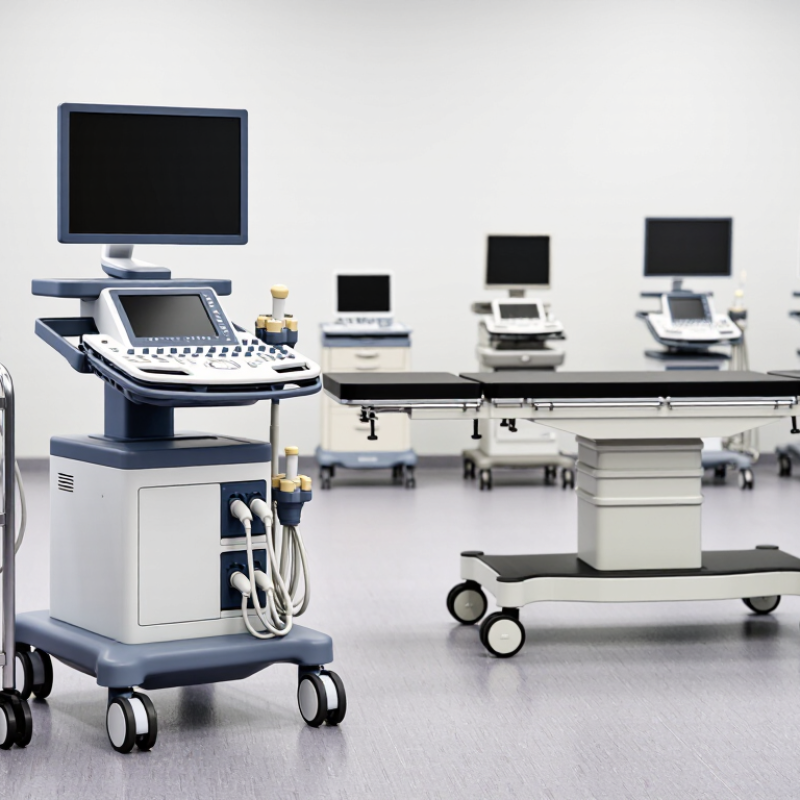
China Top 10 Ultrasound Machines for Veterinary Use

What Veterinary Ultrasound Machines Are and How They Work

Veterinary Ultrasound Machines create images from reflected sound waves. A handheld probe sends high-frequency pulses into the animal’s body. Tissues return different echoes. The machine converts those echoes into moving images on the screen. Fluid often appears dark, while bone and gas create strong, disruptive reflections. No radiation is involved.

A trained veterinarian can examine the abdomen, heart, tendons, uterus, and developing fetuses in real time. The operator applies warm coupling gel and moves the probe across the clipped skin. Small changes in pressure can reveal different structures. Patient movement, hair, gas, and poor positioning may reduce image quality. The machine is helpful, but it is not automatic. Interpretation still depends on anatomy knowledge and clinical judgment.

Some owners search for a Dog Use Ovulation Detector when planning canine breeding. That phrase can be misleading. Ultrasound may help monitor reproductive structures, but it does not always identify ovulation by itself. Veterinarians often combine imaging with hormone testing and cycle history. Timing can remain uncertain. I would not treat one scan as final evidence. A careful examination records the animal’s condition, probe settings, image depth, and follow-up findings. Better equipment cannot fully correct weak technique.

Key Features for Evaluating Veterinary Ultrasound Equipment

Evaluating the China top 10 ultrasound machines for veterinary use requires more than checking image resolution. In clinical practice, probe selection often matters more than impressive specifications. A high-frequency linear probe can reveal tendons, superficial masses, and small animal organs clearly. A microconvex probe offers better access between ribs and around curved body surfaces. For large animals, a durable convex probe and sufficient penetration are essential.

Look for adjustable gain, depth, focus, and harmonic imaging. These controls help veterinarians examine tissue layers under different conditions. Color Doppler should display blood flow smoothly, even at low velocities. Freeze, cine-loop, and measurement tools also support careful review. A bright screen is useful in a stable, but sunlight can expose weaknesses. Test it outdoors if possible.

Portability affects real workflow. The unit should start quickly, run on battery power, and tolerate dust, moisture, and frequent transport. Check probe connectors, cable flexibility, and cleaning instructions before purchase. Data export should support common formats and protect patient records. Local technical support, user training, warranty terms, and spare-part availability deserve equal attention. They are easy to overlook.

A field assessment should include actual scans from dogs, cats, horses, or livestock. Ask experienced users to compare abdominal depth, motion handling, and measurement accuracy. No scorecard is perfect. I would still record weak points, such as slow boot time or awkward buttons, because small frustrations become daily problems. Try the machine with gloved hands.

China Top 10 Ultrasound Machines for Veterinary Use - Key Features for Evaluating Veterinary Ultrasound Equipment
Rank Equipment Category Recommended Veterinary Applications Imaging Modes Typical Probe Configuration Display and Workflow Portability Key Evaluation Features
1 Premium Cart-Based Veterinary Ultrasound System Advanced abdominal, cardiac, reproductive and musculoskeletal examinations in referral hospitals and veterinary teaching facilities. B-mode M-mode Color Doppler Power Doppler PW Doppler Convex, linear, microconvex and phased-array probes; commonly supports approximately 2–15 MHz depending on the transducer. Large high-resolution monitor, multi-probe connectors, cine-loop review, measurement packages and digital image storage. Room-based cart with locking wheels; designed for frequent use rather than field transport. Prioritize Doppler sensitivity, cardiac frame rate, probe selection, image uniformity, ergonomic controls and service support.
2 High-Performance Portable Laptop Ultrasound System Small-animal clinics, mobile veterinary services, emergency examinations and general abdominal diagnostics. B-mode M-mode Color Doppler PW Doppler Interchangeable convex, linear and phased-array probes; typical working range is about 2–12 MHz. Integrated laptop-style display, rechargeable battery, exam presets, patient database, USB or network export and cine review. Portable case or shoulder-bag format; commonly suitable for several hours of intermittent scanning when battery capacity is adequate. Compare battery runtime, boot time, fan noise, keyboard cleanliness, screen visibility and performance during mobile use.
3 Veterinary Cardiac and Doppler Ultrasound Platform Canine and feline echocardiography, cardiac screening, blood-flow assessment and selected vascular studies. B-mode M-mode Color Doppler PW Doppler CW Doppler Phased-array and sector probes, often supplemented by a small-footprint microconvex probe. High-refresh display, ECG compatibility on selected configurations, synchronized measurements and customizable cardiac presets. Usually cart-based, with selected portable configurations available. Evaluate temporal resolution, Doppler scale, spectral clarity, ECG integration and automated cardiac measurement tools.
4 Large-Animal Reproductive Ultrasound Scanner Pregnancy diagnosis, follicular monitoring and reproductive management in cattle, horses, sheep, goats and other farm animals. B-mode M-mode Color Doppler Long-shaft rectal linear probes, convex probes and reproductive probes; commonly around 4–10 MHz. Sunlight-readable screen, dedicated reproductive presets, image freeze, measurement tools and rapid one-handed controls. Battery-operated handheld or compact portable unit, suitable for farm visits and stable-side examinations. Check probe durability, cable strain relief, waterproofing, glove-friendly controls, battery replacement and field image visibility.
5 Compact Microconvex Ultrasound System Small-animal abdominal scanning, emergency triage, thoracic imaging and examinations in restricted anatomical spaces. B-mode Color Doppler Power Doppler M-mode Microconvex probe typically around 4–10 MHz, with optional linear or phased-array transducer. Compact display, rapid startup, abdominal presets, depth and gain controls, cine-loop storage and basic measurement packages. Highly portable handheld or small laptop format. Assess near-field resolution, footprint size, depth penetration, probe temperature, cleaning compatibility and ease of operation.
6 Handheld Wireless Veterinary Ultrasound Device Point-of-care examinations, ambulatory practice, emergency triage, pregnancy checks and basic abdominal assessment. B-mode Color Doppler Power Doppler Wireless convex, linear or dual-head probe; typical probe ranges vary from approximately 2–12 MHz. Uses a tablet or smartphone application; supports still-image capture, cine clips, annotations and wireless transfer. Very high portability with a compact probe and rechargeable battery. Verify wireless stability, application compatibility, cybersecurity, battery life, probe disinfection method and resistance to fluid ingress.
7 Entry-Level General-Purpose Veterinary Ultrasound Machine Routine abdominal, urinary, reproductive and basic obstetric examinations in general veterinary practices. B-mode M-mode Color Doppler One convex or microconvex probe supplied as standard, with an optional linear probe; typically about 3–10 MHz. Medium-size monitor, preset menus, image measurements, patient records and USB image export. Compact cart or portable console, depending on configuration. Focus on basic image quality, reliable Doppler, probe availability, software simplicity, warranty coverage and total ownership cost.
8 Linear High-Frequency Veterinary Ultrasound System Superficial masses, skin and soft tissue, tendons, ligaments, peripheral vessels, testicles and small-animal musculoskeletal studies. B-mode Color Doppler Power Doppler M-mode High-frequency linear probe generally around 7–18 MHz, with optional convex or microconvex probe. High-resolution display, compound imaging, tissue harmonics, zoom, needle enhancement and measurement tools on selected systems. Portable console or cart-based design. Compare superficial resolution, probe footprint, compound-imaging performance, Doppler sensitivity and needle-visibility options.
9 Rugged Field Veterinary Ultrasound Scanner Farm calls, equine practice, wildlife care, shelter medicine and examinations in outdoor or challenging environments. B-mode Color Doppler M-mode Convex, linear or rectal linear probes; typical operating ranges are approximately 3–12 MHz depending on probe type. Glove-friendly interface, sealed controls, image presets, internal storage, USB export and high-contrast display. Battery-powered, shock-resistant portable unit with protective carrying case. Look for ingress protection, drop resistance, operating-temperature range, battery-swapping capability and ease of cleaning.
10 Basic Veterinary Ultrasound System for Clinics and Training Routine pregnancy checks, abdominal screening, introductory ultrasound training and low-volume clinical use. B-mode M-mode Color Doppler Convex or microconvex probe, commonly around 3–8 MHz; optional linear probe for superficial structures. Simple user interface, standard measurements, image freeze, basic patient records and removable-media export. Lightweight portable console or compact cart. Evaluate upgrade options, probe replacement cost, software localization, training resources, image storage and after-sales maintenance.

China’s Top 10 Veterinary Ultrasound Machines at a Glance

China’s top 10 veterinary ultrasound machines at a glance show a practical range for clinics, farms, and mobile field teams. The right Ultrasound Veterinary Machine should match animal size, examination type, and daily workload. Compact systems suit small-animal consultations. Larger carts offer stronger imaging and wider storage options.

Most leading models support abdominal, reproductive, and musculoskeletal examinations. Look for a clear display, adjustable depth, and reliable image freezing. A microconvex probe helps scan dogs, cats, and small livestock. A linear probe provides sharper views of tendons and superficial tissue. For pregnancy checks, stable real-time imaging can reduce repeated restraint and animal stress.

Usability matters in actual practice. Buttons should remain easy to operate with gloved hands. Battery performance matters during farm visits. Dust-resistant housing is helpful, but it does not replace careful cleaning. Veterinary professionals should check probe durability, software updates, training, and local technical support before purchase. Some machines appear impressive in demonstrations, yet feel slow during busy examinations. No shortlist is perfect. Pricing, accessories, and service quality can change the real value considerably. A careful trial with typical patients remains more trustworthy than a brochure alone.

Detailed Comparison of the Ten Recommended Ultrasound Machines

China Top 10 Ultrasound Machines for Veterinary Use

A detailed comparison should examine clinical purpose, probe range, imaging depth, battery life, and service support. The ten recommended Veterinary Ultrasound Machine options differ sharply in these areas. The first handheld unit is ideal for field checks, but its screen may struggle in bright sunlight. The second laptop-style system offers better portability and clearer abdominal imaging. The third compact cart system adds color Doppler for blood-flow assessment. The fourth provides stronger penetration for cattle and horses. The fifth focuses on small-animal abdominal examinations with high-frequency linear probes. The sixth is designed for reproductive scanning and includes a slim transducer. The seventh offers cardiac presets, though its software may require careful training. The eighth uses a rugged casing for farm environments. The ninth balances Doppler sensitivity with moderate cost. The tenth delivers the broadest probe selection, but it is heavier and less convenient outdoors.

Grand View Research’s 2024 veterinary ultrasound market analysis reports continued mid-single-digit growth through 2030. That trend reflects rising demand for portable imaging and earlier clinical decisions. A report is useful, but real performance depends on workflow. Veterinary professionals should test images using live patients, not only showroom demonstrations. Small details matter, such as cable flexibility, probe heating, battery replacement, and cleaning time. The most expensive system is not automatically the best choice.

Tips: Match the probe to the animal before comparing screen size. Check Doppler performance on slow blood flow. Ask for service response times in writing. I would also record three sample examinations before purchasing; memory can be unreliable, and marketing images look unusually perfect.

Best Choices by Animal Type, Clinical Task, and Practice Size

China Top 10 Ultrasound Machines for Veterinary Use

Choosing among the top ten veterinary ultrasound machines depends on animal type, clinical task, and practice size. For dogs and cats, a compact system with a high-frequency linear probe can show liver texture, bladder walls, and superficial masses clearly. A microconvex probe adds flexibility during abdominal examinations. Large-animal practices need deeper penetration, durable cables, and probes suited to reproductive scanning in cattle and horses. Exotic-animal clinics may value small footprints and gentle handling more than maximum screen size.

Clinical purpose should guide the shortlist. Reproductive work benefits from fast image refresh and dependable battery performance in barns or field vehicles. Cardiac examinations require stable Doppler functions and suitable cardiac probes. Musculoskeletal assessment needs sharp near-field detail, especially around tendons and joints. A machine with many features is not automatically better. Poor presets can waste valuable examination time.

Practice size changes the decision. A mobile veterinarian may prefer a lightweight unit with sealed controls and simple data transfer. A busy referral hospital may need multiple probes, large storage, and shared user profiles. Smaller clinics should examine service access, training, and total ownership costs, not only the purchase price. No ranking is perfect. I would still test each system on a moving patient, because calm demonstrations can hide awkward controls, weak battery life, or difficult cleaning. A bright screen helps. So does a reliable workflow.

Buying Considerations, Supplier Support, and Maintenance Needs

China Top 10 Ultrasound Machines for Veterinary Use

When comparing the China top 10 ultrasound machines for veterinary use, evaluate image clarity, probe options, battery life, and operating weight. A Veterinary Portable Ultrasound Machine should produce clear images in barns, clinics, and field vehicles. Test abdominal, reproductive, and tendon scans before purchasing. Small screens can hide important details. I once underestimated this issue during a mobile examination.

Supplier support often matters more than a low purchase price. Ask about operator training, installation guidance, software updates, and response times for technical problems. Request written warranty terms and service records. Reliable suppliers should explain probe care, battery replacement, and repair procedures clearly. Support must remain available after delivery.

Tips: Keep probes clean and dry after every examination. Use approved disinfectants only. Store cables without tight bends. Check image quality weekly with a simple test scan. Train every operator, even experienced staff, because settings vary between systems. Maintenance logs help identify fading batteries, loose connectors, or declining image performance. Some teams skip preventive checks when work becomes busy. That habit deserves reconsideration.

China SUN-2300 Veterinary Ultrasound Machine with 5.0 MHz Maglev Probe: Factory Direct Supplier Guide

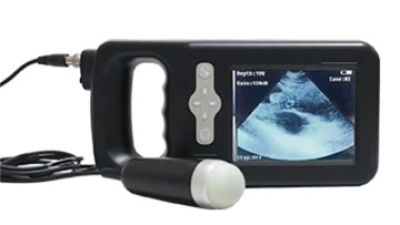
The China 2300 Veterinary Ultrasound Machine is designed for professional livestock examinations, with a 5.0 MHz maglev probe that supports clear and dependable imaging in demanding working environments. Its dedicated function key for back-fat measurement helps users assess animals with greater speed and precision, making it suitable for breeding management, nutrition monitoring, and routine veterinary checks. The probe features anti-freeze and anti-oil leakage construction, providing stable performance during field operations, farm visits, and changing temperatures.

A simplified button layout makes the system easy to operate, allowing both experienced professionals and new users to access essential functions without unnecessary steps. The large-capacity battery delivers extended standby time and supports long working sessions away from fixed power sources. As a factory-direct product made in China, this veterinary ultrasound machine can be supplied with consistent manufacturing support, practical configuration options, and dependable quality control. Its compact design and straightforward operation make it convenient for farms, veterinary clinics, breeding centers, and mobile livestock services requiring efficient back-fat measurement and general ultrasound examination.

FAQS

What should a veterinary ultrasound machine be matched to?

Match it to animal size, examination type, and daily workload. Small clinics may prefer compact systems. Large animals need deeper imaging.

Which probes are useful for common veterinary examinations?

A microconvex probe suits dogs, cats, and small livestock. Linear probes show tendons and superficial tissue more clearly. Probe choice matters.

What features help during pregnancy examinations?

Stable real-time imaging can reduce repeated restraint and animal stress. Adjustable depth and reliable image freezing are also valuable.

Which system type works best for farm visits?

Handheld or laptop-style systems are easier to carry outdoors. Battery life matters during long visits. Bright sunlight can reduce screen visibility.

What should professionals check before purchasing?

Test image quality, probe durability, software updates, training, and technical support. Ask for service response times in writing. Small details matter.

Is a larger cart system always better?

Not always. Cart systems may offer stronger imaging, wider storage, and color Doppler. They can feel heavy and inconvenient outdoors.

How can Doppler performance be evaluated?

Test blood-flow imaging on live patients, including slow flow. Preset quality and operator training can change the result. Demonstrations may look unusually perfect.

How should a clinic compare total value?

Consider price, accessories, battery replacement, cleaning time, and service quality. Record three typical examinations before buying. Memory can be unreliable.

Conclusion

This guide presents a practical overview of China’s top 10 ultrasound machines for veterinary use, explaining what these systems are, how they create diagnostic images, and why they are valuable in animal healthcare. It introduces the main evaluation criteria, including image clarity, probe selection, portability, battery life, workflow design, durability, ease of cleaning, and compatibility with different examination environments. The comparison section highlights the strengths and limitations of ten recommended machine types without focusing on any specific brand.

The article also helps readers match an Ultrasound Machine Veterinary Use solution to different animal species, clinical tasks, and practice sizes. It discusses suitable options for small-animal clinics, farm-animal care, mobile services, and larger veterinary facilities, while also covering purchase planning, supplier communication, training, warranty coverage, software updates, probe care, and routine maintenance. This overview is designed to support informed, efficient, and responsible equipment selection.
Ethan

Ethan

Ethan is a dedicated marketing professional at Sichuan Eacenic Science & Technology Group Co., Ltd., a company established in 2009 that specializes in the design, manufacture, and sales of veterinary medical electronics and integrated circuits. With a deep understanding of the company’s products,......
Previous What Is a Cattle Ovulation Detector and How Does It Work?