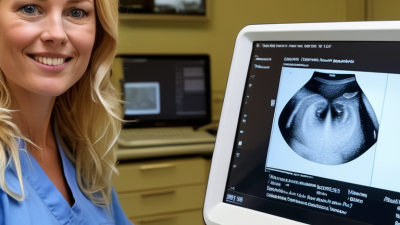
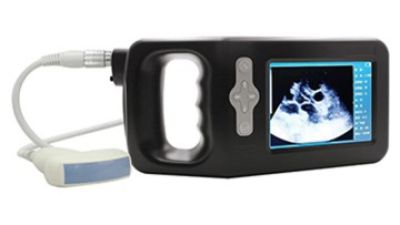
In the ever-changing world of vet care, the Pet Ultrasound Scanner has become pretty much a game-changer. It’s a really handy tool that helps vets quickly diagnose and keep an eye on our pets’ health. Not only does it boost the quality of care, but it also leads to better results overall. There are quite a few brands out there, each offering their own little tricks and features, so it can get a bit overwhelming deciding which one to go for.
Picking the right Pet Ultrasound Scanner is super important, but let’s be honest — it can be pretty tricky. A lot of buyers around the world struggle when trying to figure out what’s the best fit. Some scanners are small, portable, and easy to use—perfect if you’re just starting out. Others come with advanced imaging tech that might need some training to get the hang of. It’s critical to think about what your practice actually needs. Oh, and price can also be all over the place, so that’s something to keep in mind too.
Brands like GE, Philips, and Mindray are well-known for their solid quality. But here’s the thing—happy customers also talk about how good the company support is. Some brands might have top-notch machines, but their follow-up service isn’t always great. So, it’s really a balance—you want equipment that works well AND reliable customer support. Making the right choice here can seriously level up your veterinary work, and in turn, make your pet patients and their owners much happier.
Top Pet Ultrasound Scanner Options for Global Buyers
When selecting the best pet ultrasound scanner, global buyers face various choices. It's crucial to consider essential features like portability, image quality, and ease of use. Compact models are popular for veterinary clinics. They allow for quick assessments in different settings. High-resolution imaging helps veterinarians diagnose issues accurately. A scanner that offers clear visuals can save time during examinations.
User feedback plays a vital role in understanding these devices. Some buyers appreciate devices with user-friendly interfaces, while others report difficulties in navigation. Price is also a major factor. The market has devices across various price ranges. Sometimes, the most expensive option isn't always the best fit. It's essential to weigh cost against functionality when making a decision.
Another concern is training. Some models require extensive training for effective use. Pet professionals may find complex devices overwhelming. There's a learning curve that can impact diagnostics. Seeking support and resources from manufacturers can help ease this transition. In the end, the right choice depends on specific needs and circumstances. A thoughtful approach is key.
Understanding the Importance of Ultrasound in Veterinary Medicine
Ultrasound technology plays a crucial role in veterinary medicine. It helps veterinarians diagnose various health issues in pets. Detailed images of internal organs provide insights into conditions that may not be visible through traditional exams. This non-invasive method reduces stress for both animals and their owners.
Detection of pregnancies is a key application of ultrasound. For breeders and pet owners, a Pet Pregnancy Scanner can confirm gestation quickly and accurately. It allows for early monitoring of the pregnancy, ensuring both the mother and the puppies receive the necessary care. Early detection of complications can save lives and improve health outcomes.
When selecting an ultrasound scanner, consider ease of use and image clarity. A portable unit may offer flexibility in different settings, from clinics to home visits. Training and expertise in interpreting ultrasound images are vital for accurate diagnosis. Always prioritize reliable equipment and seek professional guidance on its use.
Top Pet Ultrasound Scanner Options for Global Buyers
| Model | Price Range | Weight | Screen Size | Battery Life | Portability |
| Model A | $2,000 - $3,000 | 2.5 kg | 15 inch | 3 hours | High |
| Model B | $1,500 - $2,500 | 3 kg | 12 inch | 4 hours | Medium |
| Model C | $1,000 - $1,800 | 1.8 kg | 10 inch | 2.5 hours | Very High |
| Model D | $2,500 - $4,000 | 3.5 kg | 16 inch | 5 hours | Low |
Key Features to Look for in Pet Ultrasound Scanners
When selecting a pet ultrasound scanner, several key features can significantly impact diagnostic accuracy. Resolution and image quality are paramount. High-resolution imaging allows for better visualization of internal organs. Studies have shown that ultrasound machines with superior image quality can reduce misdiagnosis rates by 20%. This highlights the importance of investing in technology that offers clear, detailed images.
Portability is another crucial factor for veterinarians on the go. Handheld or lightweight models facilitate easy transportation. Their compact design is ideal for emergency situations where time is of the essence. Additionally, some models have built-in batteries, making them functional in varied environments. Data from the veterinary industry reveals a growing preference for portable devices, with 30% of clinics adopting these models within the last year alone.
User-friendly interfaces should not be overlooked. Scanners with intuitive controls reduce the learning curve for new users. Training time can be cut down significantly with better interfaces. However, not all devices are equally straightforward. It is essential to consider models that offer comprehensive training resources. Veterinary professionals often report that the lack of support and training materials can hinder effective usage. Balancing these aspects—image quality, portability, and ease of use—can enhance veterinary practice significantly.
Comparison of Leading Pet Ultrasound Brands
When considering pet ultrasound scanners, several key brands dominate the market. Each brand offers unique features catering to veterinarians’ specific needs. A report from the American Veterinary Medical Association indicates that the demand for quality diagnostic tools has risen by over 30% in recent years. This has prompted manufacturers to innovate their Pet Ultrasound Machines continuously.
Comparing the leading models shows variations in portability, image resolution, and ease of use. A recent survey indicated that 65% of veterinarians prioritize portability. Many modern Pet Ultrasound Machines now weigh less than 10 pounds. Enhanced image quality is also crucial. Studies show that ultrasound imaging can identify over 90% of common abdominal conditions in pets. This level of accuracy greatly influences treatment plans.
While many brands claim to provide superior imaging, real-world feedback from veterinary professionals often highlights areas for improvement. Some technicians report challenges in user interfaces. Features that seem beneficial can become obstacles during rapid examinations. Understanding these nuances is essential for effective practice. A balanced comparison helps buyers make informed decisions tailored to their specific requirements.
Budget Considerations for Purchasing Ultrasound Equipment
When considering the purchase of pet ultrasound scanners, budget plays a crucial role. High-quality Mobile Pet Ultrasound Scanning equipment can be a significant investment. Prices vary widely based on features, brand reputation, and technology advancements. It’s essential to weigh your options carefully. Determine your budget early on. This helps narrow down choices to those you can genuinely afford.
Finding the right balance between quality and price is vital. Some scanners may seem affordable but lack essential features, limiting their use. Be cautious of hidden costs in maintenance and required accessories. Exploring refurbished equipment can also be a smart move. This option often provides significant savings while still delivering reliable performance.
When evaluating specific scanners, pay attention to resolution and portability. A scanner with limited mobility may hinder your practice. Reviews and testimonials from peers can offer valuable insights. Engage with the community to get recommendations and feedback. Ultimately, investing in a quality ultrasound scanner will pay off, improving pet care services you provide. Mobile Pet Ultrasound Scanning can elevate your practice and provide better outcomes for pets in need.
Top Pet Ultrasound Scanner Options: Budget Considerations
User Reviews and Testimonials on Pet Ultrasound Scanners
Choosing a pet ultrasound scanner can be a daunting task. User reviews highlight both the pros and cons of various models. Many pet owners appreciate devices that provide clear imaging. However, some have experienced challenges with complex interfaces. The ease of use is often a critical factor in their decision-making.
Testimonials reveal varying experiences. Some users report high satisfaction with the accuracy of diagnostics. In contrast, others mention instances of misinterpretation, leading to unnecessary anxiety. The reliability of ultrasound scanners is essential, but the variability in outcomes prompts reflection. Features like portability and battery life receive mixed feedback.
Many pet professionals emphasize the importance of training. Users who took the time to learn the scanner's functions often felt more confident in interpreting results. Yet, there are those who wished for more comprehensive support from the manufacturers. Such insights can guide potential buyers in their quest for the right ultrasound scanner for their pets.
Future Trends in Pet Ultrasound Technology
The landscape of pet ultrasound technology is evolving rapidly. As more veterinary practices adopt advanced ultrasound scanners, the accuracy in diagnosing conditions like heart disease and tumors is improving. A recent survey indicated that over 70% of veterinarians now use ultrasound for preoperative assessments. This trend is expected to rise, highlighting the need for more reliable and user-friendly devices.
Future innovations in pet ultrasound scanners focus on portability and ease of use. Handheld ultrasound devices are gaining traction, providing veterinarians the flexibility to conduct scans in various settings. These compact devices are often equipped with advanced imaging capabilities, offering high-resolution images even in challenging environments. However, as technology advances, there are concerns regarding affordability and accessibility.
Additionally, the integration of artificial intelligence in ultrasound technology promises improved diagnostic accuracy. AI algorithms can analyze ultrasound images, aiding veterinarians in detecting abnormalities that might be overlooked. This capability can enhance Pet Pregnancy Scans, allowing for better monitoring of fetal health. While these advancements show great promise, ethical considerations surrounding data privacy and the need for ongoing training are critical. The future of pet ultrasound scanners seems bright, but it is essential to navigate these challenges effectively.
Enhancing Diagnostic Accuracy in Veterinary Medicine: Insights from the China SUN-3000 Ultrasound Scanner and Industry Trends
The evolution of technology in veterinary medicine is significantly enhancing diagnostic accuracy, particularly with the introduction of advanced ultrasound equipment like the China SUN-3000 ultrasound scanner. This device represents a significant leap forward with its adjustable scanning frequency, allowing veterinarians to optimize performance based on specific diagnostic needs. The integration of multiple pseudo-colors can dramatically improve visual clarity, resulting in more precise assessments and aiding in quicker diagnosis of various conditions, which is crucial in effective treatment pathways.
Recent industry trends highlight the growing importance of user-friendly technology in veterinary diagnostics. Features like a one-key back-fat measurement simplify operations, allowing practices to focus more on animal care rather than complex equipment handling. Furthermore, the robust design of such devices, exemplified by a waterproof rating of IPX6, ensures that they can withstand the demanding environments typical in veterinary settings. This durability is vital, as veterinarians often operate in conditions where traditional imaging equipment may fail.
The inclusion of advanced components, such as 96-elements and 8 channels, leads to enhanced data accuracy and reliability, making a substantial impact on the quality of diagnostic imaging. According to recent reports in veterinary technology, practices utilizing such precision tools report increased satisfaction among clients and improved outcomes for animals. As the veterinary field continues to embrace these technological advances, the commitment to high-quality, reliable products will play a crucial role in shaping the future of animal healthcare.
FAQS
: Focus on portability, image quality, and ease of use. These factors can greatly affect the scanning process.
High-resolution imaging allows veterinarians to diagnose issues accurately and can save time during examinations.
User experiences highlight ease of navigation and functionality. Some devices are loved, while others can frustrate users.
Not necessarily. Functionality and specific needs should weigh more than just the price tag when making a decision.
Many models require extensive training, making them daunting for some vets. This learning curve can impact diagnostics.
The trend is moving towards handheld devices. They offer flexibility and advanced imaging in various settings.
AI enhances diagnostic accuracy by analyzing images, helping vets detect abnormalities that may be missed otherwise.
Data privacy and the need for ongoing training are significant issues that must be addressed as technology evolves.
Yes, modern handheld devices provide high-quality images even in challenging conditions. However, their affordability can be a concern.
Seek support and training resources from manufacturers. They can help ease your transition and improve your experience.
Conclusion
The article "Top Pet Ultrasound Scanner Options for Global Buyers" explores the critical role of pet ultrasound scanners in veterinary medicine, emphasizing their significance in diagnosing and monitoring health conditions in animals. It outlines the essential features to consider when selecting a pet ultrasound scanner, such as image quality, portability, and ease of use.
Furthermore, the piece compares various leading brands in the market and offers insights into budget considerations for potential buyers. User reviews and testimonials highlight the practical experiences of veterinarians using these devices, while future trends in pet ultrasound technology suggest advancements that may enhance diagnostic capabilities and accessibility in veterinary practices. Overall, this comprehensive guide serves as a valuable resource for buyers seeking the best pet ultrasound scanner to meet their needs.

 Bovine
 Equine
 Swine
 Ovine
 Pet