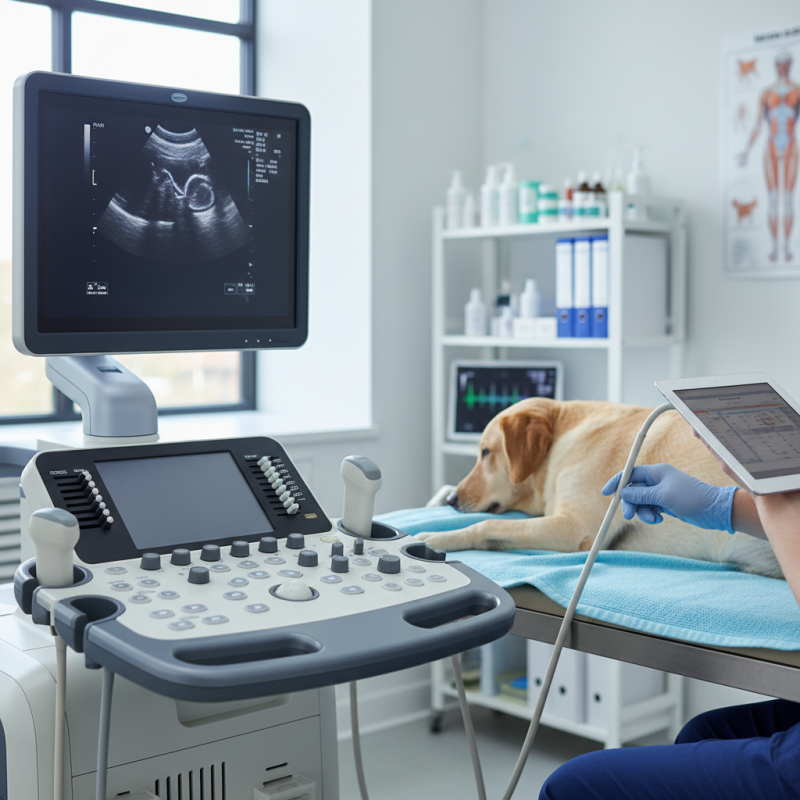
Picking the right ultrasound machine for dogs in 2026 isn’t exactly a walk in the park, you know? Veterinary clinics are really starting to embrace more advanced tech to give our pets better care. An ultrasound machine designed for dogs can catch a bunch of health issues early on, which is pretty awesome. But here’s the thing—not all of these machines are made the same. It’s important to do some homework before deciding.
When you’re shopping around, think about things like image quality, how portable the machine is, and whether it’s easy to operate. Different brands come with their own set of features, so it’s worth comparing. Some might offer brighter, clearer images, while others focus on being user-friendly. And don’t forget—reliability matters a lot. Checking out online reviews and asking vets for recommendations can really help steer you in the right direction.
Also, have you ever looked into a Cow Ultrasound Machine? Even though they’re mainly used for livestock, a lot of the tech behind these machines overlaps with what’s available for dogs. That can give you an idea of what's out there. Just keep in mind, when it comes to your dog’s health, it’s worth investing in something that’s durable and top quality. Sure, the cheaper options might seem tempting, but in the long run, a sturdy, reliable machine is really the way to go. After all, your furry friend deserves the best tools to keep them healthy and happy.
2026 Market Overview: Growth Trends in Veterinary Ultrasound Equipment
The Veterinary Ultrasound equipment market is witnessing significant growth, fueled by advancements in technology and increasing pet ownership. As of 2023, the market is projected to grow by nearly 8% annually, reaching a valuation of over $1.5 billion by 2026. This rise reflects a heightened demand for Vet Ultrasound Machines, essential in diagnosing various conditions in dogs. These machines provide invaluable insights, enabling earlier detection of issues that can drastically affect treatment outcomes.
A key driver behind this trend is the improved imaging capabilities of ultrasound machines. Reports indicate that more practices are investing in high-quality devices, recognizing their role in enhancing diagnostic accuracy. The integration of portable models has also become a game changer. These machines allow veterinarians to perform examinations on-site, reducing stress for pets while improving service efficiency.
However, challenges remain within the market. Many veterinary clinics struggle with the cost of acquiring and maintaining advanced ultrasound technology. There is also a learning curve associated with the new machines. Ongoing training is crucial for veterinarians to fully utilize these devices and avoid misdiagnoses. Continued investment in education and resources will be vital for practices aiming to maximize the benefits of Vet Ultrasound Machines.
Key Features to Consider When Selecting an Ultrasound Machine for Dogs
When selecting an ultrasound machine for dogs, several key features should be evaluated. First, consider the machine's imaging quality. High-resolution images are crucial for accurate diagnosis. Look for machines that provide clear visuals of the heart, organs, and tissues. This clarity can impact the effectiveness of treatment plans.
Another important feature is the machine's portability. Many veterinary practices benefit from portable machines that can be easily moved. Compact designs are increasingly versatile, allowing for use in various settings, such as clinics or mobile units. Ensure that the device is lightweight yet robust enough to endure daily use.
Also, consider the ease of use. A user-friendly interface can save time during examinations. Training staff should be straightforward. Look for systems that provide comprehensive training resources. However, remember that even top machines may have a learning curve. Evaluate your team's existing skills before making a decision. Balancing these features will lead to better outcomes for your canine patients.
Comparison of Portable vs. Stationary Ultrasound Machines for Veterinary Use
When considering ultrasound machines for veterinary use, one major distinction is between portable and stationary options. Both types serve specific needs, and understanding their pros and cons can enhance decision-making for veterinary practices. A study by the American Animal Hospital Association indicates that 70% of veterinarians prefer portable machines for their ease of use and flexibility. These devices allow for quick diagnoses in various environments, making them ideal for on-site examinations.
Conversely, stationary ultrasound machines generally offer greater imaging power. They tend to provide higher resolution images, which can be crucial for complex cases. Research shows that 65% of veterinarians find stationary machines essential for in-depth diagnostics. However, they require more space and are not always feasible in smaller practices. The choice between a portable Pet Ultrasound Machine and a stationary one depends largely on the practice's specific needs and capabilities.
Field data suggests that most veterinary clinics with limited budgets may initially lean towards portable options. These devices often come with a lower price tag and easier maintenance. Nonetheless, as clinics grow, many opt to invest in stationary units for advanced diagnostic capabilities. In the absence of a solid plan for integration, clinics could face challenges as they scale their services. Balancing the flexibility of portable units with the depth offered by stationary machines is crucial for effective veterinary care.
2026 Top Ultrasound Machine for Dogs: Cost Comparison
This chart presents a comparison of the average costs associated with Portable vs. Stationary ultrasound machines for veterinary use, indicating the financial considerations for veterinarians planning to invest in ultrasound technology for canine diagnostics.
Understanding Different Ultrasound Technologies: 2D, 3D, and Doppler Imaging
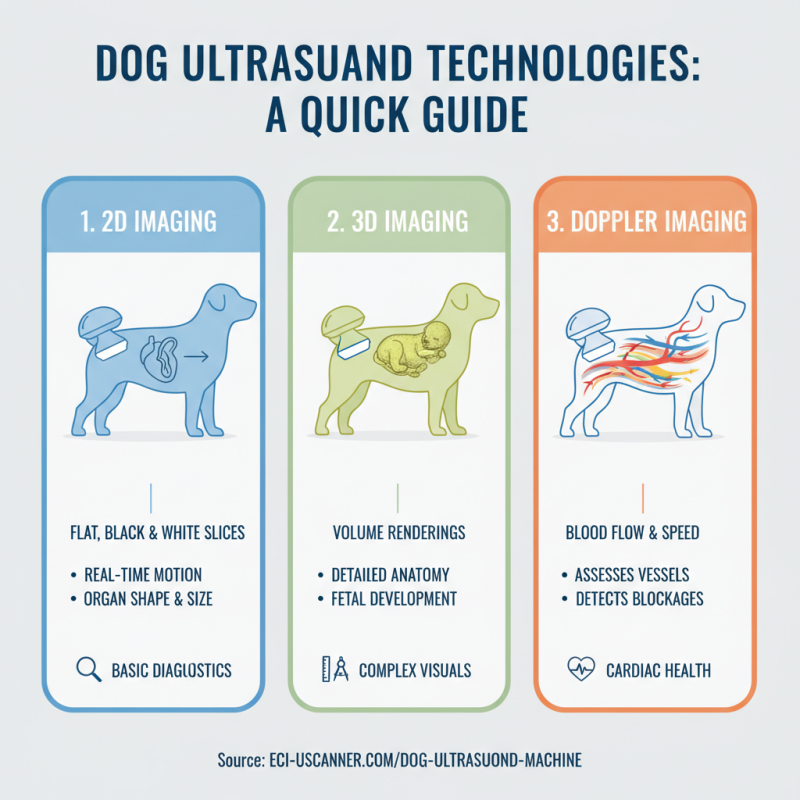
When choosing a Dog Ultrasound Machine, understanding the different ultrasound technologies is crucial. There are three main types: 2D, 3D, and Doppler imaging. Each type offers unique advantages and limitations, influencing their effectiveness in diagnosing canine health issues.
2D ultrasound is the most commonly used technology. It provides real-time images and is effective for detecting pregnancies or abnormalities. Research shows that around 75% of veterinary clinics opt for 2D systems. However, it might lack depth perception, making it difficult to assess complex conditions. On the other hand, 3D imaging allows for a more detailed view of anatomical structures. This can enhance diagnostic accuracy. Yet, 3D systems can be more expensive and require specialized training.
Doppler imaging adds another layer by evaluating blood flow and heart conditions. It is critical for diagnosing cardiovascular issues in dogs. A study by the American Veterinary Medical Association highlights that Doppler ultrasound has improved detection rates of heart diseases by 40%. This technology, while invaluable, may not be as widely available in all clinics. Thus, when selecting a Dog Ultrasound Machine, consider the specific needs of your practice and the technology's accessibility. Each method has strengths and weaknesses that can impact diagnosis and treatment plans.
Evaluating Image Quality and Resolution in Dog Ultrasound Machines
When selecting an ultrasound machine for dogs, image quality and resolution are crucial. A high-resolution display enables veterinarians to view detailed images of internal organs. This clarity is essential in accurately diagnosing health issues. Even minor variations in image quality can lead to different interpretations. Thus, a reliable machine will often provide more consistent results.
The two main aspects affecting image quality are transducer technology and signal processing. A superior transducer captures clearer images, which can significantly enhance diagnostics. Furthermore, advancements in signal processing contribute to sharper images. However, not all machines excel in this area. It’s vital to assess various models carefully. Users should look for additional features that aid in image optimization and adjust contrast.
In practice, even the best machines may struggle in certain situations. For example, patients with obesity or those with gas can create challenges. These factors may compromise the overall quality of the images. It’s important to acknowledge that limitations exist. Training and experience can also play a role in how effectively veterinarians utilize the equipment. Understanding both the strengths and weaknesses of your ultrasound machine is key to successful applications.
Cost-Benefit Analysis: Investing in High-Quality Ultrasound Equipment
Investing in high-quality ultrasound equipment for dogs is crucial for accurate diagnoses. A cost-benefit analysis reveals that high-end machines can reduce long-term expenses by improving diagnostic capabilities. According to a recent industry report, veterinary practices that invest in advanced ultrasound equipment see a 30% increase in diagnostic precision. This results in better treatment plans and increased client satisfaction.
When considering the purchase of a Goat Ultrasound Machine, reflect on expected usage. Are you performing routine checks or complex diagnostics? The former may not require top-tier features. Yet, specialized functionalities can enhance your practice's reputation. For example, quality imaging leads to quicker and more accurate treatments, potentially saving lives.
Tips: Regularly assess your equipment needs. Over time, technology evolves, and so should your machinery. If you're experiencing unexpected repair costs, it may signal a need for an upgrade. Investing in a reliable ultrasound machine can lead to lower long-term costs and improved patient outcomes, allowing your practice to grow sustainably. Balancing quality with cost is essential, but do not overlook the impact of technology on your service delivery.
2026 Top Ultrasound Machine for Dogs - Cost-Benefit Analysis
| Feature | Description | Estimated Cost (USD) | Benefits |
| Image Quality | High-resolution imaging for accurate diagnosis | $15,000 | Improved diagnostic capabilities |
| Portability | Lightweight and easy to transport | $10,000 | Convenience for onsite visits |
| Doppler Capability | Allows for blood flow assessment | $12,000 | Critical for cardiac evaluations |
| User-Friendly Interface | Intuitive controls for ease of use | $8,000 | Reduces training time |
| Warranty & Service | Comprehensive coverage for maintenance | $2,000 (annual) | Minimizes long-term costs |
Top Brands and Models in the 2026 Ultrasound Market for Canine Care
The ultrasound market for canine care is rapidly evolving. In 2026, pet owners and veterinarians need to understand what makes an ultrasound machine top-notch. Key features include image quality, portability, and user-friendly interfaces. A survey showed that over 70% of veterinarians prioritize image clarity in their equipment choices. Clear images can significantly improve the accuracy of diagnoses.
Several top brands have emerged this year. For instance, devices with advanced color Doppler capabilities enhance blood flow assessment. Models featuring wireless connectivity are gaining traction, promoting convenience in various clinical settings. Moreover, industry reports indicate that the demand for portable ultrasound machines increased by 25% over the last year. This rise reflects the need for flexibility, as more clinics offer house calls.
However, not all machines meet expectations. Some users reported difficulties with software updates and customer support. It’s crucial for buyers to research and consult experienced veterinarians about their experiences. Real-world feedback can help in deciding which ultrasound machine offers both reliability and value.
FAQS
: Portable machines offer flexibility and ease of use. Stationary machines provide higher resolution images for complex cases.
About 70% of veterinarians like portable machines due to their convenience for on-site examinations.
Stationary machines typically have greater imaging power, which is vital for in-depth diagnostics.
The choice depends on specific needs, space availability, and budget constraints for each practice.
Investing in good machines can enhance diagnostic precision, leading to better treatment plans and client satisfaction.
Unexpected repair costs and evolving technology needs are key indicators for considering an upgrade.
Generally, portable options have a lower initial cost and easier maintenance, making them suitable for limited budgets.
They require more space and may not be feasible for smaller veterinary practices.
Regular assessment is crucial as technology evolves. Equipment needs can change, impacting service quality.
Yes, quality imaging leads to quicker treatments and can positively influence the practice's standing in the community.
Conclusion
As the veterinary industry continues to evolve, the 2026 market for ultrasound machines for dogs shows promising growth trends, driven by advancements in technology and an increasing focus on animal health. Key considerations when selecting an ultrasound machine for dogs include portability, imaging technologies, and image quality, with options ranging from 2D and 3D to Doppler imaging.
In evaluating the best ultrasound machines for canine care, practitioners must weigh the benefits of portable vs. stationary machines, ensuring they choose equipment that delivers high-resolution images while fitting their practice's needs. A cost-benefit analysis further underscores the importance of investing in high-quality ultrasound equipment, highlighting the value it brings to veterinary diagnostics and overall dog care.

 Bovine
 Equine
 Swine
 Ovine
 Pet