You know, in the fast-paced world of veterinary medicine these days, Vet Laser Treatment Equipment has really become a game-changer for helping animals heal. I was talking to Dr. Jane Smith from Pet Health Innovations—she's kind of a big deal in vet laser therapy—and she told me, "Laser therapy is totally changing the way we handle pain and recovery in our animal patients." Honestly, that really sums up how tech is making veterinary care better and more effective these days.
These laser devices do more than just ease pain—they actually help animals heal faster. They're pretty versatile too, working well for all sorts of issues like soft tissue injuries or arthritis. But, I gotta say, not every laser system out there works equally well. Some vets have mixed feelings or different experiences, which just goes to show you, you gotta choose your equipment carefully and really look into what each one offers.
As we dig into the top 10 Vet Laser Treatment options, it’s super important to understand their specs, how effective they are, and what other vets who’ve used them are saying. That kind of info helps us make smarter decisions—so we can give our animal friends the best care possible and keep those healing vibes going strong.
Understanding Vet Laser Treatment: An Overview
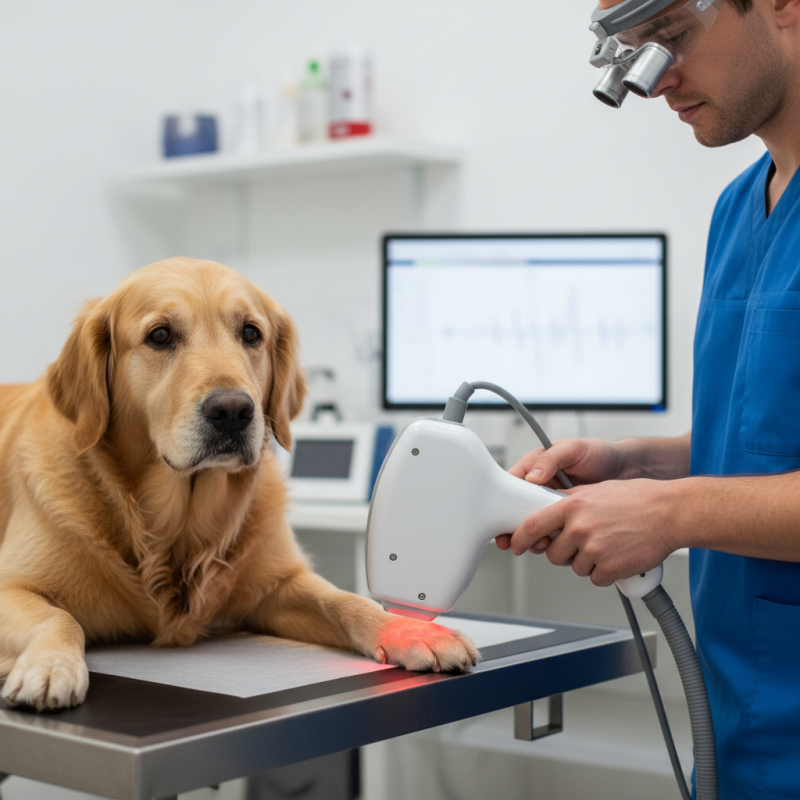
Veterinary laser treatment is an innovative method that promotes healing in pets. It utilizes specific wavelengths of light to stimulate cellular processes. This can reduce pain, swelling, and inflammation. The effectiveness often depends on the type of injury or condition being treated.
Many clinics report positive outcomes using this technology. Heat can soothe damaged tissue, promoting faster recovery. However, results may vary among individual animals. Some may respond quickly, while others take longer to show improvement. There is also ongoing research about the long-term benefits of laser therapy.
While many veterinarians embrace this treatment, it’s not universally accepted. Some question its efficacy and recommend other therapies instead. It's essential to have discussions about the best approaches for your pet’s condition. Seeking advice from qualified professionals can help navigate these choices wisely.
Benefits of Laser Treatment in Veterinary Medicine
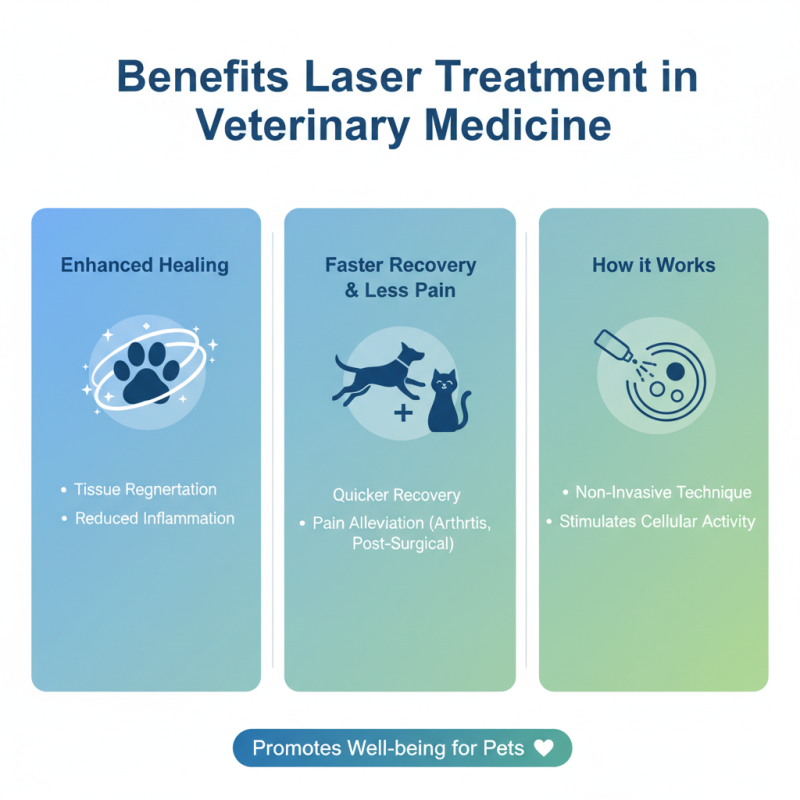
Laser treatment in veterinary medicine offers numerous benefits that enhance healing for pets. This non-invasive technique promotes tissue regeneration and reduces inflammation. Many animals experience quicker recovery times and less pain compared to traditional methods. By using focused light energy, laser therapy stimulates cellular activity. This process helps in healing wounds and alleviating discomfort from arthritis or post-surgical pain.
Veterinarians appreciate how laser therapy can improve mobility in pets. This treatment can target specific areas, making it effective for musculoskeletal issues. Animals often show visible signs of relief, enhancing their overall quality of life. However, it’s essential to have a knowledgeable veterinarian perform the procedure. Experience with laser equipment is crucial for ensuring safety and efficacy.
Despite its advantages, laser treatment is not a one-size-fits-all solution. Some pets may require additional therapies or medications. It’s also vital that owners understand the session length and frequency needed for optimal results. Regular follow-ups are necessary to monitor progress. Veterinary professionals must communicate openly with pet owners about these factors. The integration of laser therapy in veterinary practices can be a game changer, but careful consideration and expertise remain paramount.
Key Features to Consider in Vet Laser Equipment
Choosing the right vet laser treatment equipment is crucial for effective healing. Several key features determine the efficacy, usability, and safety of these devices. First, the wavelength of the laser matters greatly. Different wavelengths penetrate tissues at varying depths. This affects treatment outcomes for different conditions. Ensure the equipment offers multiple wavelengths for versatility in treating various issues.
Comfort and safety are also paramount. A compact, lightweight device is easier to handle during procedures. Look for features that enhance patient comfort, such as adjustable settings. Effective cooling mechanisms can prevent skin burns and enhance patient safety. Moreover, user-friendly interfaces make it easier for veterinary staff to operate the equipment effectively.
Another point to consider is the reliability of the device. Equipment backed by solid customer support can minimize downtime and maintenance issues. Regular training refreshers for staff are necessary to maximize the equipment’s potential. In contrast, neglecting these aspects may lead to decreased effectiveness and subpar patient outcomes. Investing time in research can clarify these needs. Ultimately, the best equipment balances advanced technology with ease of use.
Top 10 Vet Laser Treatment Devices: A Comparative Review
When exploring vet laser treatment devices, it is crucial to consider their effectiveness and safety. A comparative review of top options reveals key features that can impact animal healing. Most devices offer painless, non-invasive treatment, which is appealing to both vets and pet owners. Think about how the laser wavelength affects tissue penetration. Some lasers are better at treating specific conditions than others.
Here are a few tips for choosing the right device. First, assess the power output. Higher output often means quicker treatment times. Also, look for devices with adjustable settings. Flexibility can enhance treatment for various conditions. Consider the size and portability of the unit as well. A lightweight device is easier to maneuver during procedures.
User feedback plays a vital role in evaluating these devices. Reviews often highlight the learning curve associated with certain models. Some devices may require extensive training, while others are more intuitive. Take note of the warranty and customer support as well. These factors can affect long-term user satisfaction. Be vigilant about ongoing training and updates in technology.
Case Studies: Successful Healing with Laser Therapy
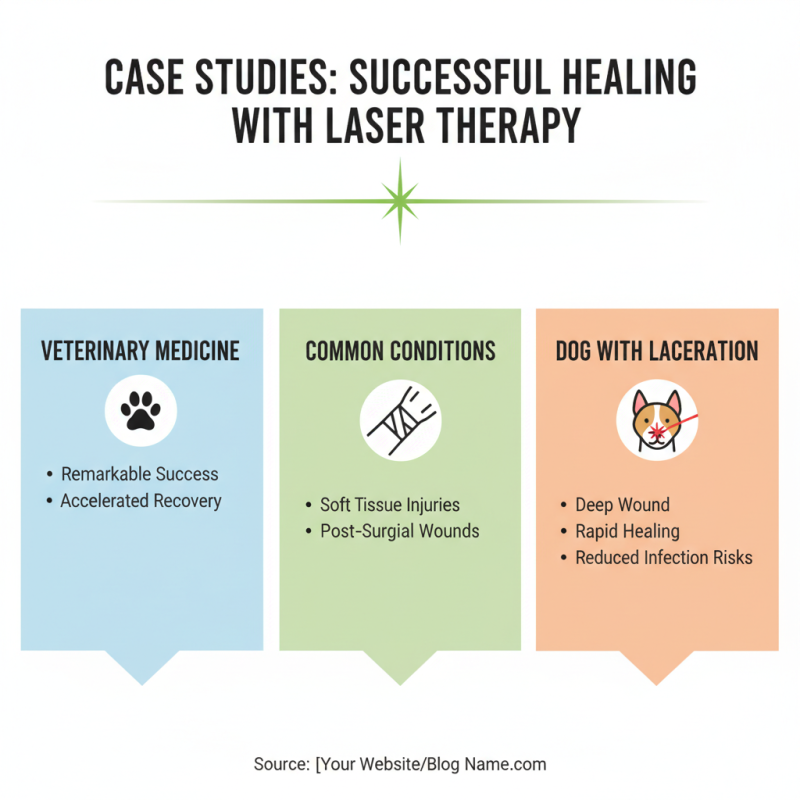
Laser therapy has shown remarkable success in veterinary medicine. Numerous case studies highlight its effectiveness in healing various conditions. For instance, many animals experience accelerated recovery from soft tissue injuries and post-surgical wounds. One case involved a dog with a deep laceration. After using laser treatment, the healing progressed rapidly, reducing infection risks.
Another notable example is a cat suffering from arthritis. Conventional treatments provided little relief. However, laser therapy significantly reduced pain and improved mobility. After a series of sessions, the cat returned to its playful self. These cases illustrate the potential of laser therapy in enhancing animal well-being.
While outcomes are generally positive, not every case leads to expected results. Some factors could influence efficacy, such as the method of application and the animal's overall health. These variations remind us to approach each treatment with careful consideration. Continuous research and open discussions will improve our understanding of laser therapy's full potential in veterinary care.
Maintenance and Care for Vet Laser Equipment
Maintaining vet laser treatment equipment is crucial for ensuring its effectiveness and longevity. Regular cleaning is essential. Dirt and debris can affect performance. After each use, wipe down the equipment with a soft, damp cloth. Use only recommended cleaning solutions to avoid damage. Keeping the laser head free from residue is vital. It helps ensure the accuracy of treatments.
Calibration should be checked frequently. Misalignment can lead to suboptimal results. Follow manufacturer guidelines for calibration schedules. Some practices may forget this step, leading to client dissatisfaction. Keeping a log of maintenance activities can help track when tasks were last completed. This practice encourages accountability among staff.
Always monitor the equipment for signs of wear and tear. Inspect cables and connectors regularly. A frayed cable can lead to malfunction and safety issues. It's essential to train all staff on proper handling techniques. Training can prevent mishaps and extend the lifespan of the equipment. Frequent communication among team members about equipment status fosters a culture of care and responsibility.
Top 10 Vet Laser Treatment Equipment for Effective Healing
This chart displays the effectiveness of the top 10 veterinary laser treatment equipment based on their healing effectiveness ratings. The ratings are based on a scale of 1 to 10, where 10 indicates the highest effectiveness.
Future Trends in Veterinary Laser Treatment Technology
Veterinary laser treatment technology is evolving rapidly. A recent report from the American Animal Hospital Association indicates that over 60% of veterinary clinics now offer laser therapy. This significant growth reflects a rising awareness of its effectiveness in various treatments. Laser therapy effectively reduces pain and accelerates healing. It is now preferred for post-surgical recovery and chronic conditions.
Future trends highlight advancements in laser equipment. Emerging technologies focus on portability and user-friendly designs. Recent studies suggest that these improvements enhance treatment accessibility. As a result, more veterinary professionals can incorporate lasers into their practices. The data show a 40% increase in clinics adopting portable units. This flexibility allows for on-site treatments, benefiting animals in distress.
Despite the promising advancements, there are challenges. Not all veterinary professionals receive adequate training in laser therapy. This gap can lead to inconsistent treatment outcomes. Continuous education is essential for veterinarians to ensure effective use of the technology. Investing in training can be crucial for maximizing the benefits of these treatments. As the field advances, addressing these training needs will help establish better standards and practices.
Enhancing Veterinary Care: The Impact of ECI-L430/230 2 and 4 Wavelength Laser Technology on Animal Health Outcomes
The application of advanced laser technology in veterinary care is revolutionizing the way we treat our animal companions. The ECI-L430/230 laser system, with its versatile 2 and 4 wavelength options, provides veterinarians with tailored solutions to enhance health outcomes for a variety of conditions. By delivering targeted therapy through multiple wavelengths, this system can effectively address soft tissue injuries, pain management, and inflammatory disorders, significantly improving recovery times and overall well-being in animals.
A key feature of this innovative laser technology is its user-friendly design, highlighted by a 10.5-inch anti-glare touch screen that simplifies the treatment process. The system is equipped with various therapeutic connectors, making it adaptable for different animal sizes and treatment needs. Additionally, the inclusion of multiple safety protection switches ensures that both animals and practitioners remain safe during procedures. Built-in presets for a range of treatment protocols allow for efficient and consistent application, making it easier for veterinary professionals to provide high-quality care with confidence.
By incorporating the ECI-L430/230 laser system into their practice, veterinary clinics can enhance their service offerings, leading to improved health outcomes for their patients. This state-of-the-art technology not only streamlines the treatment process but also enhances the overall experience for both the veterinarian and the animal, reinforcing the importance of innovative solutions in veterinary medicine.
FAQS
: Laser treatment promotes healing, reduces inflammation, and lessens pain. Pets often recover faster than traditional methods.
It targets specific areas, improving movement in pets with musculoskeletal problems. Many show visible signs of relief.
No, it’s not a one-size-fits-all solution. Some may need extra therapies or medications alongside laser treatment.
Owners need to understand how often treatments are required for the best results. Regular follow-ups are essential.
Choose an experienced veterinarian. Knowledge and expertise are vital for proper procedures and best outcomes.
Look at power output, portability, and adjustable settings. User feedback can also provide helpful insights.
Proper care ensures effectiveness and longevity. Regular cleaning and calibration help avoid issues and maintain performance.
Calibration schedules should follow manufacturer guidelines. Regular checks prevent misalignment and unsatisfactory results.
Wipe equipment after each use and keep the laser head clean. This helps maintain accuracy for treatments.
Frequent discussions about equipment status encourage responsibility. Keeping logs of maintenance activities can help track care.
Conclusion
Vet Laser Treatment Equipment has become an essential tool in veterinary medicine, offering significant benefits for healing a variety of conditions. This article provides an in-depth overview of vet laser treatment, highlighting the advantages such as quicker recovery times and reduced pain for animals. It emphasizes the importance of selecting the right equipment by considering key features like wavelength, power output, and portability.
A comparative review of the top 10 vet laser treatment devices reveals the diversity available in the market, catering to different veterinary practices. Additionally, the article shares case studies demonstrating successful healing outcomes through laser therapy, further showcasing its efficacy. Maintenance and care tips for these devices are discussed to ensure their longevity and optimal performance. Finally, future trends in veterinary laser treatment technology are examined, indicating a promising evolution in the field that could enhance animal care further.

 Bovine
 Equine
 Swine
 Ovine
 Pet