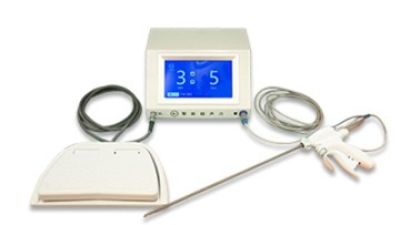
Picking a reliable top supplier in China for a Vet Ultrasonic Scalpel isn’t just about comparing prices, you know? Veterinary clinics really need equipment that’s dependable—something that cuts well, controls bleeding smoothly, and lets them work calmly and efficiently.
A good manufacturer should be willing to explain key details like blade frequency, how the generator performs, how comfortable the handpiece is, and whether it’s compatible with different tissues. The paperwork matters, too. But so does hands-on experience—don't just take their word for it. Ask to see test records, quality certificates, and get info on user training and how responsive their tech support is before you make any moves.
And don’t forget to check how they handle sterilization and what kind of maintenance support they offer. Little things can tell you a lot—look at the grip of the handpiece, how flexible the cable is, how the foot switch responds, and whether the display is easy to read under operating room lights. If possible, request some demo videos or even a live demo. Feedback from actual vets can reveal issues the brochures gloss over.
Some suppliers might throw around shiny specs but hide their long-term durability—be cautious with those. Experience makes all the difference, plain and simple.
A competent export team should understand packaging requirements, spare parts availability, warranty details, and what’s needed for different markets. But remember, don’t just trust a supplier because they claim to be a “top” or “professional” company. Do your homework—check factory audits, traceability of batches, how they handle complaints, and their communication history. Throw some tough questions their way and see if their answers hold up.
This guide is here to highlight what really separates a dependable Vet Ultrasonic Scalpel supplier from just a low-cost vendor. It also goes into customization options, how easy they are to use clinically, the after-sales support, and the risks involved in buying. Of course, no evaluation can be perfect since performance can differ between models or batches, but keeping that in mind is key. The best decision blends solid technical info, honest feedback, and realistic expectations.

A Veterinary Ultrasonic Scalpel is a powered surgical instrument using high-frequency mechanical vibration. Its blade usually oscillates around 55.5 kHz. This motion cuts tissue and supports vessel sealing through frictional heat. It does not use a traditional electrical cutting current through the patient. Thermal spread may be lower than some electrosurgical methods, but it is never zero.
The 2023–2024 APPA National Pet Owners Survey estimates that 66% of U.S. households own a pet. This figure indicates a substantial population needing safe surgical care. It does not prove that ultrasonic devices are better. Clinical suitability depends on tissue type, vessel size, settings, and operator training. Veterinary surgical guidance also emphasizes monitoring, hemostasis, and instrument maintenance. In practice, the handpiece should feel balanced, the blade should remain clean, and tissue should not appear charred. Small details matter.
Tips: Ask for measured cutting temperature, sealing-vessel limits, sterilization instructions, and service records. Request veterinary training data, not only laboratory claims. A 2024 market analysis from Grand View Research identifies minimally invasive procedures as a growth factor in veterinary instruments. However, market growth is not clinical evidence. I would still compare published studies, warranty terms, and local technical support before choosing a supplier. Mistakes happen when speed replaces judgment.
An ultrasonic scalpel cuts tissue through high-frequency mechanical vibration. Its blade oscillates rapidly, often at tens of thousands of cycles per second. This motion separates tissue while denaturing proteins and sealing small blood vessels. Compared with traditional electrosurgery, it produces limited electrical spread and may create less surgical smoke. The result can be a clearer field during delicate procedures.
Veterinarians may use ultrasonic devices in soft-tissue surgery, including vessel dissection and organ procedures. Performance depends on tissue thickness, blade pressure, activation time, and hand control. Excessive pressure can increase heat and damage nearby tissue. A reliable supplier should provide clear specifications, quality testing, sterilization guidance, and operator training. Those details matter more than attractive claims.
Tips: Keep the blade moving gently. Avoid prolonged activation in one spot. Confirm the instrument’s compatibility with the generator and accessories. Monitor tissue response continuously. Even experienced teams can misjudge heat during a busy operation. That small error deserves review. Device selection should also consider animal size, procedure type, maintenance support, and staff familiarity. A short practice session on suitable tissue models may reveal handling problems before clinical use.
A reliable Chinese veterinary supplier should prove more than a low purchase price. It should provide a validated Ultrasonic Scalpel System, clear specifications, and traceable production records. MarketsandMarkets estimated the global electrosurgical devices market at about USD 7.2 billion in 2023, with continued growth through 2028. This expansion increases supplier choices, but also increases quality risks.
Look for ISO 13485-based quality procedures, documented material controls, and repeatable blade performance. Ask for cutting time, activation temperature, tissue effect, and sterilization data. A practical supplier should offer sample testing with your veterinary team, not only factory videos. Check calibration records for ultrasonic generators and inspect packaging after simulated transport. Service matters too. Confirm training, spare-part availability, response times, and warranty terms in writing. No supplier is perfect. Even an impressive audit can miss inconsistent assembly between batches. I would request batch samples before signing a large order.
Tips: Compare at least three suppliers. Record every test result. Request English manuals and certificates. Confirm whether reported data comes from internal testing or independent laboratories. According to the International Organization for Standardization, ISO 13485 focuses on consistent medical-device quality management, but certification alone does not prove clinical suitability. In my view, that distinction is easy to overlook. A dependable partner welcomes technical questions, admits limitations, and improves after receiving field feedback.
Veterinary ultrasonic scalpels usually include handheld systems, laparoscopic instruments, curved blades, and vessel-sealing tips. An Ultrasonic Surgical Scalpel converts electrical energy into controlled mechanical vibration. It cuts tissue and supports hemostasis with limited thermal spread.
In practice, curved tips help during ovariohysterectomy and abdominal surgery. Fine tips suit small-animal soft-tissue procedures. Larger blades may support splenectomy or liver surgery. However, one device rarely fits every patient.
The American Pet Products Association reported that 66% of U.S. households owned a pet in its 2023–2024 National Pet Owners Survey. This growing care demand increases interest in efficient surgical equipment.
Veterinary teams should compare output levels, blade geometry, sterilization methods, and handpiece weight. Laparoscopic models require compatible ports and careful training. Reusable instruments can reduce waste, but they need strict inspection after each sterilization cycle.
Disposable tips improve convenience, yet their total operating cost may be higher. A supplier should provide test data, user training, maintenance guidance, and clear warranty terms. Product brochures alone are not enough.
Tips: Match the tip to tissue thickness and animal size. Ask for acoustic output data. Confirm compatibility with existing generators. Observe tissue handling during a supervised procedure. I would also review postoperative records, because shorter cutting time does not always mean better recovery. The evidence may be promising, but local clinical experience still matters.
When evaluating a top veterinary ultrasonic scalpel supplier in China, certificates are only the starting point. The supplier should provide ISO 13485 certification, ISO 14971 risk-management records, and electrical safety testing under IEC 60601 requirements. For ultrasonic surgical equipment, ask for documented acoustic output, vibration frequency, temperature rise, leakage current, and electromagnetic compatibility results.
Safety must appear in daily production, not only in brochures. WHO’s Global Patient Safety Report 2024 estimates that one in ten patients is harmed during healthcare, while more than half of this harm is preventable. Veterinary procedures also need disciplined controls. A reliable supplier should inspect every transducer, record calibration results, and maintain lot-level traceability. Sterile or patient-contacting components should include biocompatibility evidence aligned with ISO 10993, where applicable.
Request sample inspection records, maintenance instructions, and failure investigation reports. Check whether alarms respond correctly when the handpiece overheats or the generator detects abnormal loading. Small details matter, such as cable insulation, sealed connectors, and clear foot-switch labeling. A certificate does not prove that every shipment is consistent. That is where buyers can be overly trusting.
Independent laboratory reports are stronger when they identify test methods, equipment, dates, and acceptance limits. Supplier audits should include incoming-material checks and final functional testing. I would also compare real operating data from veterinary clinics, although those records are sometimes incomplete. That imperfection deserves attention, not dismissal.
Selecting a reliable Chinese veterinary ultrasonic scalpel supplier requires more than comparing prices. Start with manufacturing experience, quality controls, and documented product specifications. Ask how the Harmonic Ultrasonic Scalpel manages vibration, heat, and tissue sealing during procedures. Clear answers matter.
Request sample units and inspect the handle, blade finish, cable connection, and packaging. A practical trial should include cutting consistency, activation response, cleaning steps, and compatibility with your existing generator. Ask for batch traceability, inspection records, material details, and user instructions. Confirm relevant quality certifications and export documentation independently. Do not rely on a certificate image alone.
Supplier communication also reveals operational strength. Can the technical team explain maintenance without vague promises? Are spare parts available, and are response times written into the agreement? Discuss training, warranty limits, complaint handling, and product changes before placing an order. A factory audit or video inspection may expose gaps that brochures hide. No checklist is perfect. I would still record small concerns, such as delayed replies or inconsistent sample performance, rather than ignore them. Low pricing can be attractive, but unstable output may increase surgical risk and replacement costs. Choose evidence over impressive claims.
China Top Vet Ultrasonic Scalpel Supplier?
Choosing a Chinese veterinary ultrasonic scalpel supplier requires more than comparing prices. Ask for product specifications, operating frequency, power settings, and compatible accessories. A reliable supplier should explain tissue-handling limits in clear technical language. Request sample units when possible. Test grip comfort, vibration, sealing performance, and cleaning procedures before placing a large order.
Ordering becomes safer when documents are organized. Confirm minimum order quantities, production lead times, packaging details, and inspection steps in writing. For customized handles or control panels, provide drawings, material preferences, and intended animal applications. The supplier should return a reviewed specification sheet before production. Small details matter. Connector changes can affect equipment compatibility. Customization is useful, but excessive changes may increase training and maintenance costs.
After-sales support often reveals the supplier’s real professionalism. Ask how quickly technical staff respond, which spare parts remain available, and whether remote troubleshooting is included. Clear warranty terms should cover defective components and define customer responsibilities. Practical training videos and service manuals can reduce operating mistakes. Keep serial numbers, inspection records, and communication files for future reference. No supplier handles every case perfectly. A delayed reply or unclear manual may expose weaknesses early, so treat those moments as evidence. The best partnership is not always the cheapest one; it is the one that supports safe, consistent use after delivery.
This procurement checklist highlights five essential evaluation areas for veterinary ultrasonic scalpel sourcing. Each category represents a required checkpoint covering product requirements, regulatory documentation, customization validation, pre-shipment inspection, and after-sales support terms.
The veterinary surgical instruments market is increasingly focused on precision, efficiency, and improved animal welfare. Ultrasonic scalpels designed for advanced animal care support controlled tissue separation and vessel sealing while helping minimize unnecessary trauma, smoke, and heat spread. Their ergonomic construction and refined operating performance can assist veterinary professionals during soft-tissue procedures, including general surgery and delicate interventions. By improving visibility and control, this type of instrument may contribute to smoother workflows and more consistent surgical handling across clinics and specialist facilities.
Our premium ultrasonic surgical instruments are sourced directly from reliable suppliers in China and produced in a modern, well-equipped factory. Each unit is developed with practical veterinary requirements in mind, using durable materials, intuitive controls, and carefully selected components. Rigorous quality inspections and performance testing are conducted throughout production to help ensure dependable operation and alignment with applicable international standards. With flexible supply support and a commitment to customer satisfaction, these instruments offer distributors, veterinary hospitals, and animal-care providers a dependable solution for expanding their surgical equipment portfolio.
Its blade vibrates rapidly at tens of thousands of cycles per second. The motion separates tissue and denatures proteins. It may also seal small blood vessels. Heat still matters.
Veterinarians may use it during soft-tissue surgery, vessel dissection, and organ procedures. Suitability depends on the animal, tissue thickness, and operation. A device suitable for one procedure may not suit another.
It may produce less smoke than traditional electrical cutting methods. A clearer field can help during delicate procedures. This result depends on tissue type, activation time, and handling.
Keep the blade moving gently during activation. Avoid holding it in one location for too long. Use light pressure and monitor nearby tissue continuously. Busy teams can still misjudge heat.
Request detailed specifications, quality records, sterilization guidance, and operator instructions. Ask for material details and batch traceability. Training and maintenance support are also important. Attractive claims are not enough.
Inspect the handle, blade finish, cable connection, and packaging. Test cutting consistency and activation response on suitable tissue models. Review cleaning steps and generator compatibility. A short trial may reveal handling problems.
Ask about manufacturing experience, inspections, spare parts, warranties, and complaint handling. Request written response times for technical support. A factory audit or video inspection may reveal hidden gaps. Small delays matter.
Low pricing may hide unstable output or weak support. Replacement costs can rise when performance changes between batches. Compare evidence, sample results, and service terms instead. I would still record every concern.
Choosing the right Vet Ultrasonic Scalpel supplier in China requires more than comparing prices. A veterinary ultrasonic scalpel uses high-frequency mechanical vibration to cut soft tissue while sealing small blood vessels, helping reduce bleeding, thermal damage, and surgical time. Reliable suppliers should offer systems designed for different veterinary procedures, including general surgery, soft-tissue operations, and minimally invasive applications, with compatible handpieces, blades, and accessories.
A qualified Chinese supplier should demonstrate consistent manufacturing quality, clear safety controls, and compliance with applicable medical-device standards and certifications. Buyers should evaluate cutting and coagulation performance, ergonomic design, product durability, documentation, and clinical usability. It is also important to confirm customization options, minimum order requirements, inspection procedures, delivery schedules, training, warranty coverage, spare-parts availability, and responsive after-sales service. By reviewing these factors carefully, veterinary hospitals, clinics, and distributors can select a dependable supplier that supports safe procedures, stable operation, and long-term cooperation.