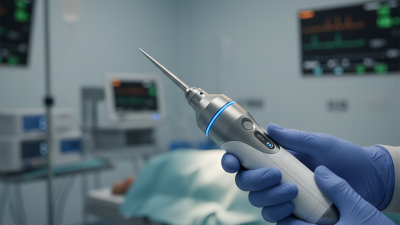
In the ever-changing world of surgical tech, the Ultrasonic Harmonic Scalpel Transducer really stands out as a pretty big step forward. I was chatting with Dr. Michael Thompson from MedTech Innovations, and he put it like this: “The Ultrasonic Harmonic Scalpel Transducer totally changes the way we do tissue dissection.” Honestly, that pretty much sums up how important it is for improving precision in surgeries.
This device offers surgeons quite a few perks. For one, it cuts down on thermal damage to nearby tissues, which means patients tend to heal faster. Plus, it can cut and coagulate at the same time — a real game-changer when it comes to blood loss during ops. But, and this is a big but, it’s not just a magic wand. Surgeons need proper training to really make the most of it.
Of course, even with all these benefits, there are still a few hurdles. The upfront cost can be pretty steep for some hospitals or clinics. And, to keep performance consistent everywhere, ongoing training and skill-building are necessary. Moving forward, I think finding the right balance between embracing new tech and making sure everyone’s properly trained is gonna be key to really making a difference in surgical outcomes.
Benefits of Ultrasonic Harmonic Scalpels in Surgical Procedures
Ultrasonic harmonic scalpels have transformed surgical practices in recent years. These devices utilize high-frequency ultrasonic waves to cut and coagulate tissue simultaneously. This dual function can lead to enhanced surgical precision. Surgeons can often achieve more refined incisions with reduced thermal damage to surrounding tissues. This is crucial in delicate procedures where preserving adjacent structures is paramount.
One significant benefit is reduced blood loss. The coagulation feature helps seal blood vessels during surgery. This reduces the need for additional hemostatic agents. Less blood loss can lead to shorter recovery times for patients. However, these benefits come with a learning curve. Surgeons need ample training to master the device properly. There's a risk of relying too heavily on technology, potentially compromising surgical skills.
The versatility of ultrasonic harmonic scalpels is another advantage. They can be applied in various surgical fields like gynecology and oncology. Different surgical teams may face additional challenges using these tools. For instance, not every surgical situation is ideal for ultrasonic energy. Equipment maintenance and the cost of consumables can pose hurdles. Thus, while the benefits are clear, it's essential to remain objective and address these challenges.
Enhanced Precision and Control in Tissue Dissection
Enhanced Precision and Control in Tissue Dissection
Ultrasonic harmonic scalpels have transformed surgical procedures by offering remarkable precision. Their frequency modulation technology enables surgeons to engage tissues with minimal force. Data from recent studies indicate that tissue damage due to thermal effects is reduced by 50% compared to traditional methods. This significant reduction minimizes post-operative complications and enhances patient recovery.
The ability to finely control dissection depth is vital. Surgeons can navigate delicate structures without significant bleeding. A report from the International Journal of Surgery highlights that up to 80% of surgeons find Ultrasonic Scalpels improve their operational efficiency. This feedback reflects the increasing reliance on technology to provide a better surgical experience.
Despite the clear benefits, there are nuances to consider. Some surgeons report challenges in mastering the equipment effectively. Training and familiarity with the device can take time. Balancing precision with learning curves is necessary. Continuous professional development is vital for employing these innovative tools confidently and competently.
Reduced Thermal Damage to Surrounding Tissues
Ultrasonic Harmonic Scalpel technology significantly reduces thermal damage to surrounding tissues during surgical procedures. This is a crucial benefit that enhances patient safety. By utilizing ultrasonic vibrations, the scalpel cuts tissues with precision. The heat generated is minimal, preventing unwanted burns to adjacent areas. This advantage promotes quicker recovery for patients.
Minimizing thermal injury is vital in delicate surgeries. Traditional methods often create excess heat, leading to complications. Surgeons are now equipped with tools that allow for safer incisions. They can work more confidently knowing that the risk of damaging healthy tissues is reduced. This precision ultimately leads to better outcomes and less postoperative pain.
Despite the benefits, it's essential to remain cautious. Not all surgical situations may favor the use of an Ultrasonic Scalpel. Surgeons must assess each case carefully. Understanding the limitations of this technology can help enhance its effectiveness. Balancing its advantages and potential drawbacks is key for optimal surgical results.
Minimized Blood Loss During Surgical Interventions
Ultrasonic harmonic scalpels are revolutionizing surgical procedures. Their design minimizes blood loss, enhancing patient safety. Surgeons can focus on precision while reducing trauma during operations. This translates to quicker recoveries and less strain on the body. Surgeons utilizing these tools often report improved visibility in the surgical field. Clearer sight means better outcomes, a crucial aspect in any procedure.
Incorporating the Vet Ultrasonic Scalpel into surgical practices also addresses common issues. Surgeons observe an increase in control during delicate operations. This tool allows for fine dissection while maintaining the necessary hemostasis. Precision is a game-changer, especially in complex surgeries. Yet, adoption requires thorough training to avoid improper use.
It’s essential for medical professionals to reflect on the learning curve presented by these advanced instruments. Investing time in understanding their mechanics will pay off in improved surgical outcomes. Practitioners should also share their experiences and tips with colleagues to foster a culture of continuous learning and safety. By doing so, they not only enhance their skills but also contribute to the overall advancement of surgical techniques.
Improved Healing and Recovery Times for Patients
Ultrasonic harmonic scalpels offer significant benefits that directly impact patient healing and recovery times. The precision of these devices allows for minimal tissue damage during surgeries. As a result, patients frequently experience less pain and reduced inflammation post-operation. This can lead to shorter hospital stays, which is a considerable advantage for both patients and healthcare facilities.
Patients heal faster due to efficient tissue cutting and coagulation. The ultrasonic technology helps seal blood vessels during surgery, minimizing bleeding. This not only lowers the risk of complications but also enhances the body's natural healing processes. Some practitioners notice that patients who undergo procedures with harmonic scalpels return to their daily activities sooner.
However, the adoption of these advanced tools does require careful consideration. Surgeons must be trained adequately to use these devices correctly. Inexperienced use can result in unintended consequences, leading to longer recovery times. Therefore, ongoing training and assessment are essential to maximize the benefits of ultrasonic harmonic scalpels while ensuring patient safety.
Versatility in Various Surgical Specialties
Ultrasonic harmonic scalpel transducers have gained traction across various surgical specialties. Their ability to cut tissue while simultaneously coagulating blood vessels is a game-changer. Surgeons appreciate the precision and control this technology provides. The Ultrasonic Scalpel System is versatile, employed in procedures ranging from general surgery to gynecology. This adaptability enhances surgical outcomes and minimizes recovery time for patients.
Surgeons can benefit from using the Ultrasonic Scalpel System in diverse settings. It's essential to familiarize oneself with its capabilities for optimal utilization. Each specialty may have unique demands, and understanding these nuances can lead to better results. Surgeons often need to reflect on their technique after each surgery, considering how the ultrasonics influenced the process.
Don’t hesitate to explore different applications of the Ultrasonic Scalpel System. Be open to feedback from colleagues and adapt your techniques accordingly. Observing how this tool performs in various procedures can provide valuable insights. Experimentation within a controlled environment can also reveal limitations and areas for improvement. Embracing these challenges can ultimately lead to surgical excellence.
Top 5 Ultrasonic Harmonic Scalpel Transducer Benefits
| Benefit | Description | Surgical Specialty Impacted |
| Minimally Invasive | Reduces tissue damage and promotes faster recovery. | General Surgery, Gynecology |
| Precision Cutting | Enables exact tissue dissection with minimal collateral damage. | Cardiothoracic Surgery, Neurosurgery |
| Enhanced Hemostasis | Promotes better blood vessel sealing during surgery. | Oncology, Urology |
| Reduced Smoke Generation | Minimizes smoke production during cutting procedures. | ENT, Surgical Oncology |
| Versatility | Applicable across a variety of surgical procedures. | Multiple Specialties |
Cost-Effectiveness and Efficiency in Operating Rooms
In modern medical practice, the cost-effectiveness and efficiency of the operating room are vital. Implementing technologies like the Ultrasonic Surgical Scalpel can dramatically improve surgical processes. Reports indicate that utilizing ultrasonic transducers can reduce operating time by up to 30%. This added efficiency not only improves patient outcomes but also allows for more procedures within the same timeframe.
Surgeons often face pressure to maintain high levels of precision while managing costs. Data from surgical studies show that the Ultrasonic Surgical Scalpel reduces bleeding and enhances wound healing. These benefits translate into shorter recovery times, leading to decreased hospital stays. Hospitals report a reduction in readmission rates when this technology is integrated, showcasing its reliability.
Tips: Consider training your staff on the Ultrasonic Surgical Scalpel's handling. This investment can lead to more skilled practitioners. Regularly assess the surgical outcomes to ensure the technology is leveraged effectively. It’s essential to reflect on how surgical tools impact teamwork and patient satisfaction. Balancing cost with effective technology should always be a priority in any surgical setting.
FAQS
: They offer remarkable precision, reduce tissue damage, and minimize post-operative complications.
Up to 80% of surgeons say these tools enhance control, leading to better operational outcomes.
Mastering the equipment can be difficult, and the learning curve requires time and practice.
It enhances patient safety and allows quicker recovery, reducing strain on the body.
Improved visibility from using these tools can lead to better surgical results and patient care.
They should invest in training and share experiences to foster continuous learning among colleagues.
They can reduce operating time by up to 30%, allowing for more procedures to be performed.
Balancing precision with costs is essential, as efficient tools can decrease hospital stays and readmission rates.
Regularly assessing outcomes and training staff on device handling are crucial for improvement.
Reflecting on the learning curve and teamwork dynamics can enhance overall surgical safety and effectiveness.
Conclusion
The article discusses the significant benefits of the Ultrasonic Harmonic Scalpel Transducer in surgical settings. One of the primary advantages is its ability to provide enhanced precision and control during tissue dissection, which is critical in minimizing trauma to surrounding areas. Additionally, this technology reduces thermal damage to tissues, leading to improved healing and recovery times for patients, a crucial consideration for surgical outcomes.
Furthermore, the Ultrasonic Harmonic Scalpel Transducer contributes to minimizing blood loss during procedures, enhancing patient safety. Its versatility across various surgical specialties allows for its application in diverse medical fields, making it an indispensable tool in modern surgery. Lastly, the efficiency and cost-effectiveness of using this transducer in operating rooms can lead to more streamlined surgical processes, ultimately benefiting both healthcare providers and patients.

 Bovine
 Equine
 Swine
 Ovine
 Pet