- Home
- About Us
- Species
- Products
- Service
- News
- Contact Us
 Bovine
 Equine
 Swine
 Ovine
 Pet
inquiry
Leave Your Message
- Phone
- E-mail
- Whatsapp
- WeChat

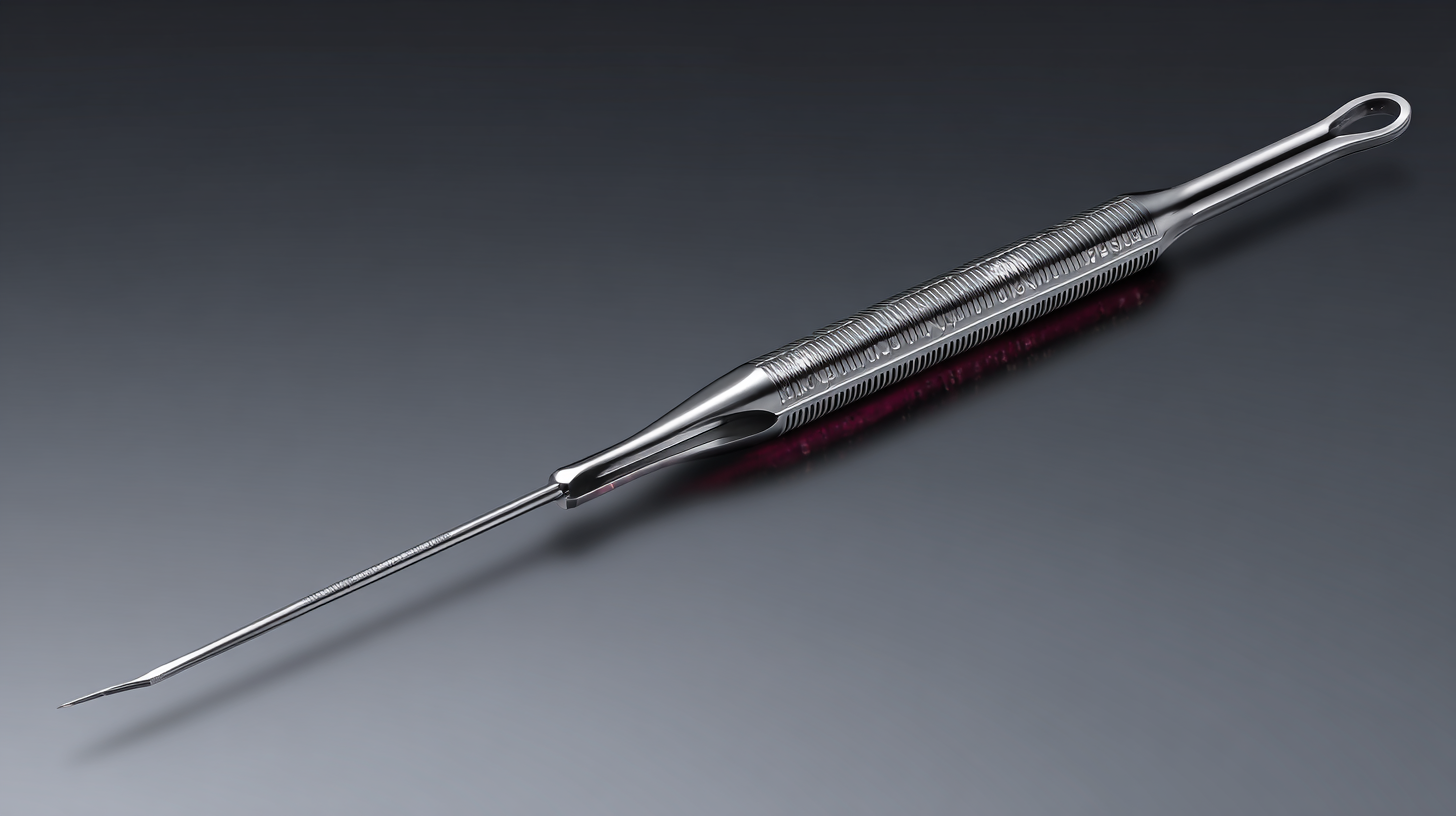 The introduction of the Ultrasonic Harmonic Scalpel has really been a game-changer in precision surgery. It’s exciting to see how it’s helping improve patient outcomes across different medical fields. I came across a recent industry report that predicts the global market for ultrasonic surgical tools will hit around USD 3.1 billion by 2027. That’s mainly because more folks are going for minimally invasive procedures, which really benefit from ultrasonic tech—like causing less tissue damage and helping patients recover faster. Sichuan Eacenic Science & Technology Group Co., Ltd., a company that’s been all about developing cutting-edge tech since 2009, truly sees the potential of these innovative surgical tools. They’re working on integrating advanced veterinary medical electronics to make surgeries more efficient and effective. All in all, it’s clear that Ultrasonic Harmonic Scalpels are playing a key role in making surgeries safer and boosting success rates for patients.
Over the past few decades, surgical techniques have really evolved, especially with the rise of some pretty advanced technologies. A good example is the ultrasonic harmonic scalpels. These things first showed up back in 1988 and have since become a game-changer. They use ultrasonic vibrations to cut through tissue and cauterize at the same time—pretty neat, right? That not only makes the surgery more precise but also helps protect surrounding tissues from unnecessary damage. Because of their ability to dissect and seal so effectively, they’ve actually transformed a bunch of different surgical procedures and generally lead to better outcomes for patients.
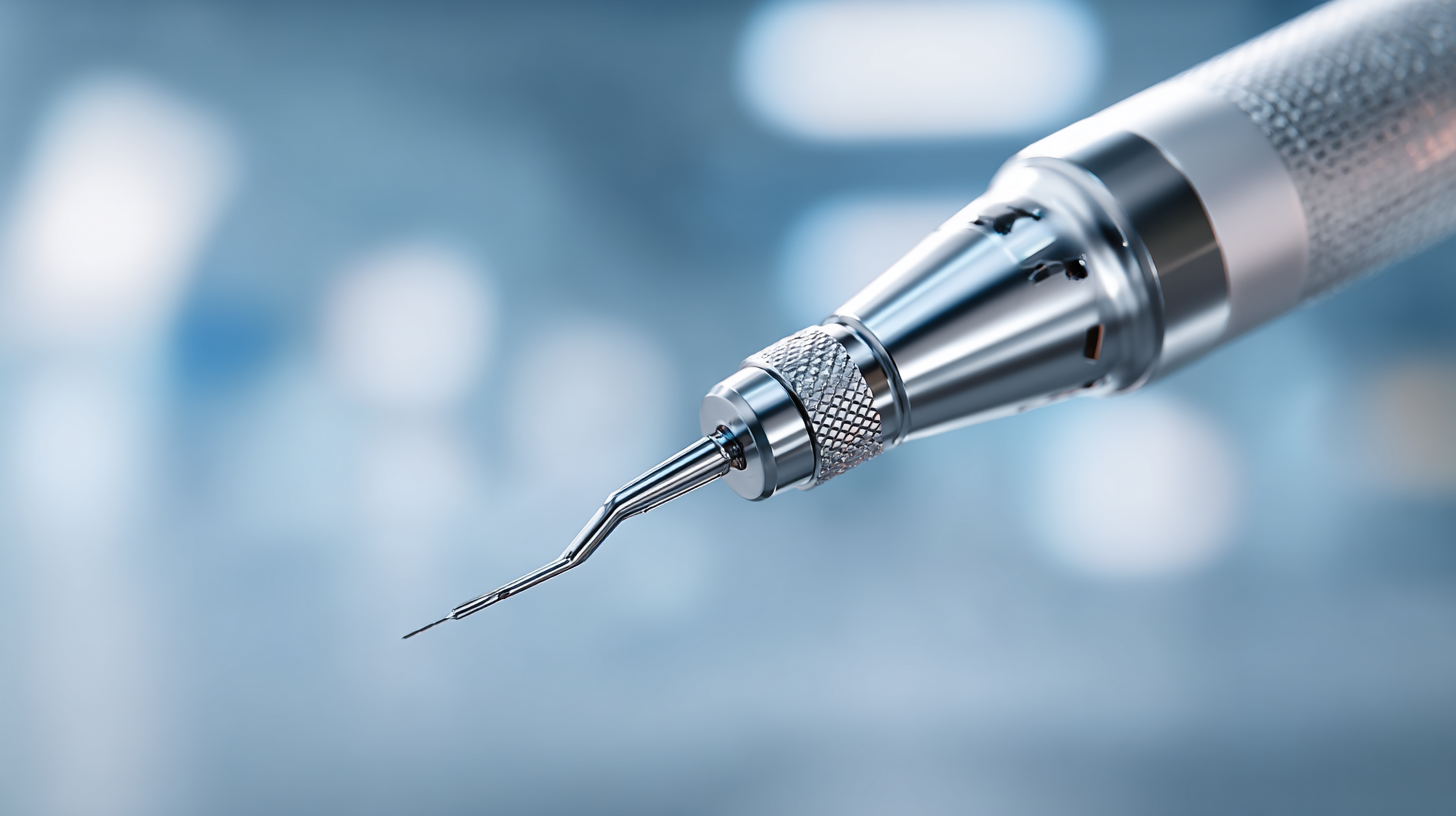
Recent research pretty consistently shows that ultrasonic harmonic devices tend to outperform the old-school tools, which is why a lot of surgical fields are making them standard. They really help cut down on blood loss and often mean patients recover faster. Honestly, these scalpels have become pretty much essential in today’s surgical suite.
If you’re a surgeon thinking about giving these a try, I’d suggest taking some time to really get to know how they work and what their limits are. It’s also a good idea to include them in training so surgeons can become more comfortable and confident using them. And don’t forget—keeping up with the latest studies about these devices can really help you make smarter choices that benefit your patients in the end.
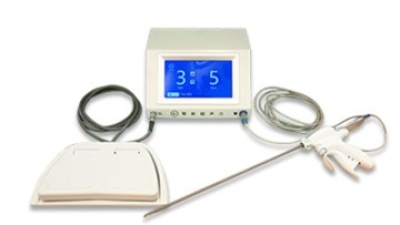
The ECI-UK500 Ultrasonic Scalpel System represents a significant advancement in veterinary surgical precision, equipped with versatile cutter heads that cater to a range of surgical applications. This innovative device operates at ultrasonic frequencies, which enhances tissue cutting, minimizes thermal damage, and significantly reduces bleeding during procedures. Recent industry reports indicate that the adoption of ultrasonic technology in veterinary surgery can lead to a decrease in recovery time by up to 30%, ensuring that pets receive the best care with optimal outcomes.
One of the standout features of the ECI-UK500 system is its interchangeable cutter heads, designed to tackle various surgical situations—from delicate soft tissue procedures to more complex surgeries requiring precision and control. A study published in the Journal of Veterinary Surgery highlights that using ultrasonic scalpels can increase the efficiency of surgery by up to 25%, allowing veterinary practices to serve more patients without compromising the quality of care provided. This versatility not only makes the ECI-UK500 a valuable tool in the surgical suite but also empowers veterinary professionals to enhance their skillsets in performing advanced procedures.
Moreover, the ECI-UK500 emphasizes safety and comfort for both the animal and the surgeon. With its ergonomic design and refined technology, practitioners can perform intricate surgeries with less strain, translating to improved surgical outcomes and higher patient satisfaction rates. As the veterinary field continues to evolve, innovative tools like the ECI-UK500 Ultrasonic Scalpel System are paving the way for a new standard of surgical excellence.
: Ultrasonic harmonic scalpels use ultrasonic vibrations to dissect tissue, resulting in less thermal damage and improved hemostasis compared to traditional surgical tools, which often cause more collateral damage.
Ultrasonic scalpels significantly reduce intraoperative bleeding by providing precise incisions with less collateral damage to surrounding structures, which enhances visibility for surgeons and minimizes the need for blood transfusions.
In spinal surgeries, ultrasonic bone scalpels streamline operations and enhance recovery by minimizing soft tissue disruption, resulting in less postoperative pain and shorter hospital stays.
Surgeons may need initial training to become familiar with the technique of using ultrasonic harmonic scalpels, but the long-term benefits in efficiency and patient recovery can outweigh this learning curve.
Studies indicate that procedures using ultrasonic scalpels can reduce blood loss by up to 30%, lower complication rates, and result in shorter hospital stays and quicker recovery times for patients.
The enhanced hemostasis provided by ultrasonic scalpels leads to reduced inflammation and trauma, which contribute to shorter recovery times and fewer postoperative complications for patients.
The use of ultrasonic harmonic scalpels is correlated with improved patient outcomes, including lower blood loss, fewer complications, and faster recovery, highlighting their importance in modern surgical practices.
Ultrasonic harmonic scalpels are especially beneficial in complex procedures, such as spinal surgeries and modified Ponte osteotomy, where precision and control are crucial.
Adopting ultrasonic harmonic technology can optimize patient health outcomes, enhance surgical effectiveness, and improve overall patient satisfaction due to the reduced risks and complications associated with its use.
These advanced scalpels enhance surgical safety by minimizing thermal damage and reducing the length of hospital stays, leading to a smoother recovery process for patients.
Hey, have you read the article titled "Unlocking Precision Surgery: The Revolutionary Impact of Ultrasonic Harmonic Scalpels on Patient Outcomes"? It dives into some pretty exciting advancements in surgical tech, especially focusing on these new Ultrasonic Harmonic Scalpels. They’re a real game-changer compared to the old-school tools we used to rely on. The article points out that these scalpels help cut down blood loss and allow patients to bounce back a lot faster. It’s pretty impressive – a real step forward! There’s even a comparison showing these new scalpel tech outperforms traditional instruments, backed up by some solid stats about better patient results.
Plus, they talk a bit about how cost-effective it is to bring this tech into surgeries, arguing that in the long run, it’s totally worth it. With all these ongoing improvements in surgical tools, the future looks pretty bright—more precise, safer surgeries, and better care for patients all around. Honestly, it’s exciting to see how technology keeps pushing the boundaries in healthcare.