Hey, have you heard about Vet Sperm Analysis? It's actually a pretty important thing in veterinary science, especially when it comes to animal reproduction. Dr. Emily Johnson, who’s kind of a top expert in animal reproductive health, often says, 'Understanding sperm health is key to successful breeding.' Her words really underline just how vital these analyses are, whether you're a vet or a breeder trying to get things right.
So, what does this analysis involve? Well, vets usually check out things like how the sperm moves (motility), what it looks like (morphology), and how many there are (concentration). These are all super important when figuring out if a male animal is fertile. But honestly, some practices tend to skip over the nitty-gritty details, which can be a problem. Skipping or rushing through the analysis might lead to failed mating attempts, and trust me, that can be pretty costly or frustrating.
Thanks to tech getting better and better, Vet Sperm Analysis is now way more accurate than it used to be. Still, there are some clinics out there that cling to old-school methods, and that’s kinda worrying because it can mess with breeding results. That’s why it’s so important for vets and breeders to keep learning and stay up-to-date with the latest research. Every analysis gives a little peek into an animal’s reproductive health. If we embrace these checks more consistently, we’re likely to see healthier offspring and better breeding success all around.

What is Vet Sperm Analysis? An Overview of the Process
Vet sperm analysis is a critical process in veterinary medicine. It enables professionals to assess the fertility of male animals. The procedure involves collecting semen samples and examining them under a microscope. This evaluation provides vital information about sperm health, motility, and morphology.
During analysis, a vet uses advanced technology, like a Vet Semen Analysis Device, to measure various parameters. The device helps in determining the concentration of sperm and observing their movement. Each aspect of sperm quality can indicate overall reproductive health. Challenges can arise, though; for instance, improper collection techniques may lead to inaccurate results.
Veterinary professionals must interpret the findings carefully. They need experience to distinguish between normal variations and potential issues. It's not just about numbers; understanding the biological context is crucial. Sometimes, unexpected results require further investigation or reevaluation. This depth of analysis shows the importance of a thorough approach in vet sperm analysis.
Key Metrics in Sperm Quality Assessment: Concentration and Motility
Bovine Sperm Analysis focuses on the health and quality of sperm in cattle. Two critical metrics in this assessment are concentration and motility. Concentration refers to the number of viable sperm present in a milliliter of semen. A higher concentration often indicates better fertility potential. However, it alone does not guarantee successful breeding outcomes.
Motility, on the other hand, measures the movement and swimming capability of sperm. It is crucial for fertility. Sperm with good motility can travel through the female reproductive system to reach and fertilize the egg. Typically, a motility rate above 50% is considered acceptable. Yet, various factors can impact this, including processing methods and storage conditions.
Veterinarians must analyze these metrics carefully. Without accurate testing, the effectiveness of breeding programs may decline. Sometimes, results may be misleading, revealing a concentration that suggests high quality but low motility. Continuous improvement in Bovine Sperm Analysis techniques helps in addressing these challenges. Recognizing the imperfections in the testing process is vital for enhancing overall reproductive success.
Vet Sperm Analysis: Key Metrics in Sperm Quality Assessment
The bar chart above illustrates key metrics in vet sperm analysis, specifically focusing on sperm concentration measured in millions per milliliter and sperm motility expressed as a percentage. These metrics are fundamental in the assessment of male fertility in veterinary practice.
Understanding Sperm Morphology: What It Reveals About Fertility
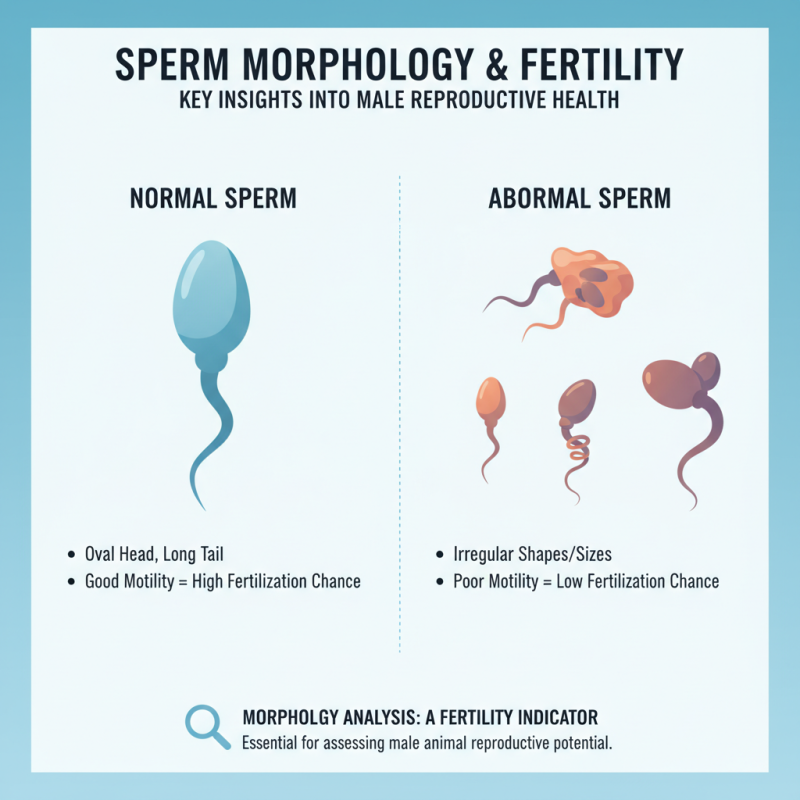
Understanding sperm morphology is crucial for assessing fertility in male animals. Different shapes and sizes of sperm can indicate significant issues. For instance, normal sperm should have an oval head and a long tail. Abnormalities, such as irregular shapes, can hinder sperm motility, reducing chances of successful fertilization. Analyzing these factors provides insight into reproductive health.
When conducting a vet sperm analysis, a Canine Sperm Analysis Machine is often utilized. It can efficiently assess sperm motility, morphology, and concentration. Vet professionals highly recommend using such advanced tools for accurate results. Proper temperature control during collection is essential for sample integrity.
Tips: Always collect samples in a clean environment. This minimizes contamination risks and ensures reliability. Regular veterinary check-ups for breeding males can detect early issues. Noticing a reduction in fertility can prompt timely intervention. Monitoring changes over time is also vital for assessing overall reproductive health.
The Role of Semen Analysis in Animal Breeding Programs
Semen analysis plays a crucial role in animal breeding programs. This scientific assessment evaluates the quality of male reproductive material. Key parameters include sperm concentration, motility, and morphology. According to recent reports, approximately 30% of male breeding animals show suboptimal semen quality, impacting breeding success rates. Understanding these metrics helps breeders make informed decisions.
In the field of animal reproduction, the accuracy of semen analysis is paramount. High-quality semen can enhance genetic progress in breeding programs. A study reveals that effective semen evaluation can increase fertility rates by up to 20%. However, many breeders still overlook the importance of regular semen assessments. This gap can lead to unplanned breeding failures and lower overall productivity.
Breeding programs must prioritize veterinary sperm analysis. Regular assessments ensure that only the best-quality semen is used. Attention to detail in this process can prevent costly mistakes. Moreover, flawed analyses or inconsistent methodologies can hinder the effectiveness of breeding strategies. As the industry evolves, greater emphasis on research and development in semen evaluation technologies is essential. This shift could improve both efficiency and outcomes in animal reproduction.
Technologies Used in Vet Sperm Analysis: From Microscopy to Computer-Assisted Methods
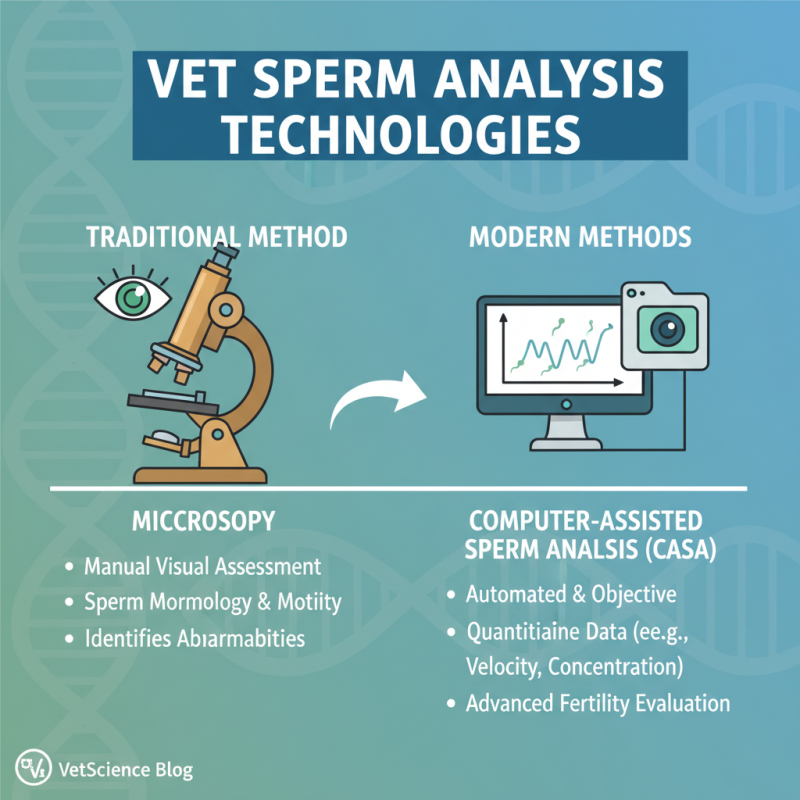
Veterinary sperm analysis plays a crucial role in evaluating male fertility. It uses various technologies to assess sperm quality and motility. Among these technologies, microscopy is a time-honored method. Microscopes allow veterinarians to observe sperm morphology and movement under magnification. This visual analysis helps identify any abnormalities that might affect fertility.
In recent years, computer-assisted methods have transformed sperm analysis. Advanced software analyzes sperm motility with high precision. This technology can track thousands of sperm cells in real-time, providing reliable data. However, it is also important to remember that such systems require calibration and training. Human error can influence results, making proper usage essential.
Cryopreservation techniques accompany these analysis methods. Storing sperm in liquid nitrogen preserves its quality for later use. Nonetheless, freezing can sometimes lead to damage. Understanding the limitations of these technologies aids veterinarians in making informed decisions. A thorough evaluation combines both historical practices and modern advancements for optimal outcomes.
Interpreting Vet Sperm Analysis Results: A Guide for Veterinarians
Interpreting vet sperm analysis results requires a keen understanding of various parameters. Sperm motility is crucial. It indicates how well sperm can move, impacting fertility potential. A high motility percentage suggests quality and viability. Additionally, sperm concentration matters. A higher count often correlates with better chances of successful fertilization.
Veterinarians should consider morphology, too. Abnormal sperm shapes can hinder fertilization. Typical assessments include looking at tail structure, head shape, and overall appearance. These traits can reveal underlying health issues in the animal.
Tips for accurate analysis: Always follow standardized procedures. This helps reduce variability in results. Document findings meticulously. This aids in tracking changes over time. Collaborate with colleagues for a comprehensive understanding. Learning from each case enriches your expertise. Reflect on past analyses to guide future assessments. Continuous improvement is vital in veterinary practice.
Common Factors Affecting Sperm Quality in Male Animals
Sperm quality in male animals plays a critical role in reproduction. Several factors can influence this quality. One key aspect is the age of the animal. Older males often show decreased fertility. This decline may not be immediately evident but can significantly impact breeding success. Environmental conditions also matter. Stressful conditions, such as high temperatures or overcrowding, can lead to lower sperm quality.
Nutrition is another vital factor. A balanced diet full of vitamins and minerals is essential for optimal sperm production. Deficiencies can result in poor sperm motility and abnormal morphology. Moreover, certain diseases can affect reproductive health. Infections or hormonal imbalances can compromise overall fertility. Evaluating these aspects during Bull Sperm Analysis is crucial. Collecting samples and assessing their viability can help identify underlying issues.
Lastly, genetics can play a role. Some males are predisposed to better sperm quality due to their lineage. Understanding these genetic traits can provide deeper insights into breeding strategies. Examining the intricate details of sperm parameters allows for informed decisions. However, variations exist; it's essential to acknowledge that not all findings apply universally. Each case may require individual attention and analysis for meaningful results.
What is Vet Sperm Analysis and How Does It Work? - Common Factors Affecting Sperm Quality in Male Animals
| Factor | Description | Impact on Sperm Quality |
| Age | Older male animals may show reduced sperm quality. | Decreased motility and morphology. |
| Nutrition | Poor diet can lead to deficiencies affecting sperm production. | Lower sperm counts and poor quality. |
| Stress | High-stress environments adversely impact reproductive health. | Reduced fertility rates. |
| Temperature | Excessive heat can harm sperm production and viability. | Decreased sperm motility and increased abnormal forms. |
| Genetics | Inherited traits can influence sperm characteristics. | Variability in quality and fertilization capability. |
| Health Status | Underlying health issues can affect overall sperm production. | Lower sperm count, motility, and increased abnormalities. |
Conclusion
Vet Sperm Analysis is a comprehensive process that evaluates the quality of sperm in male animals, crucial for assessing fertility. This analysis involves key metrics such as concentration and motility, which determine how many sperm are present and how efficiently they move. Additionally, understanding sperm morphology provides insights into potential fertility issues, as abnormalities in shape can indicate problems.
In animal breeding programs, semen analysis plays a vital role, guiding decisions that enhance reproductive success. Various technologies, including microscopy and computer-assisted methods, are utilized to conduct these analyses, ensuring accurate results. For veterinarians, interpreting Vet Sperm Analysis results is essential, as it informs breeding strategies and addresses common factors that affect sperm quality, ultimately contributing to the health and productivity of animal populations.

 Bovine
 Equine
 Swine
 Ovine
 Pet