When it comes to veterinary medicine, getting accurate diagnoses is super important. That’s where the Veterinary Ultrasound Machine really comes in—it's become pretty much a must-have for vets who want to make precise assessments. These machines let you see inside animals in real-time, which can really help with planning treatments and improve outcomes. But honestly, making the most of these tools isn’t just about plugging it in; you kinda need to know what you're doing with the tech and be aware of its limitations.
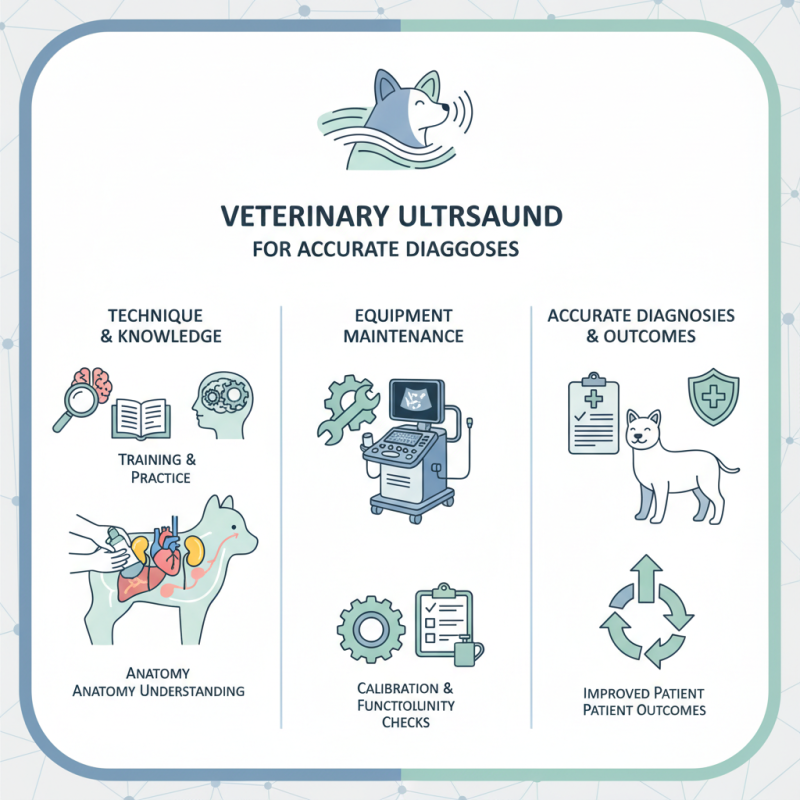
A lot of vets might underestimate how crucial proper training is. Without enough hands-on experience, figuring out what those ultrasound images mean can be pretty tricky. It’s a skill that really gets better with practice—and a bit of patience. Plus, having a solid understanding of animal anatomy is key for making accurate diagnoses. Sometimes, inexperienced practitioners might miss tiny anomalies, which can unfortunately lead to misdiagnosis.
Also, let’s not forget about equipment maintenance. Keeping the ultrasound machine well-calibrated and performing regular checks can totally prevent errors that come from technical glitches. Basically, paying attention both to sharpening your skills and taking care of the equipment is essential if you want ultrasound diagnostics to be truly effective in veterinary care.
Overview of Veterinary Ultrasound Technology in Modern Practices
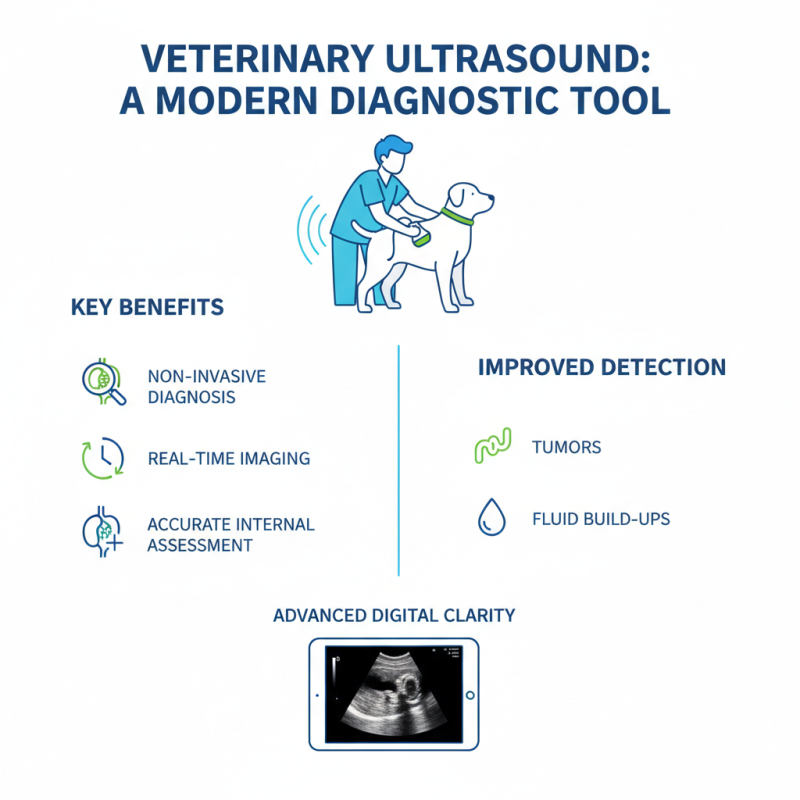
Veterinary ultrasound technology has transformed the way veterinarians diagnose and treat animals. This non-invasive method provides real-time imaging, allowing for an accurate assessment of internal organs. With advancements in digital imaging, the clarity of ultrasound scans has improved significantly. This is especially beneficial in detecting conditions such as tumors or fluid build-up.
Many practices now rely on the Veterinary Ultrasound Machine for routine check-ups. The ability to visualize soft tissues is crucial for understanding an animal's health. However, using this technology effectively requires training. Not all practitioners use the machine to its full potential. Sometimes images might be misinterpreted, leading to incorrect diagnoses.
Effective usage of the Veterinary Ultrasound Machine also depends on the operator's skill. Experience plays a significant role in obtaining clear images. Newer technicians might struggle, causing delays in treatment. Regular workshops and hands-on training can enhance their proficiency. Continuous learning is essential, as technology evolves.
Key Features of Veterinary Ultrasound Machines for Optimal Performance
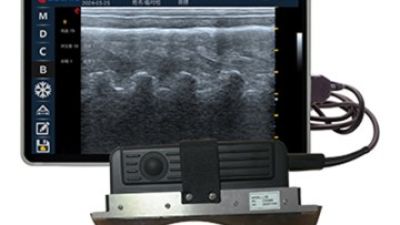
Veterinary ultrasound machines are essential for accurate diagnoses. They provide real-time imaging, vital for assessing a pet's health. A quality ultrasound machine for veterinary use should have high resolution. This ensures clear images of internal organs and structures. According to veterinary reports, machines with higher frequencies, like 5-10 MHz, yield better image quality for small animals.
Portability is another key feature. Many clinics benefit from ultrasound machines that are compact and easy to transport. This enhances workflow efficiency. Studies show that portable units can increase diagnostic capabilities in emergency situations. Ease of use is crucial too. Technicians need intuitive interfaces to minimize the learning curve. Complex machines can lead to user errors and misdiagnoses.
Training is often overlooked. Veterinary professionals must be trained to interpret ultrasound images accurately. Continuous education plays a vital role in enhancing diagnostic precision. Many professionals cite that even small discrepancies can lead to significant impacts on treatment plans. A well-chosen Ultrasound Machine Veterinary Use can greatly enhance diagnostic success and improve patient outcomes.
Understanding the Different Ultrasound Modalities Used in Veterinary Medicine
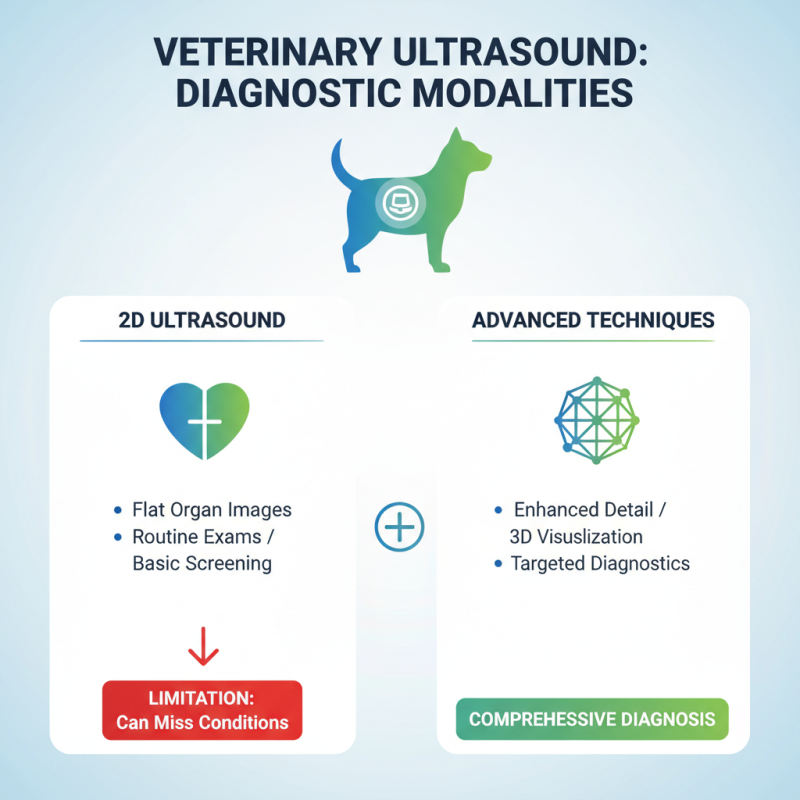
Veterinary ultrasound is a critical tool in diagnosing animal health issues. Different modalities serve distinct purposes. A common one is 2D ultrasound, which provides flat images of organs. It is often used for routine examinations. However, it can miss certain conditions. This limitation calls for additional techniques.
Doppler ultrasound is another modality. It assesses blood flow within vessels. This method is key for detecting heart problems. Yet, it requires skilled interpretation. Practitioners must be cautious not to overlook subtle findings. Three-dimensional ultrasound provides more detailed images. It enhances the understanding of complex anatomical structures. However, it can sometimes lead to information overload.
Choosing the right modality is essential for accurate diagnoses. Sometimes, practitioners may miss a diagnosis by using only one type. It's important to combine techniques when appropriate for better results. Regular training and review of ultrasound skills are vital. Practitioners must reflect on past cases to improve future outcomes.
Importance of Proper Training for Veterinarians in Ultrasound Techniques
Proper training in ultrasound techniques is crucial for veterinarians. Mastering these skills allows for more accurate diagnoses and better patient care. A well-trained veterinarian can interpret images correctly. This leads to effective treatment plans.
Training isn’t just about learning the technology. It involves understanding animal anatomy and pathology. Many veterinarians may overlook this crucial aspect. Familiarity with the equipment is important, but so is knowing when to use it. Regular practice enhances proficiency, but knowledge gaps can remain.
Continuous education is vital. Attending workshops and seminars can keep skills sharp. Yet, some veterinarians might neglect this. They may rely on outdated knowledge, which can lead to misdiagnoses. Real-world application is key, but reflection on one’s practice can pinpoint areas needing improvement. This could lead to better outcomes for patients in the long run.
Best Practices for Equipment Maintenance to Ensure Accurate Diagnoses
Regular maintenance of veterinary ultrasound machines is crucial for accurate diagnoses. Studies show that approximately 30% of imaging errors arise from equipment malfunctions. Common issues include poor image quality and artifacts caused by dirt or wear. To mitigate these problems, routine cleaning is essential. Use lint-free cloths and appropriate cleaning solutions for screens and transducers. Ensuring these components are in top shape can significantly enhance diagnostic accuracy.
Calibration is another key aspect. It is recommended that equipment undergo professional calibration every 12 months. This ensures that measurements and imaging remain reliable. Reports indicate that poorly calibrated machines may lead to misdiagnoses. Veterinary practices should establish a maintenance schedule that includes both cleaning and calibration checks.
Additionally, the environment where the Veterinary Portable Ultrasound Machine is used matters. Dust and humidity can affect functionality. Keeping the equipment in a controlled environment helps extend its lifespan. Ideally, machines should be stored in a dedicated, dust-free area when not in use. Neglecting these details can undermine the effectiveness of diagnostics, leading to potential treatment delays.
Common Misinterpretations in Ultrasound Imaging and How to Avoid Them
Interpreting ultrasound images in veterinary practices can be challenging. Many factors contribute to common misinterpretations, leading to inaccurate diagnoses. For instance, over-reliance on the ultrasound without considering a pet's clinical history often leads to errors. This reliance can skew perspectives. A Portable Veterinary Ultrasound Machine is a powerful tool. However, improper positioning or settings can distort images, resulting in misleading findings.
Another issue is the interpretation of normal and abnormal findings. What seems like a clear anomaly might actually be a harmless variant. Veterinarians must train their eyes to differentiate these subtleties. Continuous education and peer consultation can help mitigate these risks. Also, sharing cases among colleagues fosters growth and understanding.
In some cases, mistakes occur simply due to time pressure. Rushed examinations can overlook crucial signs. Taking a moment to reassess images can reveal missed details. Using a Portable Veterinary Ultrasound Machine, practitioners should prioritize careful, deliberate evaluations. It’s these small adjustments in approach that lead to more accurate and reliable diagnoses.
Future Trends in Veterinary Ultrasound Technology and Their Implications
Veterinary ultrasound technology is evolving rapidly. Recent studies indicate a growing adoption, with a projected market growth rate of 7.5% annually over the next five years. This reflects a rising demand for non-invasive diagnostic tools in animal healthcare. Innovations in portable ultrasound devices and software integration are enhancing diagnostic capabilities. These trends are not only improving efficiency but also expanding the access to ultrasound services in remote areas.
However, accuracy remains a key concern. Veterinarians must ensure proper training and experience when using ultrasound. Tips for effective use include familiarizing oneself with the equipment thoroughly. Understanding the animal's anatomy is also crucial for accurate interpretation. Regularly practicing image acquisition techniques can significantly enhance diagnostic precision.
Future developments in artificial intelligence are promising. AI algorithms can analyze ultrasound images, identifying patterns that may be overlooked by the human eye. A report suggests this technology could enhance diagnostics effectiveness by up to 30%. However, reliance on technology raises questions about skill retention among veterinarians. Balancing technological advancements with fundamental skills will be essential for future practitioners. Challenges lie ahead, but the potential for improved animal care is undeniable.
Comprehensive Guide to ECI-X8M Color Doppler Veterinary Ultrasound Machine: Features, Benefits, and Applications
The ECI-X8M Color Doppler Veterinary Ultrasound Machine stands out as an essential tool in the veterinary field, offering a comprehensive suite of features tailored for effective animal care. With its 13-inch high-definition touch screen and advanced Doppler technology, it enables veterinary professionals to deliver precise measurements crucial for reproductive management, cardiac assessments, and meat quality evaluations. This functionality is particularly beneficial in diverse agricultural settings where accurate diagnosis can greatly impact livestock health and productivity.
Equipped with a variety of adaptable probes, the ECI-X8M caters to various animal species, including pigs, cows, and sheep. This versatility ensures that veterinarians can conduct thorough examinations regardless of the animal type, making it an invaluable asset for mixed-use veterinary practices. The ability to accurately measure back-fat, loin-eye muscle, and gestational age not only enhances the efficiency of reproduction management but also supports better decision-making in meat production and health monitoring. The integration of these features into a single device underscores the growing importance of efficient and precise diagnostic tools in modern veterinary medicine.
FAQS
: The product is designed to simplify daily tasks. It helps users save time and effort.
Follow the user guide for best results. Start with small tasks to build confidence.
The product is made from durable, high-quality materials. They ensure longevity and reliability.
Always read safety warnings before use. Misuse can lead to accidents or injuries.
Contact customer support for assistance. Document the issue for faster resolution.
Use a soft cloth and mild detergent. Avoid harsh chemicals that can damage surfaces.
Yes, it has versatile features. Experiment to find additional uses that suit your needs.
Overloading the product can cause malfunctions. Take time to understand its limits.
A limited warranty is usually provided. Check the details for coverage specifics.
Share tips with other users online. Learning from others can lead to new discoveries.
Conclusion
Veterinary ultrasound machines play a crucial role in modern animal healthcare, enhancing diagnostic accuracy and enabling veterinarians to make informed decisions. This article explores various aspects of veterinary ultrasound technology, including its key features that ensure optimal performance and the different modalities utilized in veterinary medicine. Proper training for veterinarians is emphasized as essential for mastering ultrasound techniques, ensuring that practitioners are well-equipped to interpret images accurately and avoid common misinterpretations.
Maintenance best practices for veterinary ultrasound machines are also discussed, highlighting the importance of regular upkeep to achieve reliable results. As the field evolves, future trends in veterinary ultrasound technology promise to further improve diagnostic capabilities, benefitting both practitioners and their animal patients. Overall, the integration of advanced ultrasound technology in veterinary practices enhances the ability to detect and address health issues effectively.

 Bovine
 Equine
 Swine
 Ovine
 Pet