
 Bovine
 Equine
 Swine
 Ovine
 Pet

Innovative Veterinary Product Series
Explore our world-class diagnostic and treatment systems designed to elevate animal health, optimize breeding cycles, and increase overall farm profitability.
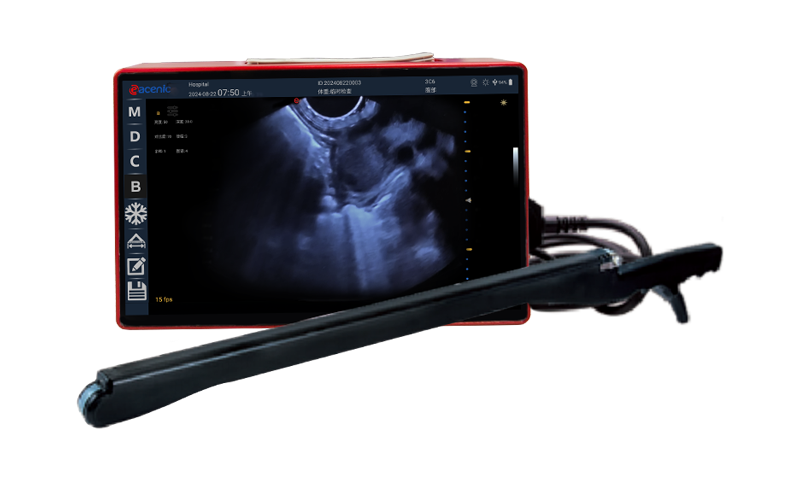
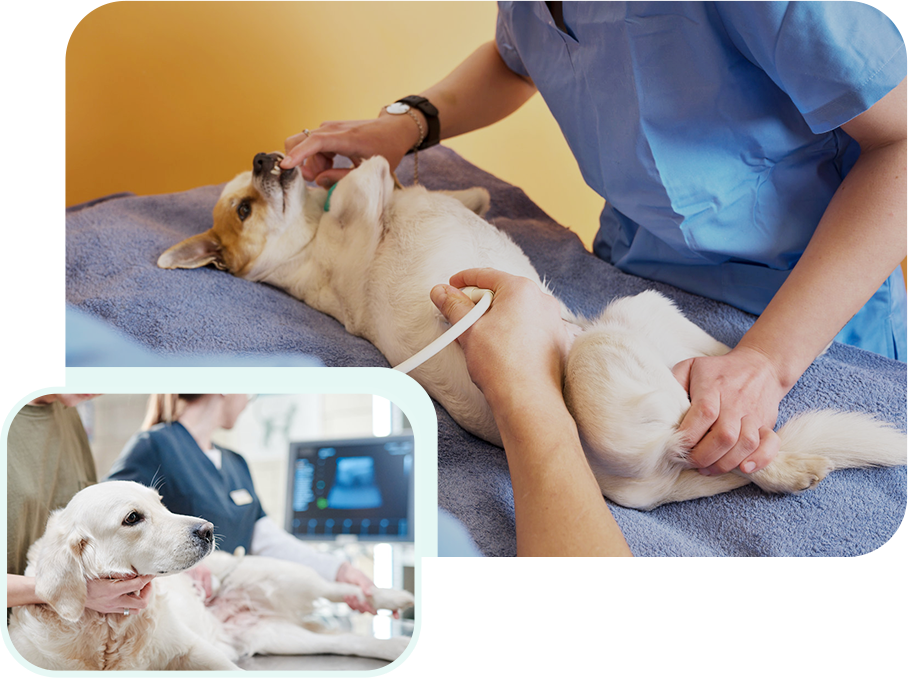
Animal Ultrasound Diagnosis & Ovum Pick-up
Excellent high-resolution images to provide precise scanning and assistance throughout the livestock breeding, bovine ultrasound, and cattle reproduction processes.
Read More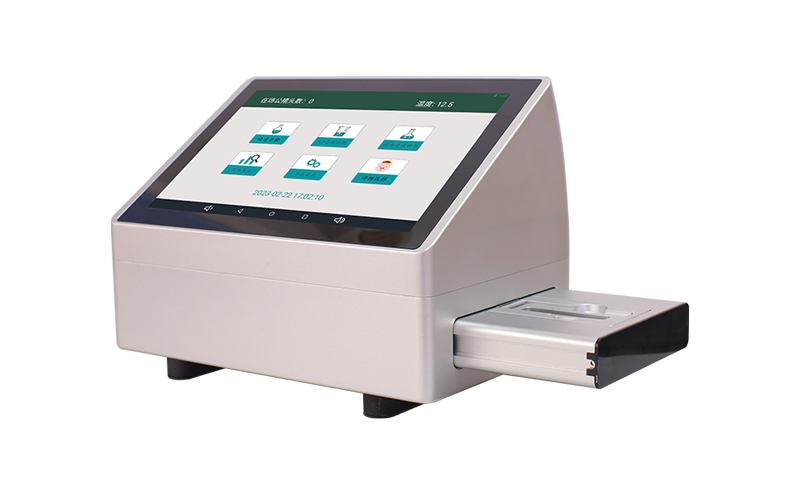
Animal Semen Quality Analysis
Accurate morphological data and motility tracking provide a reliable scientific basis for optimizing dispensing volumes and insemination quantities.
Read More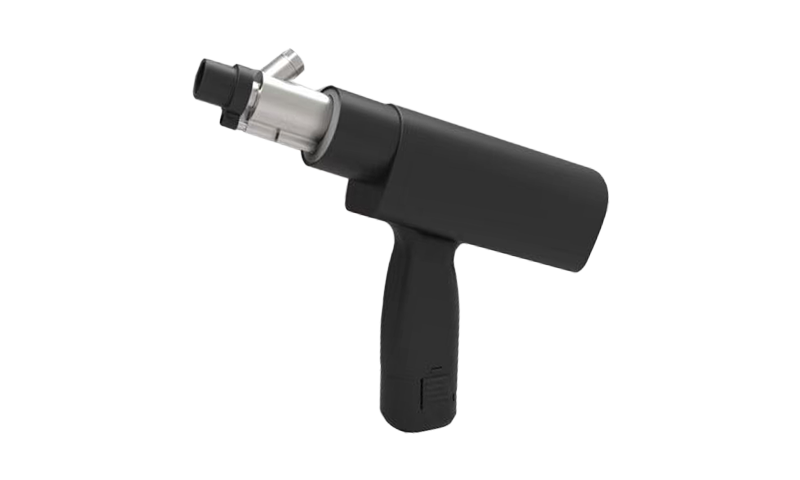
Needle-free Injector
Advanced needle-free injection technology ensures rapid delivery, reduces animal stress, and completely avoids the risk of cross-infection.
Read More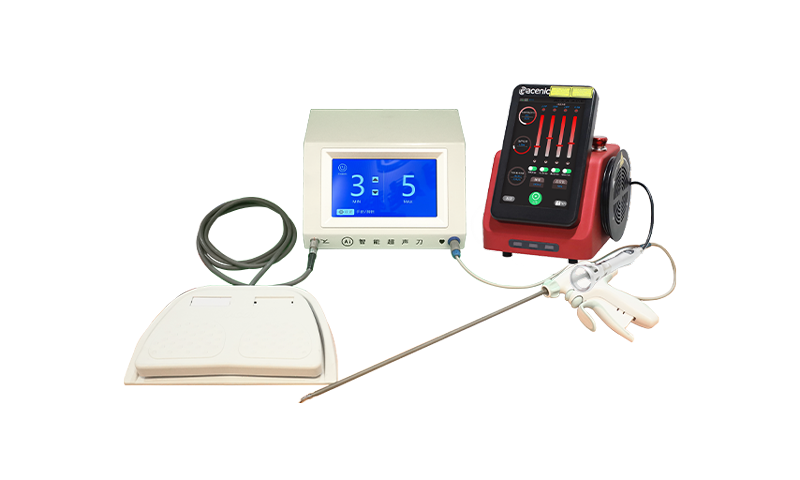
Vet Ultrasonic Scalpel System
Outstanding ultrasonic cutting and coagulation technology reduces surgical time, minimizes blood loss, and speeds recovery for veterinary patients.
Read MoreModern Dairy & Beef Farm Breeding Pain Points
Managing cattle reproduction efficiently is the cornerstone of profitable livestock farming. Yet, traditional detection methods continue to limit growth potential.
The Cost of Inefficiency
-
!
Prolonged Days Open (Empty Days)
Every single day a dairy cow remains open past the optimal breeding window costs dairy farmers between $3.00 and $5.00 in lost milk production and feed expenses. Early pregnancy diagnosis is vital to catch non-pregnant cows immediately.
-
!
Inaccurate Rectal Palpation
Manual palpation is highly subjective, physically exhausting, and often cannot reliably confirm pregnancy until after day 40. This delays re-insemination cycles and increases the herd's overall open rate.
-
!
Unnoticed Ovarian Disorders
Without visual tracking via a professional bovine ultrasound machine, silent heats, ovarian cysts (luteal or follicular), and corpus luteum regression go undetected, leading to failed artificial insemination (AI) attempts.
The Modern Solution
By integrating an advanced bovine ultrasound system equipped with a specialized rectal linear probe, veterinarians and farm managers can visually identify pregnancy as early as 28 days post-AI.
Early Pregnancy Diagnosis
Identify embryonic heartbeats at day 28 to instantly isolate and sync non-pregnant cows for re-breeding.
Ovarian Dynamics Monitoring
Accurately measure follicle sizes and corpus luteum thickness to determine the perfect insemination window.
State-of-the-Art Rectal Linear Probe Specifications
Engineered specifically for bovine reproduction, our high-frequency rectal linear probe offers unmatched durability and crystal-clear imaging in demanding farm environments.
| Hardware Parameter | Technical Specification |
|---|---|
| Probe Type | High-density Rectal Linear Probe (designed for bovine transrectal scanning) |
| Frequency Range | 5.0 MHz - 7.5 MHz (multi-frequency adjustable for varying body sizes) |
| Active Elements | 128 elements for superior spatial and contrast resolution |
| Display Modes | B, B+B, B+M, M, 4B (simultaneous monitoring of multiple ovarian views) |
| Waterproof Rating | IP67 rated probe head and cable (fully submersible for easy disinfection) |
| Battery Life | Up to 5 hours of continuous field scanning with dual swap-capable batteries |
| Weight | Ergonomically lightweight (under 1.2 kg) to prevent veterinary fatigue |
Why the Rectal Linear Probe is Essential
The rectal linear probe is the gold standard for bovine ultrasound. Unlike convex probes, the linear array provides a direct, high-frequency rectangular field of view immediately adjacent to the rectal wall. This geometry is perfectly optimized for scanning the bovine uterus and ovaries, which sit directly beneath the rectum.
With a scanning depth optimized for early pregnancy (typically 50mm to 100mm), veterinarians can clearly visualize embryonic fluid, the fetal membrane slip, and the heartbeat. The high density of 128 elements ensures that even tiny 2mm follicles on the bovine ovary can be mapped with absolute precision.
Bovine Ovarian Monitoring & Open Rate Reduction Guide
A systematic, step-by-step clinical approach to utilizing your bovine ultrasound machine to maximize conception rates and slash herd open rates.
Step-by-Step Reproductive Protocol
Implementing a standard ultrasound protocol dramatically improves calving intervals. Our recommended veterinary workflow focuses on early identification and synchronization.
Day 24-28: Ultra-Early Pregnancy Check
Insert the lubricated rectal linear probe. Scan the uterine horns. Look for anechoic (black) embryonic fluid pockets and the hyperechoic (white) embryo. Confirm viability by observing the flickering heartbeat.
Ovarian Mapping & Follicle Tracking
Identify the left and right ovaries. Measure the dominant follicle. A follicle of 15-20mm indicates imminent estrus. If a mature Corpus Luteum (CL) is detected (>25mm), the cow is in a progesterone-dominant phase, ideal for synchronization protocols.
Identifying Ovarian Pathology
Differentiate between follicular cysts (thin-walled, >25mm, fluid-filled, non-ovulating) and luteal cysts (thick-walled). Administer targeted hormone therapy immediately to restore normal estrus cycles and reduce open days.
Ranch ROI Analysis
Investing in a high-end bovine ultrasound machine is not an expense—it is a direct driver of dairy and beef farm profitability.
The Financial Math (1,000 Cow Herd):
Reducing average days open by just 10 days across a 1,000-cow dairy herd (valued at $4.00 per open day/cow) saves $40,000 annually in feed and lost milk potential. When combined with reduced hormone treatment costs and higher success rates in cattle reproduction protocols, the ultrasound machine pays for itself in less than one breeding season.
About Us
Guardian of Life on Earth – Partner with Us
Founded in 2009, ECI is a trusted global supplier of advanced veterinary ultrasound machines, proudly holding 40% of China's domestic market share. Our core offerings include high-precision veterinary ultrasound systems, animal semen analysis platforms, veterinary ovulation detectors, and needle-free injectors.
Since launching our global expansion in 2019, we have established robust distribution networks and partnerships across Canada, Turkey, the USA, Mexico, Belgium, and many other nations. We work hand-in-hand with veterinarians and farm owners to improve animal welfare, optimize breeding cycles, and drive livestock development worldwide.
17+
Years Experience
Frequently Asked Questions
Get professional answers regarding bovine ultrasound technology, rectal linear probe maintenance, and optimal scanning protocols.