
 Bovine
 Equine
 Swine
 Ovine
 Pet

Hot Products
01
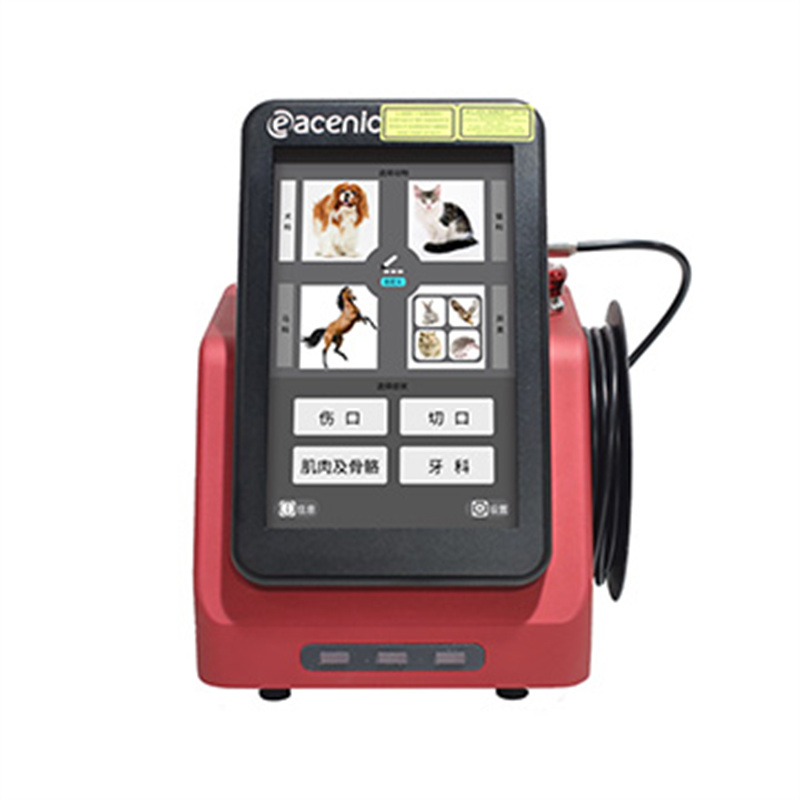
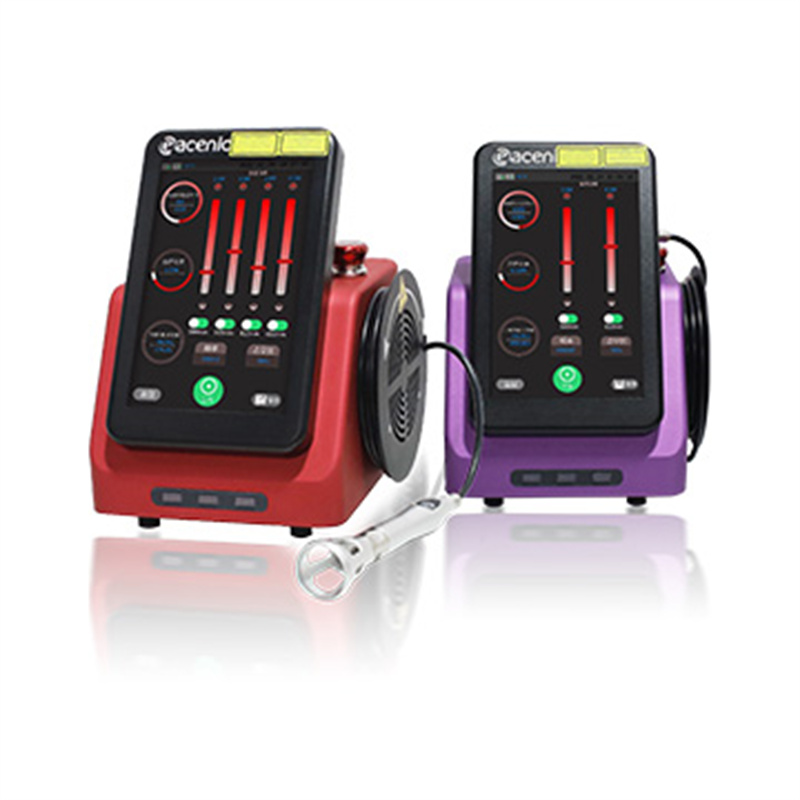
ECI-L430/230 Veterinary Laser Therapeutic Apparatus | 2 & 4 Wavelength | 30W | China Suppliers & Factory
Description
Laser therapeutic apparatus is a kind of advanced technology therapy equipment. It presets a variety of therapeutic procedures to relieve pain in animals and achieve therapeutic goals. Veterinary laser therapeutic apparatus is limited to health care workers and related professionals, and its use requires appropriate clinical and technical training.
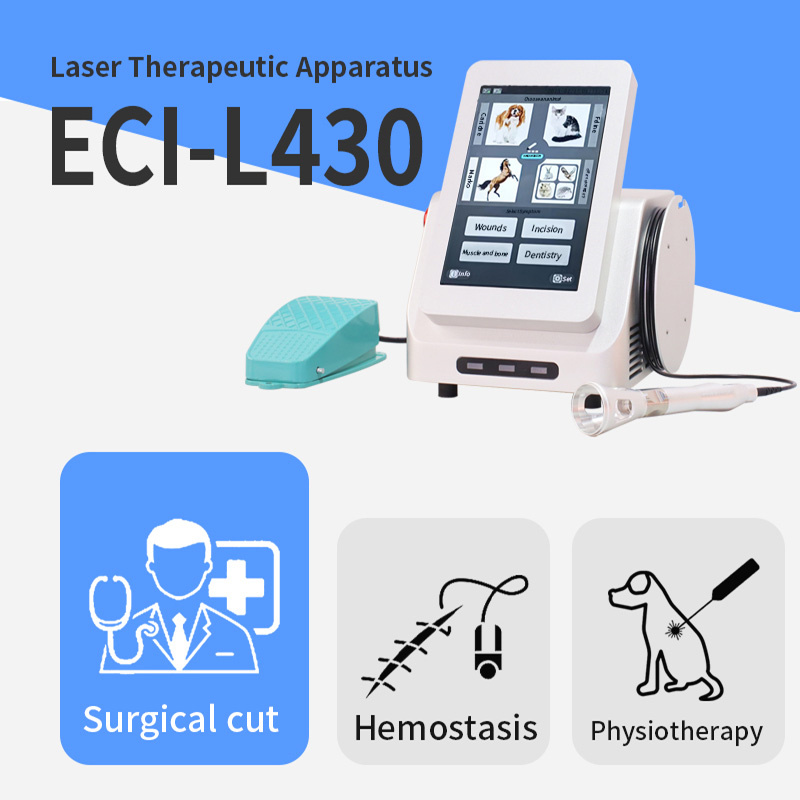
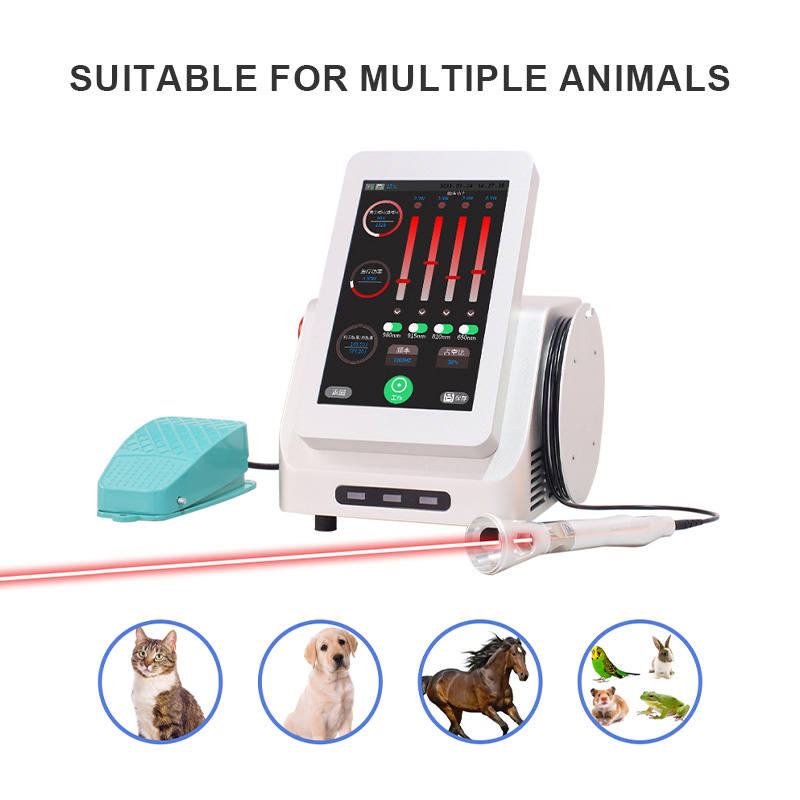
This product is suitable for laser surgery and physiotherapy for cats, dogs, horses and other livestock, helping to relieve pain, reduce inflammation and promote wound healing.
Parameter
| Type | ECI-L430 | ECI-L230 |
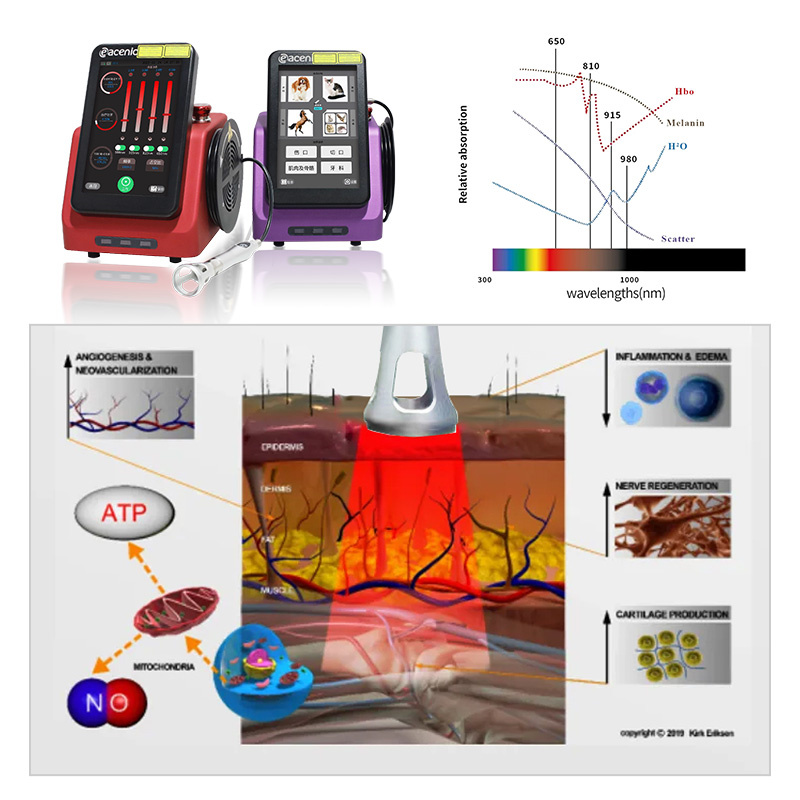
| Wavelength | 650nm, 810nm, 915nm, 980nm | 810nm, 980nm |
| Power | 10W+10W+9W+0.3W | 15W+15W |
| Frequency | 1~2000Hz | |
| Indicator light | 650nm red laser, power≤5mW | |
| Screen | 10.5-inch | |
| Safety device | Safety interlock, goggles | |
| Operating temp. | 10~40℃ | |
| Fiber diameter | 400hm | |
| Data storage | 1999 | |
| Operation | handle switch, foot switch | |
| Power error | ±10% | |
| Power source | DC 24V, 6A | |
| Size | 213*260*200mm | |
| N.W. | 4700g | |
Main Features
Low Bleeding
Laser surgery can stop bleeding while cutting. It creates a uniform, well-bonded dry coagulation zone on the cut surface, making it suitable for use on vascularized tissues or organs, such as in the treatment of stomatitis pets.
Avoiding Infection
The laser has the effect of directly killing bacteria, so the rate of postoperative infection is significantly reduced, and the effect of surgical cutting on infected wounds is also good.
Less Painful
This is because the nerves in the area of the laser cut are thermally coagulated, which reduces the pain in the affected pet. At the same time, the laser is used to perform the procedure without the slightest mechanical impact, so laser cutting is less painful or even painless.
Subtle Scarring
Laser resection surgery is less invasive compared to other surgical procedures. Some of the minor wounds do not require stitches due to its coagulation while cutting.
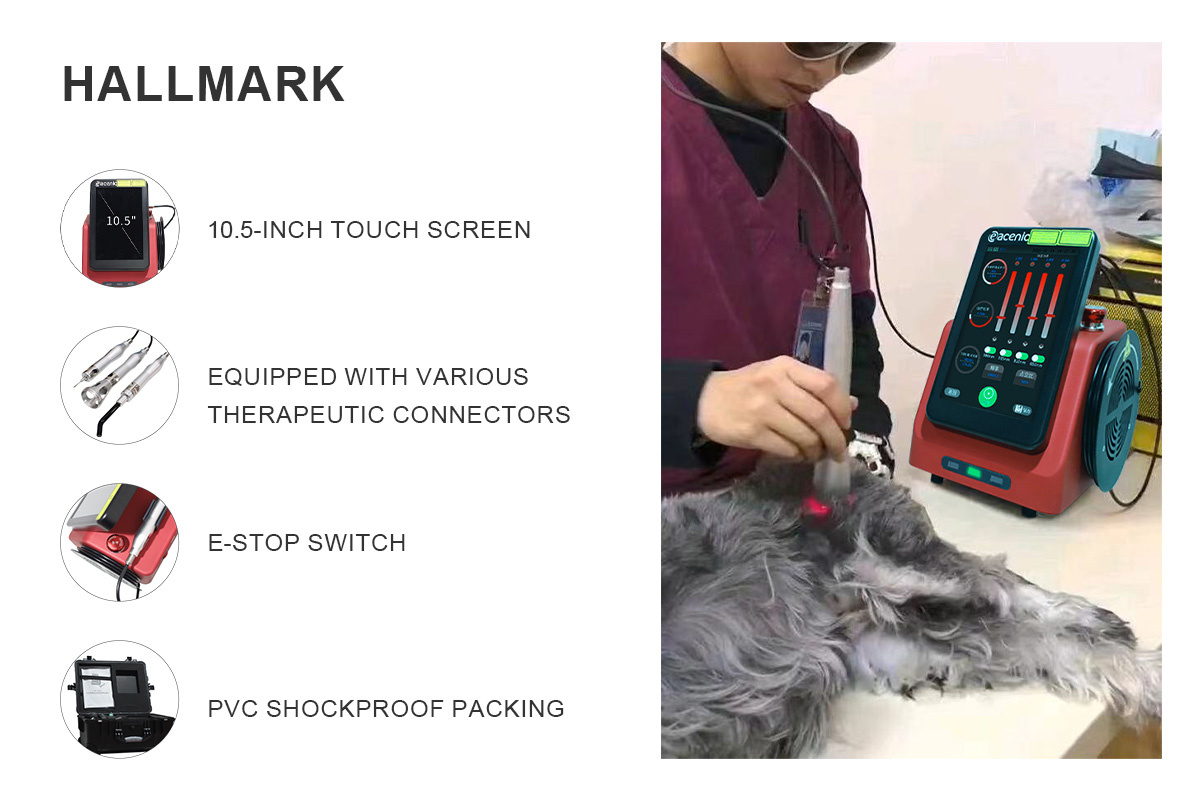
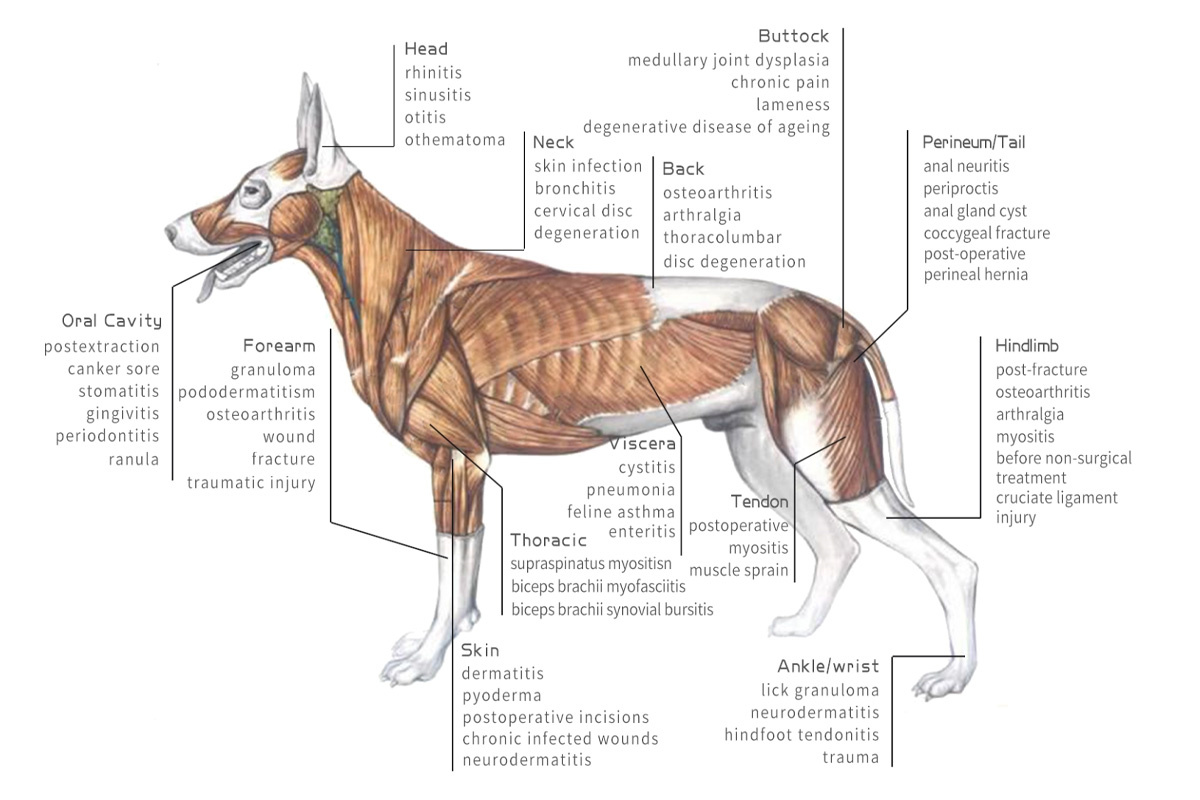
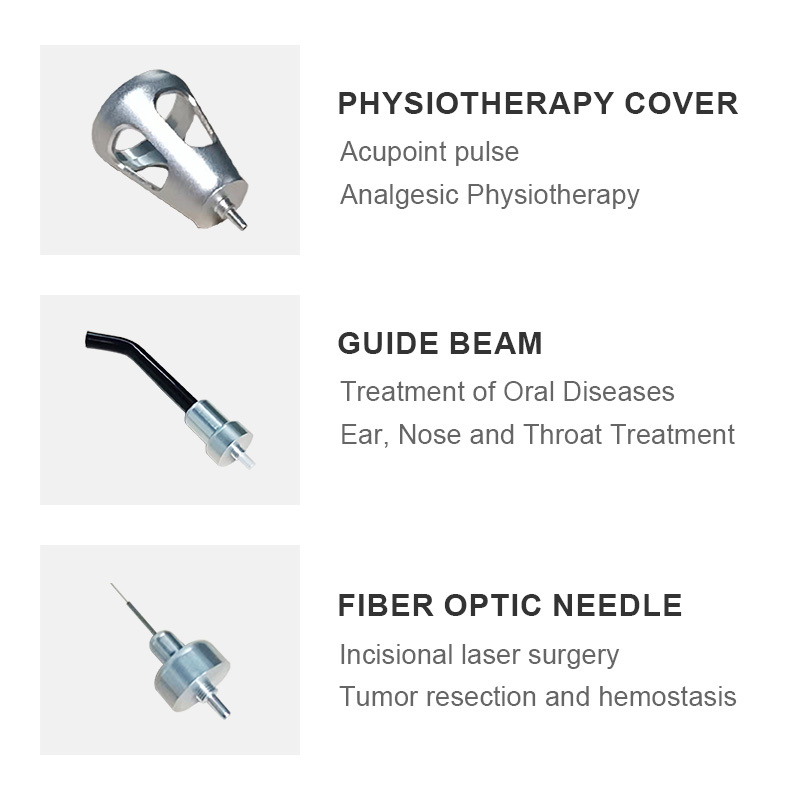
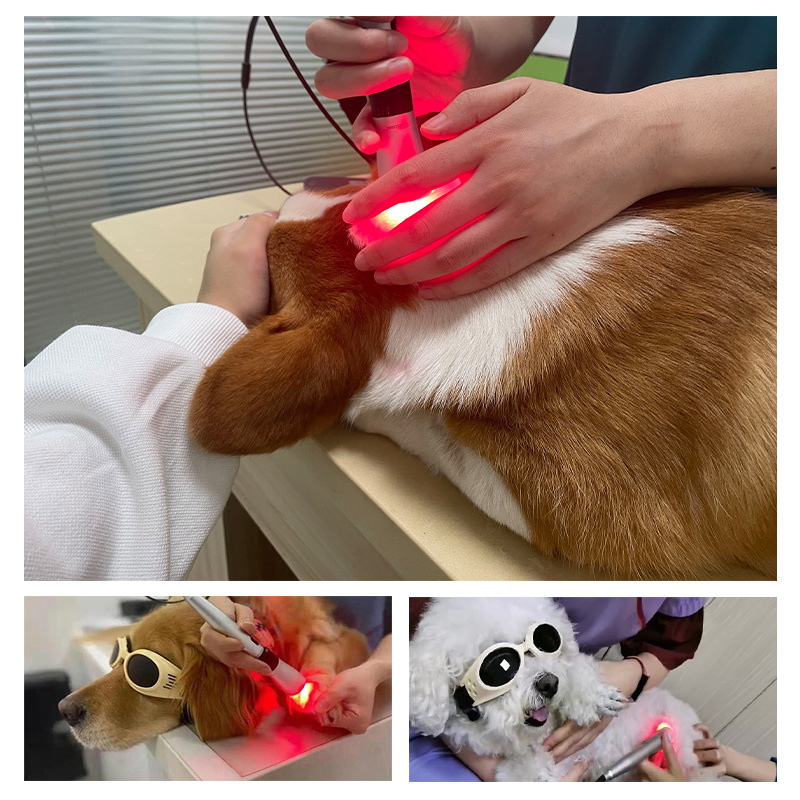
Product packaging
| S/N | Name | Quantity | Applications |
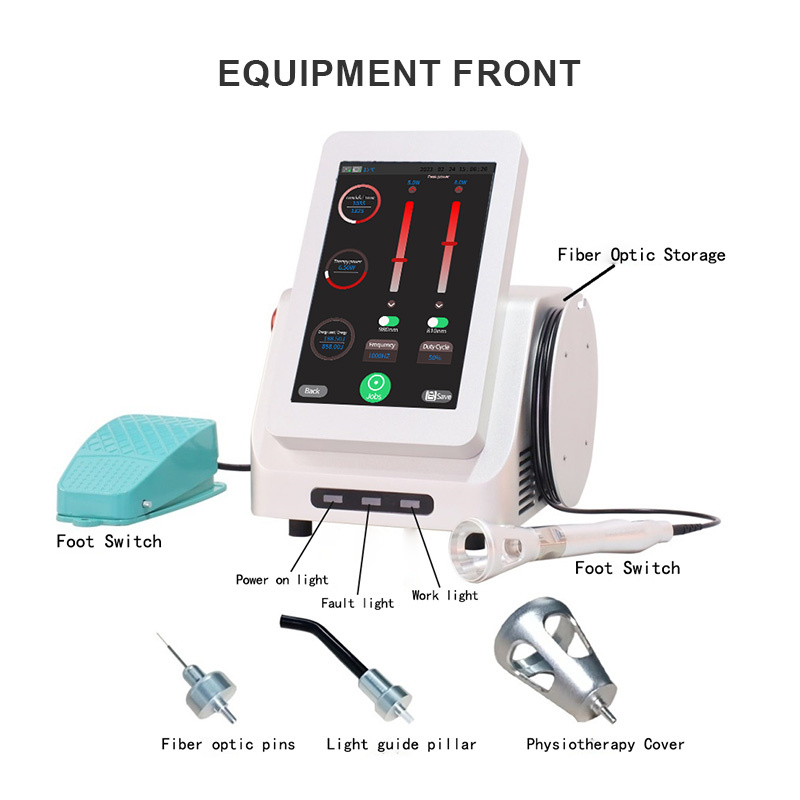
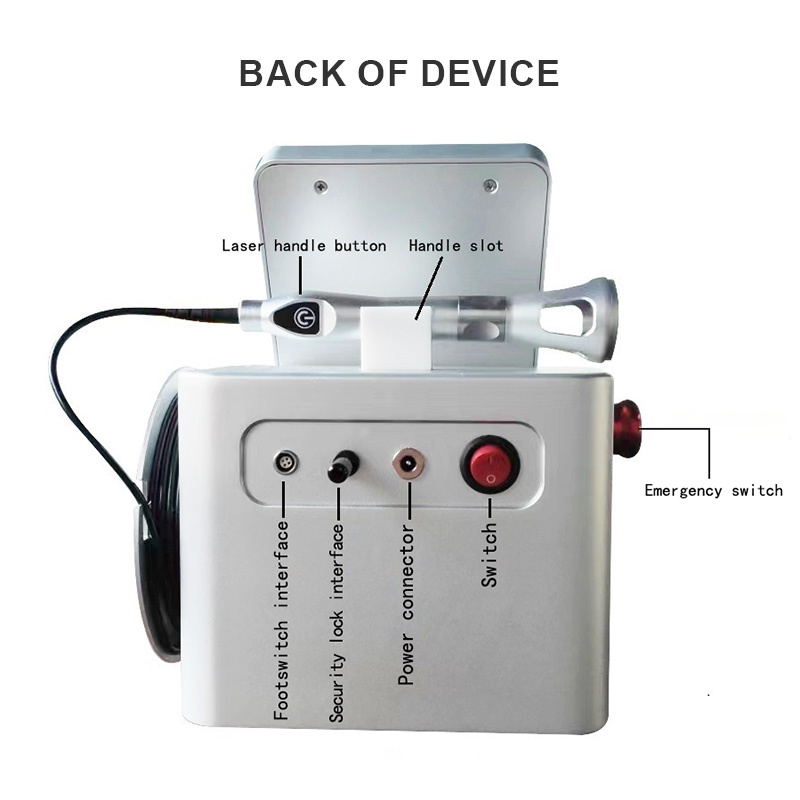
| 1 | Mainframe | 1 unit | Main components of the equipment, including the laser, laser power supply system, microcomputer control system and radiation protection device, heat sink. |
| 2 | Safety interlock connectors | 1pc | Connector to connect the external controller to the other components of the isolated laser product. |
| 3 | Foot switch | 1pc | Connected to the main unit to turn the laser emission on or off. |
| 4 | Adapter | 1pc | Conversion of mains voltage to 24V DC |
| 5 | Power cable | 1pc | Connecting the adapter to the host |
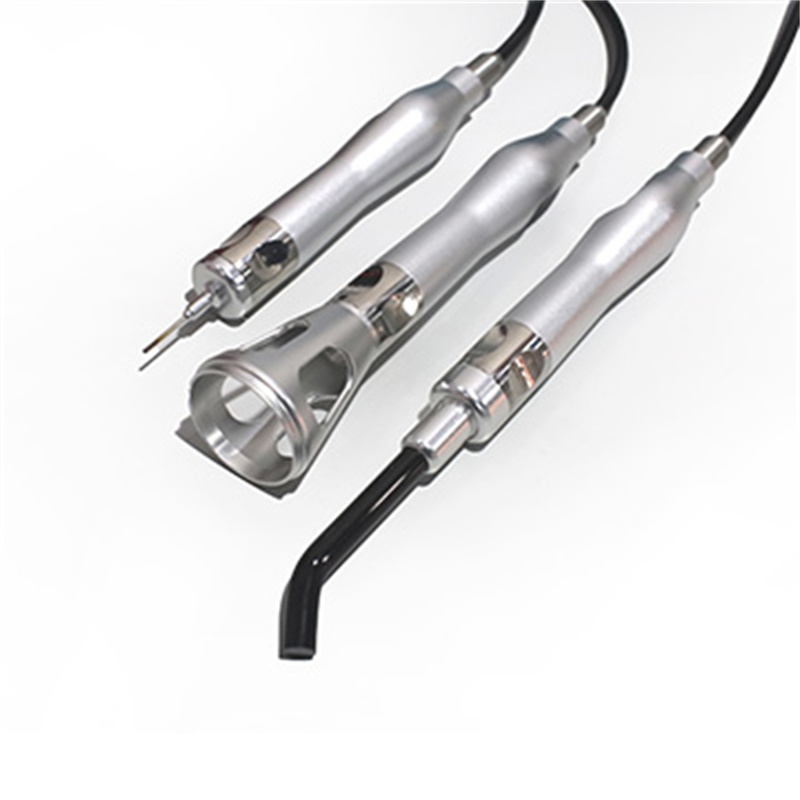
| 6 | Fiber optic needle | 1pc | Transmits laser energy for therapy |
| 7 | Physiotherapy Cover | 1pc | Transmits laser energy for therapy |
| 8 | Light Guide Colmn | 1pc | Transmits laser energy for therapy |
| 9 | Laser protection goggles | 4pcs (2 each for human and animal use) | Protecting your eyes from the dangers of laser radiation |
| 10 | Product brochures | 1pc | Operating instructions document |
| 11 | Certificate of Conformity& Warranty Card | 1set | Certificate of Conformity& Warranty Voucher |
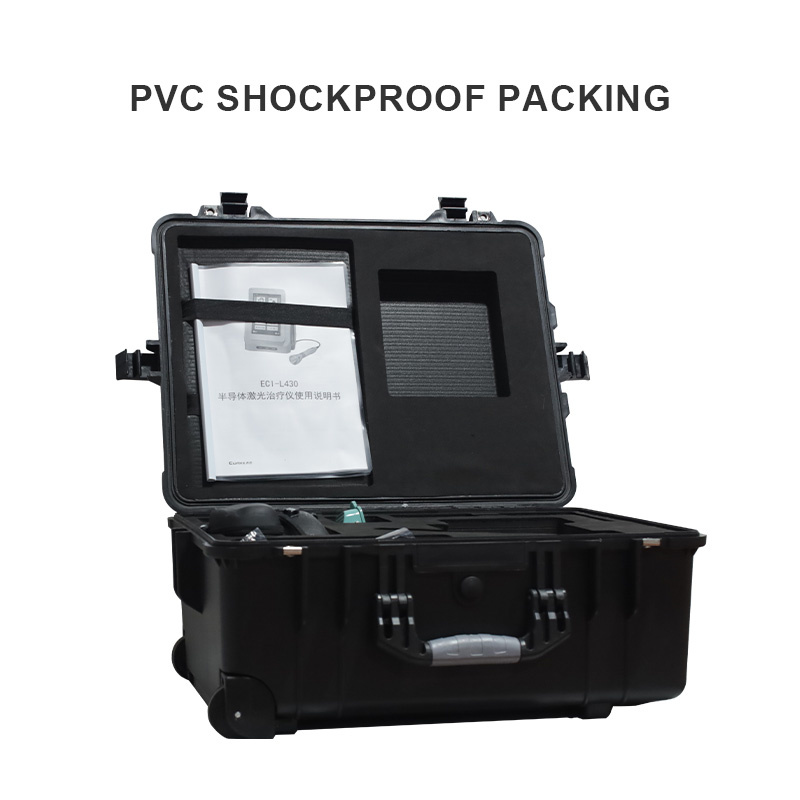
| 12 | Aluminium box | 1pc | Storage of device and all accessories |
Frequently Asked Questions
1. What are the primary applications of the Veterinary Laser Therapeutic Apparatus?
It is designed for laser surgery and physiotherapy in animals. It effectively helps to relieve pain, reduce inflammation, and promote wound healing.
2. Which animals can be treated with this laser equipment?
This apparatus is suitable for treating livestock and pets, including cats, dogs, horses, and other livestock.
3. What is the difference between the ECI-L430 and ECI-L230 models?
The ECI-L430 features four wavelengths (650nm, 810nm, 915nm, 980nm) with a power configuration of 10W+10W+9W+0.3W. The ECI-L230 model features two wavelengths (810nm, 980nm) with a power configuration of 15W+15W.
4. Why is laser surgery less painful and cleaner for animals?
The laser thermally coagulates nerves in the cutting area, eliminating mechanical impact and minimizing pain. It also creates a uniform coagulation zone that stops bleeding instantly while cutting.
5. Does laser therapy reduce the risk of postoperative infection?
Yes. The laser directly kills bacteria at the surgical site during the procedure, which significantly lowers the risk of postoperative infection, even when treating infected wounds.
6. Who is qualified to operate this veterinary laser therapeutic apparatus?
Its use is strictly limited to healthcare workers and related veterinary professionals. Proper clinical and technical training is required before operating the equipment.