
 Bovine
 Equine
 Swine
 Ovine
 Pet

Economic & Diagnostic Core Values in Cattle Herd Management
Modern livestock operations cannot afford extended days open (DO). Adopting high-resolution bovine ultrasound turns biological uncertainty into quantifiable, actionable reproductive metrics.
Early Pregnancy Detection at Day 25–28
Traditional manual rectal palpation requires 35 to 45 days post-insemination. High-frequency transrectal ultrasound reliably identifies anechoic embryonic fluid and detects viable embryonic heartbeats as early as Day 26, slashing non-productive cow maintenance costs.
Ovarian Dynamics & Corpus Luteum (CL)
Accurate classification of follicular waves, persistent follicular cysts, and precise vascularization mapping of the corpus luteum allow precise synchronization timing (Ovsynch/Co-Synch) and superior conception rates.
Fetal Sexing & Pathological Clearing
Determine fetal sex between Day 55 and Day 80 by locating the relative position of the genital tubercle. Simultaneously screen for uterine pathologies including subclinical endometritis, pyometra, and mummified fetuses before re-insemination.
Rectal Probe Parameters & Technical Specifications
Transrectal transducers endure severe environmental demands in cattle chutes. Understand the critical metrics between linear rectal probes, convex transabdominal probes, and specialized ovum pick-up (OPU) units.
| Transducer Type | Frequency Range | Primary Clinical Application | Scan Depth & Field | Durability Grade |
|---|---|---|---|---|
| Linear Rectal Probe | 5.0 MHz – 8.5 MHz Multi-freq | Early pregnancy (Day 25–60), ovarian structure mapping, CL morphology | Depth: 40–120 mm / Straight broad field | IP67 Waterproof, reinforced cable flex relief |
| Convex Rectal Probe | 3.5 MHz – 5.0 MHz Multi-freq | Deep fetal examination (Day 70+), late gestations, deep pelvic scanning | Depth: 80–220 mm / 60° Sector angle | IP67 Sealed, impact-resistant casing |
| OPU Transvaginal Probe | 5.0 MHz – 7.5 MHz Microconvex | Ovum Pick-Up, follicular aspiration for IVF/ET, embryonic bio-tech | Depth: 30–80 mm / Tight needle guide alignment | Medical-grade sterilizable, reinforced needle channel |
| Curved Sector Transabdominal | 2.5 MHz – 3.5 MHz Low-freq | Late gestation abdominal wall check, beef cattle carcass IMF/backfat | Depth: 150–300 mm / Wide dynamic range | Heavy-duty ruggedized field construction |
Featured Veterinary Imaging & Reproduction Equipment
Fully certified B2B livestock equipment designed for modern artificial insemination stations, large dairy hubs, and veterinary ambulatory clinics.
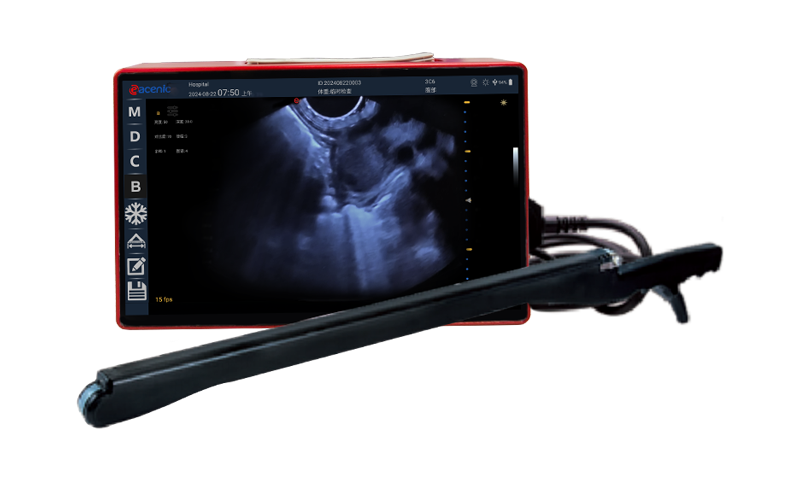
Animal Ultrasound Diagnosis & Ovum Pick-up
Excellent images to provide assistance in the livestock breeding process. Engineered for superior ovarian visualization and stable follicular aspiration protocols.
Read More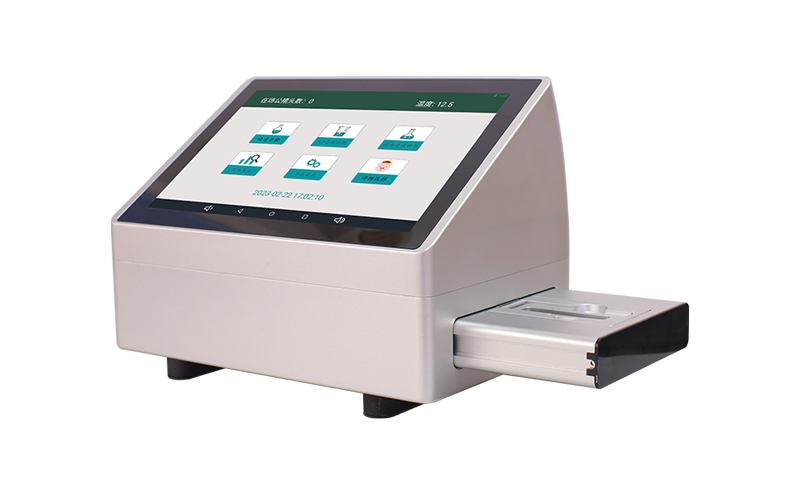
Animal Semen Quality Analysis
Accurate data provides the basis for dispensing volumes and quantities. Fully automated CASA-assisted motility, concentration, and morphology diagnostics.
Read More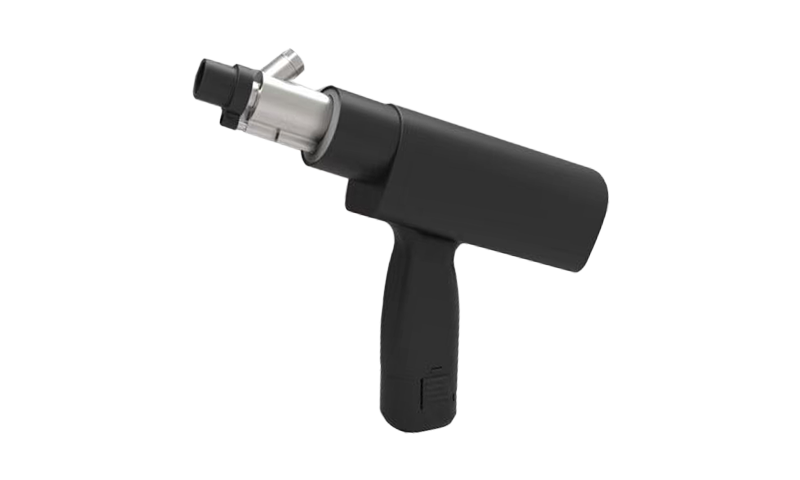
Needle-free Injector
Needle-free injection process avoids risk of cross-infection. High-speed transdermal dispersion optimizing vaccine delivery and herd safety.
Read More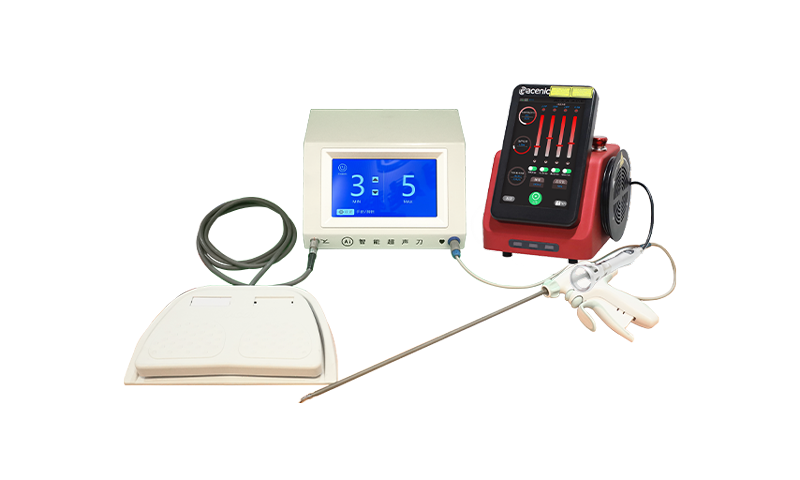
Vet Ultrasonic Scalpel System
Outstanding ultrasonic cutting technology reduces surgical time for pets and agricultural animals. Reliable soft tissue coagulation and minimal thermal spread.
Read MoreStep-by-Step Guide: Bovine Ovarian Scanning & Early Gestation
Standardized field diagnostic protocols designed to maximize scan throughput, maintain arm ergonomics, and achieve 99.8% pregnancy diagnosis precision.
Ovarian Follicle & Luteal Staging Protocol
- 1. Rectal Evacuation: Gently remove fecal matter to ensure direct probe acoustic coupling with the rectal wall.
- 2. Retraction of the Uterus: Stabilize the cervix and trace each uterine horn laterally toward the intercornual ligament.
- 3. Ovary Localization: Grasp the ovary between fingers and sweep the high-frequency linear array (6.5 to 7.5 MHz) along the full cranial-caudal axis.
- 4. Follicular Assessment: Identify dominant follicles (anechoic, spherical, 10–20 mm) versus luteinized or follicular cysts (>25 mm).
- 5. Corpus Luteum Verification: Differentiate compact functional CL from cavitary CL to determine PGF2α treatment responsiveness.
Early Pregnancy Diagnosis (Day 26–35)
- 1. Ventral Horn Sweeping: Place the probe face directly on the ventral floor of both uterine horns, focusing ipsilateral to the CL.
- 2. Fluid Pocket Identification: Detect non-echogenic embryonic vesicle fluid accumulated within the uterine lumen.
- 3. Embryo Proper Visualization: Locate the hyperechoic embryo structure suspended within the embryonic vesicle.
- 4. Viability Confirmation: Verify heart flicker motion using real-time B-mode or specialized color flow Doppler indicators.
- 5. Amniotic Membrane Evaluation: Confirm membrane integrity to rule out imminent embryonic resorption.
Commercial Dairy Herd Case Study: 3,200 Head Facility
How transition from palpation to specialized digital bovine ultrasound shortened average days open by 19.4 days across intensive breeding cycles.
Challenge
A commercial dairy herd in North America struggled with delayed pregnancy confirmation at 42 days post-AI, resulting in an extended calving interval of 418 days and escalating feed expenses on barren cows.
Implementation
Deployed high-frequency linear rectal probes paired with head-mounted binocular OLED goggle displays. Scheduled routine scans at Day 28 post-AI with direct resynchronization on non-pregnant animals.
Measured Results
Pregnancy diagnosis window reduced to Day 28. Heat detection accuracy improved by 23%. Reduced annual replacement heifer cost by $68,000 via early embryonic loss mitigation.
Guardian of Life on Earth – Partner with Us
Founded in 2009, ECI is a trusted supplier of veterinary ultrasound machine, holding 40% of China's market share. Main products include veterinary ultrasound machine, animal semen analysis, veterinary ovulation detector, needle-free injector and so on.
Since expanding globally in 2019, we have established distribution partners in Canada, Turkey, the USA, Mexico, Belgium, and beyond. Join us as we work together to improve animal health and promote livestock development worldwide.
17+
Industry Experience
Frequently Asked Questions for Veterinary Buyers
Key procurement considerations regarding warranty, environmental durability, probe maintenance, and veterinary software compatibility.