
 Bovine
 Equine
 Swine
 Ovine
 Pet



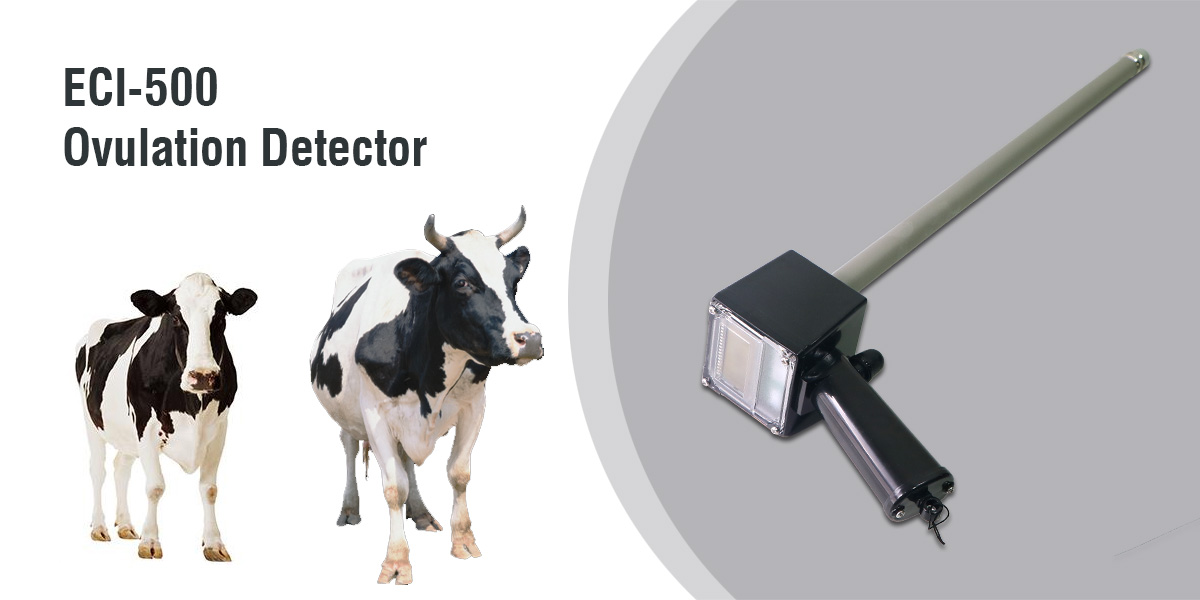


ECI-500 Electronic Estrous Detector: Frequently Asked Questions
ECI-500 Electronic Estrous Detector: Frequently Asked Questions
If you run a commercial livestock farm or offer on-farm Artificial Insemination services, missing silent heat or picking the wrong breeding window hits your bottom line hard. You’ll burn through costly premium semen, stretch out open days on cows, sows and ewes, and lose thousands in lost calf/piglet output each season.
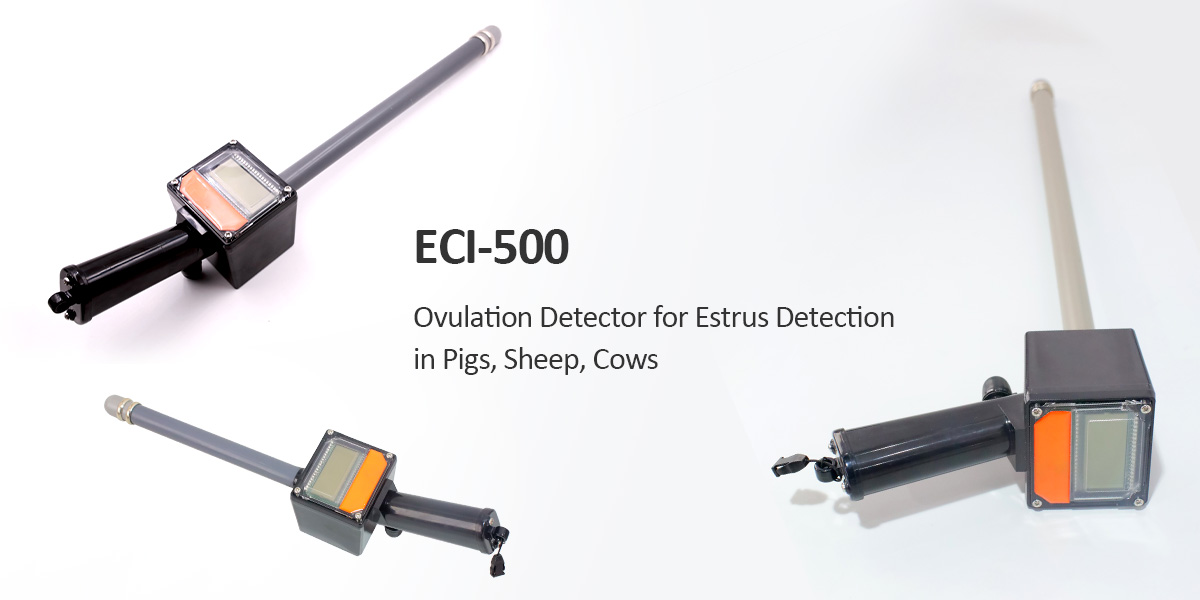
Our ECI-500 electronic Estrus Detector relies on proven vaginal mucus resistance testing to cut out guesswork from herd breeding schedules. Below we’ve compiled the most frequent questions we get from farm operators, field AI technicians and livestock supply dealers worldwide.
For Farm Owners & On-Site Breeding Staff
Q1: How reliable is the ECI-500 Electronic Estrous Detector, and can ECI-500 Electronic Estrous Detector pick up silent heat I’d miss by eye?
This is the first question nearly every farm asks us — and it’s where this tool delivers its biggest value.
The device reads electrical resistance in vaginal mucus, which shifts directly alongside ovarian hormone levels in breeding females. Reproductive vets have used this physiological method for decades, and you’ll hit roughly 90% accurate readings when you follow standard measurement steps.
Silent heat is a huge headache for high-yield dairy cows and intensively raised sows; 30 to 40% of these animals show zero visible heat signs. Relying only on visual observation means most of these cycles slip past your team entirely.
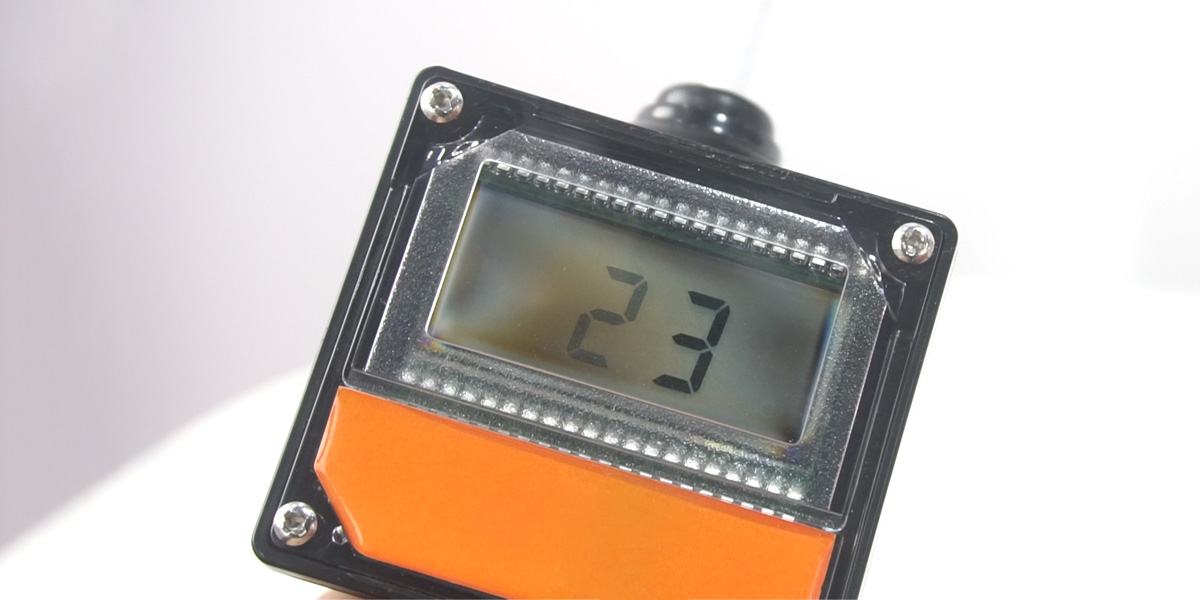
Specs to note: ECI-500 Electronic Estrous Detector reads values from 0 to 1990 units with ±1% measurement accuracy, giving you hard numerical data instead of subjective guesswork from staff.
Q2: How do I interpret the numbers, and when do I schedule AI for highest conception rates?
We designed the readout logic to be straightforward so your crew can act fast without extra training.
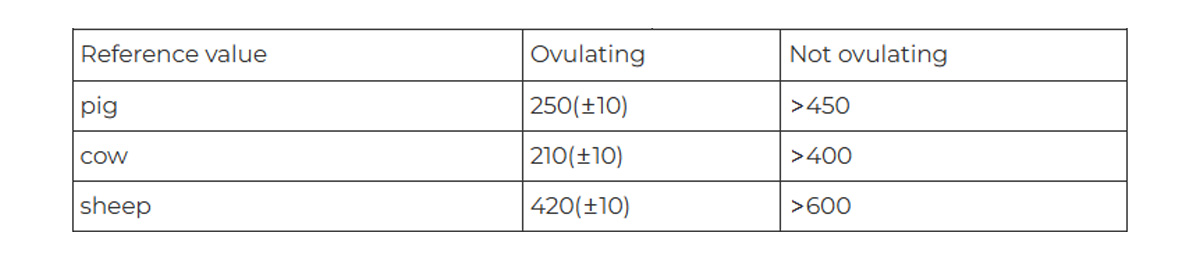
When females are not cycling, resistance sits high: above 400 units for cows, over 450 for sows, and higher than 600 for ewes.
As heat ramps up, the resistance value steadily drops, hitting its lowest point at peak hormone activity: around 210±10 for cattle, 250±10 for pigs, and 420±10 for sheep.
Your best breeding window opens the second the lowest value starts climbing back up. This spike signals ovulation will happen within 12 hours, the stretch where conception odds peak.
Keep in mind baseline numbers shift slightly between individual animals. We recommend checking each female once or twice daily during their expected cycle to catch the low point and rebound trend.
One extra practical use: consistent low readings over multiple days often signal vaginal inflammation, letting you spot reproductive health issues early. After successful breeding, mucus resistance stays elevated through gestation, giving you a rough early indicator that conception took place.
Q3: Is the unit complicated to use? Can regular farm hands run tests without vet training?
Labor shortages plague livestock operations globally, so we built this detector for untrained barn staff, no veterinary certification required. Most workers pick up the full measurement routine in under ten minutes.
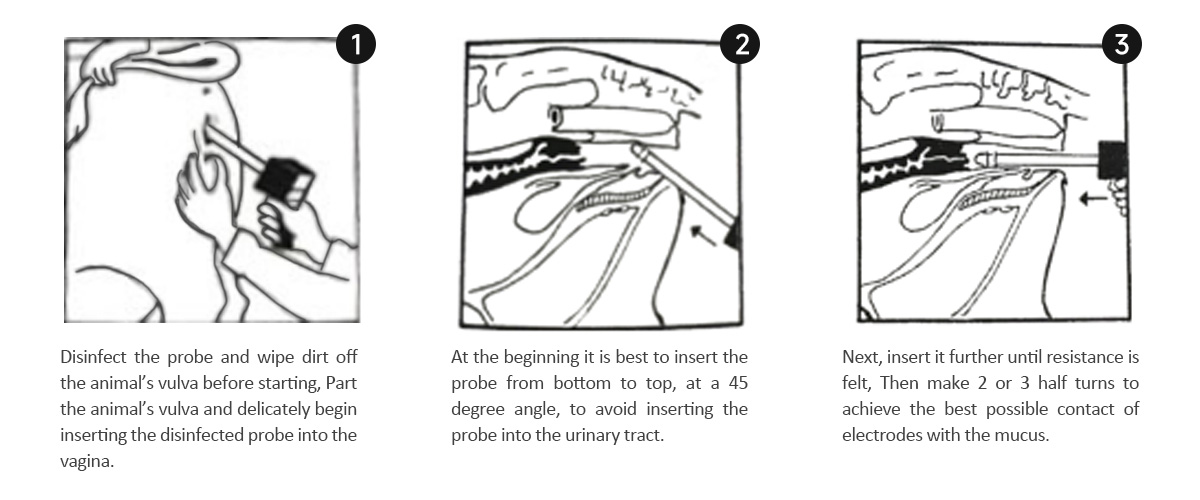
Simple four-step testing workflow:
Disinfect the probe and wipe dirt off the animal’s vulva before starting
Insert the probe upward at a 45-degree angle to avoid entering the urethra; stop once you feel gentle resistance (the tip reaches the cervical canal)
Twist the probe two to three half-turns to get full electrode contact with mucus, then tap the power button three times to complete a three-point measurement cycle
Check the final reading on the 3.5-inch LCD screen
Each animal takes just 10 to 15 seconds to test, making it efficient even when screening large herds each morning.
Q4: Which livestock can this detector test? Do I need separate probes for different species?
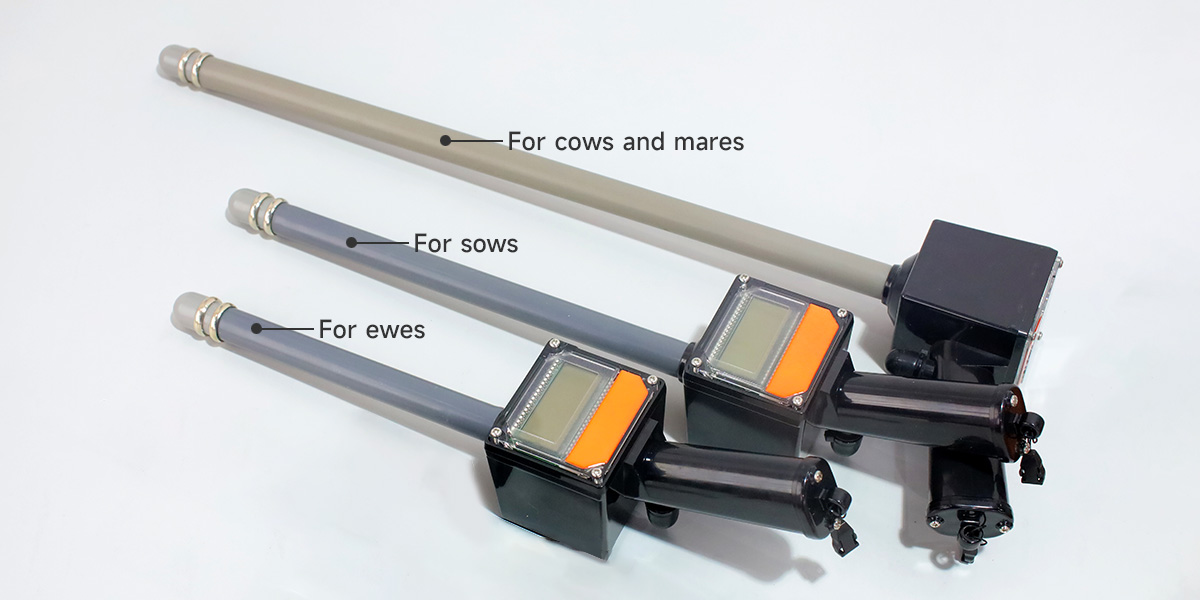
Mixed farms and mobile AI contractors prioritize multi-species compatibility, so the ECI-500 line comes with species-specific probe lengths tailored to each animal’s reproductive tract for consistent readings:
Cattle & horse model: 42.5cm probe
Sow model: 30cm probe
Ewe & goat model: 20cm probe
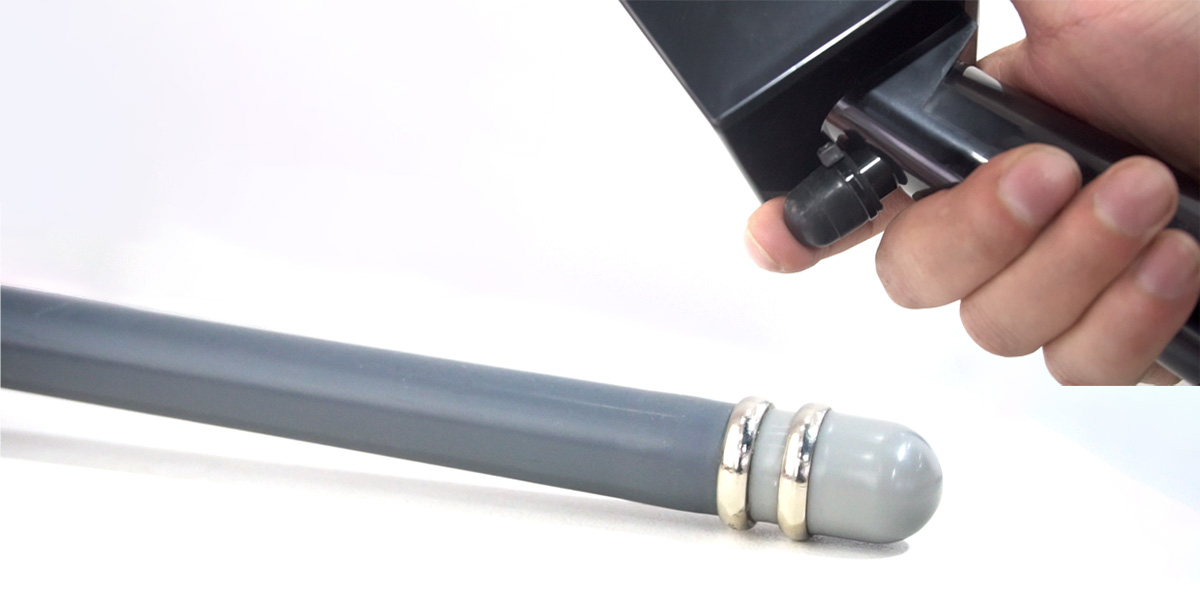
Probes are molded from smooth medical-grade silicone that won’t irritate vaginal tissue, keeping animal stress minimal during testing. Many small canine breeders also use this unit to track heat cycles in breeding dogs.
Q5: Will it stand up to messy barn conditions? What’s the proper disinfection routine?
Barn environments are tough — constant moisture, manure dust and frequent washing wear down cheap electronics fast.
The main housing uses impact-resistant ABS plastic to handle bumps and daily rough handling, with an IPX6 waterproof rating so you can rinse the whole unit under running water for quick cleanup.
ECI-500 Electronic Estrous operates reliably between 0°C and 50°C, working equally well inside heated winter barns or open-air summer grazing sites.
- Wipe all mucus, hair and debris from the probe with paper towels after every single use
- Rinse the probe thoroughly with clean water, then soak it in 0.5–1% sanitizer solution for at least 30 seconds
If you manage a livestock operation and want to cut open days while boosting conception rates, or you’re a veterinary equipment dealer searching for a trusted factory supplier, reach out to our team now. Join us?