
 Bovine
 Equine
 Swine
 Ovine
 Pet






How Many Types of Probes Are Used in Vet Ultrasound Scanner?
When using a veterinary ultrasound machine, we often need to choose the appropriate ultrasound probes. The probe is like the eyes of the Veterinary Ultrasound Machine, helping us see the internal conditions of the animal clearly. In veterinary ultrasound machines, there are mainly four types of probes used: rectal probes, linear probe, convex probe and microconvex probe. Next, we will explore the mysteries of different ultrasound probes and understand their applications.
Ultrasound frequency is usually measured in megahertz (MHz), and the level of frequency mainly affects the depth of penetration and the clarity of the image. The higher the frequency, the lower the penetration, the better the resolution, the clearer the image, and the more minute structures can be distinguished. The lower the frequency, the stronger the penetration, the worse the resolution, and the deeper organs can be seen. Therefore, ultrasound probe of different frequencies are usually designed for different uses to meet various inspection requirements.
Rectal Ultrasound Probe
Features: The appearance of the rectal probe is usually slender and elongated, with a rod-like structure and a curved, smooth arc at the top.
It has a relatively high frequency, usually between 5.5 and 7.5MHz, and can provide high-resolution images, but it has poor penetration and shallow depth. It is specifically designed for internal examination through the rectum of animals.
Compatible animals: Mainly suitable for large animals, such as cattle and horses, etc. It is mostly used for pregnancy diagnosis and ovarian examination.
Linear Probe
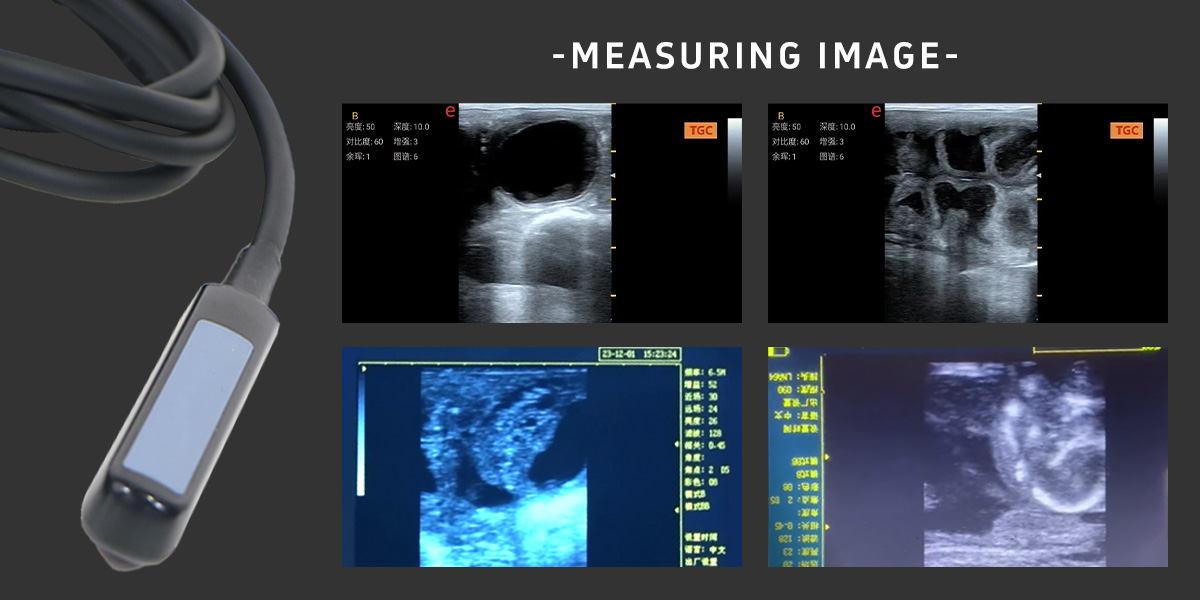
Features: The contact surface of the linear probe is completely flat, resembling a rectangle, and the internal chips are arranged in a straight line. Its sound waves propagate linearly with a relatively high frequency, usually ranging from 6.5 to 10MHz. The image resolution is high but the penetration is low, making it suitable for superficial tissues.
Compatible animals: Mainly suitable for small and medium-sized animals, such as cats and dogs, etc.
Convex Probe
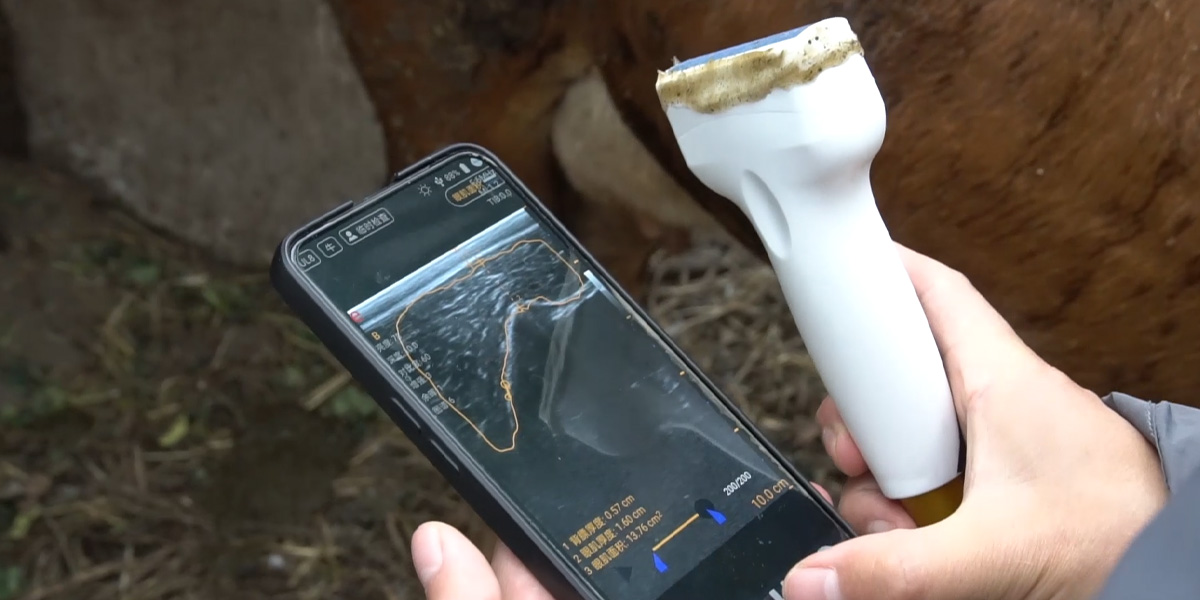
Feature: The surface of the Probe Convex is in a distinct convex arc shape, and the sound waves are emitted in a fan shape. Its frequency is medium, usually ranging from 2 to 5MHz. It has a good penetration depth and image clarity, and can cover a wide area. It is mostly used for scanning deep organs, such as the heart, abdomen, chest cavity, etc.
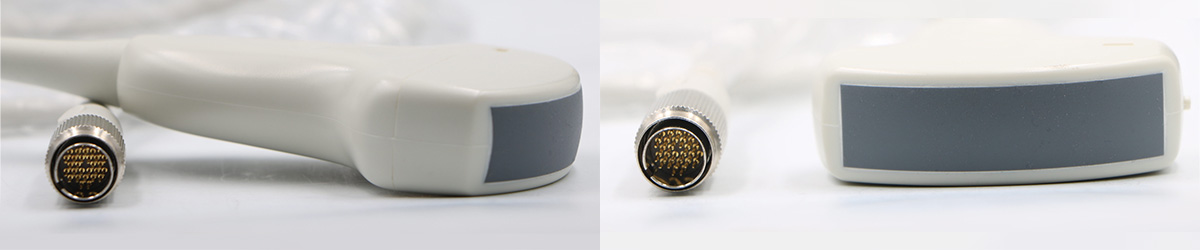
Compatible animals: It is suitable for many animal sizes, but is mostly used for pigs, sheep, dogs, etc. It is often used for pregnancy testing, etc.
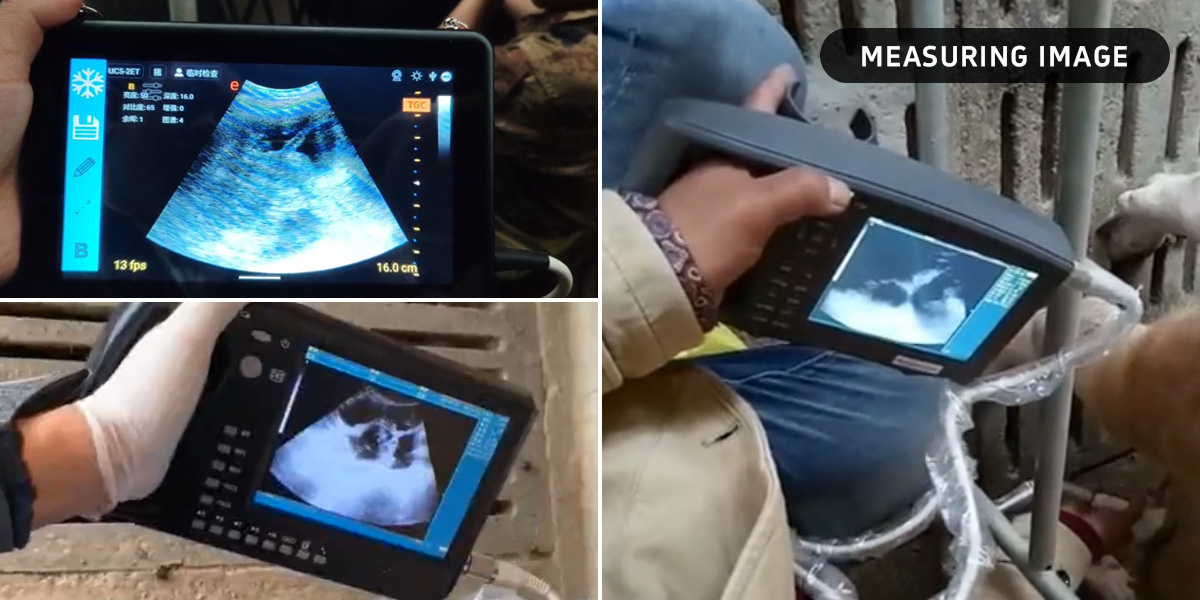
Microconvex Probe
Features: The microconvex probe is a miniaturized version of the probe convex. Its surface is also in a convex arc shape, but the surface curvature is smaller and more gentle. It has a relatively high frequency, usually ranging from 3 to 8MHz, balancing the resolution of the image and the penetrating power of sound waves, making it quite suitable for the detection of narrow areas.
Compatible animals: Mainly suitable for small and medium-sized animals, such as dogs, cats, rabbits, etc., and is often used to detect hearts and kidneys.
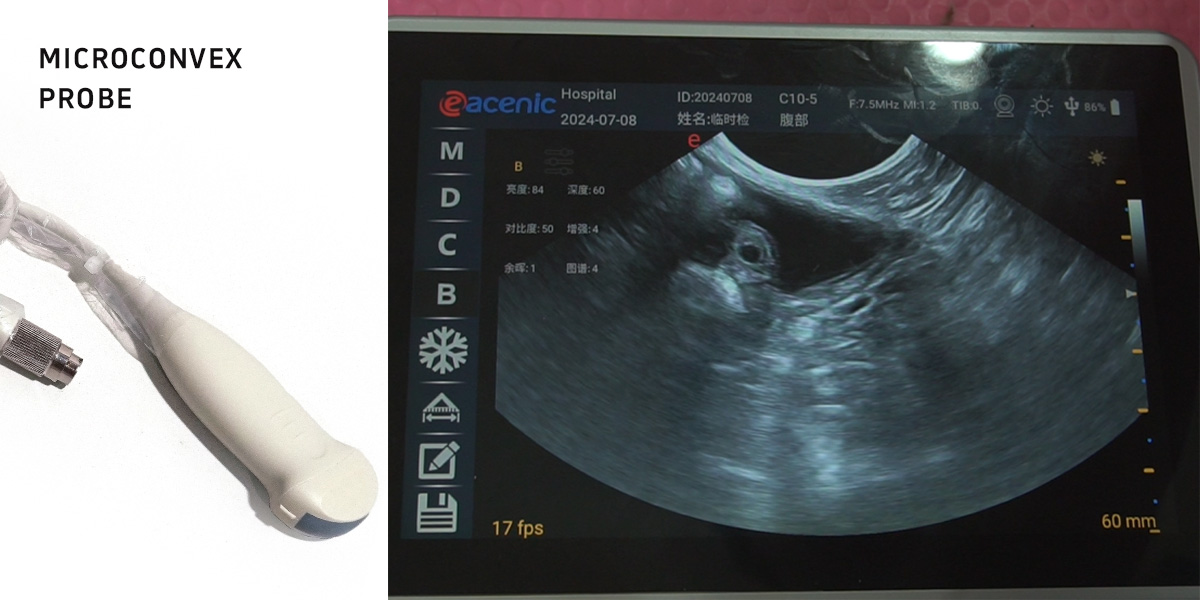
There are various types of probes for veterinary ultrasound machine, and each probe has different uses. Choosing the right probe can help us observe the internal organs of animals more clearly, thereby enabling better diagnosis. When using a veterinary ultrasound machine, we should select the most suitable probe based on the animal being tested and our own needs.