
 Bovine
 Equine
 Swine
 Ovine
 Pet




How to Improve Cow Reproductive Efficiency: Build an Effective Breeding Workflow with Estrus Detector, Visual Insemination Gun, Ultrasound and Sperm Analyzer?
How to Improve Cow Reproductive Efficiency: Build an Effective Breeding Workflow with Estrus Detector, Visual Insemination Gun, Ultrasound and Sperm Analyzer?
At the end of the day, profitability in cattle farming comes down to a lot of things—but few matter more than reproductive efficiency. When conception rates are up and down, or not hitting the numbers you expect, the cause is usually pretty straightforward: small management errors that keep repeating throughout the breeding season.
Most of those errors happen in a few key areas: heat detection, Artificial Insemination, semen quality control, and early pregnancy checking. Fix those, and you’ve already gone a long way toward making your breeding program more consistent.
A1: These six on-farm issues are the usual culprits:
- 1 Sloppy artificial insemination work If you skip proper cleaning before AI, germs get into the reproductive tract and trigger uterine infection. The bigger headache is spotting heat correctly. If you only watch the cow’s behaviour, it’s really hard to tell silent heat from false heat. More often than not, you end up breeding too early or too late. The best time to breed is when the follicle grows to 1.5–2.0 cm. Its wall will be thin and stretched, ready for ovulation.
- 2 Waiting too long to check for pregnancy, or guessing wrong Many producers wait until the cow’s belly looks big to confirm she’s in calf. This method is slow. By the time you see those signs, you’ve already lost precious time to rebreed open cows. The standard recommendation is to run early pregnancy checks between 20 and 30 days after insemination.
- 3 Guessing calving dates wrong and misjudging when to help at calving Different breeds carry calves for different lengths of time. Don’t rely only on swollen vulva or discharge to tell when calving is near — those signs can also mean abortion.
- 4 Helping with calving when you shouldn’t Pulling the calf too soon interrupts natural calving. This greatly increases the chance of retained placenta and womb infection after calving. Only step in once you confirm the calf is in the wrong position.
- 5 Poor care for newborn calves If you don’t clean and seal the navel properly, calves easily pick up infections. If you don’t dry them off quickly, they get cold and stressed.
- 6 Forgetting to look after the cow after calving It’s easy for your team to focus all attention on the new calf. If the cow doesn’t get the care she needs, she takes longer to cycle again, which delays her next breeding.
Out of all these issues, getting the heat timing wrong, poor semen quality checks and placing semen poorly during AI are the three main reasons conception rates stay low.
A2: The good news is you can tackle these bottlenecks one by one with a matched set of field-tested tools, and put together a repeatable breeding routine.
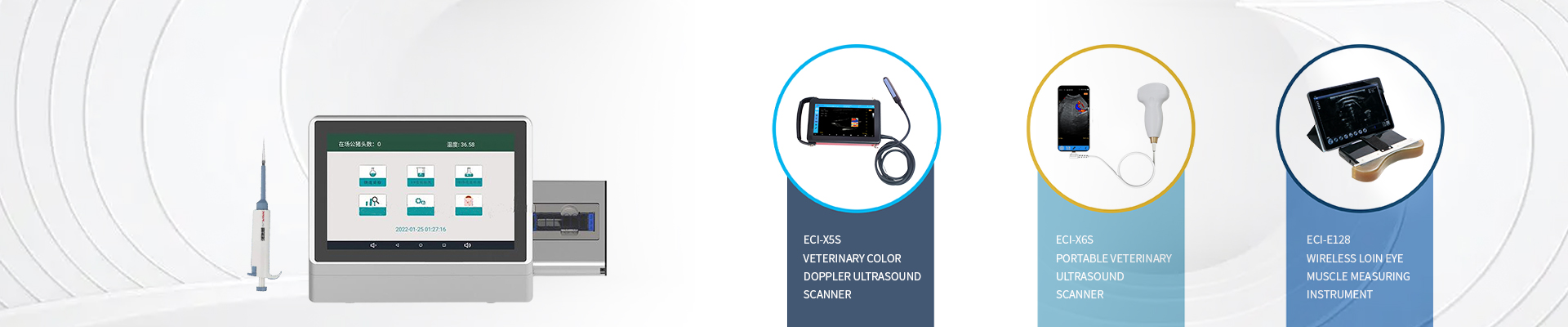
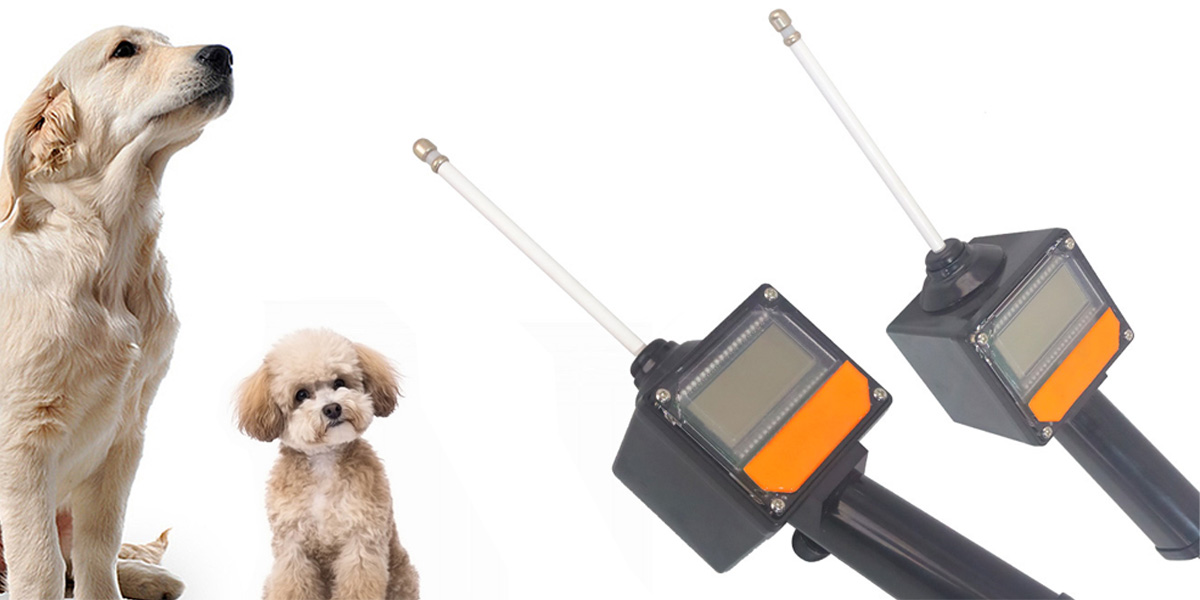
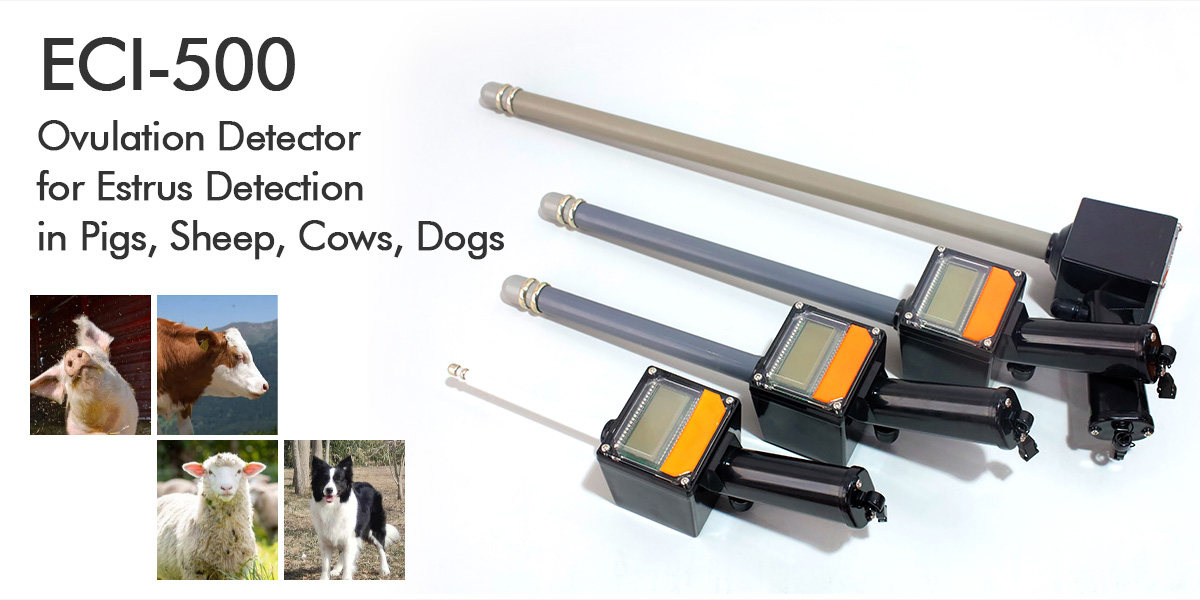
Start with the ECI‑500 estrus detector. It gives you clear physiological readings, so you don’t have to depend only on what you observe visually. It helps lock in the real fertile window and cut down mistakes caused by silent or false heat.
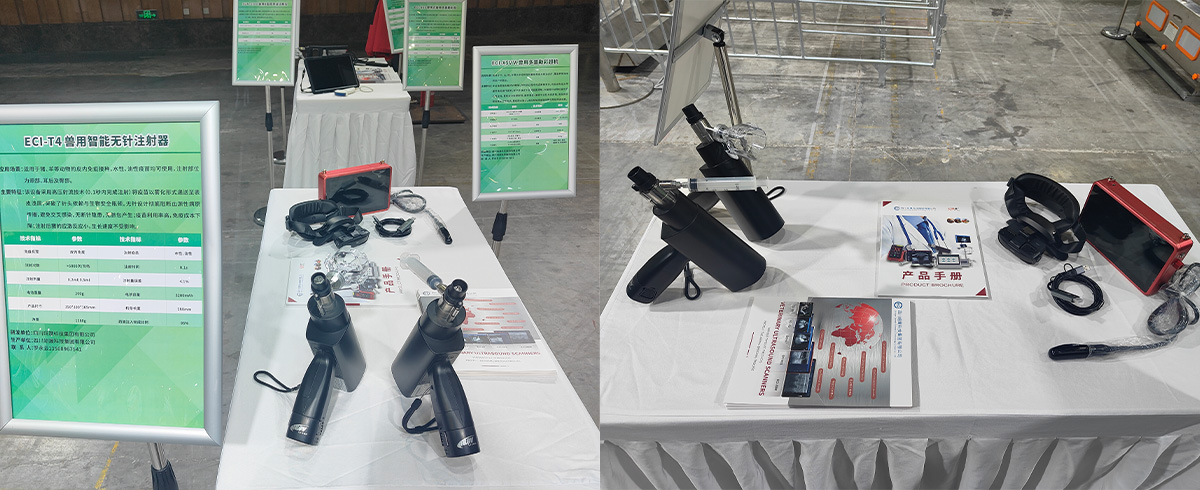
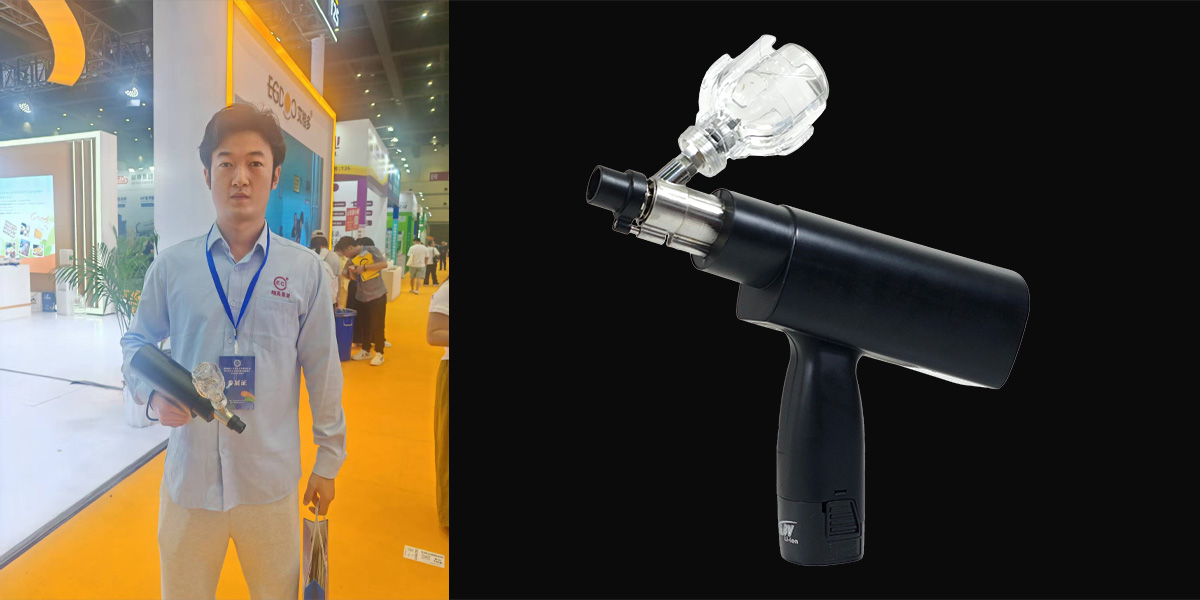
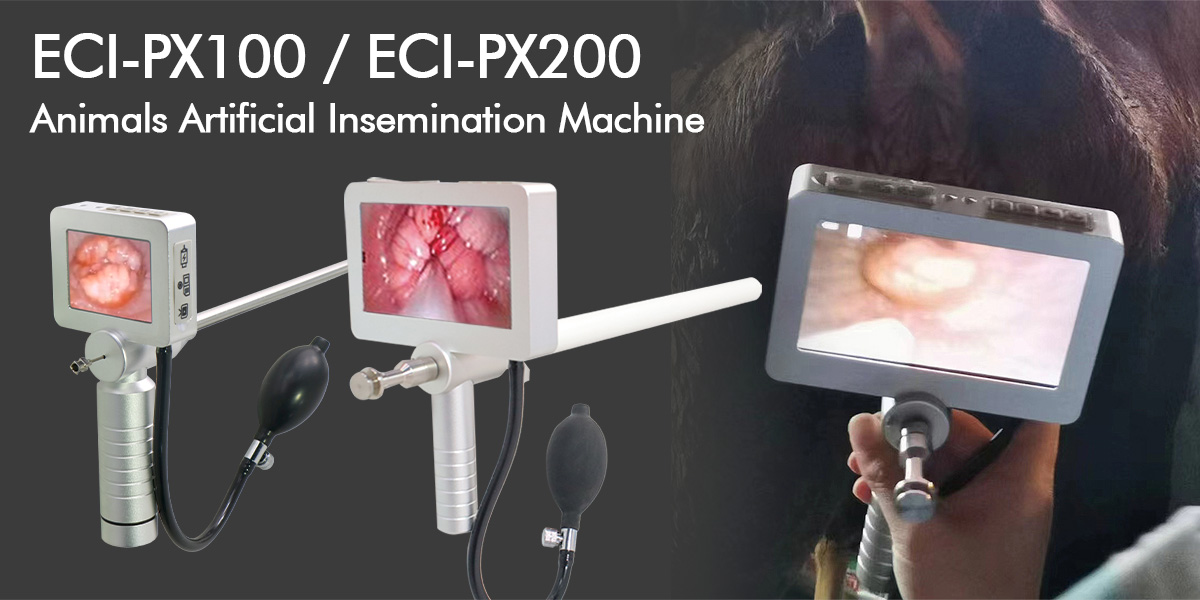
Pair it with our soft biocompatible silicone visual insemination gun. The built-in live camera shows technicians exactly where the gun tip sits inside the reproductive tract, so semen lands in the right anatomical spot. The flexible silicone tip is gentle on sensitive cervical tissue, lowering injury and infection risk that often comes with traditional blind insemination.
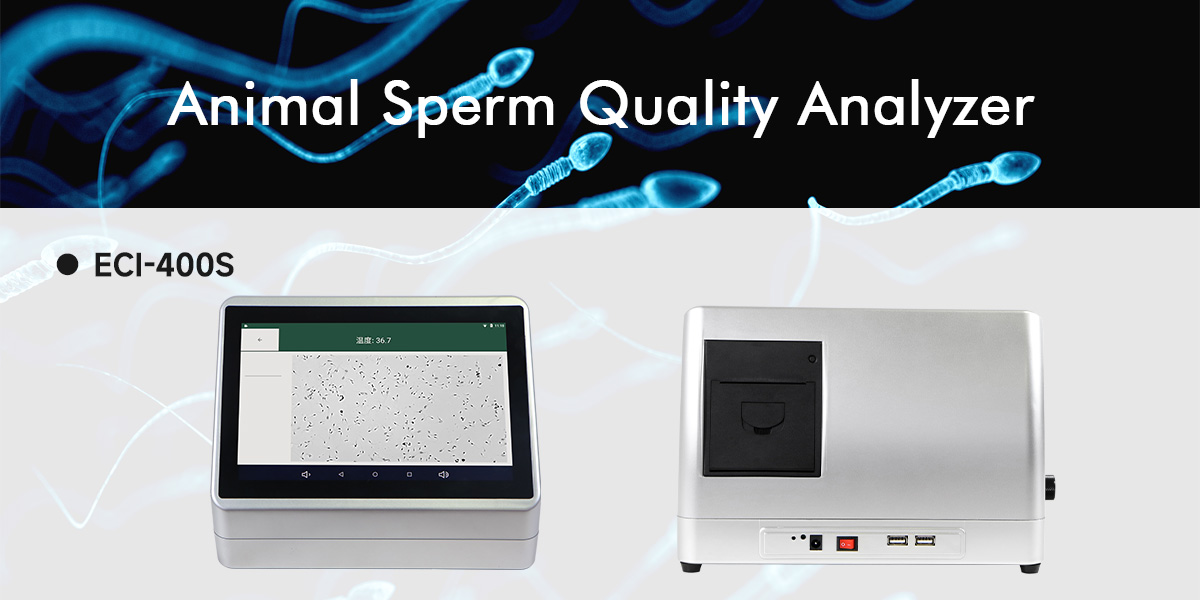
Add the ECI‑SpermPro Sperm Analyzer into your workflow, and you can test motility and concentration of every semen batch before breeding. There is no point breeding a cow at the perfect time if the semen itself is poor quality. This simple check stops you wasting valuable heat windows on low-grade semen.
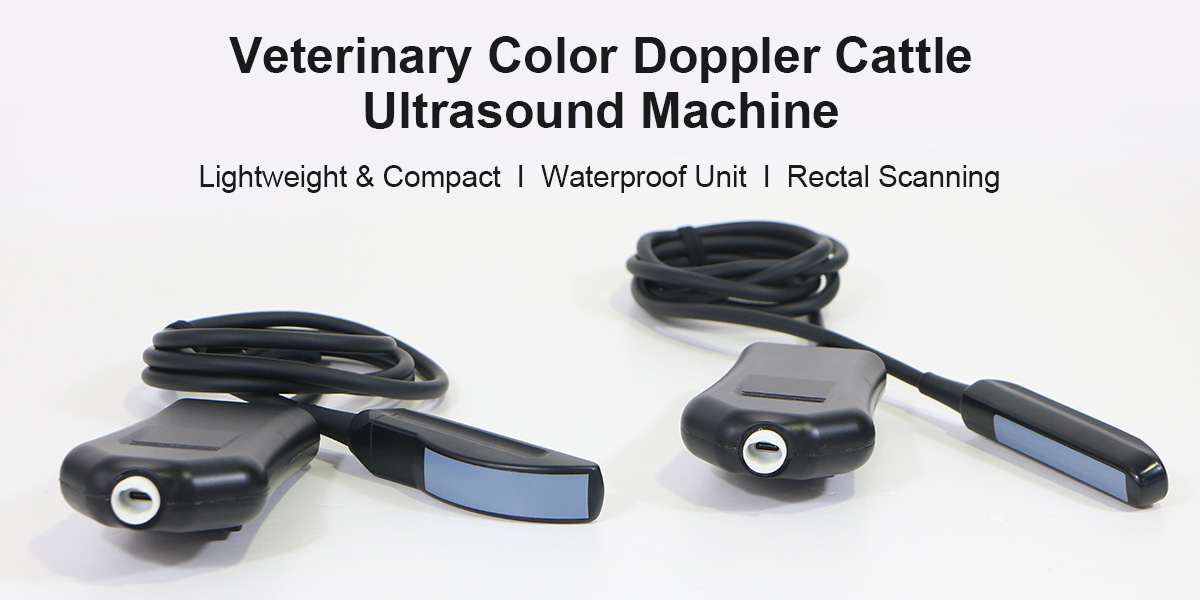
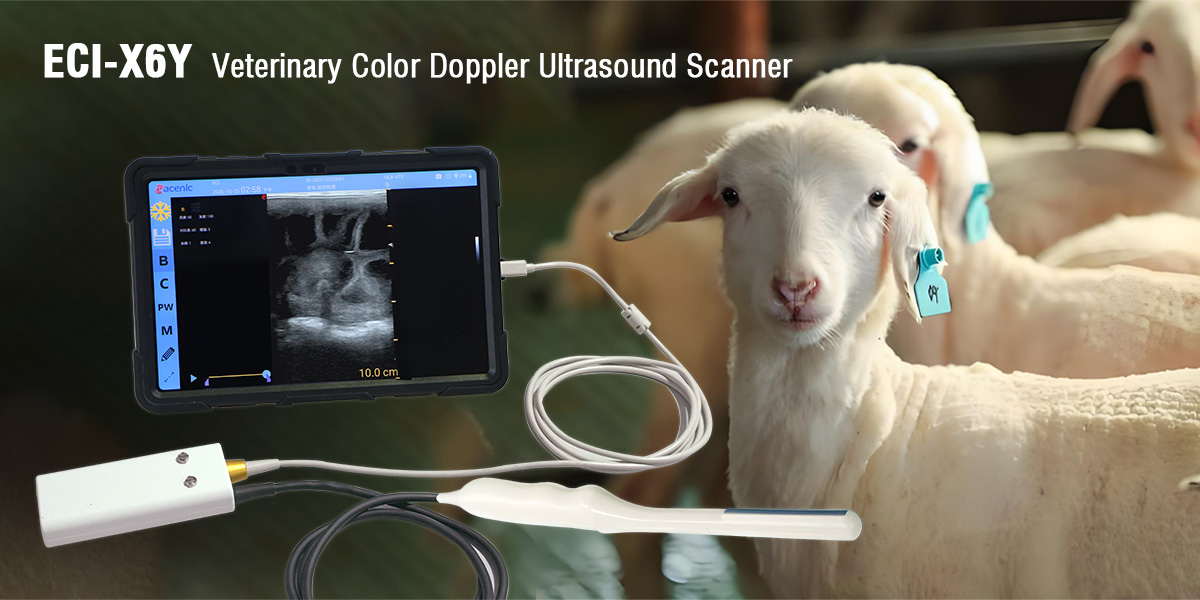
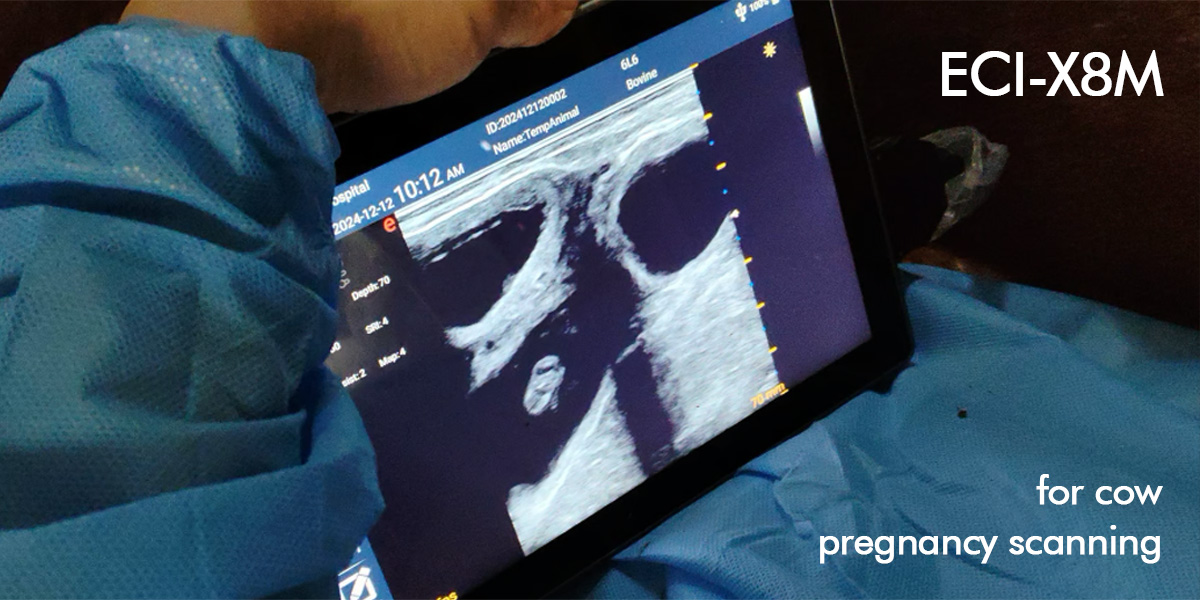
Once breeding is complete, use veterinary ultrasound to run early pregnancy checks at 20–30 days. You will know which cows settled in calf early, adjust their feed and management plan accordingly, and rebreed open cows right away to cut down empty days across your herd.
If you are building out your breeding service or stocking equipment for resale, this complete workflow delivers steady, predictable conception improvements for dairy and beef herds alike.
Get in touch with us for detailed infomation and wholesale price.