
 Bovine
 Equine
 Swine
 Ovine
 Pet


Company News




0102030405
Mechanical External Sector Probe vs. Radial Mechanical Transrectal Probe
2026-07-21
Mechanical External Sector Probe vs. Radial Mechanical Transrectal Probe: Key Differences for Livestock Operations
Mechanical scanning technology remains the most accessible, cost-effective choice for entry to mid-tier livestock ultrasound systems. But the two most common probe designs on the market — the Mechanical External Sector Probe and the Radial Mechanical Transrectal Probe — are built for entirely different animals, workflows and breeding priorities. Pick the wrong one, and you’ll either end up with imaging that falls short of your diagnostic needs, or pay for precision you’ll never put to work. Below we break down the practical differences between the Mechanical External Sector Probe and the Radial Mechanical Transrectal Probe, based on what our customers actually ask about day to day.
How Each Probe Actually Works
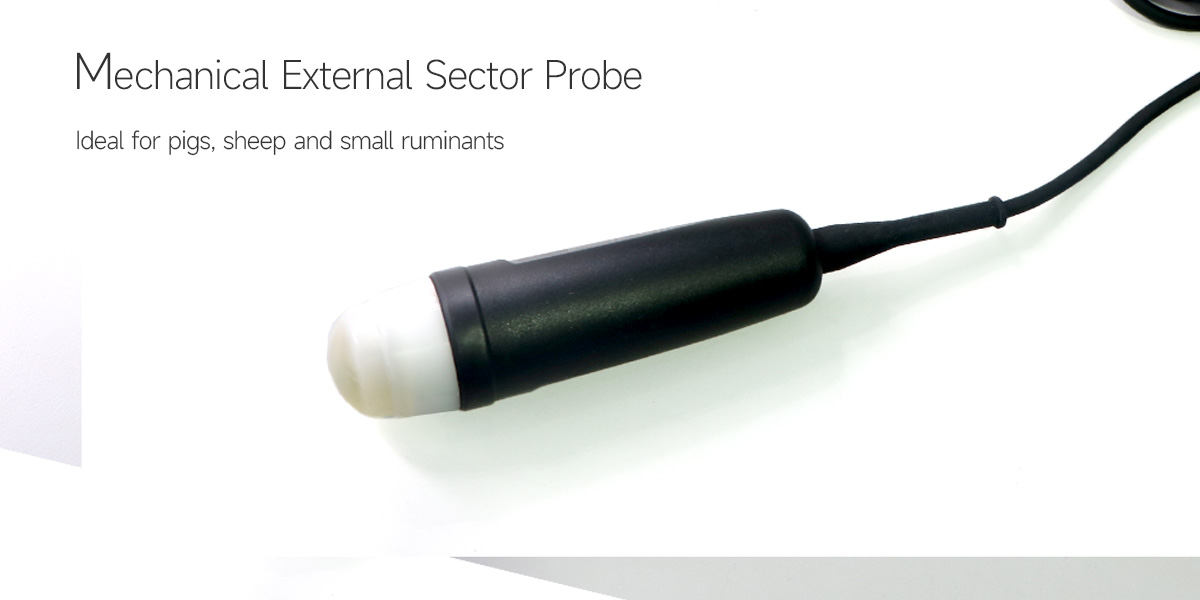
Mechanical External Sector Probe
The Mechanical External Sector Probe is by far the most widely used entry-level option on the market. Inside the rounded head of the Mechanical External Sector Probe, a small motor drives a single piezoelectric crystal back and forth in a fan-shaped arc, sending ultrasound waves inward from the animal’s body surface. To operate the Mechanical External Sector Probe, you apply coupling gel, set the Mechanical External Sector Probe on the animal’s abdomen or back, and get a clear, wide fan view in seconds. The Mechanical External Sector Probe is fully non-invasive, reliable for routine checks, and takes very little training to use competently.
Radial Mechanical Transrectal Probe
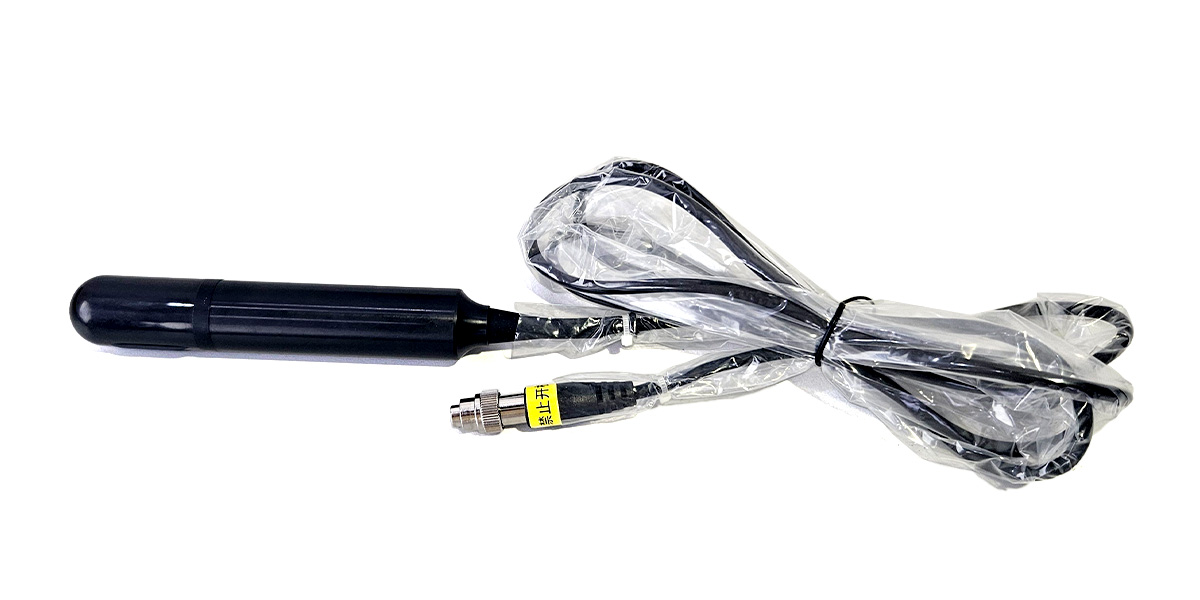
The Radial Mechanical Transrectal Probe is purpose-built for reproductive precision. The Radial Mechanical Transrectal Probe has a long, slim, fully sealed body designed to be inserted into the animal’s rectum. The motor inside the Radial Mechanical Transrectal Probe spins the crystal perpendicular to the probe shaft, producing a cross-sectional radial view of the pelvic organs right next to the tip of the Radial Mechanical Transrectal Probe. By scanning through the thin rectal wall, the Radial Mechanical Transrectal Probe bypasses thick layers of fat, skin and muscle entirely. The transducer of the Radial Mechanical Transrectal Probe sits right up against the uterus and ovaries — so the Radial Mechanical Transrectal Probe picks up small, early-stage structures like gestational sacs and follicles with a level of clarity no surface probe can match.
The Practical Differences That Matter On-Farm
Built for different animals, different workflows
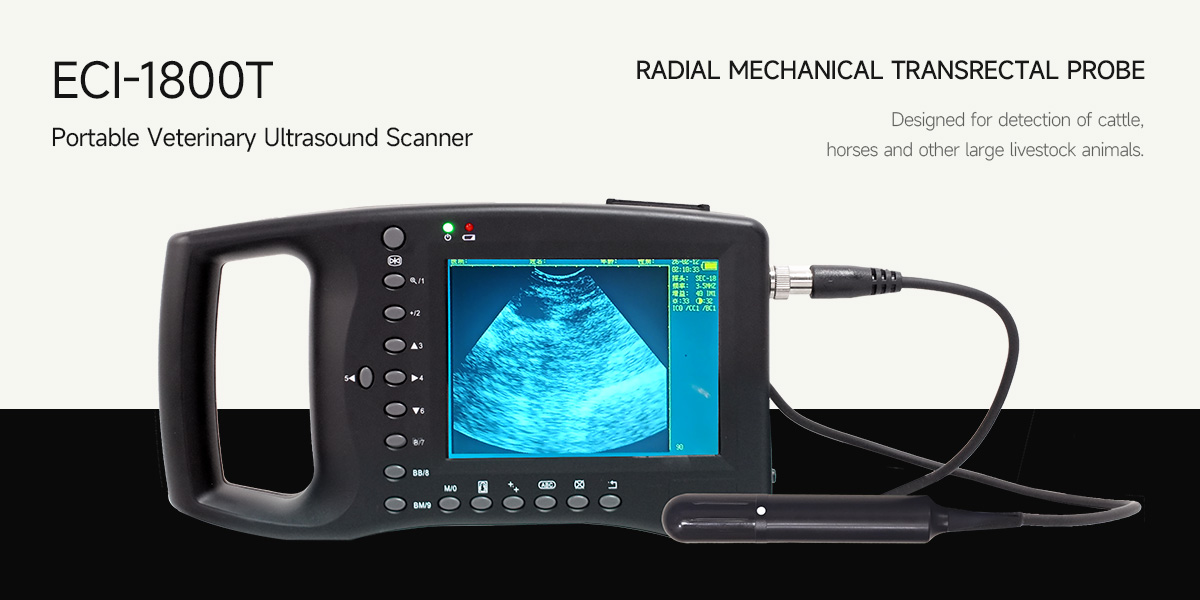
The Mechanical External Sector Probe is workhorse equipment for pigs, sheep, goats and small ruminants. The Mechanical External Sector Probe handles mid-to-late pregnancy confirmation, fetal counting, backfat measurement and basic body condition assessment with ease. For commercial pig and sheep farms running high-volume batch screening, the Mechanical External Sector Probe is the standard go-to. The Radial Mechanical Transrectal Probe, by contrast, is designed for cattle, horses and other large livestock, and also serves precision breeding programs for pigs and sheep. The Radial Mechanical Transrectal Probe enables early pregnancy detection as soon as 25–30 days post-breeding, plus follicle monitoring, uterine health screening and fetal viability checks. The Radial Mechanical Transrectal Probe is the standard tool for breeding stations, dairy farms and multi-species operations.
Ease of use: from quick scans to specialized procedures
With the Mechanical External Sector Probe, the learning curve is gentle. Farm staff can pick up basic pregnancy scanning with the Mechanical External Sector Probe after a short training session. Animals need minimal restraint during scanning with the Mechanical External Sector Probe, and a single check with the Mechanical External Sector Probe takes 10 to 30 seconds — speed is where the Mechanical External Sector Probe really shines for batch work. The Radial Mechanical Transrectal Probe requires formal training in transrectal technique and proper animal restraint. Each exam with the Radial Mechanical Transrectal Probe takes longer, but the diagnostic accuracy and depth of information delivered by the Radial Mechanical Transrectal Probe are on another level for professional reproductive management.

Image performance: penetration vs. fine detail
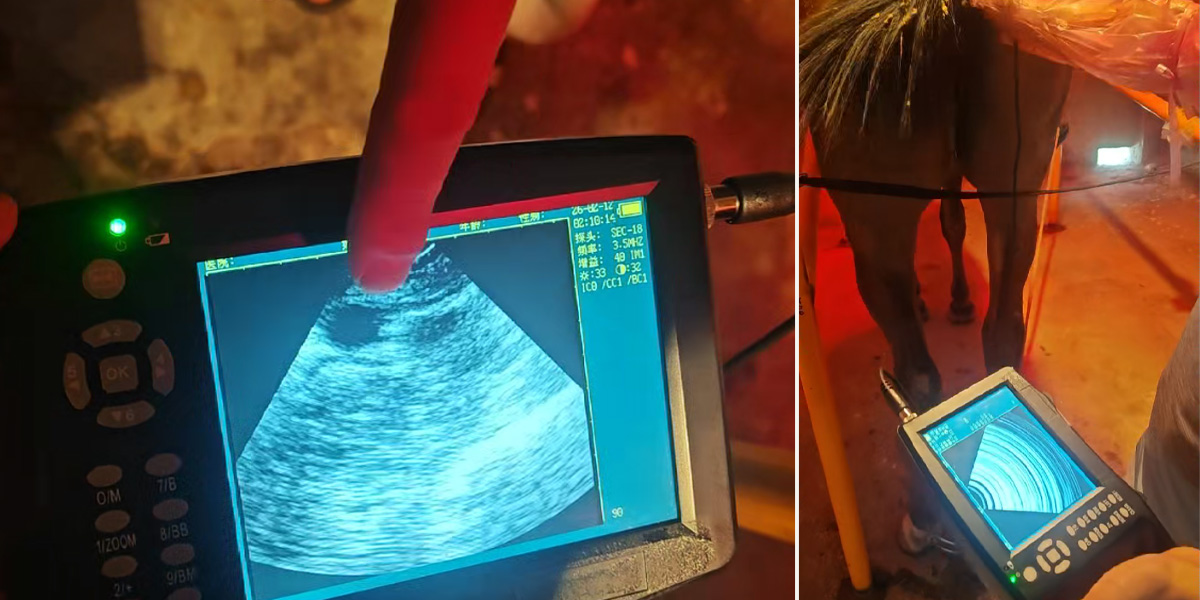
The Mechanical External Sector Probe prioritizes penetration depth from the body surface. The Mechanical External Sector Probe produces clean, usable images of mid-to-late pregnancy and larger anatomical structures, but fine details — small follicles, very early gestational sacs — are harder to make out with the Mechanical External Sector Probe. The Radial Mechanical Transrectal Probe excels in near-field and mid-field resolution. Because the Radial Mechanical Transrectal Probe sits adjacent to the target organs, tand the Radial Mechanical Transrectal Probe captures pregnancy that surface probes simply cannot resolve.
Upkeep and long-term cost
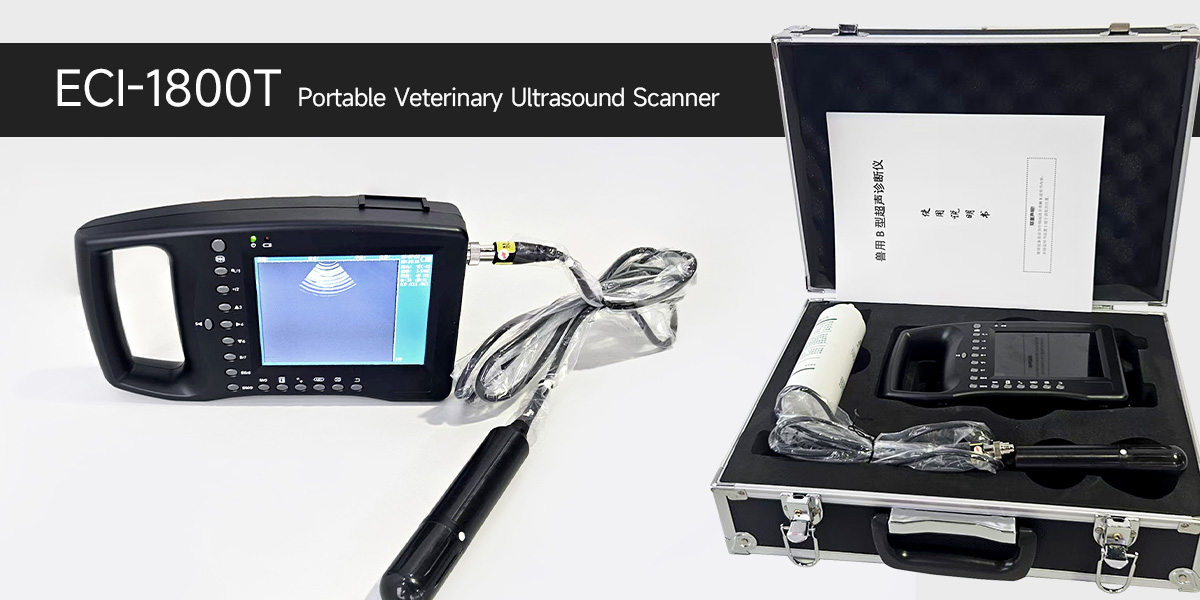
The Mechanical External Sector Probe is lower-maintenance over time. Since the Mechanical External Sector Probe only makes contact with the body surface, the Mechanical External Sector Probe puts far less stress on the probe’s sealing system. Day-to-day care for the Mechanical External Sector Probe mostly comes down to wiping off coupling agent residue after use. The Radial Mechanical Transrectal Probe calls for more careful routine care. The Radial Mechanical Transrectal Probe must be fully disinfected after every use, and the front seal ring of the Radial Mechanical Transrectal Probe needs periodic checks to guard against fluid intrusion. With proper upkeep, the Radial Mechanical Transrectal Probe still delivers a long service life even with heavy, daily professional use.
Quick Comparison Reference
| Dimension | Mechanical External Sector Probe | Mechanical Transrectal Radial Probe |
|---|---|---|
| Primary use | pregnancy | pregnancy |
| Target species | Pigs, sheep, goats | Cattle, horses, donkey |
| Operation | Non-invasive, body surface | Transrectal insertion |
| Learning curve | Very low | Moderate to high |
| Image strength | Deep penetration | Fine detail resolution |
| Maintenance cost | Low | Moderate |
| Best for | High-volume farm screening | Precision breeding programs |
Closing Note
Mechanical probes are still the backbone of affordable livestock ultrasound around the world. There’s no universal “better” option — the right pick is the one that lines up with your herd, your daily routine and your long-term breeding goals.
If you’re still weighing your options, send our team a note with your farm size and main use case. We’ll walk you through the right configuration, and full spec sheets plus wholesale pricing are available on request.