
 Bovine
 Equine
 Swine
 Ovine
 Pet



Q&A: A Chinese Vet Tech Company Walked Into SIAVS 2026—and Walked Out with a TV Interview
Q: So what exactly is SIAVS, and why were you there?
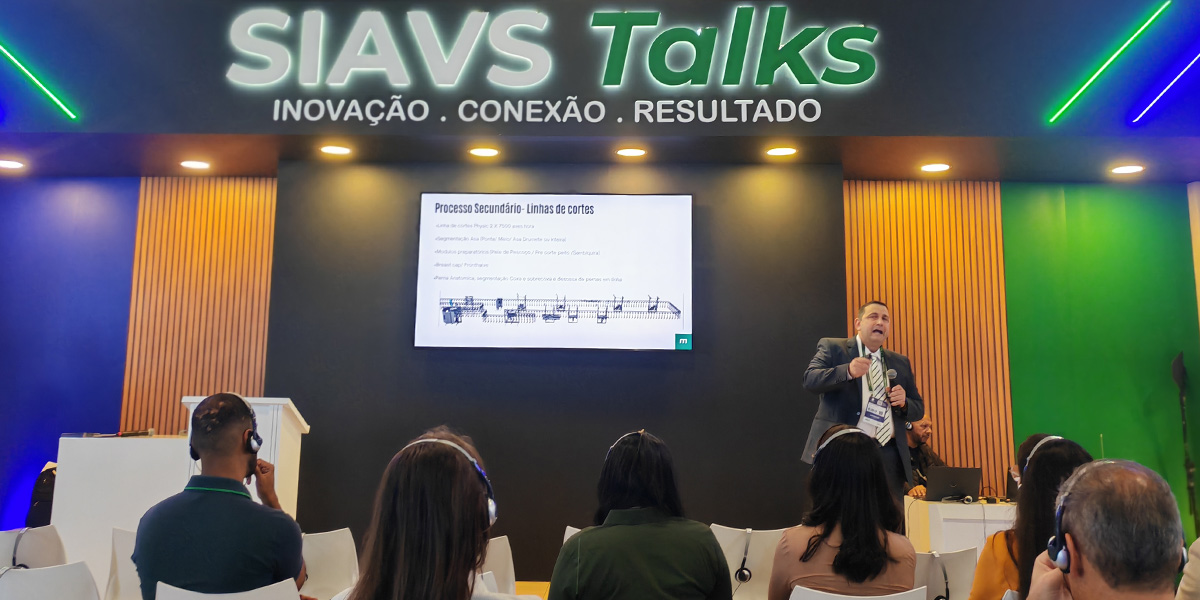
A: SIAVS is the International Animal Protein Show—the big one for Latin America. This year it ran from August 4 to 6 in São Paulo, at Distrito Anhembi. Over 400 exhibitors, visitors from 60-odd countries, and the show floor was 65% bigger than last time. Poultry, pork, beef, farmed fish—if you're in animal protein, you're either there or you're missing out. We went because Brazil is a massive pork and poultry producer, and we've been eyeing this market for a while. We wanted to show what we've got.
Q: And what did you bring that was different?
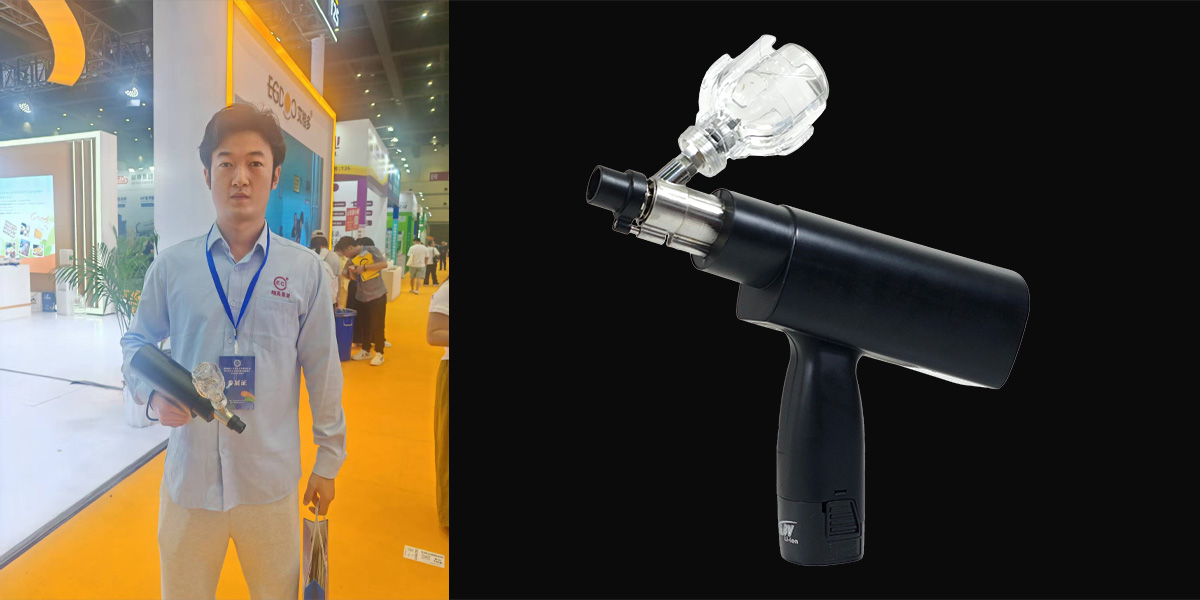
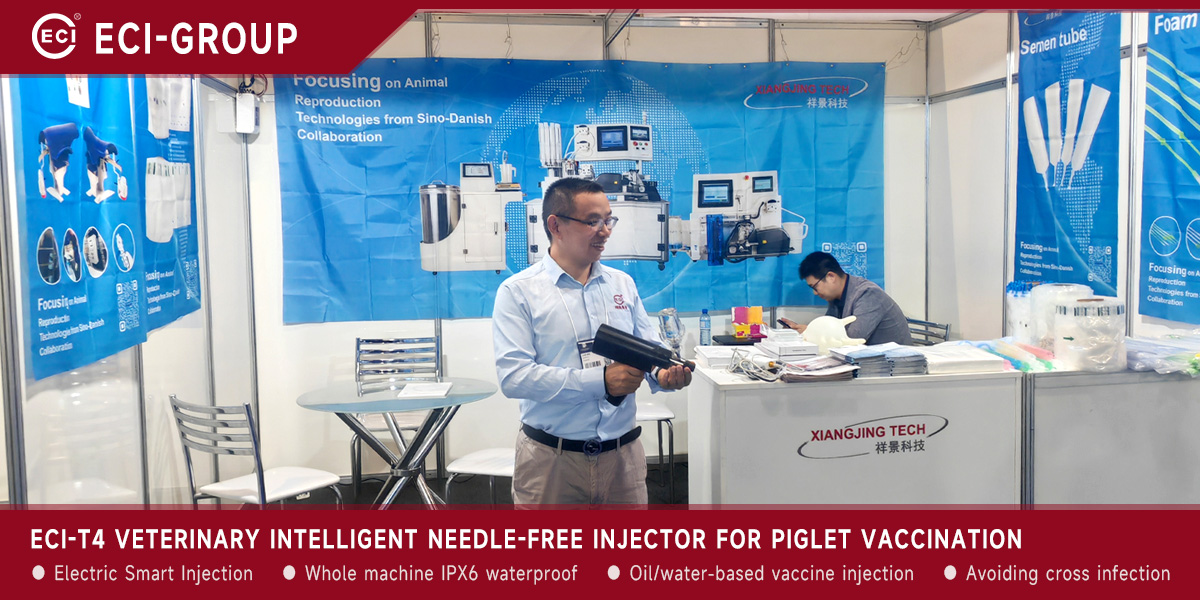
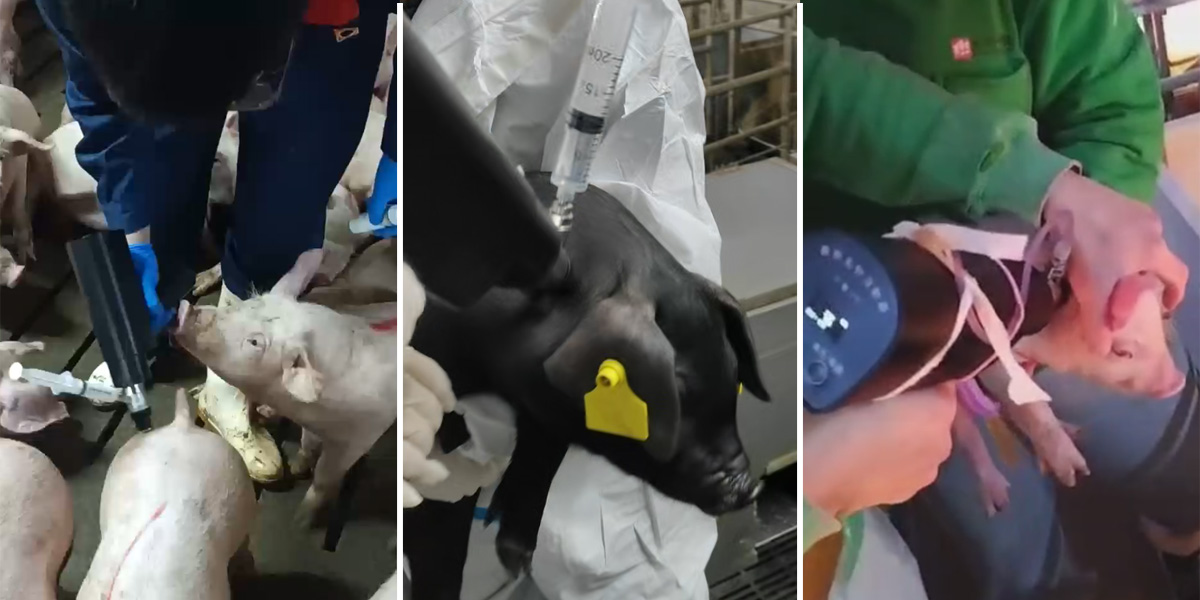
A: We brought the ECI-T4 Veterinary Intelligent Needle-Free Injector. Honestly, walking around the hall, you see rows and rows of traditional syringes, needles, the usual stuff. But we were the only company there demonstrating a motorized, needle-free system for pig vaccination. That alone turned heads. By day two, we had people crowding around just to watch a demo. A local TV crew showed up, cameras rolling, and asked if they could film it.
Q: How did that interview come about?
A: Pretty spontaneous, actually. A reporter from a Brazilian agribusiness channel was walking the floor, saw our booth packed with farmers, and came over. She asked what was so special. I gave her a quick run-through, and next thing I knew, she had her cameraman rolling. She wanted to know why a Chinese company was showing something that nobody else had at the show.
Q: Break it down for us—how does the ECI-T4 actually work?
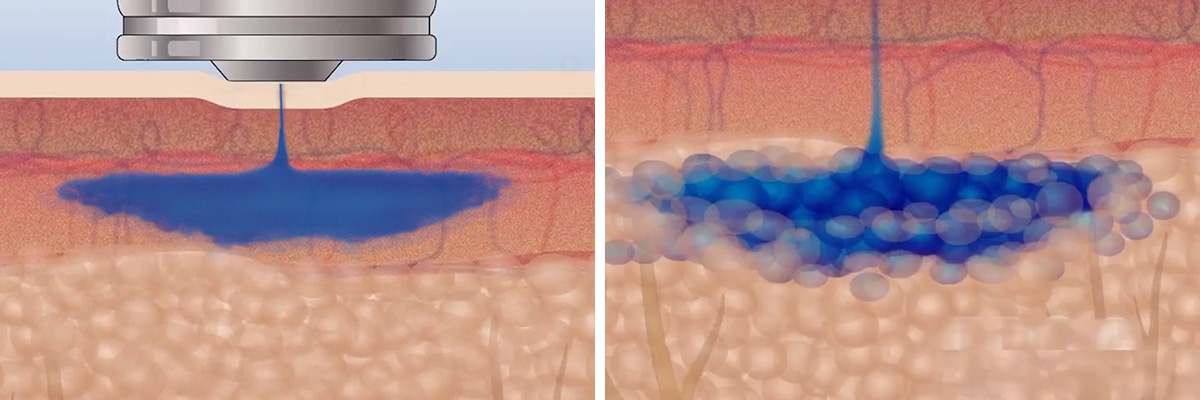
A: It's jet technology. You've got a tiny nozzle—0.2mm—and the injector fires the vaccine through it at high pressure. The whole thing takes about a tenth of a second. The vaccine goes into the superficial skin layer, not deep muscle, which means less stress for the pig. It handles both water-based and oil-based vaccines—swine fever, foot-and-mouth, you name it. One full charge gets you over 1,800 injections. And speed-wise, you're looking at about 1,200 pigs per hour. Try doing that with a needle.
Q: What did the TV reporter find most interesting?
A: She kept coming back to two things. First, biosecurity. No needle means zero risk of passing something from one pig to another. No broken needles in the meat, no abscesses, no pus—and that's a big deal for food safety. Second, vaccine waste. Traditional syringes leave a lot of residue, and you often over-dose or under-dose. The ECI-T4 Veterinary Intelligent Needle-Free Injector meters out a precise 0.5ml dose every time, with over 95% of the vaccine actually used. Over a year, that adds up to serious savings.
Q: How did the farmers react when they saw it?
A: Most of them were honestly surprised. They'd heard about needle-free injection but thought it was still in some lab somewhere. They didn't realize you could walk up to a booth and try it yourself. We had one farm manager from Santa Catarina—he said he loses 3% to 5% of his piglets every year just from injection-related infections and stress. He told me flat out, "If this thing cuts that down, I'll buy it today." That's the kind of reaction you can't fake.
Q: Is it already on sale in Brazil?
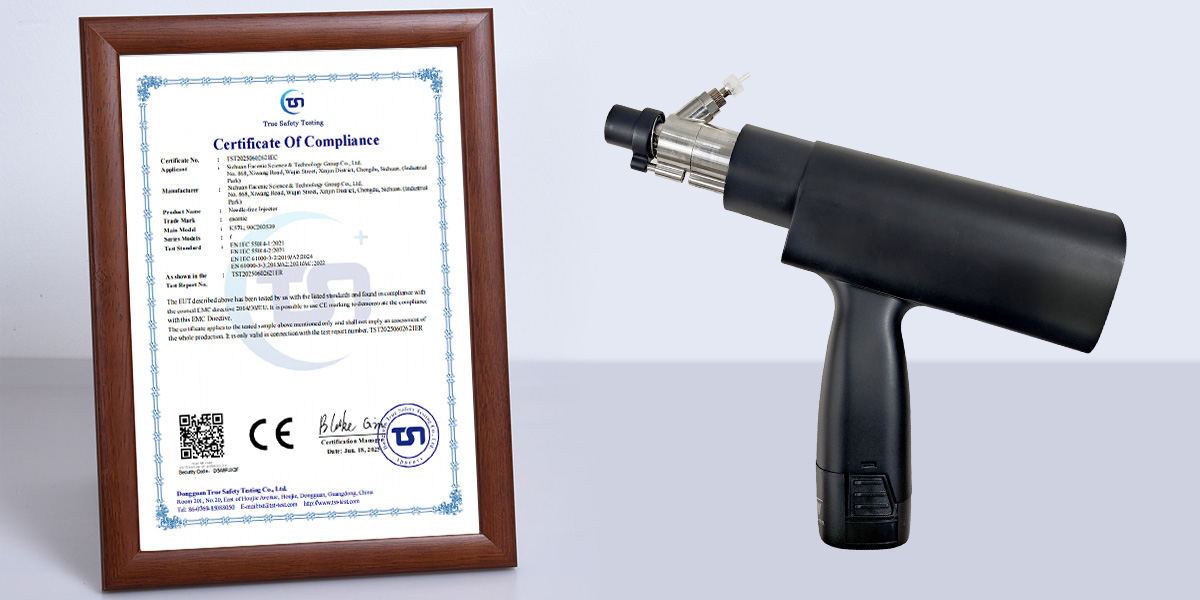
A: Not yet—we're working on distribution. The ECI-T4 Veterinary Intelligent Needle-Free Injector has CE certification for Europe, and we're going through the Brazilian regulatory process now. But after SIAVS, we've got a long list of people who want to be the first to get it. The TV interview definitely gave us a boost. We're also looking at setting up local support so farmers don't have to wait for parts or service.
Q: What's the bigger picture for ECI Group in Brazil?
A: This is just the start. We've (ECI Group)been manufacturing in Chengdu since 2009, and we've sold to over 20 countries across North America, Europe, and Asia. But Brazil is a different beast—huge herds, serious producers, and they care about efficiency. If we can prove that needle-free works here, we're not just selling a device. We're changing how vaccination is done. And that's worth more than one TV segment.
