
 Bovine
 Equine
 Swine
 Ovine
 Pet

Solving Severe Equine Veterinary Pain Points in Harsh Field Environments
Field ambulatory equine practitioners operate in unpredictable stables, open paddocks, and bright direct sunlight where conventional clinic scanners consistently fail.
Direct Sunlight Blindness
Evaluating superficial digital flexor tendons under open paddock sunlight creates blinding screen glare on standard liquid crystal monitors. Ambulatory equine vets lose subtle lesion margins, necessitating high-nits transflective or anti-glare optically bonded screens.
Awkward Ergonomics & Safety Risks
Managing bulky 8kg cart scanners while restraining uncooperative racehorses poses significant hazards. Practitioners require ultra-compact, drop-resistant, glove-operable wireless or hand-carried equine ultrasound units capable of single-handed operation.
Insufficient Battery Autonomy
Consecutive reproductive examinations across broad breeding farms demand continuous power. Battery depletion midway through an estrus cycle checkup stalls throughput, underscoring the necessity for swappable hot-standby power cells exceeding 5+ continuous duty hours.
Compromised Tendon Resolution
Diagnosing acute desmitis and micro-tears in the suspensory ligament branches demands ultra-high near-field axial and lateral resolution. Substandard field ultrasound probes lack the requisite element pitch to differentiate healing fibers from active anechoic tears.
Challenging Mare Reproduction Depth
Transrectal mare reproduction sweeps must evaluate both early embryonic vesicles (Day 11-14) and deep ovarian follicles simultaneously. Without optimized multi-frequency harmonic imaging, detecting persistent corpora lutea or endometrial cysts becomes imprecise.
Excessive Total Cost of Ownership
Expensive proprietary software updates and fragile probe cabling increase replacement overhead for equine mobile clinics. B2B clinics necessitate ruggedized ingress-protected IP67 probes paired with enterprise warranties and cost-effective modular accessories.
Probe Frequencies, Penetration Depth & Sunlight Readability
Selecting the ideal portable equine ultrasound configuration requires balancing high-frequency near-field acoustic sensitivity with deep transrectal and transabdominal penetration.
| Transducer Type | Frequency Bandwidth | Penetration Depth | Primary Equine Clinical Application | Diagnostic Benchmark |
|---|---|---|---|---|
| High-Frequency Linear Rectilinear | 7.5 MHz – 13.0 MHz | 20 mm – 90 mm | Superficial flexor tendon scanning, suspensory branches, distal limb joints, collateral ligaments | Sub-millimeter axial resolution identifying Grade 1 core lesions |
| Transrectal Linear Array | 5.0 MHz – 8.5 MHz | 40 mm – 160 mm | Mare reproduction, follicle sizing, Day 14 embryo detection, uterine edema grading | Precision ovarian cycle monitoring & twin pregnancy eradication |
| Micro-Convex Curved Array | 4.0 MHz – 7.5 MHz | 60 mm – 180 mm | Stifle joint, hip evaluation, equine abdominal FLASH colic screening, transvaginal ovum pick-up | High acoustic framing rates with minimal peripheral distortion |
| Broadband Convex Transabdominal | 2.5 MHz – 5.0 MHz | 120 mm – 300 mm | Late gestation fetal viability, deep thoracic/pleural screening, renal & mesenteric architecture | Deep signal-to-noise harmonic penetration in large drafts |
Download Equine Clinical Whitepaper: Tendon Scanning & Mare Reproduction Protocols
Authored by veterinary imaging specialists, this comprehensive technical whitepaper details standardized acoustic gain settings, stand-off pad applications for distal metacarpal evaluation, and an algorithmic approach to distinguishing anovulatory follicles from corpus hemorrhagicum in mares.
- Zoning schemas for tendon longitudinal and cross-sectional diagnostic metrics
- Endometrial edema classification tables (Grades 0 to 4) with synchronized probe frequency presets
- Outdoor brightness protocols: Calibrating 1,000+ nits display panels under ambient light variations
Veterinarian User Experience & Clinical Sonogram Gallery
See how leading equine sports medicine clinics and reproductive studs leverage our portable veterinary ultrasound machines under grueling outdoor circumstances.
Field Case Study: 15-Minute Complete Mare Breeding Soundness Evaluation
Dr. Harrison demonstrates the ultra-portable transrectal probe workflow with instantaneous wireless tablet casting in an open stall setting with over 20 broodmares.
10.0 MHz High-Frequency Linear
6.5 MHz Transrectal Linear
8.0 MHz Tissue Harmonic Mode
5.0 MHz Rectal Harmonic Linear
Featured Veterinary Diagnostic & Reproduction Equipment
Engineered to streamline reproductive workflows, surgical interventions, and precision veterinary diagnostics.
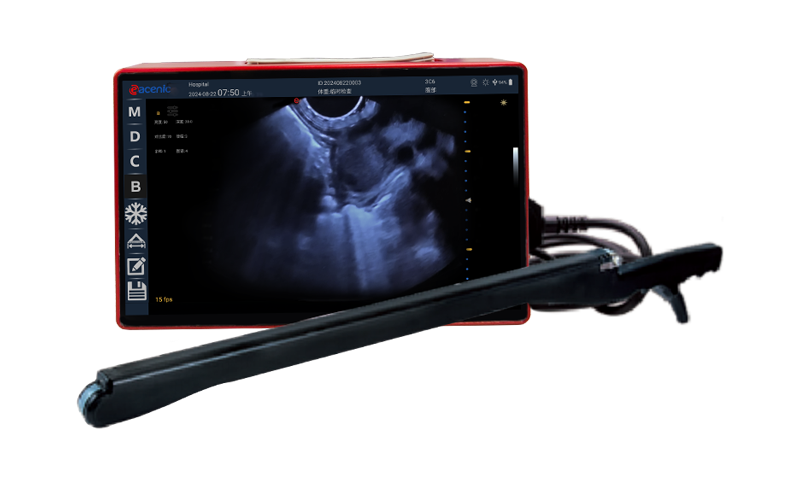
Animal Ultrasound Diagnosis & Ovum Pick-up
Excellent images to provide assistance in the livestock breeding process.
Read More →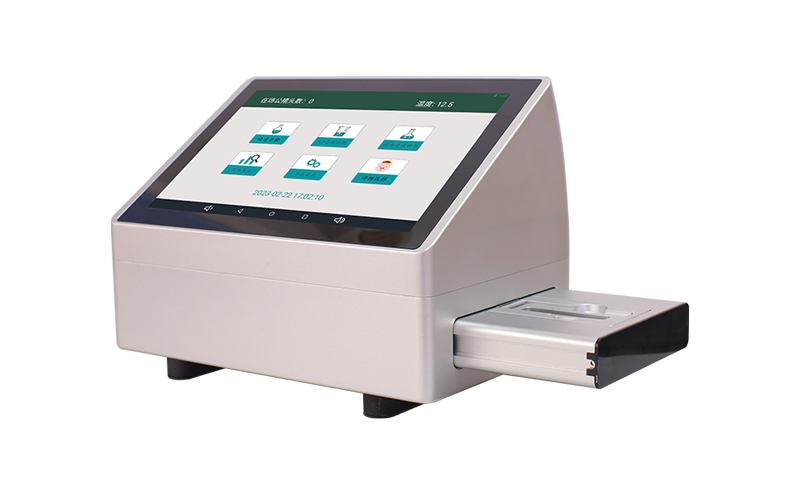
Animal Semen Quality Analysis
Accurate data provides the basis for dispensing volumes and quantities.
Read More →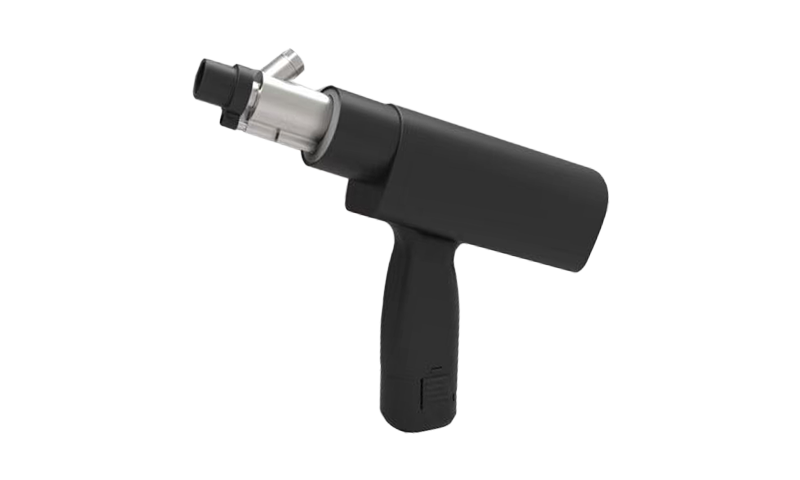
Needle-free Injector
Needle-free injection process avoids risk of cross-infection.
Read More →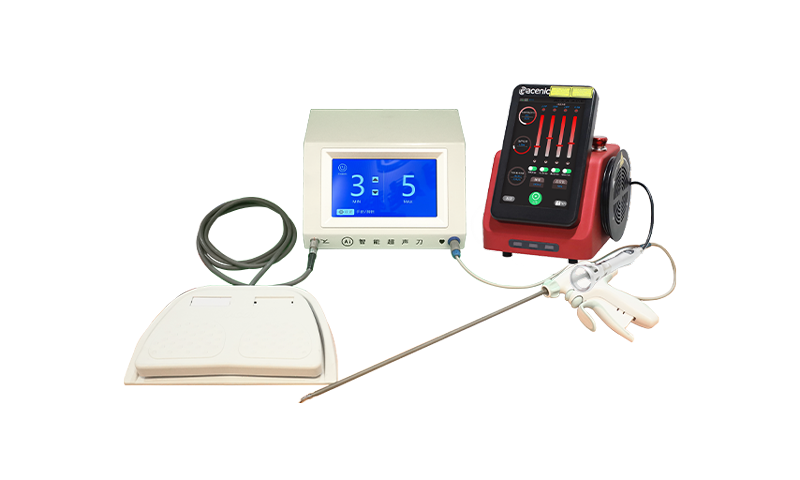
Vet Ultrasonic Scalpel System
Outstanding ultrasonic cutting technology reduces surgical time for pets.
Read More →Guardian of Life on Earth – Partner with Us
Founded in 2009, ECI is a trusted supplier of veterinary ultrasound machine, holding 40% of China's market share. Main products include veterinary ultrasound machine, animal semen analysis, veterinary ovulation detector, needle-free injector and so on.
Since expanding globally in 2019, we have established distribution partners in Canada, Turkey, the USA, Mexico, Belgium, and beyond. Join us as we work together to improve animal health and promote livestock development worldwide.
Learn more about us
17+
Years of Industry Experience
Request Clinical Specifications, Pricing & Whitepaper Access
Connect directly with our veterinary clinical engineers. We provide clinic-specific bundle pricing, OEM/ODM customizations, and distribution partnerships worldwide.